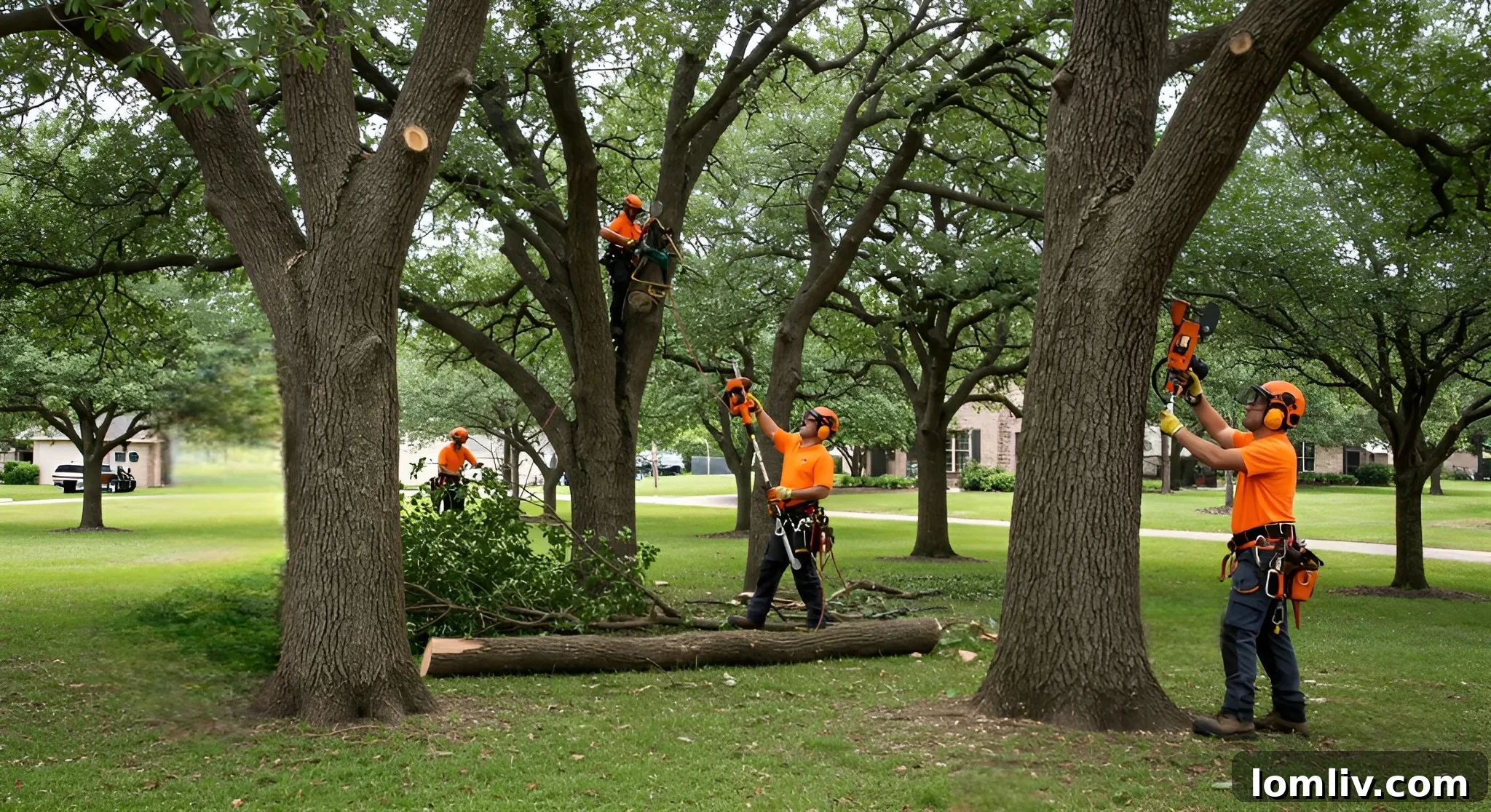
Transforming your Dallas County outdoor spaces begins with healthy, vibrant trees. In a region known for its intense summer heat and diverse soil conditions, selecting and nurturing the right trees is paramount for enhancing curb appeal, providing essential shade, and contributing positively to the local ecosystem. Strategic tree selection, combined with diligent seasonal care, not only elevates property value but also fosters a more sustainable and enjoyable environment for homeowners across North Texas.
This comprehensive guide delves into best practices for planting, pruning, and collaborating with expert tree care professionals. These insights are designed to empower Dallas homeowners to cultivate stunning and resilient landscapes, ensuring their trees thrive and become cherished features of their property for decades to come.
The Indispensable Role of Trees in Dallas County Landscapes

Trees are far more than mere greenery; they are living assets that significantly enrich Dallas County landscapes. When thoughtfully integrated with professional tree care services in Dallas County, they deliver invaluable cooling shade, create vital habitats for local wildlife, and establish strong visual structures in both urban and suburban settings. A profound understanding of their multifaceted role is the foundational step toward designing a landscape that is not only aesthetically pleasing but also highly functional and environmentally resilient.
Core Principles of Tree Care in Landscape Design for Dallas Homeowners
Effective landscape design treats trees as long-term investments. The process should begin with a thorough assessment of existing specimens, noting their health, mature size, and species. New trees should be strategically integrated into locations where they have ample space to flourish without impeding structures or overhead utility lines. A balanced mix of evergreen and deciduous varieties is crucial for ensuring continuous color, form, and interest throughout all four seasons in Dallas. Always respect each tree’s potential mature canopy spread and root zone to prevent future conflicts with hardscapes like patios, driveways, or foundations. Proper planning from the outset minimizes future maintenance and maximizes the tree’s contribution to your property.
Ecological and Economic Benefits of Mature Tree Canopies in North Texas
Mature trees contribute immensely beyond their impressive visual presence. Their expansive canopies significantly mitigate surface temperatures, often reducing ambient heat by up to 5-10°F during the scorching Dallas summers. This natural cooling effect can lead to a noticeable reduction in energy consumption for nearby homes. Research consistently demonstrates that properties graced with large, healthy trees can experience a substantial increase in market value, typically ranging from 10 to 15 percent, making them a wise investment for any Dallas homeowner.
Beyond aesthetics and property value, well-established trees also play a critical ecological role. They improve stormwater absorption, reduce harmful runoff, and effectively prevent soil erosion, all of which contribute to healthier, more stable outdoor environments. Furthermore, they filter air pollutants, sequester carbon dioxide, and provide essential oxygen, directly improving air quality for the community. These combined benefits solidify trees as indispensable elements of a sustainable Dallas landscape.
Site-Specific Considerations: Soil Composition, Light Exposure, and Space Allocation
Dallas County presents a varied geological tapestry, with soils ranging from heavy, expansive clays to more porous, sandy loams, and pH levels that can swing from slightly acidic to alkaline. Prior to any planting, it is imperative to conduct a comprehensive soil test. This crucial step will inform your tree selection, allowing you to match species with the specific conditions they need to thrive. Closely observe sun patterns across your property over several days to precisely site shade trees where they can deliver maximum cooling benefits without inadvertently blocking desirable natural light. Additionally, meticulous planning must account for underground utilities and septic lines; new trees should be positioned at least 10 to 15 feet away from any existing structures or service lines to prevent future damage or interference.
Strategic Tree Selection and Optimal Siting for Dallas Landscapes
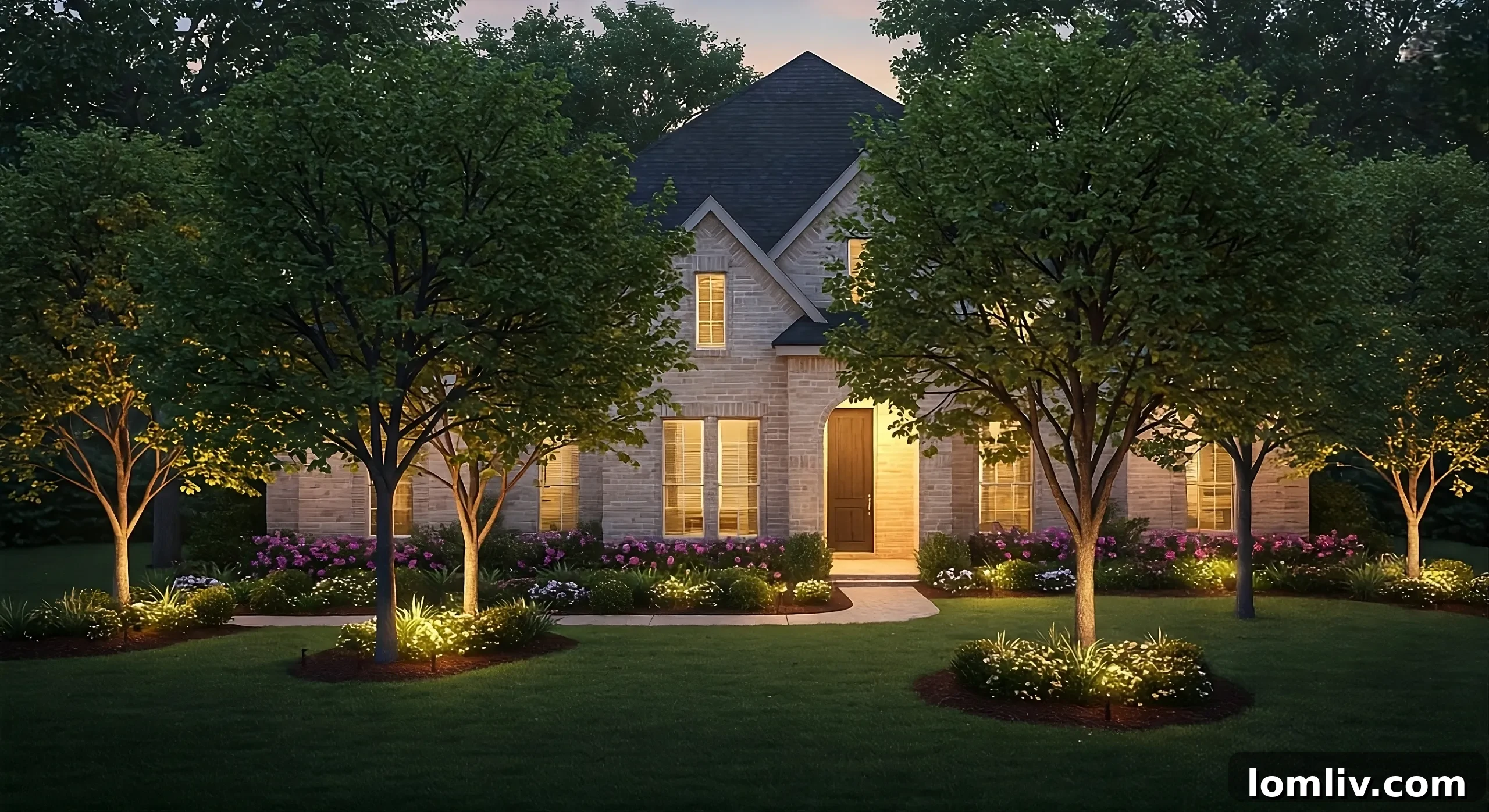
The decision of which tree to plant extends far beyond mere visual appeal. It demands a thoughtful evaluation of growth habits, root systems, and seasonal characteristics, meticulously aligning them with the unique conditions of each specific location within your yard. A well-considered and strategic planting plan lays the groundwork for decades of beauty, environmental benefit, and personal enjoyment, ensuring your landscaping Dallas thrives.
Choosing the Best Trees for Dallas County Landscaping
For sustainable and low-maintenance landscaping in Dallas, native and adapted tree species consistently outperform exotic varieties in local conditions. The Live Oak, for instance, is a quintessential North Texas tree, renowned for its resilience to drought and heat once established, offering dense, evergreen shade. For striking summer blooms with minimal irrigation needs, the Desert Willow is an excellent choice, adding a touch of vibrant color. The Texas Redbud provides a spectacular display of magenta flowers in early spring, signaling the arrival of warmer weather. When making your selections, always factor in the ultimate height and canopy spread of mature trees to prevent future overcrowding. Prioritizing disease-resistant cultivars can significantly reduce long-term maintenance requirements and protect your investment.
Matching Tree Species to Microclimates and Soil Types in Your Dallas Yard
Your property likely contains diverse microclimates, from sun-drenched zones to sheltered, cooler pockets. Utilize robust species like the Cedar Elm in exposed areas that endure full sun and stronger winds. For lower-lying spots prone to occasional moisture or even temporary flooding, the Bald Cypress is an exceptional choice, known for its adaptability to wet conditions. In heavier clay soils, which are common in many parts of Dallas County, species with adaptable root systems, such as the Mexican Sycamore, typically perform very well. To simplify irrigation and fertilization schedules, group trees with similar water and soil requirements, creating more efficient and healthier planting zones.
Strategic Positioning for Optimal Shade, Privacy Screening, and Year-Round Interest
Envision trees as integral components of your living architecture. For maximum cooling, strategically place shade trees to the west and southwest of patios, key windows, or outdoor living areas to effectively block the intense afternoon sun. Utilize dense evergreens, such as Nellie R. Stevens Holly or Eastern Red Cedar, as effective privacy screens along property lines. Combine flowering ornamental trees, like Crape Myrtles or Vitex, with evergreens to extend visual interest and color from early spring through the winter months. Additionally, consider seasonal wind patterns when siting trees; they can serve as natural windbreaks against cold north winds in winter while allowing pleasant summer breezes from the south to circulate through your outdoor spaces.
Essential Maintenance Practices for Healthy and Attractive Dallas Trees
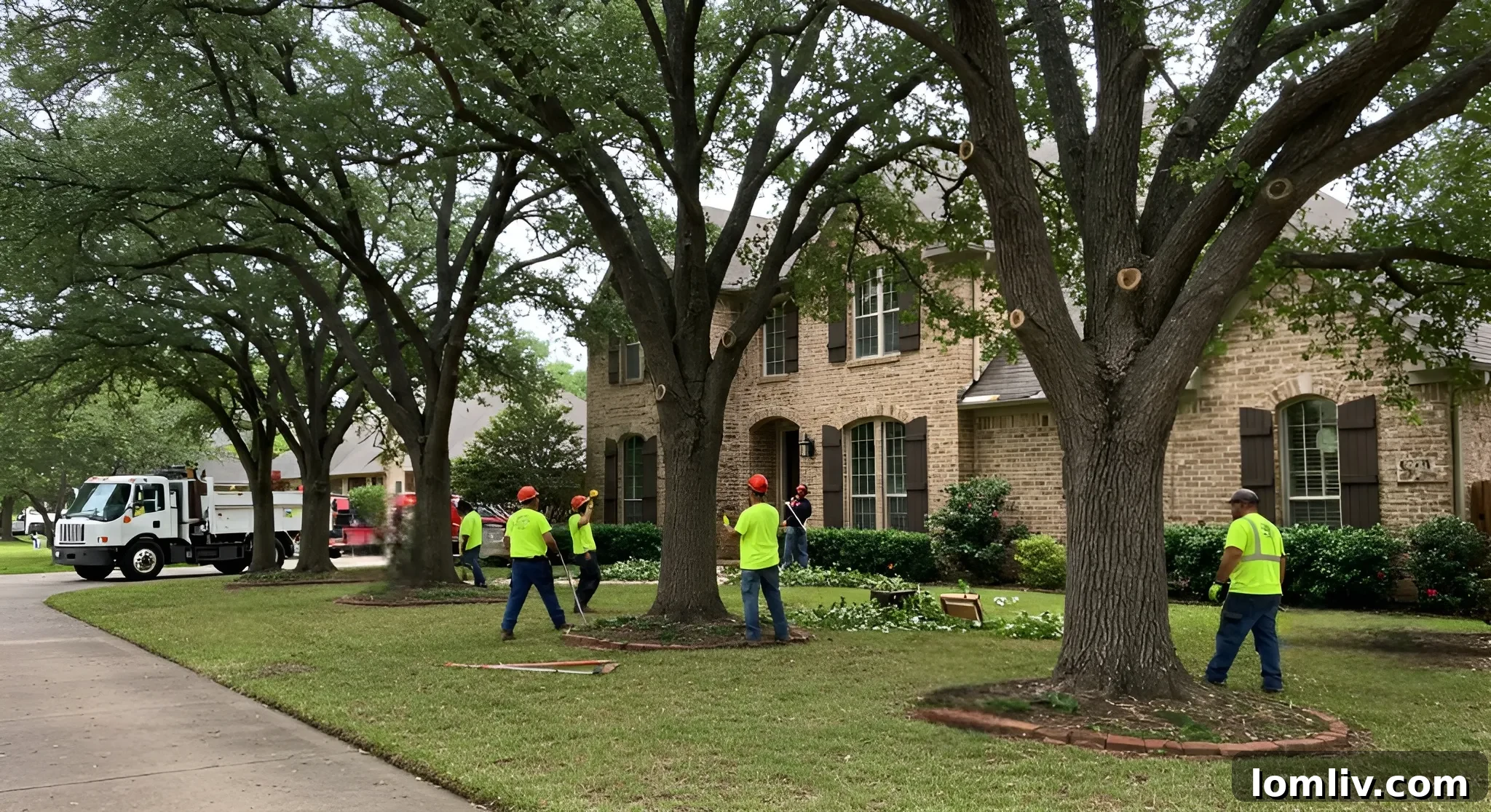
Consistent, proactive tree care is fundamental to maintaining both the safety and aesthetic appeal of your trees in Dallas County. Adhering to a regular maintenance routine facilitates early detection of potential issues, ensures proper structural integrity, and preserves the natural form and beauty of your landscape’s most valuable assets.
Seasonal Tree Pruning for Optimal Form, Health, and Safety in Dallas Landscapes
Proper tree pruning is crucial for shaping trees and mitigating potential hazards. Executing pruning during late winter or early spring often stimulates vigorous new growth, especially for deciduous species. Essential tasks include removing dead, diseased, or crossing branches to improve air circulation within the canopy and prevent rubbing wounds. Always make cuts back to the branch collar to promote proper wound closure and protect the main trunk. The goal is to cultivate a strong central leader and a well-balanced canopy structure. Correct pruning techniques significantly reduce the risk of disease entry, enhance the tree’s natural shape, and contribute directly to the overall aesthetic appeal of your landscape design. For larger trees or complex cuts, consider consulting professional arborists in Dallas for safe and effective pruning.
Essential Tree Care Methods for Dallas Yards: Watering, Mulching, and Fertilizing
Young trees require consistent and regular watering during their establishment period, typically the first two to three years, until their root systems are deep enough to access subsurface moisture. Water slowly and deeply at the drip line to encourage extensive outward root growth. Apply a 2- to 4-inch layer of organic mulch, such as shredded hardwood or cedar, around the base of the tree, ensuring it is kept a few inches away from the trunk to prevent rot and pest issues. Mulching helps retain soil moisture, regulate soil temperature, and suppress weed growth. Fertilization should only be applied if soil tests reveal specific nutrient deficiencies. A slow-release, nitrogen-based fertilizer, typically applied in early spring, can support healthy leaf and twig development, but avoid over-fertilizing, which can stress trees.
Vigilant Pest and Disease Monitoring for Dallas County Trees
Common tree pests and diseases in North Texas include the notorious oak wilt, various borers (such as emerald ash borer, if you have ash trees), and spider mites, especially during dry periods. Make it a habit to inspect leaves, branches, and bark monthly for any signs of discoloration, unusual spots, holes, or irregular growth patterns. Early detection of issues like oak wilt is critical; for example, identifying it promptly can potentially save nearby susceptible trees through timely root graft severing. If you observe fungal growth, significant insect damage, or other signs of distress, promptly remove affected limbs and consider targeted treatments. Remember, many tree health issues respond far better to preventative measures and early intervention than to reactive cures.
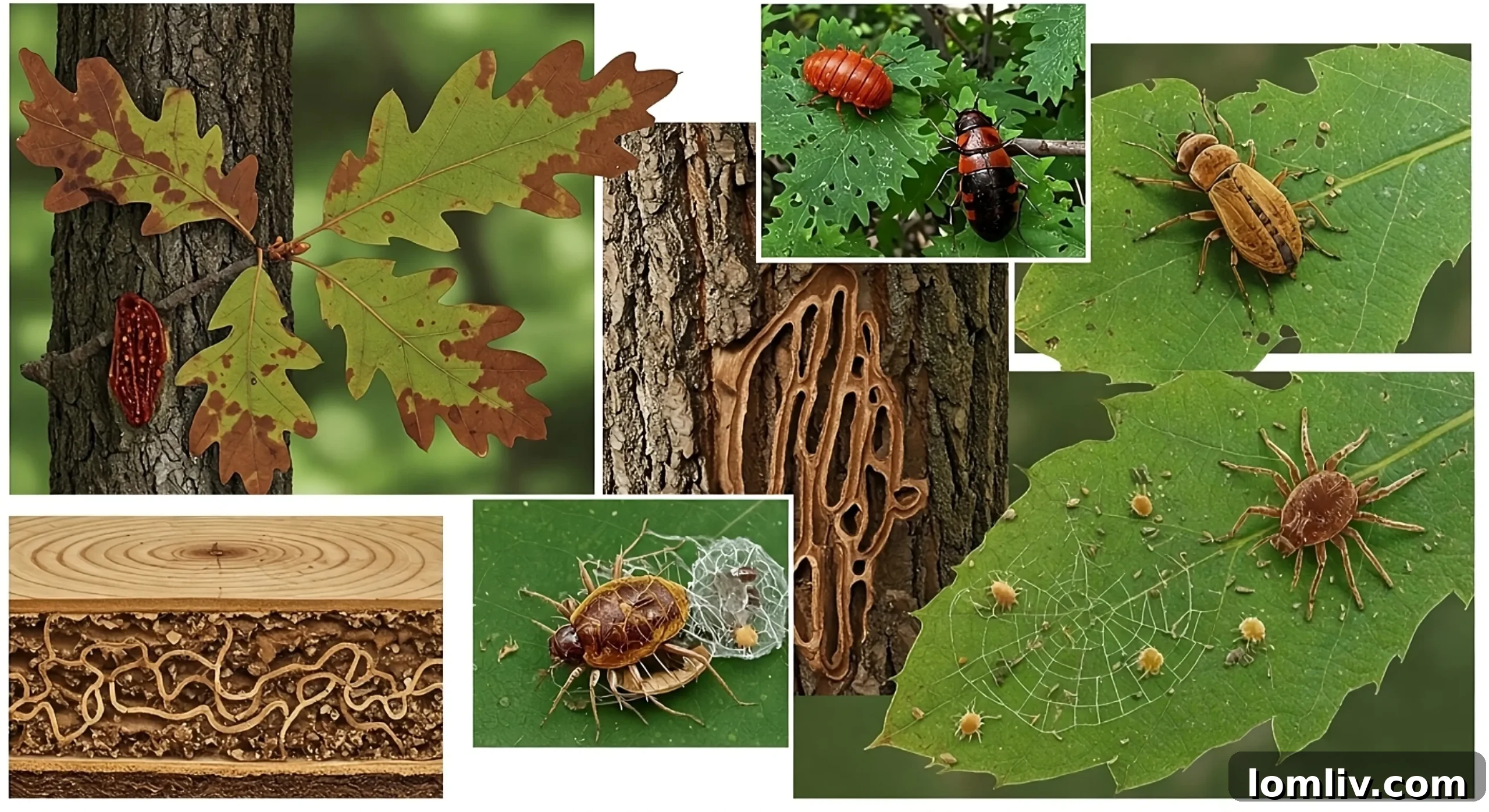
To effectively combat the spread of Oak Wilt in Dallas County:
- 1. Identify: Be vigilant for characteristic symptoms such as yellowing or bronzing foliage that typically appears in spring, often progressing rapidly from the top down.
- 2. Isolate: Immediately sever root grafts between infected and healthy susceptible oak trees using a vibratory plow or trenching to prevent underground transmission.
- 3. Remove: Promptly cut down and chip infected branches and entire trees. It is crucial to burn or dispose of this material off-site to eliminate fungal mats and prevent further spread.
- 4. Protect: For high-value, uninfected oak trees in close proximity, consider applying registered fungicides as a preventative measure, administered by a certified arborist.
Prompt and decisive action is paramount to preserving canopy health and preventing the devastating spread of oak wilt to neighboring specimens. When in doubt, always enlist the expertise of an ISA-certified arborist in Dallas. They can accurately confirm diagnoses, recommend the most appropriate remedies, and ensure the long-term health of your valuable trees.
Partnering with Professional Providers for Superior Dallas Tree Care and Landscaping
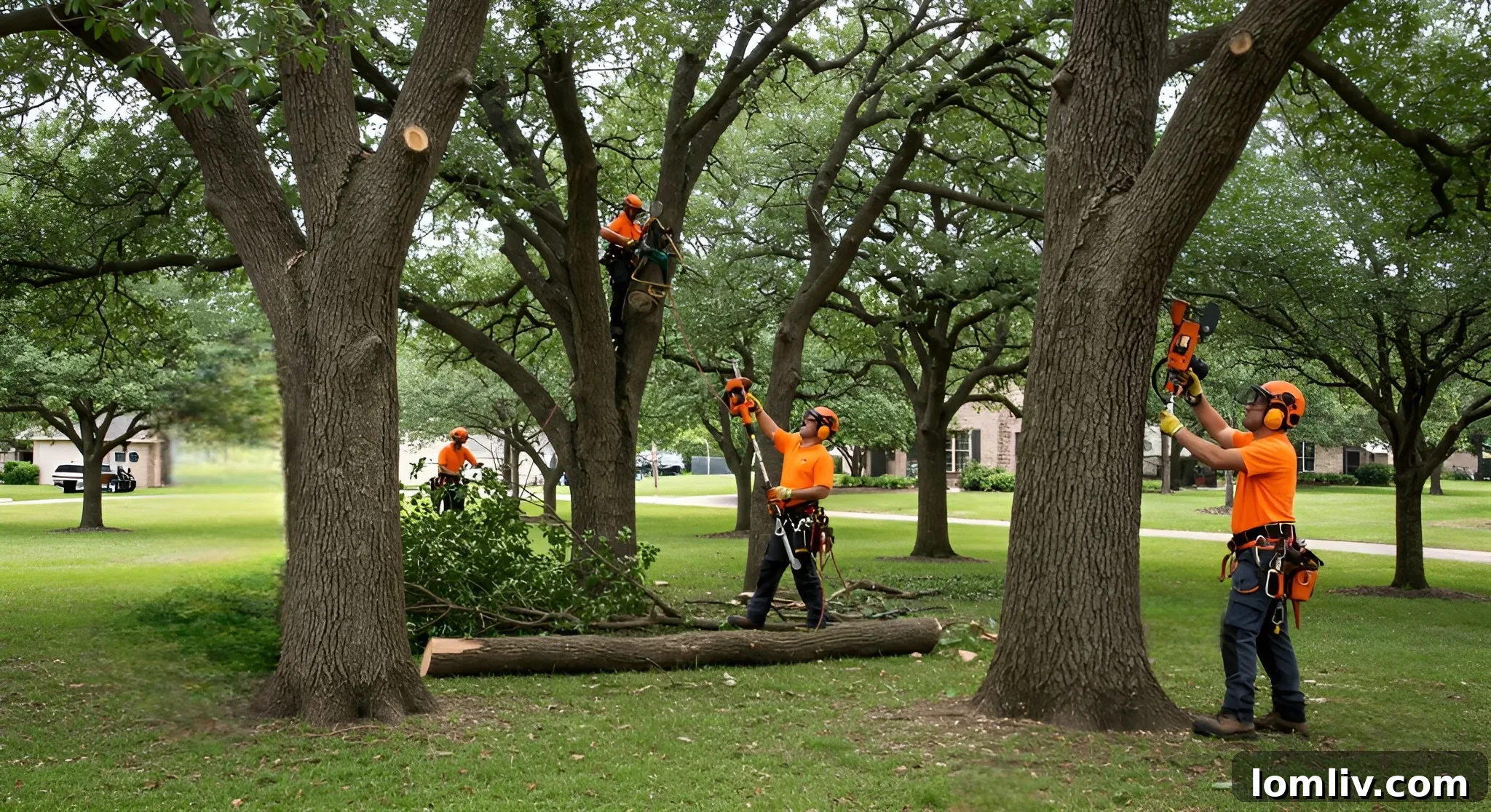
Even the most dedicated DIY gardeners can significantly benefit from the specialized expertise of professional assistance. Certified arborists and skilled turf specialists bring invaluable experience, advanced tools, and rigorous safety training that might otherwise be unavailable to homeowners. Partnering with these experts can not only save you considerable time and effort but also provide crucial protection for your significant investment in mature trees and pristine lawns across Dallas County.
Collaborating with Experienced Arborists in Dallas County
For critical tasks such as precise structural pruning, comprehensive risk evaluations, or detailed tree health inspections, licensed and ISA-certified arborists are indispensable. They ensure your trees develop securely, maintain optimal health, and remain valuable long-term assets to your property. While many residents rely on local Dallas professionals, some homeowners periodically seek professional tree care services in Dallas County for access to more extensive expertise, particularly when confronting complex tree health issues, identifying hidden stressors, mitigating potential hazards, or implementing preventative maintenance plans that safeguard both your trees and adjacent structures. Their deep knowledge of tree biology and local conditions makes them invaluable.
Selecting Reputable Lawn Care Services in Dallas County
A thriving, well-maintained turf is a foundational component of an integrated and holistic landscape design. Healthy grass plays a vital role in stabilizing the soil, particularly around the root systems of young trees, and provides a clean, verdant backdrop that beautifully complements the majestic tree canopies. For personalized mowing regimens, professional aeration, targeted broadleaf weed control, and specialized fertilization programs, look to experienced Dallas County lawn care providers. Integrating both turf and tree care services ensures balanced nutrient application and consistent moisture levels throughout your entire landscape, fostering a symbiotic relationship where all elements can flourish harmoniously.
Harmonious Integration of Trees with Hardscape and Plantings in Dallas
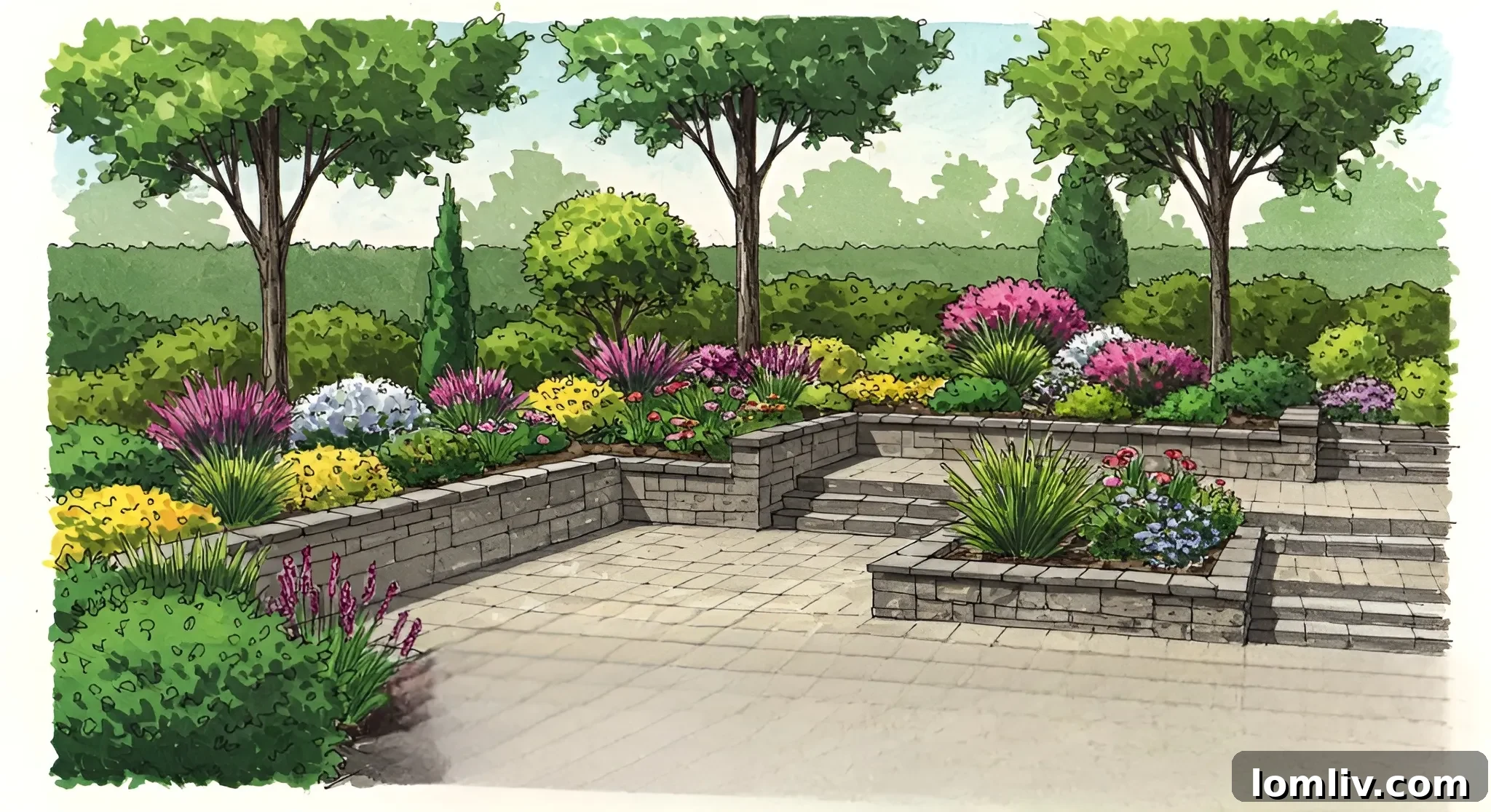
Achieving a cohesive and functional outdoor space means ensuring trees and hardscape elements coexist in perfect harmony. Thoughtful design that carefully considers tree roots, incorporates appropriate underplantings, and creates inviting “outdoor rooms” seamlessly unifies form and function, transforming your Dallas landscape into a true extension of your home.
Effective Underplantings and Groundcovers Beneath Tree Canopies in Dallas
Underplanting beneath tree canopies is an excellent way to introduce additional color, texture, and visual interest to shaded areas of your Dallas landscape. For moist, shady spots, consider shade-tolerant perennials like Ligularia, Hostas, or various ferns. In drier, shaded conditions, low-growing junipers, Liriope, or Asian Jasmine can perform exceptionally well. Groundcovers are particularly beneficial as they help reduce soil erosion, suppress persistent weeds, and maintain more consistent soil temperatures. When selecting understory plants, group them by their water and light requirements to simplify irrigation schedules. Thoughtfully designed understory layers create a soft, natural transition between the sturdy tree trunks and the surrounding turf or other landscape features, enhancing the overall aesthetic.
Designing Paths, Patios, and Tree Wells Around Sensitive Root Zones
The construction of hardscapes must always respect the vital health of tree root systems. Instead of solid concrete slabs, lay paths and walkways on a permeable base of decomposed granite or use permeable pavers to allow essential water and air penetration to the roots. When designing seating areas or patios around the base of large trees, create generous tree wells that leave at least two feet of mulch-covered soil around the trunk base. These measures are crucial for preventing root suffocation, minimizing trunk damage, and ensuring the long-term health and stability of your trees. Employing root barriers where necessary can also help guide root growth away from foundations or utility lines without harming the tree.
Creating Functional “Outdoor Rooms” Under the Shade of Your Dallas Trees
Defining distinct outdoor rooms effectively extends your living space into the natural beauty of your yard. Utilize natural stone, gravel, or even low retaining walls to designate a comfortable seating area beneath a mature tree canopy, offering respite from the Dallas sun. Enhance the ambiance by hanging string lights or lanterns from sturdy, well-placed branches. Strategically position benches, chairs, or an outdoor dining set so that the view opens onto attractive focal points, such as vibrant flowering beds, a serene water feature, or a beautifully maintained lawn. By thoughtfully combining plantings, comfortable outdoor furniture, and the natural shade provided by your trees, you create inviting spaces that encourage gatherings and seamlessly blend indoor comfort with outdoor tranquility.
Long-Term Tree Management and Vital Resources for Dallas Homeowners
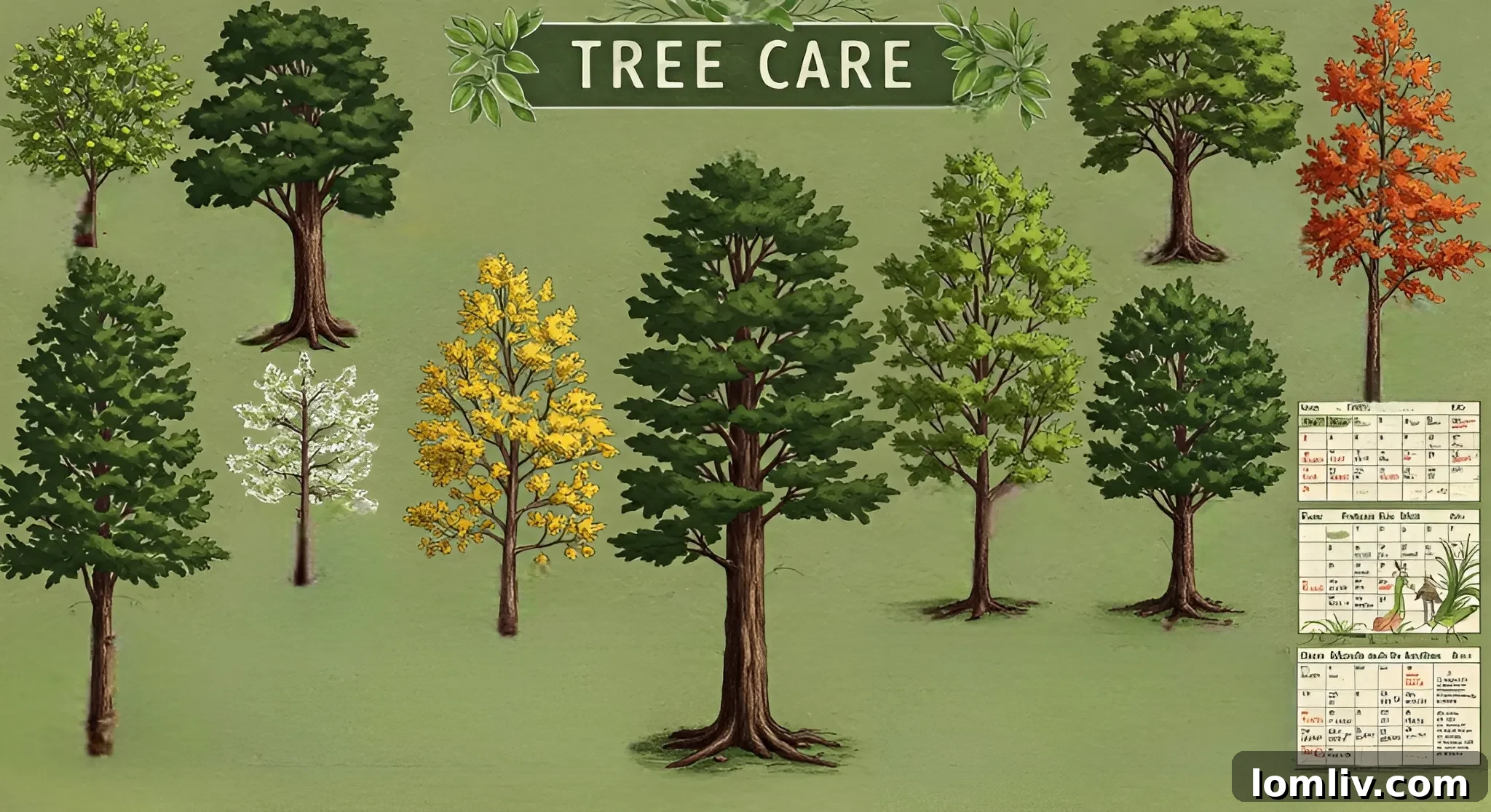
Proactive and strategic long-term planning is essential to ensure your Dallas County landscape remains healthy, attractive, and resilient as your trees mature and environmental conditions invariably change. Establishing a clear, organized schedule and a forward-thinking growth plan will help you consistently stay on track with your tree care objectives, protecting your investment for years to come.
Building an Annual Tree-Care Calendar for Dallas County Properties
An organized annual tree-care calendar is an invaluable tool for keeping all necessary tasks on schedule and ensuring the consistent health of your trees. Consider incorporating these key items into your yearly plan:
- Late Winter Pruning (January-February): The ideal time for most structural pruning, removing deadwood, shaping the canopy, and addressing crossing branches while the tree is dormant. Avoid pruning oaks during this time if possible to prevent oak wilt.
- Early Spring Feeding (March-April): If soil tests indicate a deficiency, apply a slow-release granular fertilizer to provide nutrients as new growth begins.
- Spring Inspections (April-May): Monitor for emerging pests, fungal diseases, and ensure adequate watering as temperatures rise.
- Summer Watering and Stress Check (June-August): Focus on deep watering during dry spells, especially for young trees. Look for signs of heat stress or pest outbreaks.
- Fall Mulch Refresh (September-November): Top up organic mulch around tree bases to insulate roots, retain moisture, and suppress winter weeds.
- Periodic Soil Tests (Every 3-5 Years): Conduct regular soil tests to monitor nutrient levels and pH, allowing for precise adjustments to your fertilization plans.
Planning for Canopy Growth and Future Needs of Your Dallas Trees
As trees mature, their needs and their impact on the surrounding landscape evolve considerably. It is wise to review your landscape design every five years to assess canopy spacing, light penetration, and potential conflicts with structures. Be prepared to undertake canopy thinning, selective limb removal, or add new underplantings to maintain continuous diversity and balance. Anticipate root expansion when considering any new hardscape installations or future construction. Long-term planning is absolutely vital for preserving both the structural integrity and the aesthetic balance of your entire landscape, ensuring your trees remain magnificent features for generations.
Conclusion: Cultivating a Thriving Landscape with Expert Tree Care in Dallas County
Mastering tree care and integrating it seamlessly into your Dallas County landscape design is a journey that begins with informed decisions. It involves carefully selecting adaptable tree species that are well-suited to the North Texas climate and soil, strategically siting them for optimal growth, and committing to a consistent regimen of proactive maintenance. While DIY efforts are commendable, partnering with certified arborists for complex pruning, detailed diagnoses, or comprehensive turf management often provides invaluable expertise that complements your personal dedication.
By designing with both form and function at the forefront—utilizing thoughtful underplantings, creating inviting and practical outdoor rooms beneath your tree canopies, and diligently following an annual care calendar—you lay the groundwork for a truly sustainable, resilient, and aesthetically captivating outdoor space. This holistic approach to tree care allows your trees to mature into magnificent focal points, significantly boosting your property value, enhancing environmental resilience, and enriching your everyday enjoyment of your Dallas County home.