The roof stands as one of the most critical components of any home, serving as its primary shield against the elements. Its structural integrity and condition directly impact the safety, comfort, and long-term value of your property. For prospective homebuyers, understanding the current state of a roof is paramount, as neglecting this crucial assessment can lead to significant financial burdens and unexpected repairs down the line. A thorough evaluation of the roof’s age, materials, and potential vulnerabilities is an indispensable step in the home-buying process, ensuring peace of mind and protecting your investment.
One of the first questions to ask about any existing roof is its age. Roofing materials, like all building components, have a finite lifespan. In regions like Texas, the average lifespan of a residential roof is approximately 20 years, though this can vary significantly based on material quality, installation practices, and exposure to severe weather conditions such as major storms, hail, or high winds. Understanding the remaining service life of a roof is vital for budgeting future expenses. The cost of roof replacement is a substantial investment, influenced by factors such as the roof’s size, pitch, accessibility, and the type of materials selected. Homeowners can anticipate spending anywhere from $90 to $300 per square foot for a complete roof replacement, with asphalt shingles typically representing the most cost-effective option, while materials like slate or metal roofing command a higher premium due to their enhanced durability, longevity, and aesthetic appeal.
Investing in a high-quality roof or ensuring an existing one is well-maintained is not merely about protecting your home; it’s about safeguarding your entire property and its occupants. A compromised roof can lead to a cascade of problems, from interior water damage and mold growth to structural degradation, all of which can significantly diminish your home’s value and livability. Proactive attention to your roof’s health is, therefore, a wise decision for any homeowner.
“If you run from a leaking roof you’ll end up with a flood.”
This poignant quote underscores a fundamental truth about home maintenance: ignoring minor issues often leads to major catastrophes. A small, seemingly insignificant roof leak can quickly escalate into widespread water damage, affecting ceilings, walls, insulation, and even electrical systems. The cost of repairing the collateral damage from a neglected leak almost always far exceeds the cost of addressing the initial roofing problem. This highlights the critical importance of timely intervention and professional roof inspections.
The Indispensable Role of a Professional Roof Inspection
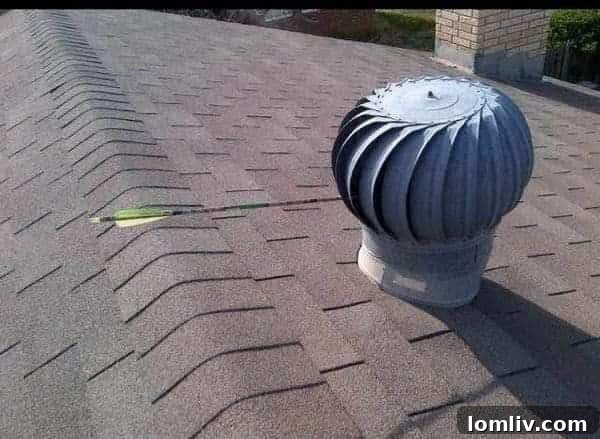
When purchasing a home, or even performing routine maintenance, securing a qualified and thorough roof inspector is non-negotiable. A good home inspector specializing in roofing will not merely observe the roof from the ground with binoculars. For a truly accurate assessment, they must physically walk the roof, carefully examining every shingle, flashing, vent, and chimney. This hands-on approach allows for the detection of subtle damages, loose fasteners, or early signs of wear that are invisible from below. In cases where the roof pitch is too steep or the roof material is too fragile to walk on safely, modern drone inspection technology offers an excellent alternative, providing high-resolution imagery and video that can reveal critical issues without risk to the inspector or the roof itself. Without such a detailed examination, understanding the true condition of the roof is akin to taking a shot in the dark, leaving you vulnerable to unforeseen problems.
A comprehensive roof inspection goes beyond just spotting visible damage. It assesses the overall health of the roofing system, including its underlying structure, ventilation, and drainage. Inspectors look for signs of inadequate ventilation, which can lead to premature aging of shingles and increased energy costs due to heat buildup in the attic. They also evaluate the condition of gutters and downspouts, ensuring they are clear and properly channeling water away from the foundation. The presence of moss, algae, or mildew can also indicate underlying moisture issues or a need for cleaning and treatment. A professional inspector provides an objective evaluation, offering peace of mind or, if issues are found, providing a clear roadmap for necessary repairs or replacement, empowering you to make informed decisions about your property.
Decoding Common Roof Problems: What to Look For
Understanding common roof problems is essential for any homeowner. While professional inspectors are crucial, being aware of potential issues can help you identify problems early and seek timely assistance.
This video provides an excellent visual example of damage that can easily be overlooked from ground level. Here, we observe significant wind damage, characterized by shingles that are flapping or lifted, exposing the underlying roof decking. This type of damage is not merely cosmetic; it creates direct pathways for water intrusion, which likely means that water damage to the decking, insulation, and possibly the interior of the home has already occurred or is imminent. Such issues demand immediate attention from a qualified roofing contractor to prevent further deterioration and costly repairs.
Wind Damage and Its Repercussions
Wind damage is one of the most common causes of roof problems, especially in storm-prone areas. High winds can lift, curl, tear, or even completely detach shingles. When shingles are lifted, their seals are broken, making them vulnerable to further damage and allowing water to penetrate. Granule loss, visible as bare spots on shingles, is another common sign of wind or hail damage, reducing the shingle’s ability to protect against UV rays and moisture. Beyond individual shingles, strong winds can also damage flashing around chimneys, skylights, and vents, compromise gutters, and even cause structural damage to the roof decking if the forces are extreme. Regular post-storm inspections are vital to catch these issues before they lead to more significant problems.
Flashing and Venting: Critical Details Often Overlooked
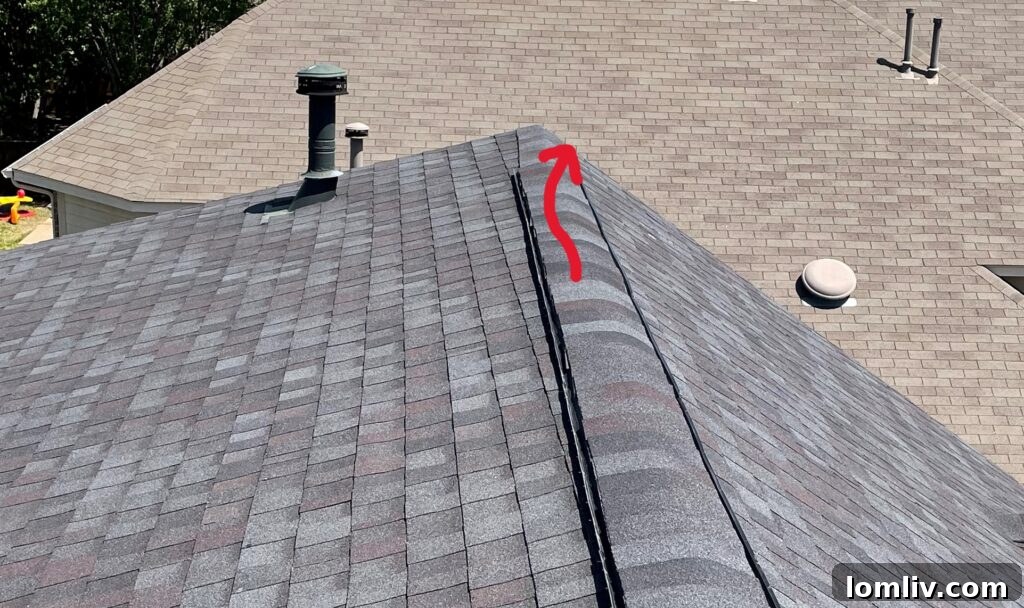
Beyond the main roofing surface, flashing and vents are crucial elements that require meticulous installation and regular inspection. In the image above, one might observe a roof vent where the installation line veers noticeably to the right, indicating a misalignment or improper sealing at the critical juncture where the vent meets the roof plane. This kind of error, potentially due to a roofer experiencing a bout of vertigo or simply rushing the job, creates a prime opportunity for water intrusion. Roof vents are designed to allow proper attic ventilation, preventing moisture buildup and regulating attic temperature, which in turn extends the life of the roof and improves home energy efficiency. When improperly installed, they become weak points, allowing rain, snow, and even pests to enter the attic space. A simple call to the original installer, if within a warranty period, could resolve such an issue swiftly and prevent future water damage.
The Importance of Proper Ventilation
Effective roof ventilation is critical for maintaining the health of your entire roofing system and home. Proper ventilation helps regulate attic temperature, preventing excessive heat buildup in summer that can prematurely age shingles and drive up cooling costs. In winter, it helps prevent moisture accumulation, which can lead to condensation, mold growth, and rotting of structural components. Vents, whether ridge vents, soffit vents, or static vents, must be correctly sized, placed, and installed with proper sealing to perform their function without creating vulnerabilities for water leaks. Gaps, misalignments, or insufficient sealing around vents are common causes of leaks that are often difficult to trace until significant damage has occurred.
Electrical Service Drops: A Safety Concern
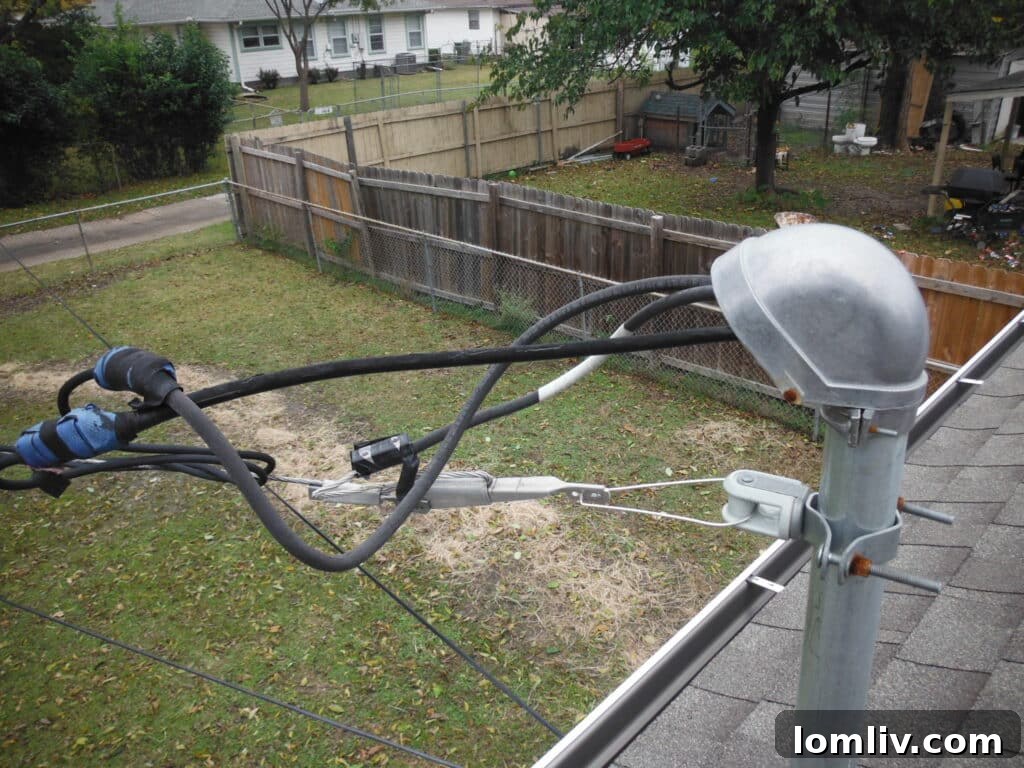
Another essential element often found traversing or near your roof is the electrical service drop – the point where the municipal power lines connect to your home’s electrical system. This critical connection requires precise and safe installation. The image illustrates a common installation error: the service drop hood, designed to protect the electrical conduit from moisture, is pointed upwards. This orientation allows rain, snow, and debris to flow directly into the conduit, potentially compromising the electrical wiring. Water infiltration into electrical conduits can lead to dangerous short circuits, corrosion of wiring, power outages, and even a significant fire hazard. Proper installation dictates that the hood should always be pointed downwards, creating a drip loop that prevents water from entering the service mast and conduit. Identifying and rectifying such electrical hazards is not just a matter of roof integrity but, more importantly, a crucial safety measure for the entire household. Any concerns regarding electrical components on or near your roof should be addressed immediately by a licensed electrician and, if it impacts the roof’s seal, a professional roofer.
Beyond These Issues: Other Common Roof Problems
While wind damage, vent issues, and electrical connections are vital, other common problems homeowners face include:
- **Clogged Gutters:** Overflows can cause water to pool around the foundation, damage fascia boards, and accelerate shingle deterioration.
- **Moss and Algae Growth:** These can trap moisture against the shingles, leading to decay, granule loss, and a shortened roof lifespan.
- **Hail Damage:** Often invisible from the ground, hail can bruise shingles, leading to granule loss and weakened spots that become leak points over time.
- **Damaged or Missing Flashing:** The metal strips around chimneys, skylights, and valleys are critical for directing water. If bent, rusted, or poorly installed, they are prime leak sources.
- **Punctures or Penetrations:** Caused by falling branches, foot traffic, or satellite dish installations, these create direct openings for water.
As with every other vital system in your house, the roof requires periodic attention and proactive maintenance to ensure its longevity and performance. Regular visual checks from the ground can help you spot obvious problems, but a professional inspection should be conducted annually or bi-annually, especially after severe weather events. If your roof is approaching the end of its typical lifespan, showing signs of advanced wear, or if you suspect it has sustained storm damage that’s not immediately apparent, it is imperative to call a reputable roofing contractor to perform a thorough and professional inspection. Early detection and repair of roofing issues are the most effective ways to protect your home, preserve its value, and avoid costly, extensive repairs in the future.