The global health crisis that swept across the world in early 2020 left an indelible mark on daily life, international travel, and public consciousness. As nations grappled with an unprecedented pandemic, the ripple effects were felt keenly by travelers caught in the initial wave of uncertainty and rapidly changing policies. Among these were Robbie and Molly Terry, Lakewood residents whose return from southern Italy in mid-March became a vivid testament to a global system unprepared for the escalating crisis. Their experience at Dallas/Fort Worth International Airport (DFW) highlighted a widespread lack of readiness, not just within the airline industry but across all levels of governance and information dissemination.
The Terrys’ story is not an isolated incident; it mirrors countless narratives of individuals navigating a world thrown into disarray. It underscores the critical importance of clear communication, decisive leadership, and robust contingency planning during times of crisis. By delving into their not-so-excellent adventure, we can unearth crucial lessons about personal resilience, the consequences of information vacuums, and the collective challenges faced when global systems falter.
Should We Stay or Should We Go? The Perilous Decision to Travel
Robbie and Molly Terry are seasoned travelers, accustomed to meticulous planning and responsible adventuring. Their trip to Italy was born from a shared passion for cycling, eager to witness the renowned Strade Bianche bicycle race in Siena. They had meticulously arranged to meet friends in southern Italy for what promised to be a memorable few days. However, as their departure date approached, a new and ominous presence began to dominate international headlines: the novel coronavirus, initially concentrated in northern Italy by the end of February.
The emerging news prompted the Terrys to reconsider their plans. Responsible as ever, they contacted American Airlines to inquire about their options. The response was unequivocal and financially stringent: if the flight was scheduled to depart, their tickets were non-refundable. Despite a Level 3 travel advisory being in place on their departure day, March 3rd, the airline’s internal systems seemingly did not reflect the gravity of the situation. “It went to Level 4 for northern Italy overnight,” Molly recalled. “We called American Airlines and were told this level was not in their information system — despite it being in the CDC system. The message was clear and it was ‘Go, or lose your money.’” Faced with the prospect of forfeiting their significant investment, and reassured by friends already in the seemingly unaffected south, the Terrys made the difficult decision to proceed, hoping for a brief, uneventful trip. They arrived on March 4th, spent a night, and then headed further south, into what they hoped would be a safe haven.
Everything Was Normal Until It Wasn’t: The Shifting Sands of Italy
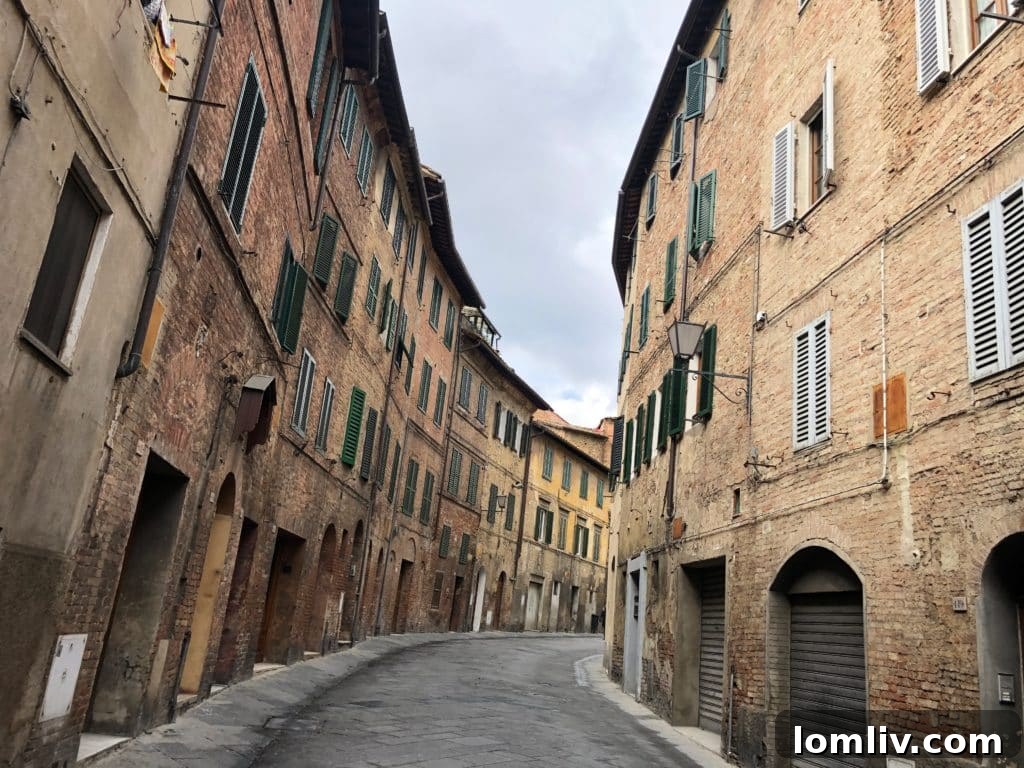
Upon their arrival in Siena on March 5th, where they joined friends in an apartment, Italy still presented a façade of normalcy. “It felt like a normal situation. The stores and restaurants were open. People were sitting in all the outdoor piazzas. Life was moving along very normally,” Molly described. The vibrant culture and daily rhythms seemed untouched by the distant whispers of a spreading virus. However, this tranquility was short-lived. Just two days before the highly anticipated Strade Bianche race, it was abruptly canceled – a stark and unsettling indication that the crisis was indeed encroaching.
The first tangible seeds of worry began to sprout during a seemingly innocuous lunch with friends from an Italian language class. One student, hailing from Seattle, shared news of the coronavirus’s growing impact in her home city, prompting discussions about returning home among the group. Meanwhile, the Terrys maintained contact with Expedia, their booking agent, seeking updates on their flight schedule, but were met with reassurances that there was “no worry.”
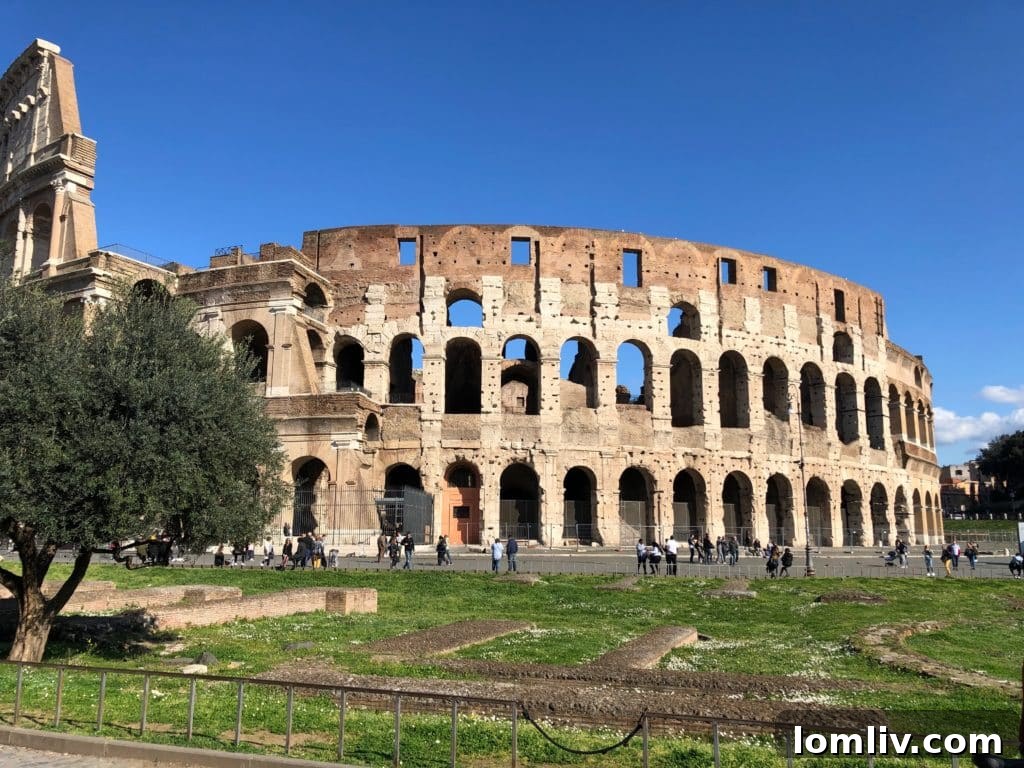
Their journey continued to reveal subtle, yet increasingly significant, shifts. On Sunday, March 9th, as they traveled back to Rome by bus, they noted the unusually sparse occupancy – only eight passengers, each deliberately spaced out. Upon reaching Rome at noon, eager to visit iconic landmarks, they found the outdoor attractions like the Coliseum and Forum surprisingly closed and fenced off. The next morning, a high-speed train ride to Salerno, en route to Amalfi, further underscored the changing reality. “It was not crowded at all,” Molly observed. “When we got off the train, it felt like something big was going on. There were men in hazmat suits looking for something or someone.” Robbie quickly deduced the reason: a connecting train from Milan had passed through Napoli, and authorities were tracing its passengers. Yet, despite these unsettling signs, the immediate surroundings of Salerno maintained an illusion of business as usual.
Returning to Rome, they made a quick trip to a local market, enjoying what they believed would be a final, leisurely evening. They took numerous photos, savoring the moments. The morning of March 10th began late, with coffee and plans for a relaxed day. It was then, around 10 AM, that the phone alert shattered their calm: their flight had been canceled.
Scrambling to Get Out of Italy: A Desperate Dash Home
The cancellation plunged the Terrys into a frantic scramble for alternative arrangements. Molly immediately contacted Expedia, who informed them that any changes would require upfront payment, with the possibility of a refund to be determined later. Their British Airways flight, booked through American Airlines as a partner, led them to contact American. The solution offered was astronomical: a direct flight home for an exorbitant $3,400. “American Airlines should have helped us and they did not,” Molly lamented, highlighting the frustration of travelers abandoned by their carriers.
The situation in Italy was rapidly deteriorating. That same day, the Italian Prime Minister announced a nationwide quarantine, confining 60 million people to their homes. Flights were being canceled not just due to lack of demand but due to the sheer impossibility of movement. Molly reached out to the U.S. Embassy for assistance, learning that flights were indeed being grounded for under-occupancy. In a desperate attempt to alert others to the evolving crisis, they even agreed to an interview with their local NBC affiliate back home, hoping to provide a real-time account of the unfolding reality.
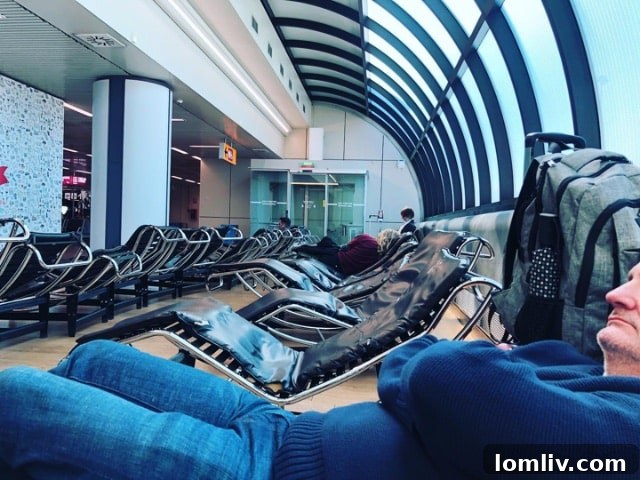
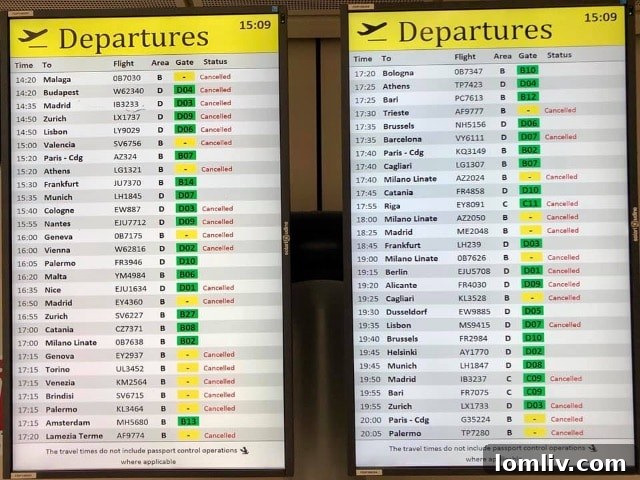
While Molly navigated phone calls, Robbie relentlessly scoured for new flights. He managed to book a flight to Brussels on Alitalia, offering a glimmer of hope. Their immediate goal: reach London to connect with their original Dallas flight. “Our entire last day was spent trying to figure a way out,” Molly recounted. “But we were back on track. We would still make our flight to London.” This fleeting sense of relief was shattered when Alitalia, too, canceled their booking.
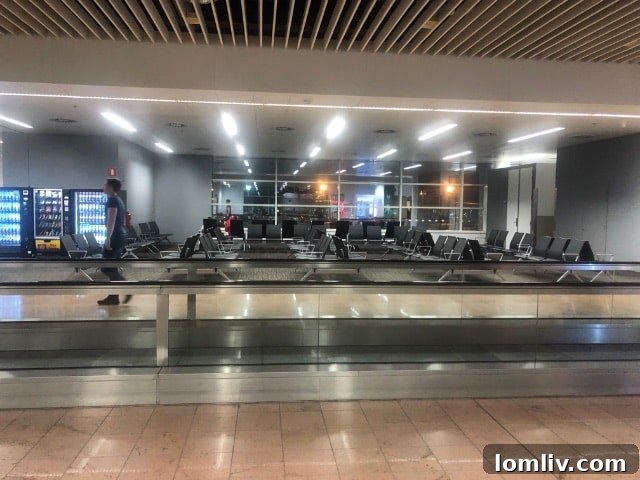
Undaunted, Robbie found another option: a flight out of Rome on Brussels Airlines that would take them to Brussels, and then onward to London. Arriving at Leonardo da Vinci airport in Rome, they were braced for chaos. To their surprise, “it was not crowded and no one was in a panic,” Molly described. “We were expecting chaos, but it was not and our flight was not crowded.” The quiet departure from Rome was an eerie calm before the storm that awaited them.
They landed in London late at night, finding Heathrow largely deserted, save for a few screeners making lighthearted jokes about the unusual quiet. As passengers needing to stay overnight, they were directed to a secure rest area. After a few hours of fitful sleep, they were roused at 5 a.m. by airport officials, who ushered everyone to the main terminal to find their gates.
Chaos at Heathrow: The Fallout of Global Announcements
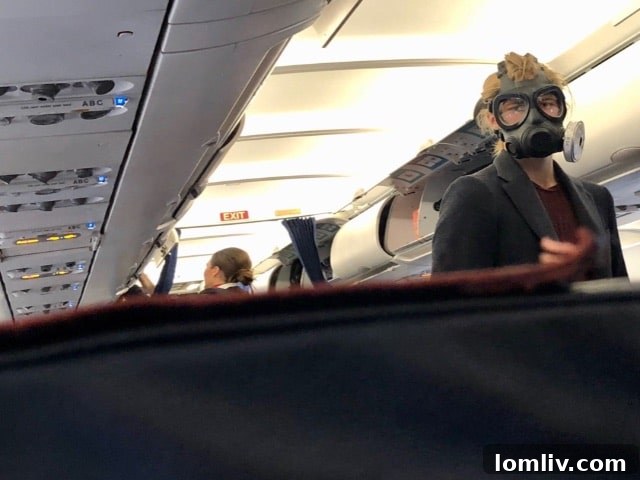
Their American Airlines flight to Dallas was scheduled for approximately 8 a.m., and they had been assured it was half-full and guaranteed to depart. However, upon reaching the terminal area, they were met with a scene of utter pandemonium. Unbeknownst to them, President Trump had delivered a critical speech around 3 a.m. London time, while most travelers were asleep. This announcement, interpreted by many Americans as a looming travel ban, triggered widespread panic among those desperately trying to return home. “It was chaos,” Molly exclaimed. Their “half-full” flight rapidly swelled to full capacity, over 300 people crammed into the aircraft. A flight attendant, exasperated, remarked, “You can thank Trump for being packed in like sardines.” The crew universally expressed their frustration at the lack of clear guidance from the government and airline, and the complete absence of any coherent plan to manage the crisis. “When you are dealing with the threat of a virus and being told not to gather in groups of 200 or more, why on earth pack a place to maximum capacity? It makes no sense,” Molly pondered, articulating the widespread bewilderment at the contradictory public health advice and travel logistics.
Despite the harrowing experience and the glaring inconsistencies, the Terrys were finally on their way home, albeit in circumstances far from ideal or safe.
Lack of Coronavirus Screening at the Airport: A Disappointing Reality
The journey’s end brought perhaps the most profound shock and disappointment. “They did not screen anyone at D/FW,” Robbie revealed, his voice laced with disbelief. Friends arriving via Newark reported an identical experience. Molly, a Global Entry holder, passed through automated customs without a single question about her recent travel, no mention of the coronavirus, and no thermal scans whatsoever. “Trump was lying about the screening of all passengers that came in on the planes that day,” Molly stated unequivocally. “No one was screened.”
Robbie, despite also having Global Entry, was flagged for a brief manual check. “The customs agent asked where I’d flown in from. I told him and he asked if I’d been to northern Italy. I said no, but on the final day we were there, all of Italy had been put under quarantine. He waved me through.” The perfunctory nature of the questioning, even for travelers from a quarantined nation, deeply troubled them. “Our country has a plan for pandemics,” Robbie asserted, reflecting a sentiment shared by many. “We just aren’t following it. The rest of the world looks to the United States for leadership and we have none right now.” This stark absence of expected protocols at a major international gateway underscored a critical failure in the initial response to the pandemic.
Self-Isolating Out of Caution: Personal Responsibility in a Void of Guidance
Upon their immediate return home, the Terrys proactively chose to self-isolate, recognizing the potential exposure they had endured. They contacted their doctor’s office, seeking guidance on testing, only to be informed that tests were unavailable. The advice they received was to proceed to the emergency room only if they developed symptoms. “And potentially spread the coronavirus — that’s nuts,” Molly exclaimed, highlighting the dangerous absurdity of the situation and the lack of accessible healthcare options for concerned citizens.
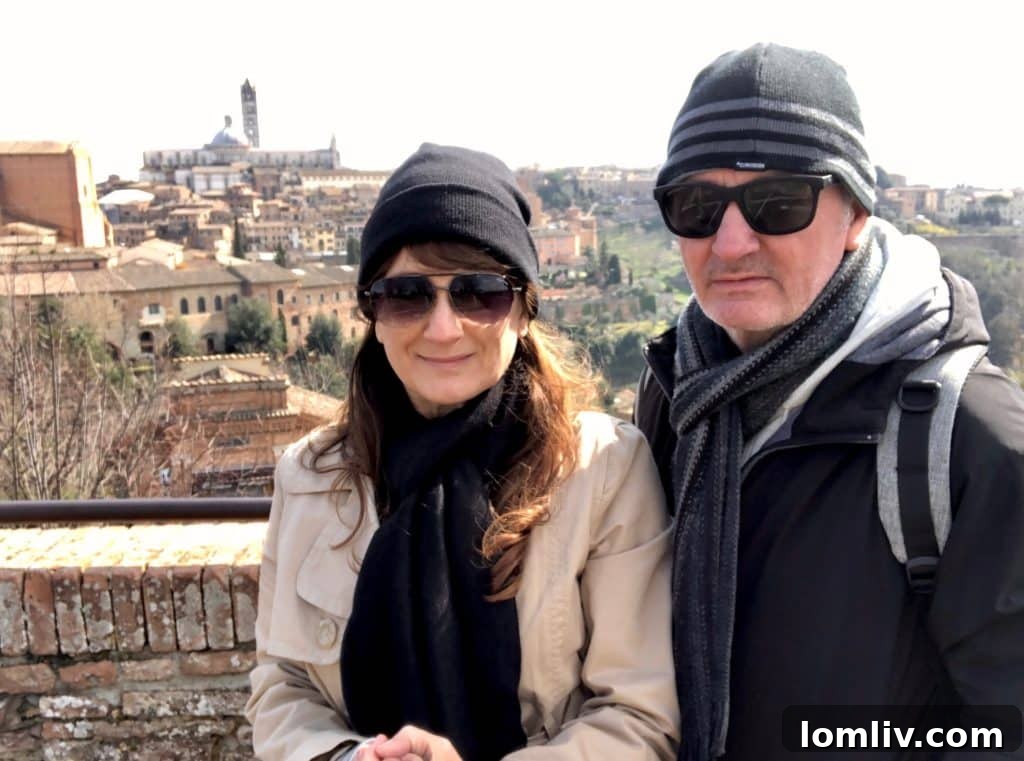
Their tumultuous adventure provided profound personal lessons. The most valuable advice the Terrys gleaned was the paramount importance of self-reliance, prudence, and having a personal plan, especially when official guidance is ambiguous or absent. “I’m an eternal optimist,” Robbie confessed. “We went because we thought it would work out. In retrospect, if American had offered a voucher good for a year we probably would have canceled. They made it very difficult and very expensive to change plans.” The rigidity of airline policies at the cusp of a global shutdown trapped many in impossible situations.
Despite the hardships and the unforeseen challenges, Molly harbors no regrets about their initial decision to travel. “We don’t regret making the decision to go,” she affirmed. “We were aware there was some risk but no one could have imagined it would unfold this way.” Their story serves as a powerful reminder of how rapidly circumstances can change, transforming a planned vacation into a desperate race against a global crisis. The Terrys’ journey from a seemingly normal Italian holiday to the chaotic, un-screened return home is a stark illustration of the early days of the pandemic—a period defined by miscommunication, unpreparedness, and the overwhelming realization that, in times of crisis, timing truly is everything.