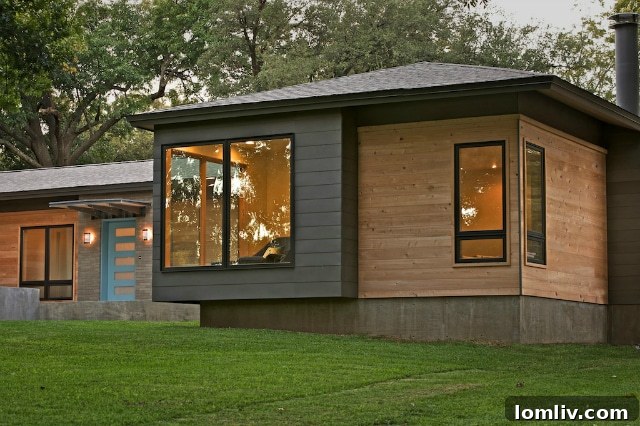
An Interview with Robert W. Raymond: Crafting Timeless and Sustainable Homes in North Texas
Welcome to our illuminating series, Interview with an Architect, where we engage with prominent figures in the North Texas architectural landscape. Through these conversations, we delve into their creative processes, explore pressing development challenges within our community, and uncover their insights into exceptional design principles and practices. Our aim is to bring you closer to the minds shaping the spaces where we live, work, and thrive. (For those who missed our previous discussion, you can read it here).
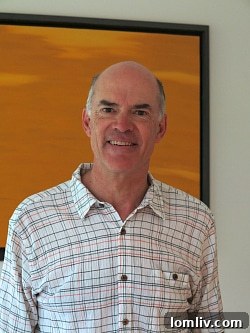
Robert W. Raymond: A Profile in Dallas Architecture
Robert W. Raymond, AIA, is a distinguished architect who brought his talents to Dallas in 1981, following the completion of his Master of Architecture degree at the prestigious University of Michigan. Since then, his professional and personal life has been deeply rooted in East Dallas, specifically within a few blocks of the iconic White Rock Lake. It was in this vibrant community that Raymond not only established his family home but also embarked on a pivotal career transition in 2000, shifting his primary focus to residential architecture. His personal venture into designing and building his own residence served as a successful and rewarding gateway into this specialized field.
Reflecting on this significant personal project, Raymond humorously notes, “The house turned out great and my wife and daughters are still speaking to me,” a testament to the intricate balance between architectural vision and familial harmony. Through his acclaimed firm, Raymond Design, he has left an indelible mark on North Texas, crafting bespoke homes in diverse and upscale neighborhoods ranging from Preston Hollow and The Peninsula to Richardson and Southlake, each bearing his distinctive touch.
Raymond’s commitment to architectural excellence and community service has been widely recognized. In 1989, he was honored with the Young Architect of the Year award by the Dallas chapter of the American Institute of Architects. His leadership extended to serving on the board of trustees for the Dallas Architectural Foundation from 2004 to 2006, where he contributed to fostering architectural education and appreciation. Furthermore, his dedication to environmental stewardship is evident through his continuous service on the board of trustees for the White Rock Lake Conservancy, a role he has passionately held from 2008 to the present day.
From Skyscrapers to Dream Homes: The Appeal of Residential Design
CandysDirt: Robert, you dedicated two decades to designing large-scale commercial structures like hotels and hospitals before making a significant pivot to residential design in 2000, starting with your own family home. What aspects of residential architecture resonate most with you, drawing you to this particular discipline?
Rob Raymond: My transition to residential architecture was driven by two compelling reasons, both of which offer a stark contrast to my previous work in the commercial sector. Firstly, and perhaps most importantly, is the profound satisfaction of overseeing a project from its nascent conceptualization all the way through to its final construction. In large corporate environments, particularly with hotels or hospitals, architectural roles are often highly specialized and compartmentalized. One might contribute significantly to a specific phase, but rarely experiences the holistic journey from the initial idea’s inception to the grand ribbon-cutting ceremony. Residential design allows me to engage with every intricate detail, fostering a deep personal connection to the evolving structure.
Secondly, and arguably the most rewarding aspect, is the unparalleled opportunity to collaborate intimately with clients on projects that are profoundly personal and cherished by them. Commercial endeavors, by their very nature, are often business transactions, necessitating a more detached professional relationship. In residential architecture, I frequently find myself working with couples to realize their dream homes. I often quip that my role is part residential architect and part marriage counselor, a lighthearted reference to the often intense, yet ultimately fulfilling, collaborative process. This close interaction allows me to genuinely get to know individuals, understand their unique aspirations, and forge meaningful connections, transforming their visions into tangible, beloved spaces.
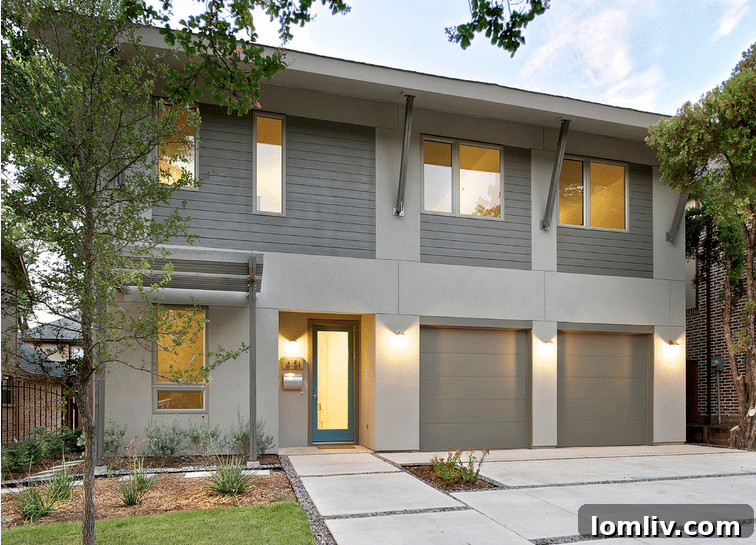
Navigating Client Visions: The Role of Digital Tools and Expert Guidance
CD: Helping clients articulate their exact desires for a home can be a complex process. How do you effectively guide them in discerning and defining what they truly want?
RR: In the contemporary design landscape, platforms like Houzz have become indispensable tools, fundamentally transforming the initial stages of design. Most prospective clients, by the time they approach an architect, have already curated extensive Houzz ideabooks. This means the starting point for design discussions is significantly more advanced than it once was. With millions of images at their fingertips, clients can communicate visual preferences with unprecedented speed and detail. However, the real art lies in making sense of any conflicting images or ideas they present. My role often involves deciphering the specific appeal of each image. Clients don’t always possess the precise architectural vocabulary to express their preferences; for instance, they might admire an image, but is it the expansive windows, or the way the natural light bathes the interior that truly captivates them? I work collaboratively with them to synthesize these disparate elements, identifying the core aspects they cherish from each image and weaving them into a cohesive, personalized composite design that truly reflects their aesthetic and functional aspirations.
“Appropriate Design”: A Blueprint for Timelessness
CD: One of your core design philosophies champions “appropriate design” over transient trends. In a marketplace saturated with fleeting styles, how can individuals achieve a truly timeless aesthetic for their homes?
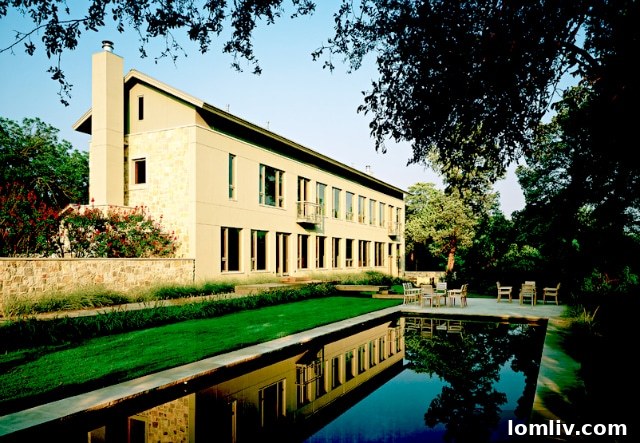
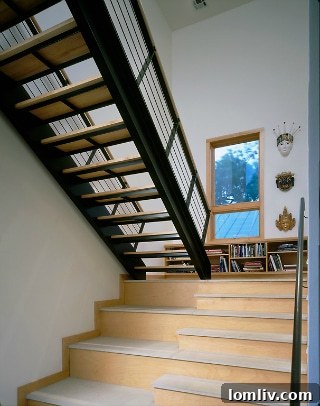
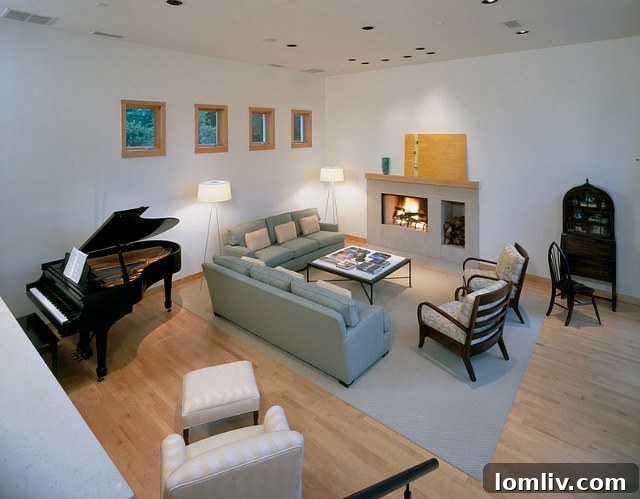
RR: Achieving a timeless look in an era obsessed with trends requires clients to be brave and confident in their choices, trusting that what they select is genuinely right for them. A significant part of my role is to convey the enduring essence of contemporary architecture and how it can be applied to their specific project. The foundation of “appropriate design” begins with the site itself. The building must be intrinsically suited to its environment, responding to its unique topography, orientation, and context. We then apply fundamental principles of architecture: considering natural light, ensuring harmonious proportion and scale, and selecting appropriate materials for both the exterior and interior that speak to durability and aesthetic longevity. By favoring simple, elegant forms, the likelihood of achieving a timeless design, rather than one that quickly dates, dramatically increases.
My two decades in the commercial world instilled in me a crucial lesson: the value of keeping building and room volumes relatively simple and adaptable. I frequently specify deeper structural members to create clear-span interior spaces, eliminating the need for load-bearing interior walls. This foresight grants immense flexibility for any future renovations or reconfigurations, allowing the home to evolve seamlessly with its occupants’ changing needs. By engineering this inherent flexibility into the basic structure, I ensure the design remains relevant and appropriate, irrespective of future eras or shifting design trends, providing enduring value and adaptability.
Championing Sustainability: Building for a Greener Future
CD: Your deep commitment to environmentalism and the pursuit of sustainable design principles is evident across all your projects. Could you elaborate on how this passion manifests in your architectural work?
RR: My interest in the environment is deeply rooted, tracing back to formative experiences like the 1973 OAPEC oil embargo and the ensuing miles-long gas lines, which highlighted the fragility of our resource supply. Beyond that, my personal life as an avid fly fisherman and a frequent hiker with my family has fostered a profound appreciation for natural systems – prairies, rivers, wetlands, and the intricate balance they maintain. This led me to extensively study the history of water, oil, and gas development, and ultimately, to a keen awareness of our renewable resources.
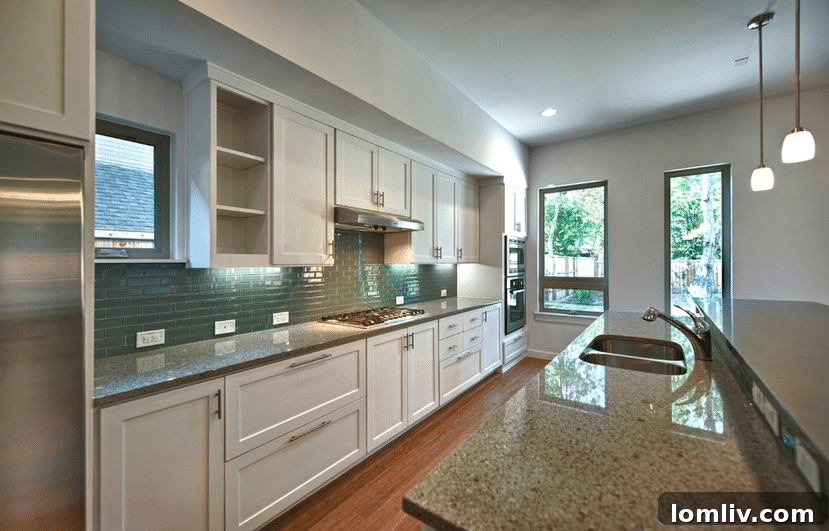
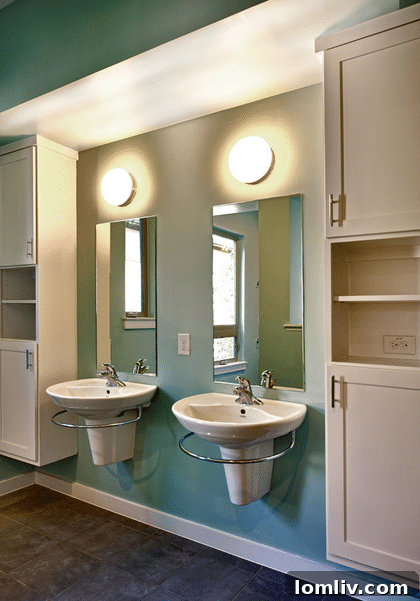
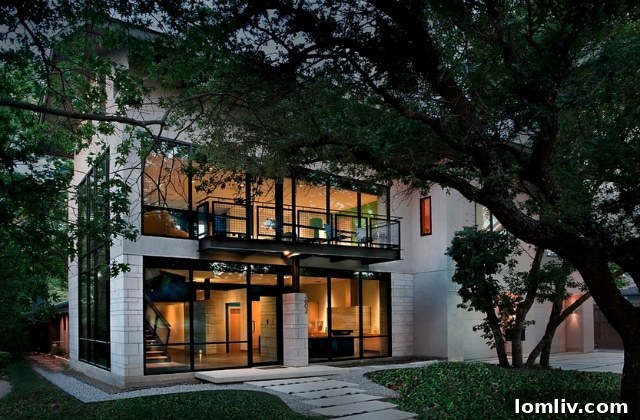
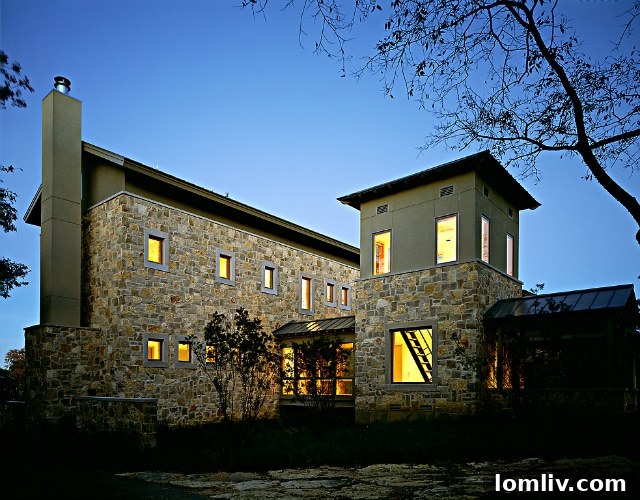
It’s clear to me that we, as a society, squander vast amounts of energy and water. While I am certainly not opposed to development, I firmly believe we must approach our decisions about resource consumption with far greater intentionality and forward-thinking. This philosophy directly informs my architectural practice. The Belmont house, which I developed and designed as a speculative project, stands as a prime example. It achieved LEED Platinum certification, a testament to its high-performance green building standards. I undertook this project because I observed a dearth of builders in Dallas offering truly green, high-performance homes at market-rate prices. The Belmont house, remarkably, was built for just $100 per square foot, demonstrating that sustainable design doesn’t necessitate prohibitive costs.
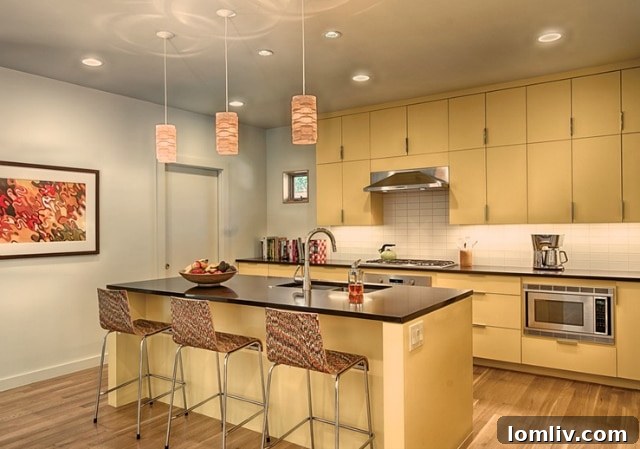
Our commitment to making Belmont a healthy home extended beyond energy efficiency. We meticulously selected materials, using paints free of VOCs (Volatile Organic Compounds) and glues without formaldehyde, ensuring a superior indoor air quality environment that met the stringent EPA IndoorAirPLUS certification standards. Outdoors, we prioritized drought-resistant, native plants, minimizing water usage for landscaping.
Crucially, sustainable design practices can often be almost invisible, seamlessly integrating into any architectural style. A significant portion of sustainability gains can be achieved at virtually no additional cost, simply by employing smart, foundational design concepts. Properly orienting a house to optimize natural light and minimize solar heat gain, ensuring large windows aren’t primarily south-facing, and incorporating strategic roof overhangs are all fundamental steps that put a project well on its way to sustainability. A critical component is also the “tightness of the envelope,” preventing air and humidity infiltration. We achieve this through meticulous sealing of exterior studs around windows, strategic application of spray foam insulation in hard-to-reach areas, and ensuring there’s no transmission of fumes or heat from garages into occupied living spaces. These practices create a more comfortable, energy-efficient, and healthier living environment for occupants.
The Art of Decision-Making: “Don’t Let Perfect Be the Enemy of Good”
CD: Your motto, “Don’t let perfect be the enemy of good,” holds particular relevance in design. How does this principle guide your approach in residential architecture, especially when working with clients?
RR: This motto is intrinsically linked with the understanding that while there might always be a theoretically “better” solution out there, practical considerations and client well-being must prevail. In our hyper-visual culture, clients are constantly bombarded with images from various sources – magazines, social media, and especially Houzz. This incessant exposure can lead to what I call “the recency effect,” where every new, captivating image a client encounters suddenly becomes an essential element they believe must be integrated into their project, often late in the design process.
Clients often don’t fully realize the sheer volume of decisions involved in designing and constructing a home. From major structural elements and exterior materials to the minutiae of light fixtures, plumbing (toilets, faucets), and even water heaters – these accumulate into thousands of individual choices. It’s a journey that demands significant time and mental energy. While focusing on current decisions is vital, it’s equally important to recognize that many more crucial choices lie ahead. This is where the motto comes into play: clients must cultivate a level of trust not only in their architect and builder but also in themselves. They need to confidently accept that they’ve made a decision for a good, sound reason, even if a slightly “more perfect” option might theoretically exist. Striving for unattainable perfection can halt progress, extend timelines, and lead to decision fatigue. Embracing “good” allows the project to move forward, leading to a beautiful and functional home that clients can truly enjoy.
Community Engagement: Giving Back to Dallas
CD: The White Rock Lake Conservancy is clearly very important to you. Could you shed more light on the vital work this organization undertakes for the community?
RR: The White Rock Lake Conservancy was established in October 2007 out of a critical need. The Dallas Parks Department faced increasing budgetary constraints, prompting them to reach out to the passionate White Rock Lake community for assistance in preserving and enhancing this cherished urban oasis. We looked to successful public-private partnerships across the country for inspiration, particularly the non-profit Central Park Conservancy in New York City. Many people are unaware that Central Park receives almost its entire operational budget from private funds, with the Conservancy itself managing the park. We aimed to model our organization after this highly effective approach.
The City of Dallas provided us with a comprehensive “top-ten list” of projects deemed essential for the lake’s improvement. These initiatives include vital trail upgrades to enhance recreational access, the meticulous restoration of the historic stone tables, the complete reconstruction of dilapidated fishing piers, and the rebuilding of the Dreyfuss Club, which tragically burned down in 2006. Our primary goal as the Conservancy is to actively facilitate and support the implementation of these crucial projects, ensuring White Rock Lake remains a vibrant asset for generations to come.
Beyond architecture, another area of profound personal interest and community involvement for me is the Dallas educational system and the mentoring of at-risk youth. My wife and I have been deeply engaged in supporting education reform efforts throughout Dallas, collaborating with impactful organizations such as Commit!, DallasKidsFirst, and Uplift Education, which operates numerous charter schools across the DFW metroplex. Furthermore, we have dedicated over six years to volunteering with Big Brothers Big Sisters, serving both as “Bigs” and as donors to BBBS of North Texas. BBBS has commendably adapted its volunteer models to accommodate the diverse time constraints of potential “Bigs,” yet there remain significant numbers of children on waiting lists eagerly seeking mentors.
I’m particularly proud that my “little brother” is graduating from high school this year—a truly monumental milestone, considering we were matched when he was in sixth grade. It has been an incredibly fantastic and meaningful experience. I bring this up for two crucial reasons: Firstly, one of the other architects you interviewed insightfully highlighted that while Dallas is constantly improving, its public education system must evolve concurrently with physical infrastructure enhancements. He is absolutely correct. Secondly, it underscores a fundamental truth: human capital is just as, if not more, vital as financial and physical capital in fostering a truly thriving and equitable city.
Architectural Inspirations: Dallas’s Best Buildings
CD: From your extensive experience, what stands out as your favorite building in Dallas, whether residential or commercial, and what draws you to it?
RR: My favorite commercial building in Dallas is undoubtedly the Dallas City Performance Hall, strategically located across from Booker T. Washington High School for the Performing and Visual Arts in the Arts District. My wife and I frequent concerts there, and I am consistently captivated by its design. The architect masterfully employs concrete, a material often perceived as cold, and juxtaposes it with the warmth of wood to forge an incredibly inviting and acoustically rich environment. The authenticity of the materials, the captivating visual texture created by the wood, the sleek black steel handrailings, and the precise black aluminum curtain wall all contribute to a magnificent composition. What I particularly appreciate is its unpretentious honesty; it’s not overly ornate or “fussy.” While I also admire the Winspear Opera House, it is, in contrast, a more tightly detailed and perhaps less “honest” building than the Performance Hall, which resonates more deeply with my aesthetic values.
When it comes to residential architecture in Dallas, anything designed by Cliff Welch invariably captures my admiration. Each of his houses, though distinctly unique, clearly emanates from a cohesive family of design ideas. Cliff is not only a friend but also someone whose work I frequently cite as a profound source of inspiration. Despite being younger than me, I consider him a significant mentor, continually pushing the boundaries of residential design with his thoughtful and innovative approach.