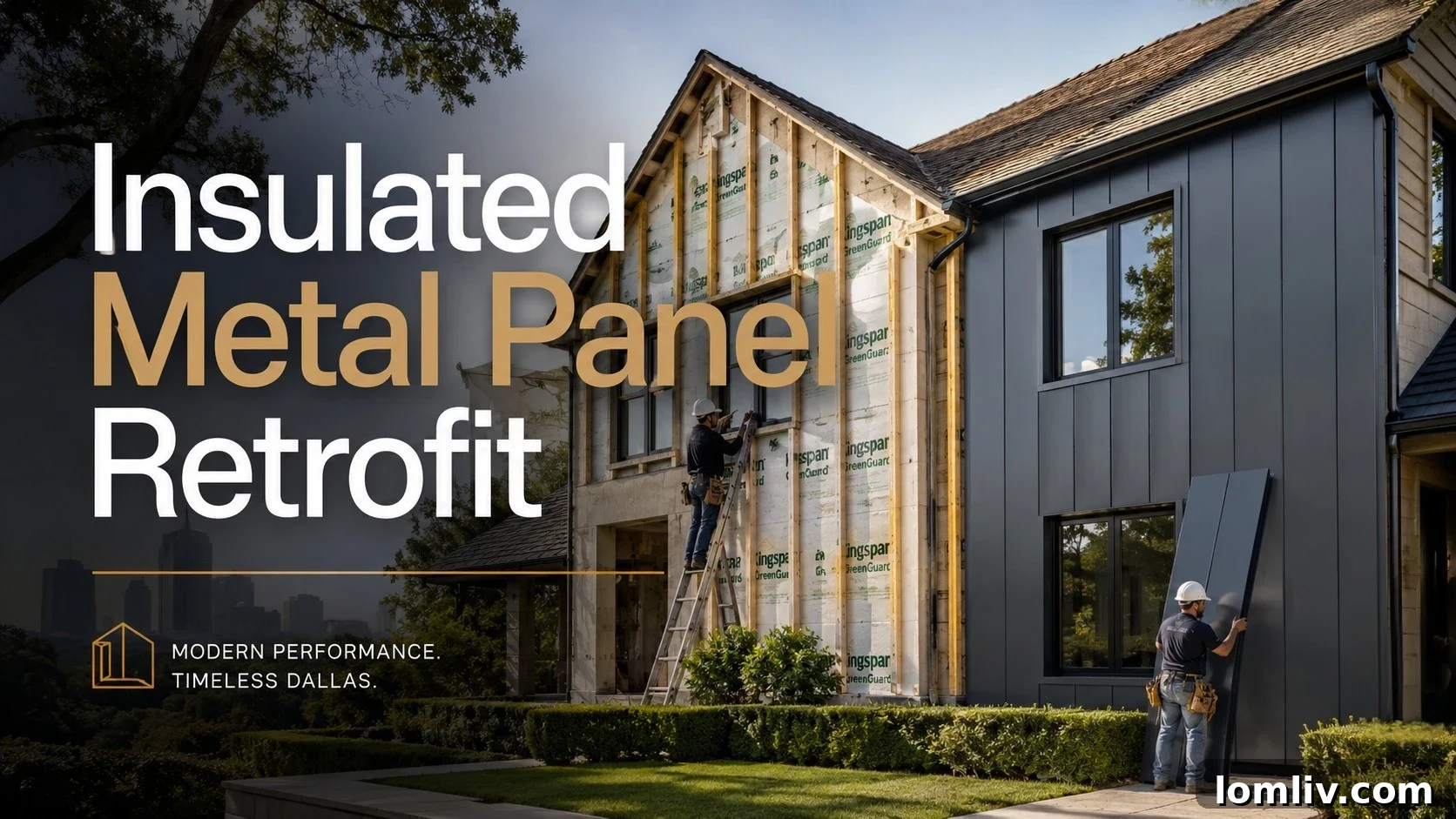
Retrofitting an older home can significantly improve energy efficiency, increase comfort, and extend the building’s useful life. Many older houses were constructed before modern insulation and air-sealing practices became standard. As a result, they often experience heat loss, higher utility bills, drafts, and uneven indoor temperatures. Homeowners seeking to modernize these properties commonly look for durable retrofit solutions that avoid full-scale reconstruction.
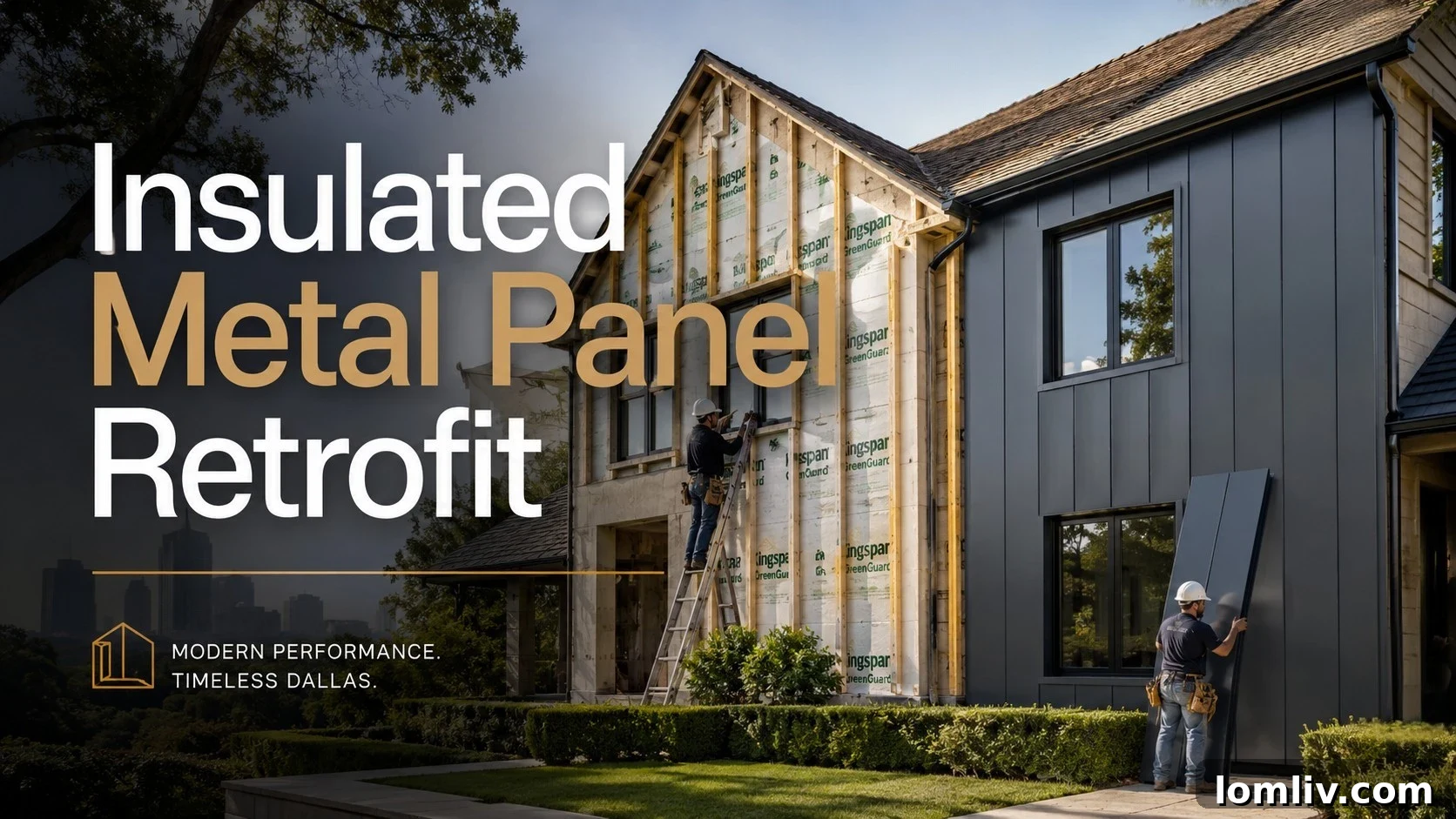
Insulated metal panels are one practical option for such retrofits. These systems pair metal exterior skins with a continuous insulating core, improving thermal performance, weather resistance, and the exterior appearance. When specified and installed correctly, insulated metal panels can convert an older house into a more energy-efficient, durable, and attractive property.
Assessing Existing Building Conditions
A thorough evaluation of the existing building is the essential first step. Older homes may show signs of moisture damage, decayed siding, structural movement, or inadequate insulation. Spotting these conditions early allows homeowners and contractors to address repairs before new materials are applied. A detailed inspection reduces the risk of hidden problems that could compromise retrofit performance.
Understanding the original construction is equally important. Historic framing methods, wall assemblies, and exterior finishes often differ from modern practice. Documenting current conditions and taking accurate wall measurements makes it possible to design a retrofit that integrates with the structure rather than working against it.
Planning the Retrofit Design
Design choices should reflect the homeowner’s energy goals, applicable local codes, climate, and desired exterior appearance. Selecting an appropriate panel thickness, insulation value, and attachment method will directly affect thermal performance and building longevity while helping retain the property’s character.
Pay special attention to openings and transitions—windows, doors, roof edges, corners, and other junctions are frequent sources of air leakage and water intrusion when not detailed properly. Clear drawings, specifications, and installation guidance are vital to keep workmanship consistent and ensure the retrofit functions as intended.
Preparing the Home Exterior
After the design is finalized, prepare the exterior surfaces. Damaged or unstable cladding usually needs removal, though sound, flat siding can sometimes remain if it does not interfere with panel attachment. The best approach depends on the home’s condition and the retrofit team’s recommendations.
Preparation commonly includes repairing framing, sealing gaps, installing or improving flashing, and addressing moisture-management details. Proper preparation establishes a stable substrate for the new panels and enhances the long-term performance of the wall system. Investing time in these steps before installation improves durability and reliability.
Installing the Panel System
Installation typically begins with support framing or attachment components that secure the panels to the structure. Accurate alignment is critical because small errors can affect both aesthetics and performance. Professional installers use precise measurements, layout lines, and specialty tools to keep panels level and consistently positioned.
Sealing joints, fasteners, and transitions is equally important to protect the home from air and water intrusion. Properly sealed connections support thermal efficiency and weather resistance. Many homeowners prefer insulated metal panels because they combine insulation and cladding in a single system, reducing the number of separate exterior layers required.
Improving Energy Efficiency
Enhancing energy performance is a primary benefit of modern panel systems. Older walls with little or no insulation allow significant heat transfer, raising heating and cooling demands. Adding a continuous layer of insulation with higher thermal resistance minimizes energy loss and helps maintain more stable indoor temperatures.
Reducing air leaks is another major advantage. Properly installed insulated metal panels create a more continuous exterior barrier, lowering drafts and improving comfort. Over time, these improvements reduce energy use and can represent a practical long-term investment for homeowners.
Managing Moisture and Ventilation
Controlling moisture is essential in any exterior retrofit. Older homes may already be vulnerable because of aging materials, outdated detailing, or prior water damage. A successful wall assembly directs bulk water away from the building while allowing vapor and incidental moisture to be managed safely.
Ventilation must also be considered. Tightening the building envelope improves efficiency but can require upgraded ventilation to maintain healthy indoor air quality. Balancing insulation, air sealing, moisture control, and ventilation creates a comfortable interior environment and protects the building fabric from long-term deterioration.
Preserving Architectural Character
Many owners of older homes want to preserve the property’s architectural character during upgrades. Insulated wall panels come in a variety of finishes, textures, profiles, and colors, offering flexibility to complement traditional details while delivering modern performance.
Thoughtful design choices help new materials harmonize with existing features. Consider window trim, rooflines, porches, and other defining elements when planning the retrofit. With careful detailing, homeowners can improve performance without sacrificing the home’s visual identity.
Conclusion
Retrofitting older homes with insulated metal panels can deliver measurable gains in energy efficiency, comfort, durability, and exterior protection. A successful retrofit begins with a comprehensive assessment, followed by careful planning, proper surface preparation, and skilled installation.
By focusing on continuous insulation, air sealing, moisture management, and appropriate ventilation, homeowners can create a more efficient, comfortable home while retaining its original style. Done well, this approach adds lasting value and improves day-to-day performance for older properties.