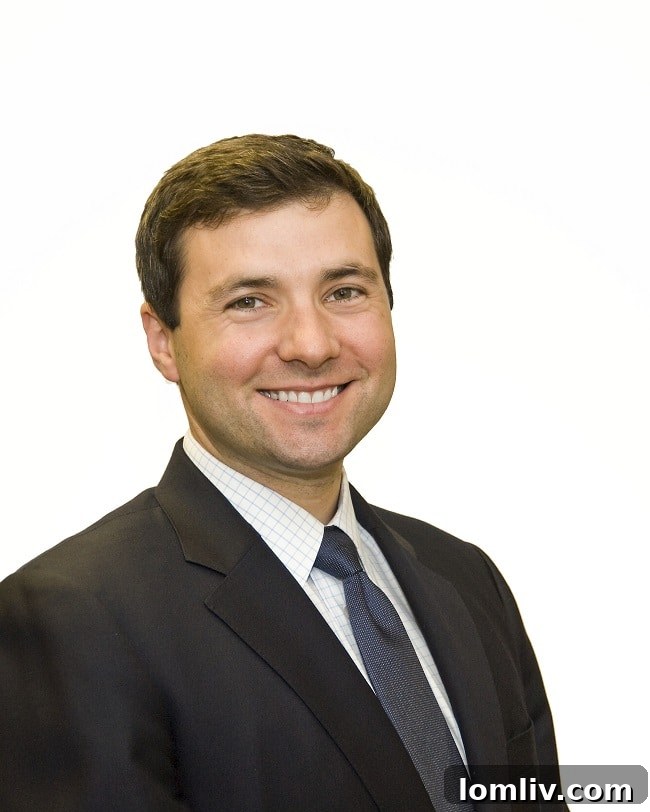
Tony Ruggeri and Republic Property Group: Pioneering Master-Planned Communities for the Modern Era
In the dynamic and ever-evolving landscape of real estate development, certain individuals and organizations stand out for their visionary approach and commitment to innovation. Tony Ruggeri, co-president of Republic Property Group, is undoubtedly one such leader. Under his guidance, Republic Property Group has become synonymous with some of North Texas’s most thoughtfully designed and successful master-planned communities, including Lantana, Phillips Creek Ranch, and the highly acclaimed Light Farms. Their distinctive methodology, particularly in anticipating and responding to the unique demands of the millennial generation, has positioned them as true pioneers in the industry.
The significance of their forward-thinking work was prominently showcased at the Urban Land Institute’s (ULI) Fall 2014 meeting, held at the prestigious Javits Center in New York City. This pivotal event, a global convergence of the real estate industry’s most influential minds, provided a platform for Tony Ruggeri to present groundbreaking insights. At just 33 years old, Tony made history as one of the youngest developers ever, and the first representative from Republic Property Group, to address this esteemed international assembly. His participation underscored the widespread recognition of Republic Property Group’s innovative strategies and the profound influence they were already exerting on contemporary community design. The ULI conferences are renowned for fostering dialogue among leaders and showcasing cutting-edge ideas, with the Fall 2014 meeting further elevated by a closing keynote from intellectual giant Walter Isaacson. To be a featured speaker amidst such distinguished company is a testament to Ruggeri’s remarkable vision and leadership within the real estate sector.
Understanding the Millennial Buyer: An Inside Perspective
A cornerstone of Tony Ruggeri’s impactful ULI presentation was a deep dive into “How to sell to millennials by a millennial.” This topic perfectly encapsulated his unique position and expertise, offering invaluable insights into a demographic often misunderstood by traditional developers. The millennial generation, with its distinct values, economic realities, and evolving life stages, represents not just a market segment but the future core of the housing market. Tony, collaborating closely with his partner Jake Wagner, masterfully applied this nuanced understanding to the development of Light Farms, conceptualizing one of the nation’s most innovative and family-centric communities.
Light Farms is far more than a residential development; it’s a sprawling 908-acre master-planned community meticulously designed as an integrated ecosystem, specifically crafted to align with the aspirations of young families. A significant draw is its strategic location within the highly acclaimed Prosper Independent School District, a paramount consideration for families prioritizing quality education. Beyond superior schools, Light Farms champions a comprehensive green living philosophy, integrating vast natural open spaces, an extensive network of hike and bike trails, and dynamic community programs that actively foster neighborly interaction and a deep connection to the natural environment. This holistic approach, promoting an active, outdoor-oriented lifestyle and strong community bonds, has ignited an unprecedented surge in sales, particularly for homes exceeding $200,000.
Indeed, Light Farms has swiftly emerged as the quintessential standard for millennial-focused living across North Texas. It vividly demonstrates a compelling demographic trend: as millennials transition into parenthood, they are increasingly gravitating from densely populated urban centers, such as Dallas’s Uptown district, towards thoughtfully designed communities that offer space, top-tier educational opportunities, and a profound sense of belonging and community. Light Farms exemplifies how innovative development can cater precisely to these evolving family needs, creating vibrant, sustainable environments where modern families can truly thrive.
Republic Property Group at ULI: “Best New Communities 2014”
Republic Property Group’s innovative strategies and remarkable successes earned them a distinguished role at the ULI conference, where they were selected as one of three leading developers to host a panel session titled “Best New Communities 2014.” This session served as a critical forum to explore the nuanced strategies that defined successful master-planned communities in the wake of the 2008 financial crisis, with a particular emphasis on effectively engaging the millennial demographic. Tony Ruggeri played a central role in this vital discussion, sharing granular details and quantifiable outcomes that illuminated Republic Property Group’s pioneering development methodology.
The panel rigorously examined several crucial components vital to modern community development:
- Holistic Development Strategies: An in-depth analysis of the integrated design principles, meticulous development execution, strategic amenity selection, innovative marketing campaigns, robust financing models, and collaborative partnership strategies that collectively ensured the triumphant launch and sustained expansion of their communities. This encompassed understanding the intricate interplay of each element to create a cohesive and deeply appealing residential offering.
- Strategic Market Positioning: A detailed exploration of how these new master-planned communities (MPCs) were deliberately positioned to differentiate themselves from existing developments. This involved shrewdly identifying underserved market segments, capitalizing on distinct competitive advantages, and cultivating a compelling brand identity that resonated powerfully with their target homebuyers.
- Defining “Lifestyle” for the Future: A forward-looking discussion on the evolving ingredients necessary to craft a truly desirable “lifestyle” both in 2014 and beyond. This transcended traditional amenity packages, delving into the importance of dynamic community programming, seamless technological integration, and the cultivation of an authentic sense of place and profound belonging.
- Post-Recession Financial Resilience: Practical insights into the adaptive strategies and innovative approaches developers employed to successfully navigate the economic challenges of the post-recession era, ultimately achieving sustained profitability in large-scale development. This included adaptable business models, proactive risk mitigation techniques, and creative financing solutions that secured project viability and success.
Tony was joined on this esteemed panel by fellow industry luminaries: Laura Cole, Vice President of Willowsford LLC (Ashburn, VA), representing the highly acclaimed Willowsford community in Loudoun County, VA; and Tom Martin, Vice President of Five Point Communities (Aliso Viejo, CA), recognized for his significant contributions to the transformative Great Park development in Irvine, CA. The collective wisdom and diverse experiences shared during this session provided invaluable lessons for developers committed to building communities that are not only economically robust but also profoundly responsive to the evolving aspirations of today’s homeowners.
Technology and Innovation: The Digital Weave of Modern Living
In a candid conversation preceding his ULI presentation, Tony Ruggeri emphasized Republic Property Group’s unwavering commitment to integrating innovation and technology throughout the development process. He highlighted that a substantial portion of their work at Light Farms was uniquely dedicated to harnessing technological advancements, a pioneering approach for a developer at the time. This focus extended beyond mere smart home features; it aimed to fundamentally enhance the homebuying experience and cultivate a more vibrant, connected community through digital means. Their goal was to make the process of finding and living in an ideal community more intuitive and engaging.
A standout example of this innovative spirit was the creation of interactive site plans. These sophisticated digital tools fundamentally empowered prospective homebuyers, allowing them to actively engage with the community’s layout and dynamically explore parameters that were most important to them. With effortless mouse movements, buyers could scroll over individual lots, instantly retrieving detailed spec home photos, comprehensive floor plans, and additional pertinent information with a simple click. This unprecedented level of transparency and interactivity transformed the traditionally static and often tedious home search into an immersive, personalized journey, offering potential residents a vivid, tangible preview of their prospective lives within the community.
“Technology innovation is where we are headed, as developers,” Tony articulated, posing a pivotal question that continues to resonate and shape modern development: “But how do you fuse a digital community with an actual live community?” This fundamental inquiry perfectly encapsulates Republic Property Group’s core philosophy. They strive to leverage technology not merely as a sales mechanism, but as a robust bridge to fortify the social fabric and enhance the practicalities of daily living within a master-planned community. This vision encompasses a broad spectrum of integrations, from bespoke community applications that facilitate neighborhood events and resident communication, to advanced infrastructure designed to support high-speed internet for remote work and education. The aim is always a seamless blend of digital convenience and genuine human connection, enriching every aspect of community life.
Unpacking the Millennial Mindset: Beyond Common Stereotypes
Tony Ruggeri offered profound and often surprising insights into the millennial generation, effectively challenging prevailing stereotypes and illuminating their genuine motivations as homebuyers. He observed that many millennials, having frequently been driven everywhere by their parents during childhood, often exhibit a distinct aversion to car-centric lifestyles. This preference translates into a significant demand for walkability and readily accessible local amenities. They prioritize convenience and a reduced carbon footprint, seeking communities where daily necessities, recreational opportunities, and social interactions are conveniently within walking or biking distance, thereby minimizing reliance on personal vehicles.
Moreover, millennials frequently display a keen appreciation for history and a longing for nostalgia, often drawing inspiration from their grandparents’ generation. This yearning for authenticity manifests as a strong preference for locally owned shops, vibrant community gardens, and distinctive gathering spaces that possess a genuine, established character, rather than generic chain stores or overly manicured, artificial environments. They consistently seek substance over superficiality, desiring a deep connection to local culture and an innate sense of place that genuinely resonates with their values and aspirations.
Tony’s candid remark, “no more golf course communities,” serves as a powerful illustration of this generational shift. Instead of exclusive, often inaccessible, golf courses, millennials overwhelmingly prioritize active lifestyles and desire spaces that facilitate movement, walking, and direct engagement with their surroundings. Expansive community trails, integrated fitness programs, and multi-functional parks that naturally serve as gathering points are significantly more appealing. This inherent pursuit of an active, integrated lifestyle forms a fundamental pillar of their housing choices and community preferences.
And, as Tony succinctly put it, “no duh: they live on the internet.” This seemingly obvious statement carries profound implications for the real estate sector. “I challenge you to find a buyer who doesn’t go house hunting online,” he asserted. As digital natives, this generation conducts exhaustive online research, expects comprehensive digital information, and often forms initial impressions and preferences long before physically visiting a sales office. Consequently, developers must provide robust, engaging online experiences, ranging from immersive virtual tours to interactive maps, ensuring their communities are not only discoverable but also compellingly attractive within the digital realm.
The Economic Power of Millennials: Shaping the Future Housing Market
Tony Ruggeri powerfully underscored the immense economic influence and demographic importance of the millennial generation, noting, “The millennial generation will be the largest workforce surge in the history of our country.” This monumental demographic shift signifies that millennials are not merely a target market; they are the undeniable driving force fundamentally reshaping the future trajectory of real estate. As this generation matures, establishes families, and accumulates greater financial stability, their sustained demand for housing will continue to exert a dominant influence over the market for decades to come.
He further elaborated on their immediate and significant market impact, stating with conviction, “The 35 to 44 year old buyer is the heart of the market.” This specific age bracket represents a crucial and highly active phase, where many millennials are firmly establishing their professional careers, beginning or expanding their families, and actively seeking more permanent, long-term housing solutions that comprehensively cater to their evolving needs. A deep and nuanced understanding of this key age group — including their financial capacities, primary family priorities, and preferred lifestyle choices — is unequivocally paramount for any developer aspiring to achieve sustained success in the coming decades.
Tony Ruggeri’s illuminating insights at the ULI conference provided an indispensable blueprint for how developers can effectively and successfully engage with this powerful demographic. By prioritizing core values such as community connectivity, environmental sustainability, seamless technological integration, and authentic design, pioneering companies like Republic Property Group are engaged in more than just constructing residences; they are actively building the communities of tomorrow. The entire real estate world, alongside the numerous commercial real estate professionals in Dallas who closely followed his presentation, gained invaluable and actionable knowledge from this truly forward-thinking executive.

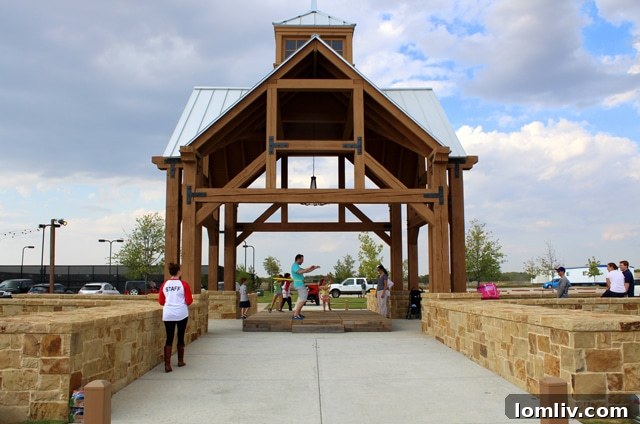
GO TONY!!! The future of community development is in capable hands, charting new courses for modern living.