

Decoding Your Home’s Whispers: Essential Signs It Needs Repair
As a homeowner, the responsibility of maintaining your property’s safety, integrity, and comfort is paramount. Your house is more than just a structure; it’s an investment, a sanctuary, and a reflection of careful stewardship. However, like any complex system, a home can experience wear and tear, and often, it communicates its needs through subtle, or sometimes not-so-subtle, signs of distress. Learning to interpret these warning signals early is not just about safeguarding your property; it’s about protecting your loved ones, preventing minor issues from escalating into costly catastrophes, and preserving your home’s long-term value. Proactive intervention ensures not only your peace of mind but also significantly reduces the financial burden of extensive repairs down the line. Many homeowners unfortunately overlook small problems, dismissing them as trivial quirks, until they transform into urgent, expensive, and often disruptive emergencies. This comprehensive guide is designed to empower you with the knowledge to identify these critical red flags around your house, prompting you to take immediate and informed action before it’s too late.
Unusual Noises from Essential Systems
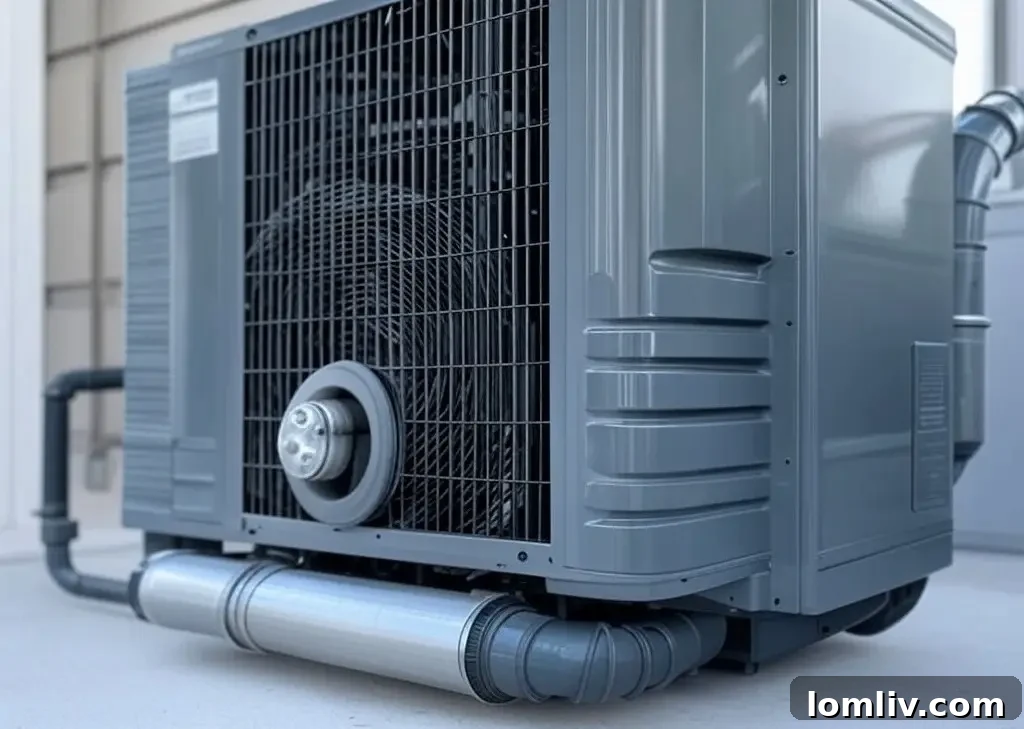
Every home has its own unique symphony of sounds, but when new, unusual, or persistent noises emerge, it’s often a call for attention from your property’s vital systems. These aren’t just minor quirks; they can be critical indicators of underlying problems that require immediate investigation. Perhaps you’ve started noticing a new, unsettling creak from your floors, suggesting a potential shift in the foundation or a weakening of structural elements. A persistent banging or knocking sound from your pipes, especially when hot water is running, could signal issues like water hammer – where sudden changes in water pressure cause pipes to shake – or even air trapped within your plumbing lines, which can lead to premature wear and potential leaks. Furthermore, if your HVAC system begins to hum louder than usual, emit a grinding noise, or produce an unfamiliar squeal, it could indicate a clogged filter, a failing motor, a loose fan belt, or another component on the verge of breakdown. Ignoring these auditory clues can have severe consequences, transforming minor component failures into extensive system malfunctions or even structural compromises. Lending an attentive ear to what your house is trying to tell you can be the difference between a simple, inexpensive fix and a major, disruptive repair project that impacts your comfort and finances.
Critical Roofing Issues
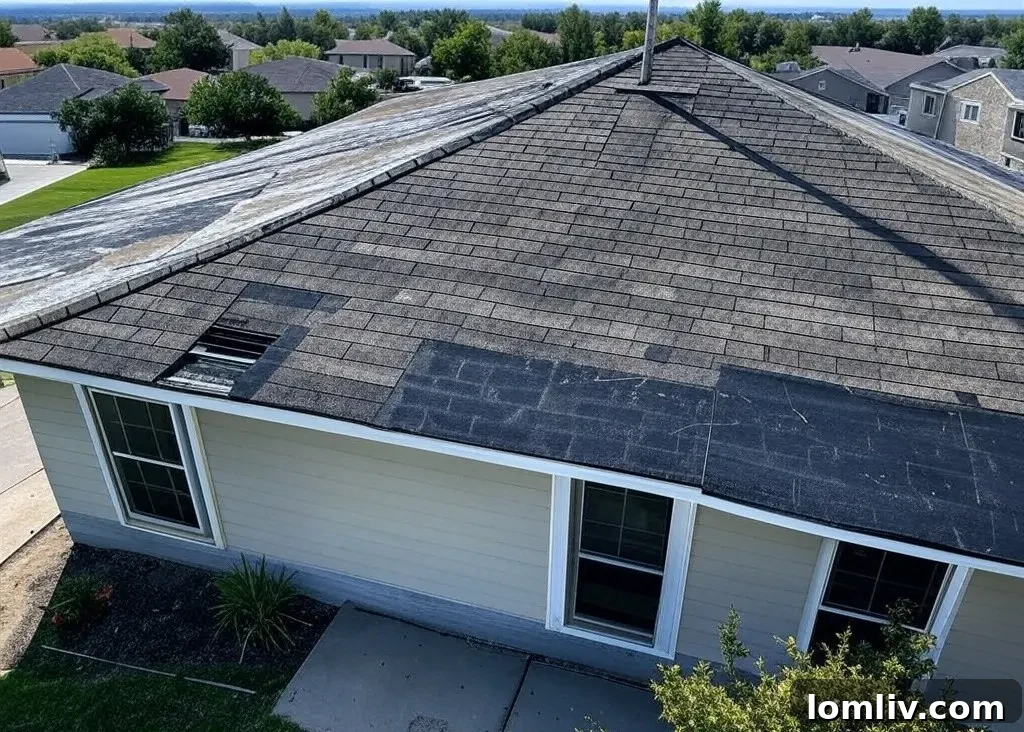
Your roof serves as your home’s primary shield against the elements, and any compromise to its integrity leaves your entire property vulnerable. Regular inspection of your roof is paramount to identify potential damages before they escalate. Visible signs like missing, broken, cracked, or curling shingles or tiles are clear indicators that your roof’s protective layer is deteriorating and needs immediate attention. Beyond physical damage, the growth of moss, algae, or even fungi on your roof can be problematic. While seemingly innocuous, these organic growths trap moisture, accelerate the degradation of roofing materials, and can lead to rot beneath the surface. More alarming, if you can see direct sunlight filtering into any part of your attic, it signifies a breach in your roof’s structure, allowing water, pests, and air to enter freely. This situation warrants immediate action, as it indicates a significant vulnerability that could lead to widespread water damage, compromised insulation, and even structural rot. In such cases, reaching out to a reputable roof replacement company or a certified roofing contractor is not just advisable; it’s often the best and most prudent option for restoring your home’s defense and keeping it protected from harsh weather conditions and costly internal damage.
Persistent Dampness or Mold Infestation
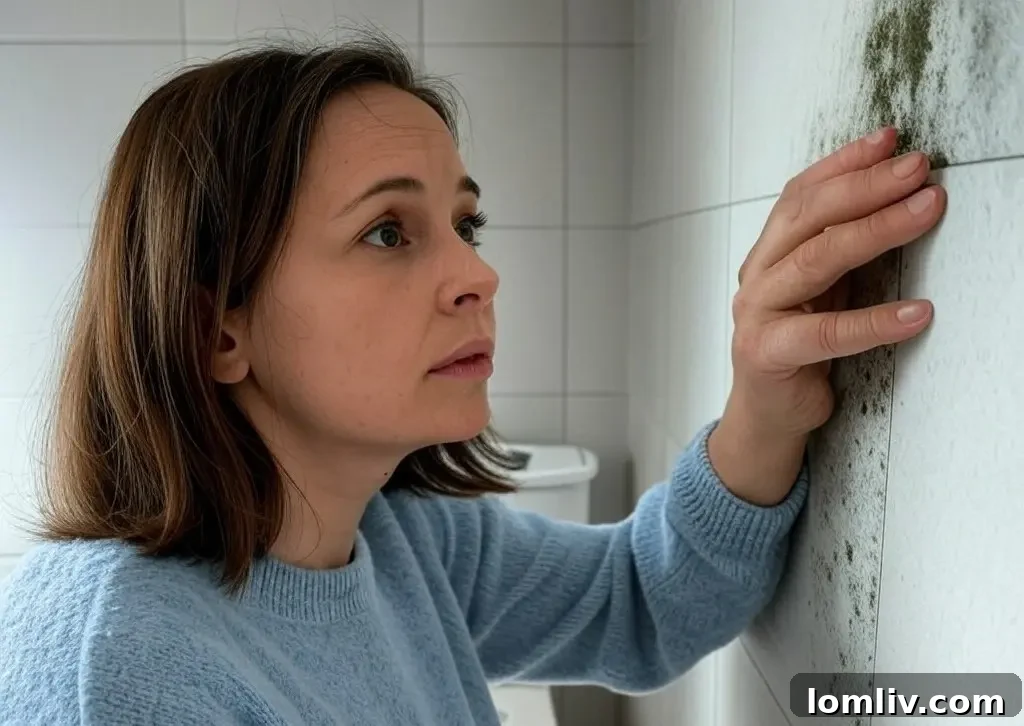
The presence of unexplained moisture in a home is a serious red flag, posing not only significant structural damage risks but also considerable health hazards to its occupants. Watch out for tell-tale signs such as persistent wet stains on walls or ceilings, bubbling or flaking paint, warped floorboards, or a pervasive musty odor, which are often indicative of hidden leaks, poor ventilation, or chronic condensation problems. When moisture seeps into porous materials like drywall, wood, and insulation, it creates an ideal breeding ground for mold and mildew to develop rapidly. Beyond its unsightly appearance and unpleasant smell, excessive mold can severely compromise indoor air quality, triggering allergies, asthma attacks, and other respiratory issues in sensitive individuals. Moreover, if left unaddressed, mold can lead to extensive structural degradation, weakening timbers, destroying finishes, and necessitating expensive remediation. Identifying the root cause of moisture, whether it’s a leaky pipe, a compromised roof, or inadequate ventilation, is crucial. A professional can accurately diagnose the source, recommend appropriate measures for safe mold removal, and implement strategies to prevent its recurrence, thereby protecting both your family’s health and your home’s structural integrity.
Concerning Cracks in Walls or Foundation
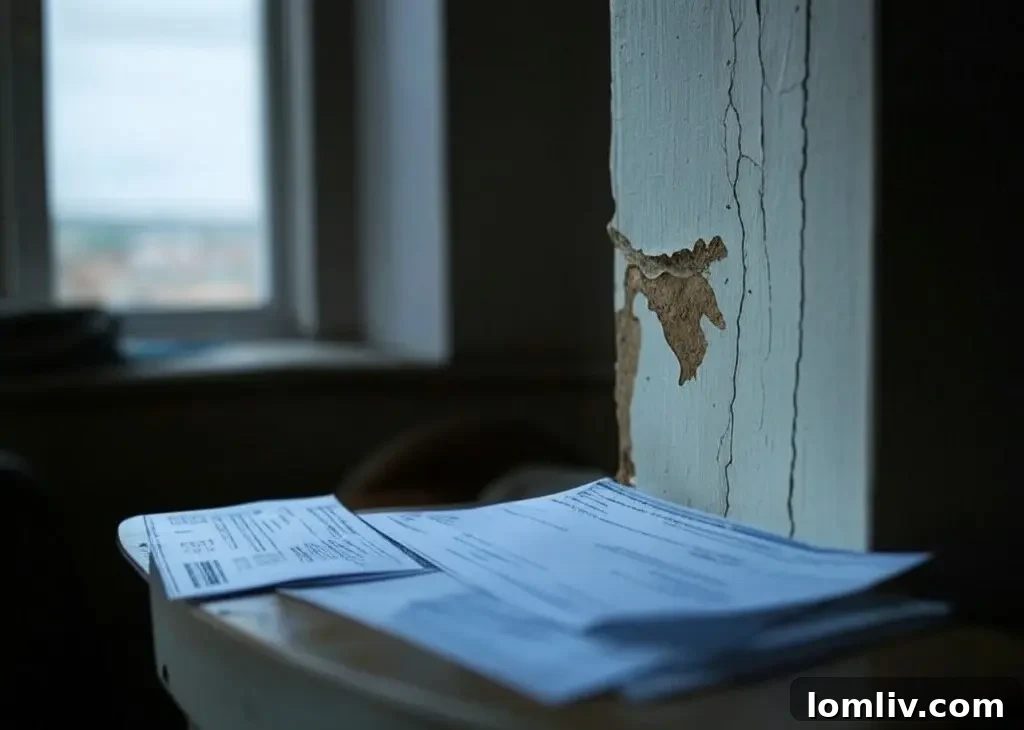
Cracks, whether appearing in your foundation, across your floors, or within your interior walls, are not to be dismissed lightly. While tiny hairline cracks are common and often benign, particularly in newer homes as they settle or due to seasonal temperature fluctuations, larger or evolving cracks are potent indicators that your home is under significant stress. This stress can stem from various sources, including natural structural settling over many years, shifting soil underneath the foundation caused by expansive clays, inadequate drainage leading to water damage, or even seismic activity. It’s critical to differentiate between cosmetic blemishes and structural compromises. Cracks that are wider than 1/4 inch, run horizontally, appear in a stair-step pattern on brickwork, or cause doors and windows to stick, warrant immediate professional evaluation. These types of cracks often signal serious foundation issues that can lead to uneven floors, significant structural instability, and long-term damage. While small surface cracks might be easily repaired, larger, deeper, or spreading fissures deserve a closer inspection by a qualified structural engineer. Their expertise is invaluable in analyzing the nature of these cracks, determining their underlying cause, and advising whether they represent mere aesthetic concerns or signs of potentially catastrophic structural problems that require urgent and specialized intervention.
Unexpected Skyrocketing Energy Bills
A sudden or gradual increase in your monthly energy costs without a corresponding change in usage patterns is often a glaring red flag indicating significant inefficiencies within your home’s systems. Your home could be metaphorically bleeding money due to various culprits that compromise its thermal envelope and energy performance. Common issues include windows that no longer seal properly, allowing drafts and heat transfer; inadequate or crumbling insulation in the attic, walls, or crawl spaces, which fails to regulate indoor temperatures effectively; or an aging, inefficient HVAC system that has to work harder and longer to maintain desired comfort levels. Other contributors can be leaky ductwork, outdated appliances, or even phantom loads from electronics. High energy bills may also suggest that your heating or cooling system is struggling, potentially due to clogged filters, refrigerant leaks, or poor airflow caused by obstructions. Rather than simply absorbing these increased costs, consider them an urgent signal to investigate. An energy audit conducted by a certified professional is the most effective way to pinpoint these specific problem areas. The audit will provide a detailed report and guide you toward targeted solutions, such as upgrading insulation, replacing old windows, sealing air leaks, or performing essential HVAC maintenance. Addressing these issues will not only drastically reduce your utility bills but also significantly improve the overall comfort, air quality, and sustainability of your home, enhancing its value and livability for years to come.
Subtle and Serious Plumbing Issues
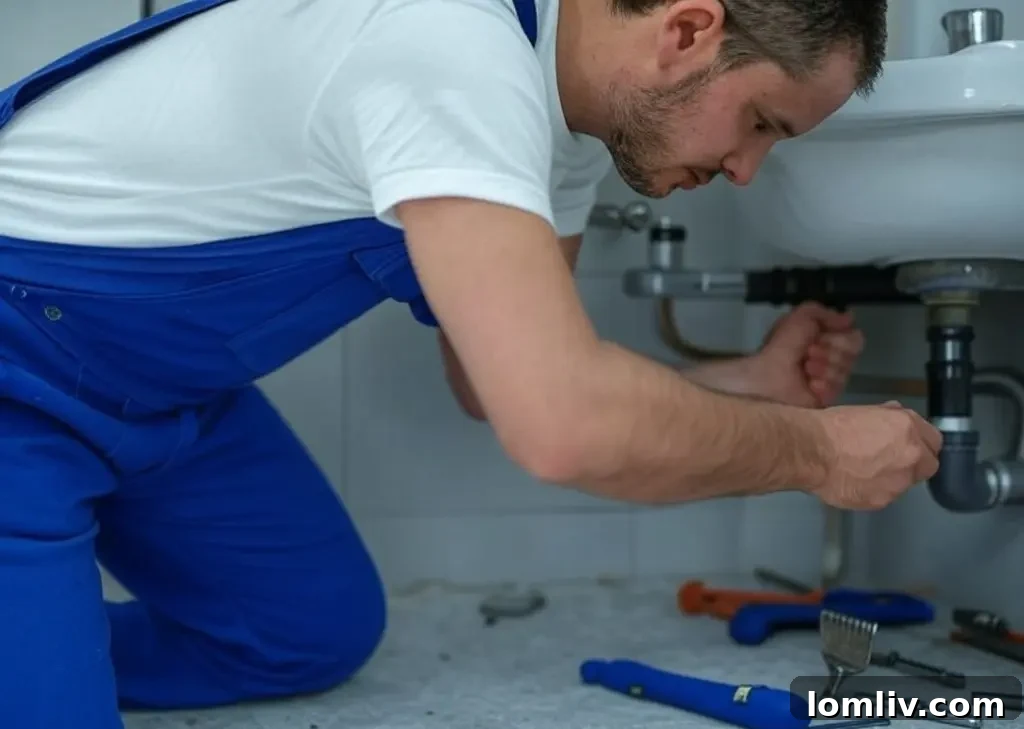
Plumbing problems often start subtly, making them easy to overlook until they manifest as larger, more damaging issues. However, recognizing these early signs can save you from significant water damage, costly repairs, and potential health hazards. For instance, a noticeable drop in water pressure throughout your home might be more than just an inconvenience; it could indicate hidden leaks within your pipes, excessive mineral buildup constricting water flow, or even a problem with your main water line. Similarly, recurring drain backups, slow drains, or gurgling sounds coming from your sinks and toilets are strong indicators of blockages, clogs, or more severe issues within your main sewer line, which could lead to unsanitary overflows. Another critical warning sign is discolored water – yellow, brown, or rusty hues – emanating from your taps. This typically suggests internal pipe corrosion and rust, which can affect water quality and signal that your pipes are nearing the end of their lifespan and might need replacement. Even seemingly minor issues like dripping faucets or running toilets can waste hundreds of gallons of water annually, increasing your utility bills and potentially contributing to mold growth. Professional plumbing services are equipped to accurately diagnose these issues, from minor leaks to major pipe failures, addressing them efficiently to ensure your water supply is safe, your systems function correctly, and major breakdowns are prevented, protecting your home from unnecessary water damage and its associated costs.
Flickering Lights or Faulty Electrical Wiring
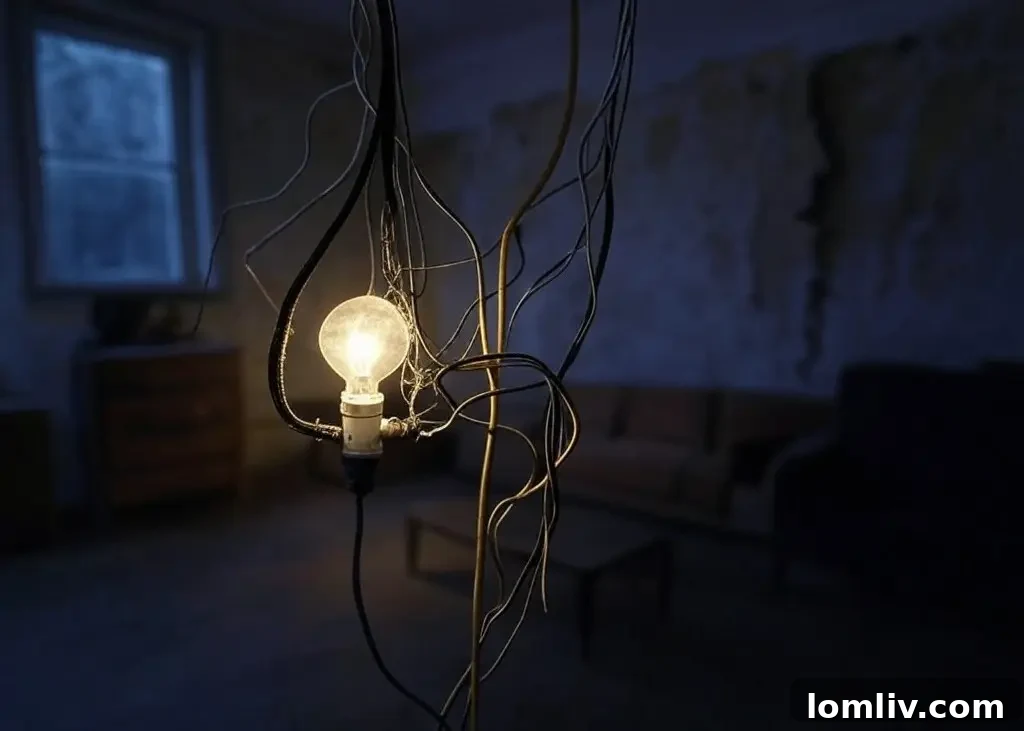
While flickering lights might create a dramatically spooky ambiance, they should never be a source of entertainment but rather a serious cause for concern within your home. This phenomenon, along with other electrical anomalies, can range from a simple, easily remedied issue like a loose light bulb to a far more dangerous problem such as faulty, deteriorating, or overloaded wiring. Beyond flickering lights, be vigilant for other critical warning signs from your electrical system. These include frequently tripped circuit breakers, which indicate an overloaded circuit struggling to meet power demands; outlets or switches that feel warm to the touch, emit buzzing or sizzling sounds, or even produce a burning smell; or a noticeable dimming of lights when large appliances switch on. These are definitive signals that your electrical system is either overloaded, degrading, or experiencing dangerous faults. Electrical issues are not just inconvenient; they pose severe and immediate fire risks, potential electrical shocks, and can cause damage to your appliances. Attempting DIY repairs on electrical systems is extremely hazardous and not recommended. Instead, the moment you observe any of these red flags, it is absolutely essential to contact a licensed and qualified electrician. A professional can safely diagnose the root cause, repair outdated or damaged wiring, upgrade overloaded circuits, and ensure your home’s electrical infrastructure is up to code and operating safely, thus safeguarding your property and the lives within it.
Being an attentive homeowner is fundamentally about understanding the language of your house. Identifying and promptly addressing these critical signs that your home needs repair is an essential responsibility that transitions small, manageable issues into prevented disasters. Far from being a burden, sensible inspections and timely repairs are strategic investments that protect your property’s value, extend its lifespan, and critically, maintain it as a safe, comfortable, and pleasant environment for you and your family. Don’t fall into the trap of procrastination or the hope that problems will simply resolve themselves. Being proactive about home maintenance means you are actively protecting your most significant investment, ensuring structural integrity, safety, and energy efficiency. Embrace the commitment to regular checks and necessary interventions, and you can sleep soundly, confident in the knowledge that your home is in excellent shape, resilient, and ready to shelter you for many years to come.