

Unlocking New Opportunities: How Pokémon Go Can Revolutionize Your Local Marketing and Real Estate Strategy
In an era where digital engagement increasingly shapes consumer behavior, innovative approaches to marketing are paramount. The augmented reality sensation, Pokémon Go, burst onto the scene not just as a game, but as a powerful catalyst for local commerce, community building, and even real estate. This unique mobile phenomenon has proven its ability to draw people outdoors, fostering social connections and inadvertently creating a vibrant new landscape for businesses to thrive. For savvy entrepreneurs and real estate professionals, understanding and leveraging this game presents an unparalleled opportunity to boost visibility, drive foot traffic, and connect with a highly engaged demographic.
Consider areas like East Dallas, which boasts an enviable density of green spaces and public amenities. With iconic locations such as White Rock Lake, the serene Dallas Arboretum, the expansive Flag Pole Hill, dedicated dog parks, and a labyrinth of scenic trails weaving through beloved neighborhoods like Lakewood and Lake Highlands, it’s a paradise for outdoor enthusiasts. Unsurprisingly, such environments also make it a prime hunting ground for Pokémon Go players. The synergy between accessible public spaces and location-based gaming makes these areas incredibly attractive, not just for catching virtual creatures, but for those seeking a vibrant lifestyle – a crucial insight for the real estate market.
As the augmented reality app Pokémon Go continues to captivate millions globally, it has redefined how people interact with their physical surroundings. This pervasive game encourages exploration, provides a delightful excuse for physical exercise, and surprisingly, cultivates a strong sense of community among its players. For real estate agents, particularly those targeting millennial homebuyers, this presents a unique angle. Imagine a potential buyer from Team Valor actively seeking a home in a neighborhood known for its high concentration of Pokéstops or Gyms. This isn’t just a quirky detail; it’s a lifestyle amenity that can genuinely influence purchasing decisions. And while East Dallas shines, bustling urban centers, with their dense collection of landmarks and points of interest, also offer rich opportunities for players from Team Mystic and Team Instinct.
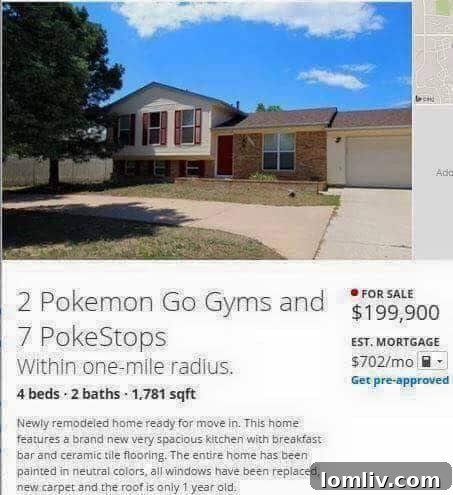
Beyond the game’s undeniable entertainment value, its commercial impact has been profound. Small businesses worldwide have reported significant upticks in sales, directly attributable to the influx of Pokémon trainers. The genius lies in the game’s inherent mechanism: it directs players to specific real-world locations, many of which are businesses or public landmarks. Real estate agents, quick to identify this trend, have cleverly incorporated Pokéstops, Gyms, and even rare Pokémon sightings into their open house promotions, effectively using the game as a novel tool to attract a younger, tech-savvy demographic.
Strategic Marketing Through Pokémon Go: Attracting Traffic and Boosting Sales
The question for many businesses and real estate professionals isn’t whether Pokémon Go works, but rather, “How can I effectively harness this phenomenon to draw more traffic and genuinely boost my sales?” The answer lies in understanding the core mechanics of the game and integrating them into a thoughtful, location-based marketing strategy. This isn’t about mere participation; it’s about strategic engagement.
Forbes, among other publications, quickly recognized the game’s potential, outlining basic guides for incorporating Pokémon Go into sales strategies. At the heart of these strategies is a concept both simple and profoundly effective: the Lure Module.
1. Leveraging Lure Modules: Your Secret Weapon for Foot Traffic
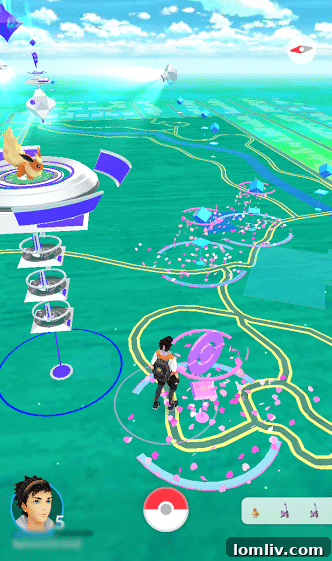
Lure Modules are in-game items designed to attract Pokémon to a specific Pokéstop for 30 minutes. However, as Jayson DeMers of Forbes eloquently noted, these modules might as well be “human lures.” The logic is simple: trainers follow the Pokémon. By activating a Lure Module at a Pokéstop near your business or real estate listing, you create a beacon that draws players to that exact location. These players, engrossed in their game, will linger, offering a unique window for engagement.
To maximize the impact of lures, consider the following:
- Strategic Placement: Lures are most effective when your business or listing is directly on top of or immediately adjacent to a Pokéstop. This direct proximity ensures players associate their gaming experience with your physical location.
- Cost-Effectiveness: While lures are purchased with real money (via in-game currency), their cost per use is remarkably low, often less than $1 for 30 minutes of heightened activity. This small investment can yield significant returns in terms of increased foot traffic and potential customer interactions.
- Timing: Deploy lures during peak hours for your business, such as lunchtime, after-work hours, or weekends, when players are more likely to be out and about. Coordinate with local player meetups or community events to amplify the effect.
- Community Engagement: Before deploying lures, consider scouting local Pokémon Go communities on platforms like Google+ (if still active for this purpose) or Meetup.com. Understanding when and where players gather can inform your lure strategy.
If your business is on top of or next to a Poké-stop, you’ll have the ability to drop a “lure” for 30 minutes, which will probably similarly attract a number of players wandering nearby due to the increase in the number of Pokémon that show up when lures are placed. The only catch is, the only way to get a lot of lures quickly is to buy them with real money—but depending on how you buy them, they’re usually less than $1 each.
2. Fostering Team Loyalty: Engaging with Faction-Specific Promotions
Pokémon Go isn’t just about catching Pokémon; it’s about team allegiance. Players align with one of three factions: Team Valor (red), Team Mystic (blue), and Team Instinct (yellow). This inherent competitive dynamic offers a golden opportunity for targeted promotions that capitalize on player loyalty and friendly rivalry.
By offering promotions that encourage competition or provide exclusive benefits to specific teams, you can significantly enhance engagement:
- Daily Team Specials: Designate specific days for each team to receive discounts or special offers. For instance, “Mystic Mondays” could offer 10% off for Team Mystic members, while “Valor Tuesdays” and “Instinct Wednesdays” cater to the other factions. This encourages repeat visits and builds a sense of belonging.
- Team Gathering Nights: Host themed nights where members of a particular team are encouraged to gather at your location. These events can foster community, allowing players to trade tips, discuss strategies, and socialize, all while patronizing your business. For a real estate agent, this could be an open house marketed specifically to Team Instinct, offering a unique opportunity to connect with potential buyers in a relaxed, game-centric environment.
- Competition for Prizes: Organize small competitions or challenges between teams, offering a prize or significant discount to the winning faction. This fuels engagement and can create a buzz around your establishment.
You can cater to specific team members by offering specials for different teams on different days; for example, you can offer $1 off drinks for Team Mystic members (that’s my team, by the way), or have a Team Instinct night that encourages Instinct members to gather at your location to trade tips.

3. Content Marketing and Social Media: Sharing the Pokémon Go Experience
In today’s digital landscape, a strong social media presence is non-negotiable. Pokémon Go offers a wealth of shareable content that can significantly amplify your brand’s reach and attract players. As DeMers suggested, you can become a valuable resource for the Pokémon Go community by sharing tips, tricks, and exciting game-related news.
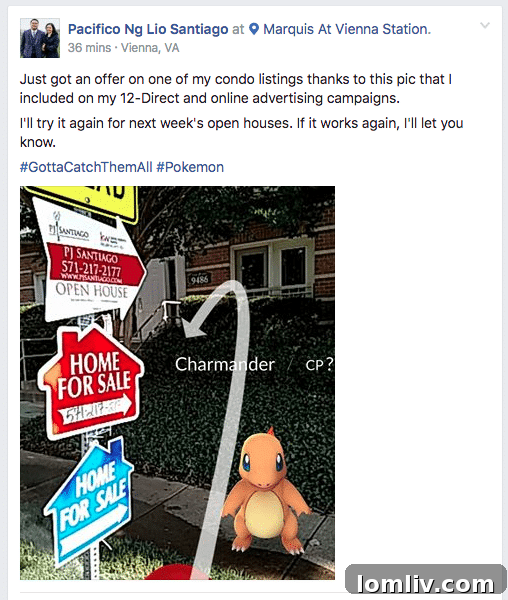
- Highlight Rare Sightings: Use platforms like Twitter, Facebook, and Instagram to announce sightings of rare or highly sought-after Pokémon near your office or listing. A simple post like “Charmander spotted near our new listing on Elm Street! #pokemongo #pokespot” can generate significant interest.
- Visual Engagement: Encourage user-generated content by inviting players to take selfies with Pokémon found at your location or within a listed property, tagging them with #pokeselfie and your business’s handle. Feature these on your social media channels to foster community and showcase your location.
- Listing Integration: For real estate agents, consider adding a fun, game-related detail to your property descriptions. “Walk to a Pokéstop from your front door!” or “Rare Pokémon sightings reported within a block!” can add a unique, appealing element for younger buyers.
- Live Updates & Events: Use social media to announce when you’re dropping lures or hosting team events. Go live on Facebook or Instagram to capture the energy and excitement of players gathering at your location.
4. Hosting Gym Battles: Turning Competition into Customer Loyalty
Pokémon Gyms are central to the game’s competitive aspect, where players battle to assert their team’s dominance. If your business or a property you’re marketing happens to be near one of these designated Gyms, you have a prime opportunity to attract and retain players. You can often identify a Gym by observing groups of people intently focused on their phones, often lingering for extended periods.
- Promote Your Proximity: Make it widely known through signage, social media, and word-of-mouth that your establishment is a Pokémon Gym hotspot. Highlight this in real estate listings for properties nearby.
- Create a Welcoming Environment: Gym battles typically last at least half an hour, if not longer, as players strategically fight to take and hold control. Capitalize on this by providing amenities that enhance their experience. Offer comfortable, air-conditioned seating, free Wi-Fi, and most importantly, charging stations for phones (as the game is a notorious battery drainer).
- Convert Engagement into Sales: While players are resting, recharging, and battling, they are a captive audience. This is the perfect time to subtly promote your products or services. Offer special “Gym Battle Refreshments” or “Victory Drinks” to encourage purchases. For real estate, it’s an ideal, relaxed setting to discuss property features with individuals who are already experiencing the neighborhood’s amenities first-hand.
If you happen to be in this lucky position, promote the heck out of the fact that your business is at or near a gym. Players vying for control over a gym will usually need to spend at least a half hour (usually more) to battle the gym leaders enough times to gain control of the gym, so they’ll want to stay a while (and buy your products, hopefully!).
Measuring Success and Long-Term Engagement
While the initial hype around Pokémon Go may have settled, its core appeal and community remain robust. The strategies outlined above are not just for a fleeting trend; they represent a fundamental shift in how local businesses and real estate agents can engage with their communities through location-based digital experiences. To ensure these efforts yield tangible results, it’s crucial to:
- Track Foot Traffic: Monitor changes in the number of visitors during Pokémon Go promotions.
- Analyze Sales Data: Compare sales figures during promotional periods with baseline data.
- Social Media Analytics: Track engagement rates, reach, and follower growth on posts related to Pokémon Go.
- Customer Feedback: Directly ask customers how they heard about your business, and if Pokémon Go played a role.
By continually adapting and refining your approach based on these metrics, you can ensure that Pokémon Go remains a powerful, cost-effective tool in your marketing arsenal, driving both immediate sales and fostering long-term community loyalty.
Will you be harnessing the power of Pokémon Go as part of your strategic marketing campaigns? The opportunities for innovative engagement and measurable success are waiting to be caught!