

In the fiercely competitive real estate market, time is undeniably money, and nothing deters a prospective buyer more swiftly than a home that overtly signals a pending ‘to-do’ list. Visual cues such as a glaring cracked foundation, the pervasive odor of a musty basement, or peeling paint on exterior walls communicate a profound message, none of it positive. Once the initial seed of doubt is planted and buyer trust begins to erode, the perceived value of your property inevitably follows suit, leading to diminished offers and prolonged negotiation processes.
The most successful home sellers are those who anticipate these challenges and proactively address critical property repairs long before their home hits the market. Strategic pre-listing investments in essential maintenance, such as professional foundation repair, comprehensive HVAC and plumbing system maintenance, thorough basement waterproofing, and expert flood damage restoration, are paramount. This proactive approach eliminates unwelcome surprises during property inspections, bypasses stressful back-and-forth negotiations over repair credits, and ultimately culminates in securing stronger offers and achieving exceptionally smoother, faster closings. This comprehensive guide is designed to empower you by detailing which repairs yield the highest return on investment, offering actionable strategies for intelligent prioritization, and emphasizing why engaging seasoned professionals is the definitive key to a triumphant home sale.
Why Pre-Listing Home Repairs Are Indispensable for Maximizing Sale Value
Preparing a home for sale transcends the superficial act of applying a fresh coat of paint and strategically lighting a few scented candles for an open house. If fundamental issues like visible cracks in the walls, a noticeable soft spot in the flooring, or persistent plumbing leaks are present, discerning buyers will undoubtedly notice. These glaring red flags don’t merely register as fleeting thoughts; they profoundly influence a buyer’s perception and are directly reflected in the offers—or lack thereof—they submit. Every visible flaw, from a minor scratch to a significant leak, or an outdated and inefficient utility system, invites a cascade of questions and heightened scrutiny.
Increased scrutiny inevitably translates into extended and more exhaustive home inspections. And what do longer, more detailed inspections typically signify? They often lead to slower sales cycles, more contentious and drawn-out negotiations, and, in many unfortunate instances, deals that tragically unravel at the final hurdle. Conversely, when a home palpably conveys a history of meticulous care and diligent maintenance, buyers instantly perceive it. This perception communicates that the property was not just inhabited, but genuinely cherished and lovingly preserved. Such a positive impression significantly reduces perceived risk for the buyer, making the decision to submit a serious and competitive offer feel substantially more confident and less daunting.
The Unmistakable Power of Curb Appeal: Setting the Stage for Success
The journey of selling a home begins the very moment a prospective buyer arrives at the curb. That initial, instantaneous visual assessment initiates a rapid mental checklist that can profoundly shape their entire perception of the property. Extensive market research consistently reveals that compelling curb appeal has the potential to sway a home’s sale price by a remarkable margin, often as much as 9%. This percentage represents far from a trivial adjustment; it can significantly impact your net proceeds from the sale. Therefore, a cracked walkway, neglected and overgrown bushes that haven’t seen a trimmer in seasons, or a worn-out front door are not mere aesthetic oversights.
These exterior deficiencies are powerful signals that immediately raise questions in a buyer’s mind. Their cognitive process quickly begins to formulate an equation: “If the exterior of the property exhibits this level of maintenance, what more significant, potentially hidden issues might be awaiting me inside?” These crucial first impressions wield immense power because they subtly yet profoundly influence how buyers interpret every subsequent detail they encounter within the home. While a meticulously maintained yard and a sturdy, inviting front entry may not single-handedly seal a deal, they undeniably make it far easier for buyers to step inside with an air of confidence and optimism, rather than an immediate posture of skepticism and caution.
Navigating Inspections and Appraisals: The Ultimate Deal Protectors
While prospective buyers might be captivated by elegant crown molding, designer light fixtures, or a freshly tiled bathroom, professional home inspectors and certified appraisers operate with a fundamentally different lens. They are entirely unmoved by superficial aesthetics or clever staging; their core mandate is to delve deep beneath the surface—behind walls, under floors, inside crawl spaces, and within attics—to uncover the true structural and systemic health of the property. It is during these rigorous examinations that critical issues like pervasive moisture damage, signs of foundational instability, or deficiencies in major systems (electrical, plumbing, HVAC) frequently come to light.
The discovery of such significant, often costly problems can rapidly and dramatically alter the trajectory of a sale. Issues of this magnitude almost invariably lead to a downward revision of the home’s appraised value, which can trigger aggressive price reductions, protracted renegotiations, or, in the most severe cases, cause an otherwise eager buyer to completely withdraw their offer. By proactively addressing these major structural and mechanical problems before they are documented in an official report, sellers not only enhance the home’s intrinsic value but also maintain crucial deal momentum. This foresight eliminates last-minute panic, avoids stressful phone calls, and ensures a steady, confident progression toward the closing table, protecting your equity and peace of mind.
Achieving Faster Sales and Higher Offers: The ROI of Readiness
There is an undeniable appeal to a home that feels genuinely “done”—a property with no lingering to-do lists, no deferred maintenance projects, and no ambiguous “we’ll fix it later” promises. The prospect of simply unpacking belongings and beginning a new life without immediate renovation burdens is incredibly attractive to buyers. And buyers, quite simply, adore that feeling of effortless transition. According to Zillow’s insightful 2024 Consumer Housing Trends Report, individuals are willing to pay an impressive up to 4% more for a home that is truly move-in ready. For a house priced at the national average, this premium can translate into an additional $14,000 or more, which is certainly not pocket change and represents a substantial return on strategic pre-listing investments.
Conversely, the financial implications work in the opposite direction for properties needing obvious and extensive repairs. Such homes tend to sell for up to 8% less than comparable, well-maintained properties. This significant difference represents a substantial amount of equity left on the negotiating table. Furthermore, homes requiring conspicuous repairs typically attract fewer interested buyers, generate more hesitant and lower offers, and consequently spend extended periods languishing on the market. Therefore, if your overarching goal is to achieve a swift sale and walk away with the highest possible financial return, a calculated and strategic investment in upfront repairs can make a genuinely profound and positive difference to your ultimate success.
Critical Repairs: What Buyers Prioritize and Why They Matter Most
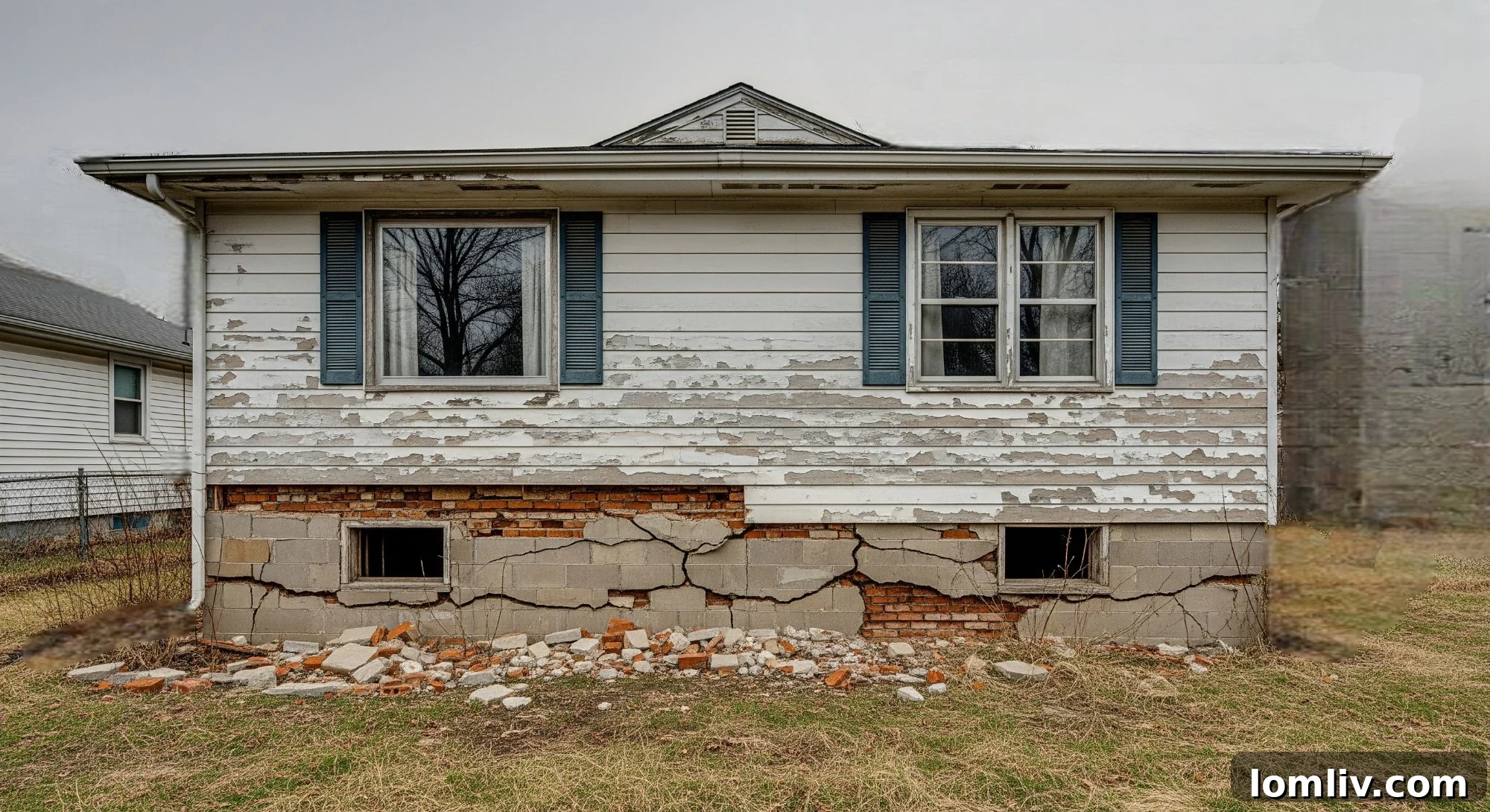
While every home possesses its own unique character—some inherently charming, others undeniably more complex—there exists a critical and universally recognized list of repairs that unfailingly capture the immediate attention of buyers, home inspectors, and certified appraisers. Neglecting these high-impact issues allows red flags to accumulate, signalling potential problems and deterring serious offers. However, by proactively addressing these pivotal repairs, the property instantly transforms, exuding a sense of solidity, inherent safety, and undeniable readiness for its next occupants, significantly enhancing its market appeal and perceived value.
Foundation Fixes: Establishing Stability and Trust from the Ground Up
Few property issues ignite as much concern and apprehension in prospective buyers as indicators of foundational distress. If the floors feel subtly uneven, doors stubbornly refuse to shut correctly, or prominent cracks spiderweb across the exterior brickwork, these are classic, unmistakable signs of potential foundation movement. Such issues are not merely cosmetic imperfections; they are often symptomatic of underlying structural instability. Foundation problems consistently rank among the top five deal-breakers in any residential real estate transaction due to their potential for extensive, costly damage and their direct impact on the home’s long-term integrity and safety.
Engaging a certified professional to thoroughly evaluate and expertly repair any foundational problems accomplishes far more than simply resolving a structural headache. It sends an unequivocal signal to both buyers and their mortgage lenders that the most serious and fundamental aspects of the property’s structural health have been meticulously addressed. Crucially, supplementing these repairs with comprehensive documentation—including detailed reports, permits, and transferable warranties—serves as irrefutable proof of professional intervention. This proactive transparency eliminates a primary reason for potential buyers or lenders to express concerns or withdraw from the deal later in the process, solidifying trust and safeguarding the transaction.
Basement Waterproofing: Eliminating Moisture and Cultivating Peace of Mind
Basements, by their very nature, can be inherently deceptive spaces. That white, powdery residue frequently observed on basement walls? It’s known as efflorescence, and its presence almost invariably indicates that water has been infiltrating and evaporating from the space for a significant period. Couple this with noticeable discoloration, peeling paint, or a pervasive musty odor, and buyers will instinctively begin to imagine the worst-case scenarios: widespread mold growth, recurrent flooding, and chronic long-term moisture damage. Such anxieties can drastically diminish a home’s appeal, perceived value, and potentially raise serious health concerns.
Basement waterproofing is a multifaceted solution that extends far beyond merely sealing visible cracks. When executed correctly by professionals, it involves a comprehensive system designed to protect the entire subterranean space, effectively preventing future water ingress and safeguarding against persistent moisture problems. This proactive measure not only preserves the structural integrity of the home but also fosters a healthier indoor environment. Most importantly, it provides invaluable reassurance to buyers that the property has been diligently cared for from the ground up, instilling confidence and eliminating a major source of buyer apprehension.
Comprehensive Water Damage Restoration: Beyond Superficial Cover-ups
The insidious nature of water damage means it is not always immediately apparent. A seemingly minor leak from years past can easily conceal extensive, hidden damage behind freshly painted drywall. A basement that experienced a flood, even if it now appears dry and odorless, may still harbor warped subfloors, compromised insulation, or undetected mold growth within unseen cavities. Cosmetic cover-ups are not only insufficient but also ultimately counterproductive; they fail to address the underlying problem and will inevitably be exposed during a thorough home inspection, completely eroding buyer trust and potentially leading to a failed sale.
This is precisely where the specialized expertise of certified water damage restoration professionals becomes indispensable. Equipped with advanced tools like thermal imaging cameras and moisture meters, these experts can accurately pinpoint hidden moisture sources and assess the full extent of the damage, both visible and concealed. More crucially, they possess the specialized knowledge and proven techniques to thoroughly remediate the problem, ensuring all affected materials are properly dried, cleaned, and either restored or replaced permanently. Providing comprehensive documentation of this restoration work—including detailed reports, before-and-after photos, and warranties—can transform what would otherwise be a major deal-breaker into a powerful testament to the home’s meticulous upkeep and the seller’s transparency, significantly boosting buyer confidence.
A Robust Roof and Efficient Gutters: Essential Protection for Your Investment
A home’s roof serves as its primary defense against the elements, and its condition is highly visible and immediately impactful. Buyers don’t necessarily need to identify an active leak to become profoundly nervous. Sometimes, merely spotting a few curled, cracked, or missing shingles, excessive granular loss, or gutters visibly overflowing with debris is enough to trigger anxieties about imminent and costly repair bills. And truthfully, their apprehension is often well-founded. The National Association of Realtors consistently highlights roof condition as a top concern for prospective homebuyers, impacting both perceived value and insurability.
Fortunately, addressing common roof and gutter issues often requires less extensive intervention than foundational or severe water damage. A proactive gutter clean-out, the swift replacement of a few damaged shingles, or the repair of faulty flashing can dramatically alter the perception of the home’s maintenance. These relatively low-cost repairs quickly shift the narrative from “uh oh, potential expensive roof replacement” to “this home is clearly well-maintained.” It’s an effective and affordable strategy to demonstrate comprehensive care for the property from the very top down, reassuring buyers of the home’s overall structural integrity and significantly reducing their long-term maintenance anxieties.
HVAC and Plumbing Systems: The Core of Comfort and Reliability
The operational integrity of a home’s heating, ventilation, air conditioning (HVAC) systems and plumbing infrastructure profoundly impacts daily comfort, energy efficiency, and long-term utility expenses. It’s incredibly challenging for a buyer to envision a comfortable future in a home where faucets hiss, drains consistently clog, or temperatures fluctuate wildly and inconsistently between rooms. Even seemingly minor HVAC and plumbing issues can trigger significant red flags, signaling potential system failures, inefficiency, and substantial future repair costs, even if the immediate fixes are relatively inexpensive. For instance, an aging water heater or an inefficient furnace can add hundreds to utility bills annually.
Surprisingly, many common HVAC repairs cost under $500, a minor investment when weighed against the significant decrease in perceived value or reduction in offer price that such issues can provoke. A professional pre-listing inspection of these critical systems can swiftly identify and rectify problems such as weak water pressure, sluggish drainage, inconsistent heating or cooling, noisy units, or outdated components. Once these systems are certified as fully functional, efficient, and up to code, buyers gain considerable peace of mind, confident that the essential “guts” of the house are operating reliably and efficiently. This proactive approach not only prevents deal-breaking surprises but also highlights the home’s operational readiness and modern efficiency, attracting more serious and competitive offers.
Strategic Prioritization: Where to Focus Your Pre-Listing Efforts for Maximum Impact
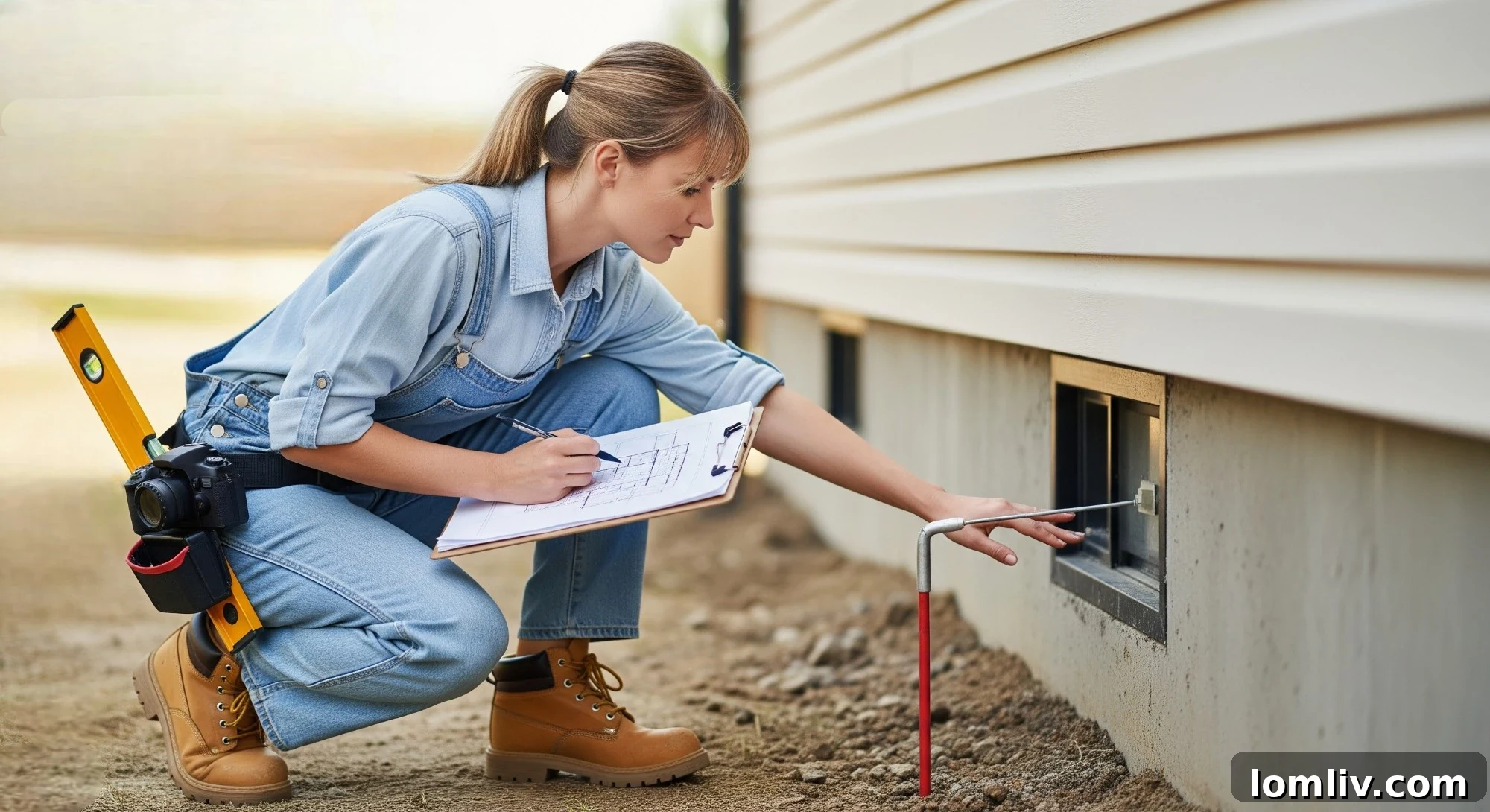
The pragmatic reality of selling a home dictates that not every single imperfection needs to be addressed before listing. Attempting to achieve absolute perfection can be financially prohibitive and excessively time-consuming. Instead, the most astute and successful sellers strategically prioritize repairs, diligently focusing their valuable resources on issues that carry the greatest weight and pose the highest risk to a successful sale. Issues like foundational instability, persistent moisture problems, or significant system malfunctions consistently outweigh purely cosmetic concerns in a buyer’s critical decision-making process. The ultimate goal is not to fix everything, but to meticulously address what truly matters most to safeguard your investment and expedite your sale.
The Unquestionable Urgency of Foundation and Water Issues
When it comes to pre-listing repairs, foundational problems and water intrusion issues unequivocally stand at the absolute pinnacle of the priority list. A visibly sagging beam, a prominent crack in an exterior load-bearing wall, or unmistakable signs of structural settling are not merely cosmetic concerns; they are profound, undeniable red flags for prospective buyers, home inspectors, and mortgage lenders alike. Similarly, a persistently musty basement, visible mold growth, or any indicators of active or past water damage signal serious, underlying structural and health problems. These issues are inherently grave because they directly threaten the structural integrity, safety, and long-term habitability of the property. If left unaddressed, they possess the undeniable power to derail sales swiftly and often completely, leading to significant financial losses.
By investing in the professional remediation of these critical structural and moisture-related concerns first, sellers communicate an incredibly powerful and reassuring message: “The most difficult, expensive, and potentially hazardous problems have already been expertly handled.” This preemptive action significantly reduces the buyer’s mental checklist of potential hidden costs and future headaches, thereby making your home feel inherently safer, more reliable, and ultimately, a more trustworthy and sound investment. This instilled trust translates directly into more competitive offers and a substantially smoother path to closing, making these specific repairs arguably the most impactful investments you can make to protect and enhance your property’s value.
Leveraging Trusted Local Professionals: The Cornerstone of Buyer Confidence
While minor cosmetic touch-ups or superficial DIY painting projects are certainly feasible for a homeowner, critical structural, electrical, or significant water-related issues unequivocally necessitate professional intervention. When confronted with major concerns such as extensive flood damage restoration, foundational repairs requiring structural engineering, or comprehensive plumbing overhauls, both prospective buyers and their mortgage lenders demand verifiable proof of expert workmanship. This crucial proof comes in the form of licensed contractors, comprehensive documentation including detailed permits and invoices, and, ideally, transferable warranties that guarantee the longevity and quality of the repairs. Opting for a quick, undocumented DIY fix for major structural or systemic problems is a significant risk that will almost certainly undermine buyer confidence and lead to severe complications during the home inspection and appraisal processes.
Partnering with trusted local professionals who possess proven track records not only instills deep buyer confidence but also strategically transforms these essential repairs into powerful selling points. Highlighting that “all foundation work was expertly handled by [reputable local company] with a comprehensive transferable warranty” resonates far more powerfully and reassuringly than a vague assurance of self-repair. When you rely on established local experts, your home doesn’t just show better; it sells better, faster, and often for a higher value. Their specialized expertise, coupled with meticulous professional documentation, becomes an indisputable testament to the home’s integrity, assuring buyers they are making a sound investment in a property that has received the highest possible standard of care and attention.
Selling Smart: The Art of Eliminating Doubt and Maximizing Property Value
Ultimately, while a meticulously crafted pricing strategy is undoubtedly important, the true and unwavering catalyst for a successful home sale is profound buyer confidence. Prospective homeowners aspire to step into a property that feels intrinsically solid, structurally sound, and genuinely cared for, rather than one that merely received a superficial cleaning and staging just prior to listing. This fundamental desire for reliability, transparency, and integrity guides every aspect of their decision-making process. Every strategic repair, every thoughtful upgrade, and every piece of documented professional intervention contributes significantly to building this essential and robust trust.
When sellers commit to a strategic investment in key pre-listing repairs—diligently addressing foundational issues, meticulously mitigating water damage, optimizing vital HVAC and plumbing systems, and enhancing crucial elements like the roof and curb appeal—they are conveying an exceptionally powerful message. They are communicating that this is more than just a house; it is a meticulously maintained home that has been thoughtfully prepared and respectfully cared for, ready for its next chapter and new occupants. This proactive and transparent approach cultivates faster purchasing decisions, minimizes contentious negotiations, and dramatically reduces overall stress and uncertainty for all parties involved in the transaction. Because in the dynamic and competitive world of real estate, selling smart is unequivocally about strategically fixing what truly matters and allowing that demonstrable care to powerfully and persuasively speak for itself, ultimately securing the best possible outcome for your valuable asset.