The Unstoppable Rise of Downtown Dallas: From Business Hub to Vibrant Urban Core
For many years, a common refrain echoed across North Texas: “Nobody lives in downtown Dallas!” This perception, rooted in an era when Dallas’s urban core primarily served as a 9-to-5 business district, has been thoroughly dismantled by a dramatic transformation. Today, Downtown Dallas is not just alive; it’s thriving as a dynamic residential hub, attracting a diverse population drawn to its evolving cityscape, cultural richness, and unparalleled convenience. The city’s core has blossomed into a sought-after address, a testament to strategic revitalization efforts and a growing desire for authentic urban living experiences.
The scale of this residential resurgence is undeniable. Leading real estate platforms like Realtor.com have spotlighted this remarkable upswing, recognizing Dallas’s urban heart as the No. 3 fastest-growing neighborhood in America. This isn’t merely a fleeting trend; it’s a profound shift, signaling Dallas’s emergence as a prime example of successful urban revitalization in the United States. The city’s commitment to fostering a liveable, walkable, and engaging environment has transformed its central districts from concrete canyons into bustling communities where life truly thrives around the clock.
Defining “Downtown Dallas”: A Broader Canvas of Urban Living
When Realtor.com refers to “downtown Dallas,” their analysis encompasses a broader geographic scope than what many typically envision. Their designation centers on the 75201 Zip code, an area that extends well beyond the traditional boundaries of downtown, which are generally defined by Interstate 30 to the south, Woodall Rogers Freeway to the north, Interstate 35E to the west, and US 75 to the east. This expansive definition captures a richer, more diverse picture of Dallas’s urban tapestry and explains the significant residential growth figures.
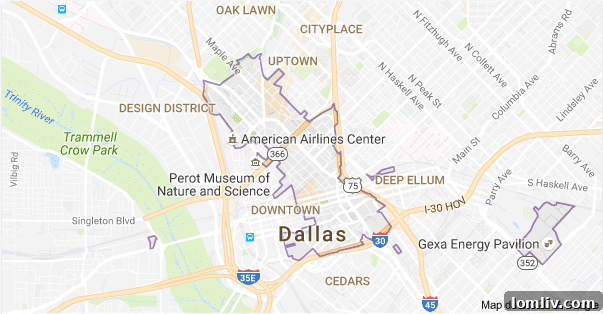
Within this 75201 Zip code, several dynamic neighborhoods contribute to the vibrant urban experience:
- Core Downtown: The traditional business district itself, now rapidly converting office spaces into residential units and attracting new developments.
- Uptown: A sophisticated district known for its luxurious apartments, high-end dining, and lively nightlife. Its inclusion significantly boosts the area’s residential appeal and average income.
- Deep Ellum: A historic entertainment district celebrated for its live music venues, art galleries, independent shops, and eclectic eateries. Deep Ellum offers a distinct, bohemian charm that appeals to a diverse demographic.
- Fair Park: Home to the iconic State Fair of Texas, historic art deco architecture, and various cultural institutions. While often overlooked residentially, its presence in the zip code highlights potential for future growth and integration.
- The Dallas Arts District: One of the largest urban arts districts in the nation, boasting world-class museums, performing arts venues, and public art installations, offering residents unparalleled cultural access.
- The Farmers Market and Main Street Areas: These areas serve as bustling hubs of local commerce, culinary experiences, and community gatherings, enhancing the daily lives of urban dwellers.
This comprehensive view demonstrates that “Downtown Dallas” is not a monolithic entity but a rich mosaic of distinct yet interconnected communities, each contributing to the allure of urban living in the heart of the city.
Adaptive Reuse: Breathing New Life into Historic Landmarks
A driving force behind Dallas’s urban renaissance is the ingenious trend of adaptive reuse, where historic structures are meticulously repurposed for modern needs while preserving their architectural heritage. This approach not only prevents urban decay but also imbues new developments with character and a sense of place. While Realtor.com initially made a slight misstep in suggesting the Dallas High School campus would be “replaced,” the reality is a much more inspiring narrative of preservation and innovation.
As a next step, a long-vacant 108-year-old high school will be replaced by a new office and retail building, which should bring in employment and visitors.
Contrary to the idea of replacement, the 108-year-old Dallas High School building on Pearl and Bryan streets is undergoing a monumental transformation that stands as a triumph for both historic preservationists and ambitious developers. Matthews Southwest, the visionary developer behind this project, is investing more than $50 million to convert this magnificent, once-dilapidated building into a vibrant complex of retail and office space. The building, a stunning example of early 20th-century architecture, had fallen into extreme disrepair after years of abandonment, its grand halls silent and crumbling. Its strategic location directly across from the Pearl Street DART rail station positions it to become a significant crown jewel, serving as a gateway to downtown and a bustling hub of commerce and activity. This project exemplifies how Dallas is committed to honoring its past while boldly building its future.
The Grand Revival of the First National Bank Building: Introducing The Drever
Another truly transformative project capturing the city’s imagination is the comprehensive redevelopment of the iconic First National Bank building. This majestic 52-story skyscraper at 1401 Elm Street, designed by the renowned architect George Dahl, has long been a fixture of the Dallas skyline. Despite its architectural grandeur, the building faced a period of uncertainty, passing through a list of owners with grand, unfulfilled plans. However, its future was secured when Maxwell Drever, a veteran real estate developer, purchased the property out of bankruptcy for an astounding $240 million—the largest redevelopment deal in Dallas history.
Drever’s vision for this downtown landmark is nothing short of breathtaking. He is not merely renovating; he is creating a new destination. The complex is being eponymously named “The Drever,” signaling a profound personal commitment to its success. This ambitious project is set to introduce a mix of luxury residential units, a high-end hotel, diverse retail spaces, and gourmet dining options. The scale of the investment and the scope of the redevelopment promise to reactivate a significant portion of the Elm Street corridor, bringing renewed vibrancy and sophistication to downtown living. The Drever is poised to be more than just a building; it will be a vertical village, offering an integrated urban experience that caters to the discerning resident and visitor alike, further cementing downtown Dallas’s status as a premier urban destination.
The Downtown Lifestyle: A Magnet for Modern Living
What does this intensive development and revitalization mean for the people of Dallas? It means a dramatically enhanced urban lifestyle. The once-dormant streets now buzz with activity, offering residents unparalleled access to a wealth of amenities. Imagine stepping out of your front door directly into a vibrant tapestry of experiences: world-class museums and performance venues in the Arts District, the eclectic live music scene of Deep Ellum, the fresh produce and artisanal goods of the Farmers Market, and a constantly evolving array of award-winning restaurants and trendy bars.
Walkability is a cornerstone of the downtown appeal. Residents can easily navigate on foot or by bicycle to work, entertainment, and daily necessities. The expansive DART (Dallas Area Rapid Transit) light rail system further enhances connectivity, linking downtown residents to various neighborhoods across the city and beyond, reducing reliance on personal vehicles. Green spaces, once scarce, are also increasing, providing urban oases for relaxation and recreation.
Downtown Dallas is becoming home to a diverse demographic: young professionals seeking a dynamic environment, empty nesters downsizing from suburban homes, and artists and creatives drawn to the cultural energy. This confluence of residents is fostering a true sense of community, where neighbors connect over shared experiences, local events, and the sheer joy of urban living. The blend of historic charm and modern convenience creates a unique atmosphere that is both rooted in the past and forward-looking.
Future Forward: Dallas’s Enduring Urban Momentum
The upward trajectory of Downtown Dallas shows no signs of slowing. Realtor.com’s report projects a remarkable 14.9 percent increase in household growth over the next five years for the downtown area, a growth rate tied with dynamic cities like Miami. This forecast underscores a sustained momentum driven by ongoing investment, strategic urban planning, and a strong demand for central city living.
This projected growth isn’t just about numbers; it’s about the continued evolution of Dallas into a truly global city. More residents mean more vibrant street life, more demand for local businesses, and an even greater impetus for further development and improved infrastructure. The success of projects like Dallas High School and The Drever serves as a powerful testament to the city’s ability to innovate, preserve, and create an environment where both history and modernity coalesce seamlessly. Dallas is emerging as a national leader in urban revitalization, setting a benchmark for other cities aspiring to transform their cores into thriving, livable communities.
With its rich cultural scene, booming economy, and a revitalized urban core that offers diverse living options, Downtown Dallas is undoubtedly a prime destination. From historic landmarks reborn as modern masterpieces to an ever-expanding array of amenities, the urban heart of Dallas is pulsating with new energy.
With the urban core now a magnet for innovators, artists, and families alike, is it time for you to discover the vibrant new rhythm of Downtown Dallas?