Protect Your Dream Home: A Comprehensive Guide to Battling Real Estate Wire Fraud
The journey to homeownership is often an exhilarating one, filled with dreams of new beginnings and personal spaces. Yet, beneath the surface of excitement and anticipation lies a complex process, particularly during the critical closing phase. When my husband and I recently closed on our newest home, I distinctly recall the ceaseless cascade of emails. Our inbox was a constant hub of communication, with messages flying between the lender, the title company, our Realtor, and various other parties. As the closing date loomed closer, the flurry intensified from daily to almost hourly updates, each seemingly demanding a new form to sign or providing a crucial process update. This intricate dance of documentation and communication, while essential, also inadvertently creates a fertile ground for sophisticated scams.
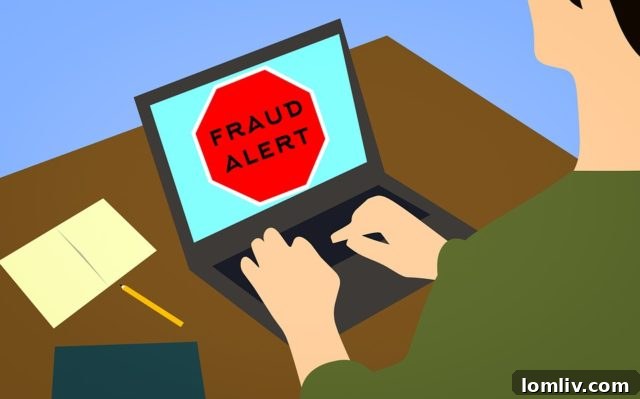
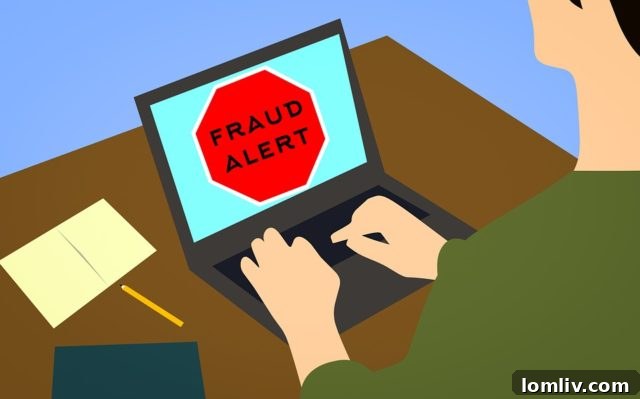
It’s precisely this environment of information overload and heightened urgency that fraudsters exploit with alarming success. That’s why, when I heard the story of a family in Frisco (who understandably wished to remain anonymous) who arrived at their closing appointment believing their down payment was already handled, only to discover they had fallen victim to a wire fraud scam, it resonated deeply. Their emailed instructions, seemingly legitimate, had been a meticulously crafted deception. This narrative isn’t an isolated incident; it’s a stark reminder of the pervasive threat of real estate wire fraud.
The Alarming Rise of Real Estate Wire Fraud: A Growing Threat to Homebuyers
Imagine the crushing realization: You arrive at your closing, ready to finalize your home purchase, only to be asked for a customary down payment check that you believe you’ve already wired. This was the harrowing reality for the Frisco family, who were left stunned as they learned the thousands of dollars they had diligently saved were irretrievably lost. For many first-time homebuyers, or those who haven’t navigated the real estate market in years, an emailed request to wire funds might seem like a modern, efficient way to handle a transaction. However, it’s a dangerous misconception that financial criminals are expertly leveraging.
Lydia Blair, an esteemed escrow officer at Carlisle Title and a regular columnist for daltxrealestate.com, confirms that this type of scam is rampant across the industry. “Title companies across the Metroplex are all too frequently seeing these home purchase scams,” she states with concern. “And they aren’t just aimed at first-time homebuyers or inexperienced consumers. Homebuyers need to realize that if they are buying a home, they are a target for online criminals.” The financial stakes in real estate transactions make them prime targets, with substantial sums of money changing hands.
The statistics underscore the severity of the problem. According to a piece authored by zipLogix COO Lisa Mihelcich for *REALTOR® AE Magazine*, wire fraud was identified as the number one type of fraud in 2016, resulting in a staggering $50 billion in losses. These figures highlight not just the financial devastation for individuals but also the broader economic impact and the urgent need for enhanced vigilance across the entire real estate ecosystem.
How Real Estate Wire Fraud Works: The Scammer’s Playbook
The sophistication of real estate wire fraud schemes makes them particularly insidious. These aren’t crude phishing attempts; they are elaborate operations designed to mimic legitimate communications flawlessly.
Compromising Email Accounts: The Initial Breach
The foundation of most wire fraud scams lies in compromising email accounts. A recent CNBC story meticulously outlined how scammers often initiate their attack by targeting individuals frequently involved in real estate transactions. This could be a real estate attorney, a Realtor, or even a lender. “A person involved in a real estate transaction… has his or her email account compromised by malicious software, known as malware, sent by a criminal over email,” the story explained. Once the malware is installed, often without the victim’s knowledge, the fraudster gains unauthorized access. This allows them to “monitor the realtor’s emails to look for upcoming transactions,” effectively giving them a front-row seat to sensitive communications.
Lydia Blair concurs, noting, “The breach almost always comes from a hack through the consumer or Realtor’s email.” She further elaborates, “These scammers hack into thousands of ordinary folks’ email accounts and wait for the right words to pop up – like purchase, escrow, contract or down payment.” This patient, targeted approach allows them to identify high-value targets at critical moments in their transaction process.
Impersonation and Deception: Crafting the Fake Instructions
With access to email communications, scammers become masterful impersonators. “They pretend to be the lender or title company by sending the buyer an email with a slight change in the email address,” Blair explains. These alterations are often incredibly subtle, designed to evade quick detection. “An ‘L’ might become an ‘I’ or a ‘T’ becomes an ‘L’ in their name. It’s usually something not easily detected.” By meticulously following the buyer’s genuine email correspondence, these criminals can intercept or copy incoming messages from the legitimate bank or title company, gathering authentic details to make their fraudulent communications even more convincing.
Once the closing date approaches, the scam culminates in a chillingly effective maneuver. An email, seemingly from a trusted source but originating from the subtly altered address, arrives in the buyer’s inbox. This email typically announces an urgent “change of plans” and provides new, fraudulent instructions for wiring the down payment or closing funds. The instructions usually direct the buyer to transfer money immediately to an account supposedly belonging to the seller, often under the guise of expediting the closing process or resolving an unforeseen issue.
The Irreversible Loss: Why Funds Are So Hard to Recover
In reality, the bank account provided in the fraudulent email belongs to the scammer. These accounts are frequently located overseas, making the funds incredibly difficult, if not impossible, for U.S. law enforcement to trace and recover. Wire transfers, by their nature, are designed for rapid, irreversible movement of funds. Once the money is sent, it’s often moved out of the receiving account within minutes, vanishing into the international financial ether. This speed and lack of a robust recall mechanism are precisely why wire transfers are the preferred method for these criminals. As Blair starkly puts it, “Once the funds are wired to these criminals, they are gone. The consumer won’t be getting them back. The fault is not with the title company or lender.” This emphasizes that while the breach might originate elsewhere, the ultimate responsibility for verifying wire instructions falls to the individual sending the funds.
Essential Safeguards for Homebuyers: Protecting Your Investment
Given the sophisticated nature of these scams, homebuyers must adopt a proactive and highly skeptical approach throughout their real estate transaction.
Verify *Every* Wire Instruction
This is arguably the most crucial piece of advice. “Reputable title companies have tight security and we diligently guard against hackers and scammers,” Blair asserts. However, even the most stringent security measures can be circumvented if buyers aren’t vigilant. Her steadfast recommendation is to “keep the very first email they get from the title company.” If a buyer subsequently receives instructions to send funds to a different account, the immediate action should be to “call the title company.”
It is paramount to pick up the phone and make that call. Crucially, **do not call the phone number provided in the suspicious email**. This number will undoubtedly connect you to the scammer, who will then attempt to further legitimize their fraudulent request. Instead, use a phone number you have independently verified – either from the original, trusted email from the title company (that first email!), their official website, or a previous physical document you received. Confirm all details: account numbers, routing numbers, and the exact amount. This simple, yet critical, step can be the difference between a successful closing and devastating financial loss.
Maintain Vigilance Throughout the Closing Process
The closing period is often stressful, with tight deadlines and numerous documents. This pressure can lead to lapses in judgment. Remain aware that criminals thrive on this urgency. Take your time to review every document and email carefully. If anything feels “off” – unusual wording, unexpected changes, or requests for information that seem out of place – pause and verify. A few extra minutes of verification are a small price to pay to protect tens or hundreds of thousands of dollars.
Understand Your Title Company’s Protocols
From the outset of your transaction, ask your title company about their communication and payment policies. How will they send sensitive information? What methods of payment do they accept, and what is their standard procedure for conveying wire instructions? Will they ever change wiring instructions mid-transaction? Knowing their established protocols can help you identify when a communication deviates from the norm and signals a potential scam.
Robust Cybersecurity for Real Estate Professionals: A Shared Responsibility
While buyers bear a significant responsibility, real estate professionals are on the front lines, both as potential targets and as crucial educators. The National Association of Realtors (NAR) emphasizes the need for diligence among its members to prevent falling prey to malware that could compromise client data.
Educate Clients Proactively
“Inform clients from day one about your email and communication practices, and alert them to the possibility of fraudulent activity,” advised NAR associate counsel Jessica Edgerton in a 2015 alert regarding wire fraud. She further stressed, “Explain that you will never send, or request that they send, sensitive information via email.” Setting these clear expectations from the start helps clients recognize when something is amiss and empowers them to question suspicious communications.
Strengthen Email Security
For Realtors, email security is paramount. Edgerton outlined several critical practices: “If you receive a suspicious email, do not open it. If you have already opened it, do not click on any links contained in the email. Do not open any attachments. Do not call any numbers listed in the email. Do not reply to the email.” These rules are fundamental for preventing malware infections and further engagement with fraudsters. Beyond avoidance, active security measures are essential. This includes changing email passwords frequently and ensuring all employees and licensees do the same. Passwords should be strong, unique, and ideally, incorporate two-factor authentication (2FA) wherever possible. Maintaining the most up-to-date firewall and anti-virus technologies available is also a non-negotiable safeguard.
Secure Digital Practices
Lisa Mihelcich of zipLogix offered additional cybersecurity recommendations for Realtors. She advises against using public Wi-Fi networks to conduct business, as these unsecure connections are ripe for data interception. Instead, professionals should use secure applications for online collaboration and require digital signatures and two-step verification software for all document signing processes. This adds layers of protection that make it significantly harder for unauthorized individuals to interfere with transactions.
Regular Email Account Maintenance
Edgerton also recommended that Realtors regularly clean out their email accounts. “Your emails may establish patterns in your business practice over time that hackers can use against you,” she warned. Longstanding backlogs of emails can contain a trove of sensitive information that, if compromised, provides fraudsters with ample material for crafting convincing scams. She advises saving important emails to a secure hard drive or server, rather than keeping them indefinitely in an online inbox.
The Broader Impact and Ongoing Battle
The persistence of real estate wire fraud highlights the lucrative nature of these illicit activities for criminals. As Lydia Blair aptly states, “These types of scams are becoming way too common. This is a lucrative business for these scammers. They are professionals and very good at their illicit profession. Anyone can fall victim to them.” This reality underscores that the battle against wire fraud is ongoing and requires continuous adaptation from both consumers and professionals.
Industry resources, such as the NAR’s comprehensive data security and privacy toolkit, are invaluable in this fight. These toolkits provide actionable strategies and frequent alerts regarding common scams, equipping professionals with the knowledge to protect themselves and their clients.
Conclusion: Staying One Step Ahead of Fraud
While the prospect of real estate wire fraud can be daunting, it’s not a reason to retreat from the conveniences of online transactions. As Mihelcich concluded in her article, “Cyberthreats and wire fraud will persist as long as real estate professionals continue performing transactions online, but it’s not necessary to resort to the old-fashioned way of doing business just to stay secure.” Instead, the focus must be on proactive education, stringent security practices, and a healthy dose of skepticism.
The collective effort of informed homebuyers, vigilant real estate professionals, and robust industry safeguards is essential. By understanding the tactics of fraudsters, implementing strong cybersecurity measures, and always verifying sensitive information through independently validated channels, we can collectively work to prevent these devastating scams and ensure that the dream of homeownership remains a secure and joyful reality. Staying one step ahead of criminals, through continuous improvements in protection mechanisms, is our best defense against those seeking to exploit the digital landscape of real estate.
Bethany Erickson is the award-winning education, consumer affairs, and public policy columnist for daltxrealestate.com. Contact her at [email protected].