

As the real estate industry increasingly emphasizes professionalism and client service, the underlying issue of agent safety has never been more critical. Each year, “Realtor Safety Month” serves as a poignant reminder of the inherent risks faced by professionals in a field that often demands solo interactions in unfamiliar environments. Consider a scenario that is all too common: an agent hosts an open house, often alone, with visitors filtering in and out. While most interactions are benign, there’s always the possibility of encountering an individual who harbors ulterior motives. The subtle shift in atmosphere, a lingering presence, or an unsettling demeanor can quickly transform a routine showing into a precarious situation. The agent’s intuition begins to signal discomfort, a silent alarm that often goes unheeded in the pursuit of closing a deal or assisting a potential buyer.
The Alarming Encounter: A Case Study in Vulnerability
This unsettling narrative became a harrowing reality for a real estate agent in Tinley Park, Illinois. During an open house, the agent found herself alone with Stanley Keller, a 50-year-old individual with a criminal record. According to the National Association of Realtors (NAR), Keller was the sole visitor, and his behavior soon raised red flags. What began as a seemingly ordinary showing quickly escalated into a deeply disturbing confrontation, underscoring the severe risks that real estate professionals navigate daily.
[Keller] asked to see the upstairs bedrooms, the basement, and garage, according to a police report. The agent told police that during the home tour, she felt her body begin to vibrate, and her speech started to slur. When she turned around, Keller had his arm extended toward her with the stun gun in his hand, she said.
This terrifying account is not an isolated incident but a stark illustration of the dangers inherent in the profession. The agent’s physiological response—vibrating body, slurred speech—reveals the visceral fear experienced when confronted with such an immediate and unexpected threat. The casual request to see various parts of the house, seemingly innocuous, masked a sinister intent, highlighting the vulnerability of agents who, by the very nature of their work, must grant access to private spaces. This incident serves as a powerful testament to the need for robust safety protocols and heightened awareness within the real estate community.
Beyond the Headlines: Unsettling Statistics and Historical Precedents
Unfortunately, violent attacks and threatening situations are not new to real estate professionals, nor are they exclusive to agents. The recent 2019 Realtor Safety Report from NAR paints a sobering picture, revealing that 33 percent of Realtors had experienced a situation that made them fear for their personal safety. While the typical Realtor reported feeling unsafe less than once a year (54 percent) in terms of personal safety, a more concerning statistic emerged regarding personal information: 61 percent felt unsafe in terms of personal information every few months or more often. This distinction highlights two critical areas of vulnerability—physical presence and digital footprint—both of which demand vigilant protection strategies.
The history of real estate is dotted with tragic incidents that serve as grim reminders of the ultimate price some professionals have paid. In 2006, the real estate community was rocked by the brutal assault and murder of McKinney real estate agent Sarah Ann Walker in a model home. Walker was alone at the time, a detail that has since become a central focus of safety discussions. Her death galvanized many within the industry to re-evaluate solo showings and open house procedures. A decade later, in 2017, Houston-area real estate agent Crystal McDowell went missing during Hurricane Harvey; she was later found to have been alone when her ex-husband allegedly killed her. These cases, along with countless other less publicized incidents, underscore a painful truth: in an industry that prioritizes service and accessibility, safety precautions have historically been slow to develop and even slower to be universally adopted. The cumulative weight of these tragedies emphasizes the urgent need for systemic change and a proactive approach to professional safety.
Proactive Measures: How Real Estate Professionals Are Protecting Themselves
In response to these pervasive threats, real estate professionals are increasingly taking matters into their own hands, adopting a range of personal and technological strategies to mitigate risk while in the regular course of doing business. The awareness campaigns led by organizations like NAR have prompted many to think critically about their personal safety protocols.
Personal Defense Strategies and Preparedness
A significant number of Realtors choose to carry self-defense weapons. According to the NAR report, 44 percent of Realtors carry some form of self-defense tool. This figure breaks down further to 35 percent of men and 49 percent of women, indicating a disproportionate but understandable emphasis on personal protection among female agents, who statistically face higher risks of assault. These tools can range from pepper spray and personal alarms to tasers and firearms. However, carrying such items necessitates proper training, understanding of local laws, and a clear grasp of when and how to use them effectively and responsibly. The decision to carry a weapon is deeply personal and often involves careful consideration of the potential legal ramifications and the psychological impact of being prepared for a violent encounter.
Beyond physical tools, many agents invest in self-defense training courses, learning techniques that can help them escape dangerous situations, de-escalate confrontations, or defend themselves physically if necessary. These courses empower agents with practical skills and a greater sense of confidence, which can be invaluable in high-stress environments. Moreover, trusting one’s intuition, having a pre-planned escape route, and always being aware of surroundings are non-negotiable aspects of an agent’s personal safety strategy.
Leveraging Technology for Enhanced Safety
Technology has become an indispensable ally in the quest for greater safety. Keeping the office or a trusted contact informed of one’s location or whereabouts is a cornerstone of modern real estate safety protocols. To facilitate this, 53 percent of Realtors now use a smartphone safety app. These applications typically offer a suite of features designed to protect agents, including GPS tracking that allows colleagues or family members to monitor their location in real-time. In an emergency, agents can trigger an alert with a single tap, sending distress signals, their precise location, and even audio/video recordings to predetermined contacts or emergency services. Some advanced apps even offer virtual “chaperone” features, allowing a contact to virtually accompany the agent through an entire showing, ready to intervene if an alert is not canceled within a specific timeframe. These digital tools provide an invaluable layer of security, creating a virtual safety net that can be activated discreetly and quickly.
Best Practices and Office Protocols
Beyond individual efforts, many real estate agencies are implementing stricter office-wide safety protocols. These often include mandatory client identification processes before initial meetings, particularly for new clients. Meeting new clients in a public, neutral location for the first appointment, rather than directly at a vacant property, has become a widely recommended practice. “Buddy systems” for open houses, where two agents are present, or regular check-ins with the office during showings, are also gaining traction. Furthermore, agencies are increasingly providing training on recognizing warning signs, de-escalation techniques, and the importance of documenting every interaction. These structured approaches aim to create a safer environment not just for individual agents but for the entire professional community.
Realtors Aren’t Only Ones at Risk
While Realtors often bear the brunt of public attention when discussing safety in real estate, they represent only a fraction of the industry professionals who must visit properties during a transaction. The process of buying or selling a home involves a multitude of specialists, many of whom face unique and often overlooked risks. Surveyors, appraisers, photographers, and inspectors are regularly on the front lines, entering properties—sometimes vacant, sometimes occupied—to perform their duties. These professionals, too, frequently work alone and encounter unpredictable situations that can compromise their safety.
Home Inspectors and Surveyors on the Front Lines
Home inspectors, in particular, face a specific set of hazards. Their job requires them to meticulously examine every nook and cranny of a property, from cramped crawl spaces and dark basements to attics and sometimes dangerous roofs. This often puts them in secluded areas of a home, where they can encounter structural defects, faulty wiring, gas leaks, pests, or—most disturbingly—unrestrained animals. Surveyors, meanwhile, venture onto properties that may be overgrown, contain hidden dangers, or even involve trespassing onto neighboring lands, leading to potential confrontations.
The Brian Bassett Ordeal: A Stark Reminder
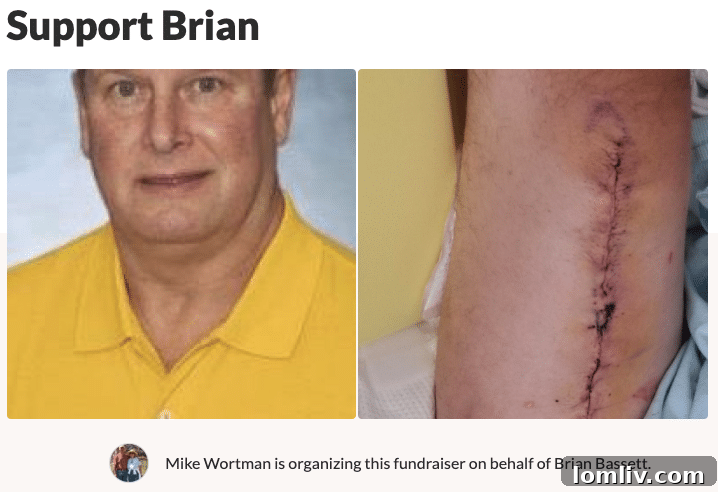
A recent and tragic example vividly illustrates the dangers faced by home inspectors. Brian Bassett, a home inspector with Wall-2-Wall Home Inspections, was simply performing his professional duties when he was attacked and severely mauled by a trio of pit bulls. This brutal incident resulted in severe injuries, necessitating multiple surgeries to repair his badly damaged legs. Bassett’s story is a harrowing reminder that the threats to real estate professionals extend far beyond human assailants; they also include the unpredictable behavior of animals left unsecured on a property. The long-term physical and emotional trauma from such an attack can be devastating, impacting not only the individual’s ability to work but also their overall quality of life.
The Unseen Threat: Unrestrained Animals and Regulatory Gaps
One of the most perplexing aspects of property showings and inspections is the lack of specific requirements for homeowners to restrain their animals. Occupants of a home being marketed for sale or rent are, in many jurisdictions, under no explicit legal obligation to secure their pets to ensure the safety of agents, inspectors, appraisers, and other professionals entering the property. The onus often falls on the agent or professional to request that animals be removed or restrained, a request that is not always met with full cooperation or, even if agreed upon, is not always foolproof. This regulatory void creates a significant liability and safety risk for all involved.
The problem is multifaceted. Sellers, sometimes out of habit or a lack of understanding of the risks, may simply leave their pets uncrated or unsupervised. Even well-behaved pets can become stressed or aggressive when strangers enter their territory. For professionals who visit multiple homes a day, encountering an unrestrained, potentially aggressive animal adds an unpredictable and often frightening dimension to their work. This is particularly true for vacant homes, where animals may be left behind temporarily, or properties in distress where animals might be feral or neglected. Addressing this gap requires a concerted effort from real estate associations, legal bodies, and local governments to establish clear, enforceable guidelines for pet owners during property visits.
Charting a Safer Course: Recommendations for Industry Standards and Governance
Considering the pervasive and often severe dangers that real estate professionals face in the course of doing business, the time is ripe for governing bodies, professional associations, and even legislative entities to take decisive action. The current patchwork of individual safety measures and voluntary best practices, while commendable, is insufficient to provide comprehensive protection. A more unified and systematic approach is desperately needed to safeguard those who are integral to the real estate economy.
Mandatory Safety Training and Education
Firstly, professional organizations like NAR and state real estate commissions should implement mandatory, comprehensive safety training as a prerequisite for licensing and ongoing professional development. This training should cover threat assessment, de-escalation techniques, self-defense basics, digital safety protocols, and a clear understanding of legal rights and responsibilities. Regular refresher courses should be required to ensure agents remain vigilant and informed about evolving threats and best practices. This standardized education would equip every professional with essential knowledge, moving beyond voluntary participation to universal competence.
Standardized Client Verification and Appointment Protocols
Secondly, industry-wide standards for client verification and appointment scheduling are crucial. This could include requiring all first-time clients to provide verifiable identification, meeting initial clients at a secure, public office setting before showing properties, and implementing a mandatory “check-in/check-out” system for all showings and inspections. For open houses, a minimum of two agents or trained personnel should ideally be present, especially in higher-risk areas or properties. Agencies should also be encouraged, or perhaps even mandated, to conduct basic background checks on potential clients for properties where a specific risk profile is identified, within legal and privacy boundaries. Implementing a universal system for reporting suspicious individuals or incidents would also create a valuable database for sharing vital safety information.
Legislative and Regulatory Action
Thirdly, legislative and regulatory bodies have a significant role to play. Laws could be enacted to hold homeowners accountable for ensuring their pets are secured during professional visits, with clear penalties for non-compliance leading to injury. Furthermore, stronger laws protecting real estate professionals from assault, harassment, and threats, similar to those for emergency responders or healthcare workers, could deter potential attackers and ensure harsher penalties for perpetrators. Creating streamlined reporting mechanisms for violent or threatening incidents, perhaps through a centralized, confidential portal, would also allow for better data collection and more targeted safety initiatives.
Technological Integration and Support
Finally, there should be a greater push for the integration and subsidization of safety technology. Real estate boards could partner with safety app developers to provide subsidized or mandatory access to advanced personal safety applications for all licensed professionals. Moreover, advocating for the development of smart home technologies that can temporarily secure pets or provide remote monitoring during showings could offer an innovative solution to existing problems.
The safety of real estate professionals is not merely an individual concern; it is an industry-wide imperative. By fostering a culture where safety is paramount, establishing robust training programs, implementing standardized protocols, and enacting supportive legislation, the real estate community can collectively work towards a future where professionals can conduct their business without fear, ensuring that service never comes at the cost of personal safety.