By Ryan Casey Stephens, FPQP®
Special Contributor
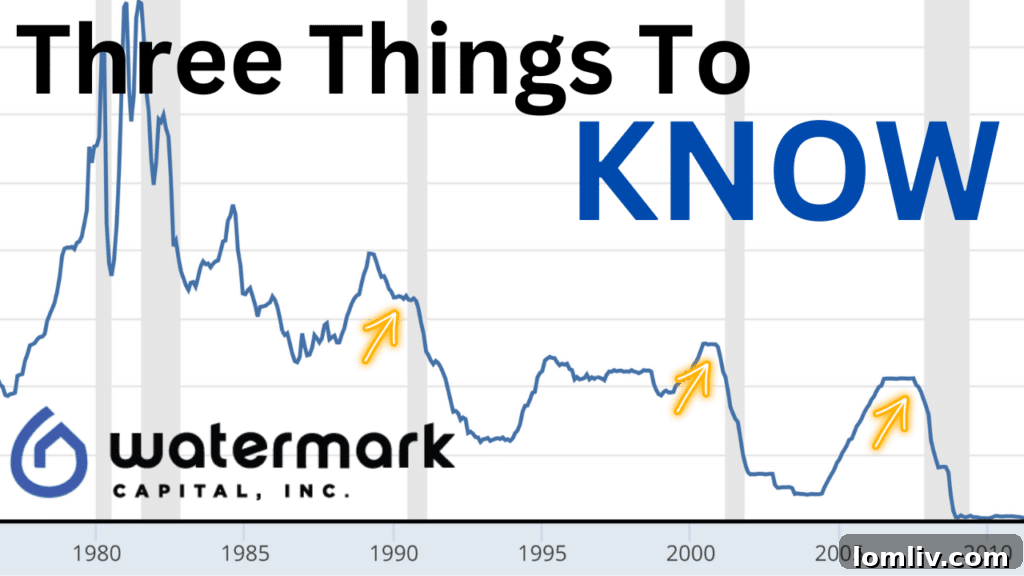
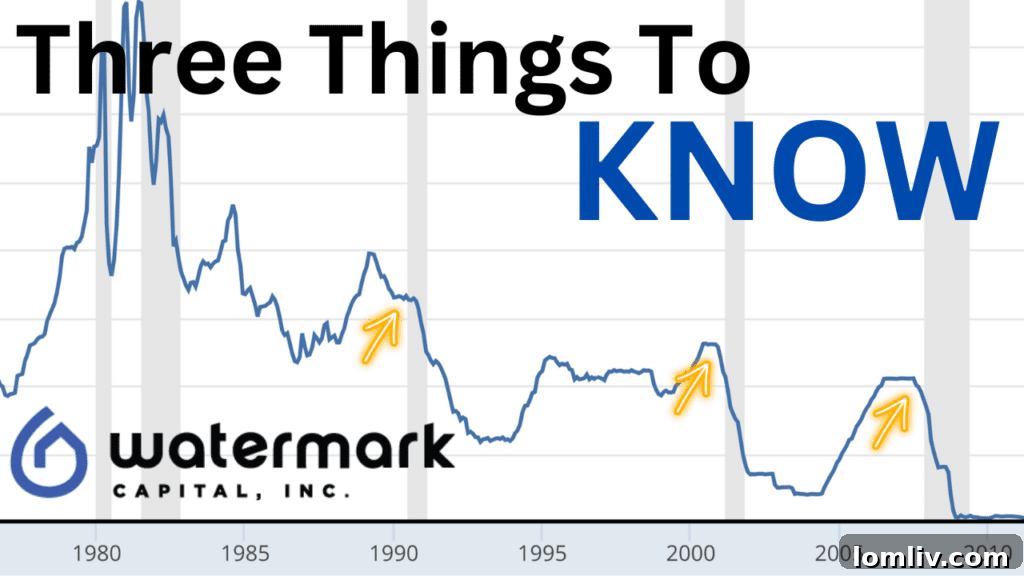
In the dynamic world of real estate and finance, understanding the forces that shape mortgage rates is paramount for homeowners, potential buyers, and industry professionals alike. As of this writing, we find ourselves at a critical juncture where mortgage bonds and, consequently, interest rates are approaching their second-worst levels observed since February. This trend follows a welcome period of weekly rate drops since early March, which had significantly invigorated local housing markets. While it’s certainly not the time for discouragement, there are compelling reasons to carefully consider the possibility of sustained rate increases. What intricate mechanisms are driving this shift, how long might it persist, and what lasting repercussions could it have on our local real estate landscapes? We will meticulously explore these questions and more in this week’s essential guide to Three Things to Know.
Navigating the complexities of current economic indicators requires a clear and concise breakdown of the underlying factors. From the nuanced decisions of the Federal Reserve to the broader implications of inflation and market sentiment, every piece of the puzzle contributes to the overall picture of mortgage rate trends. Our goal here is to demystify these powerful economic forces, offering actionable insights and a balanced perspective on what lies ahead for the housing market. By dissecting recent developments and historical patterns, we aim to provide a comprehensive understanding that empowers you to make informed decisions in an ever-evolving financial environment.
An Unexpected Revelation: The Fed’s Stance and Market Reaction
The financial community eagerly anticipated last week’s CPI and PPI inflation reports, hopeful for signs of cooling economic pressures. Indeed, the data delivered, pointing to inflation that was cooler than anticipated over the preceding month. For many observers, including myself, this positive news should logically have translated into more favorable mortgage rates, given the well-established inverse relationship between inflation trends and lending costs. However, contrary to expectations, rates have begun an upward climb once again. This perplexing divergence can largely be attributed to how the market has begun to digest a truly startling discovery that emerged from the recently released notes of the last Federal Reserve meeting.
Recall that at its most recent meeting, the Federal Reserve opted for a .25 percent rate hike, a decision made despite widespread apprehension concerning a potential national banking crisis. The core of this unexpected market reaction stems from a crucial detail we only recently learned: the staff responsible for preparing the economic outlook for the Fed—the very team whose analyses inform the central bank’s decisions—switched to officially predicting a recession in 2023. This marks the first time such a projection has been made since the current battle against inflation commenced, sending ripples of uncertainty through the financial world.
This revelation is undoubtedly the most prominent driver behind the current losses in the market, for two significant reasons. Firstly, it represents a departure from traditional Fed policy. Historically, the Federal Reserve has been hesitant to hike rates aggressively when a recession is foreseen. Once economic staff detect an impending downturn, the Fed typically begins to ease its monetary policy, aiming to mitigate the depth and duration of the recession. The knowledge that the Fed proceeded with a rate hike despite being aware of a likely recession this year has generated considerable angst and speculation within financial markets. Investors are questioning the central bank’s judgment and its commitment to preventing a severe economic contraction, leading to increased volatility.
Secondly, this unexpected move also strongly signals that inflation is not retreating at the pace the Federal Reserve desires. The decision to hike into a forecasted recession suggests that the Fed views inflation as a more persistent and entrenched problem than previously understood, demanding continued aggressive action. This perception is creating significant anxiety among investors, as it implies that the Fed may not be able to effectively wield its monetary policy levers to reduce inflation with the same efficacy and predictability it once did. The market is left wondering if the tools available to the Fed are proving less potent against the current inflationary environment, leading to a prolonged period of uncertainty and potentially higher rates as the central bank continues its fight.
First Thing to Know:
The Federal Reserve’s decision to implement a rate hike despite its own economic staff projecting a likely recession is a monumental piece of information. This has profoundly rattled markets, leading to a significant deterioration in mortgage interest rates as investors grapple with the implications of the Fed’s assertive stance on inflation amidst recessionary fears.
We’re Not Going to Lose All Ground: A Measured Look at Market Resilience
Given the current market volatility, it is entirely natural to ponder, “How long will this period of rising rates endure?” To put the situation into perspective, it’s helpful to recall the longest sustained period of rising rates we experienced this year, which spanned from February 3 to March 9. During this timeframe, the average 30-year mortgage rate surged significantly, climbing from 6.1 percent to a challenging 7 percent. That period was characterized by unique geopolitical tensions, including a spy balloon incident looming over the nation, and Wall Street’s collective punishment of homebuyers, primarily because investors were desperately hoping for a pause in Fed rate hikes—a pause they ultimately did not receive. While the possibility of another month ahead marked by rising rates cannot be entirely dismissed, my analysis suggests that a repeat of that extended, dramatic surge is unlikely to be the case this time.
Several key differences distinguish the present environment from the earlier February-March period, offering a more optimistic outlook for the duration of this current rate increase cycle. One crucial divergence lies in the clarity of the Federal Reserve’s messaging. Investors now have a much clearer understanding that the Fed is highly likely to hike rates at least one more time in April. The central bank’s communication has been unequivocal, and many economic experts are predicting that further hikes could extend beyond April if inflation does not demonstrate a more rapid deceleration. This transparent communication, while signaling continued tightening, paradoxically reduces market uncertainty by setting clear expectations, allowing investors to price in future actions more effectively.
Furthermore, we are currently not facing the same imminent risks of global economic instability or persistent whispers of a widespread banking crisis that characterized the earlier period. Those concerns amplified market anxiety, leading to more dramatic and prolonged reactions. The current absence of such acute threats provides a more stable foundation, even amidst the present challenges. My personal expectation is that by the time of the Federal Reserve’s crucial meeting and press conference scheduled for April 27 and 28, investors will have had sufficient time to fully process and adjust their strategies to this latest unexpected information. Barring any unforeseen, dramatic new headlines or geopolitical shocks, this adjustment period should pave the way for a more stable and potentially less punishing interest rate environment moving forward.
Second Thing to Know:
The significant and prolonged increase in interest rates witnessed earlier this year was fueled by a confluence of distinct challenges, including geopolitical tensions and a lack of clear Fed guidance. As we are not confronting as many severe, multifaceted obstacles currently, there is a strong likelihood that this present window of market difficulty will be considerably shorter and less impactful.
The Realistic Risk We Face: Impact on Housing and Inventory Dynamics
It is highly probable that the increases in mortgage rates experienced during February and March had a significant dampening effect on the vibrant energy typically associated with the spring housing market. This period, often considered the prime season for real estate activity, failed to fully materialize its potential. While applications for mortgages did show an uptick from February 6 to March 6, this increase was so marginal that overall mortgage demand frustratingly remained lower than it was even in November 2022. This statistic is particularly telling; it indicates that the spring market, traditionally a period of heightened buyer engagement, was more suppressed than the period leading into last Thanksgiving, a time generally characterized by slower homebuying activity. Although we can never precisely quantify the number of prospective buyers who chose to postpone their pre-Spring Break house hunt due to these rate hikes, the stark reality is that higher borrowing costs significantly curtailed market enthusiasm.
Adding to these concerns, the trajectory of Pending Home Sales, a forward-looking indicator of housing market health, has been up since January, signaling a slow but steady recovery. However, the momentum of this recovery has noticeably decelerated in recent weeks. A primary culprit behind this slowdown is the persistently dismally low housing inventory plaguing the nation. This scarcity of available homes creates a challenging environment for buyers, regardless of interest rates. When there are fewer homes on the market, competition remains high, prices can stay elevated, and potential buyers often find themselves with limited choices, leading to frustration and, often, a decision to delay their purchase.
For the health and vitality of the real estate market, especially in rapidly growing regions like North Texas, it is imperative that interest rates begin to trend lower in the near future. A reduction in rates would serve as a powerful catalyst, encouraging more North Texans to both list their properties and actively pursue real estate purchases. Lower rates not only make homeownership more affordable but also stimulate movement within the market, as existing homeowners who might have been hesitant to sell (due to fear of trading a low rate for a high one) feel more confident to list their homes. This influx of new inventory, combined with renewed buyer demand, is essential for creating a more balanced and robust housing ecosystem. Without this crucial shift in rates, the risk is significant: prospective buyers may choose to remain in a state of hibernation, delaying their entry into the market until the summer months, a period when real estate traffic traditionally experiences a natural seasonal slowdown. Such a prolonged deferral of activity would further strain an already constrained market, potentially leading to stagnation and missed opportunities for both buyers and sellers alike.
Third Thing to Know:
Should mortgage bonds fail to reverse their current course soon, we face the distinct risk of prospective buyers prolonging their market hibernation until the summer. This would be particularly problematic, as summer traditionally marks a period when real estate traffic naturally drops off, potentially exacerbating market slowdowns and hindering recovery.

Ryan Casey Stephens FPQP® is a mortgage banker with Watermark Capital, providing expert guidance and financial solutions. You can reach him directly at [email protected] for personalized advice on navigating the current mortgage landscape.