The Shifting Sands of Real Estate Marketing: Why Traditional Print Ads Are Obsolete
The real estate industry is in a constant state of evolution, driven by technological advancements and changing consumer behaviors. As we look back at the past decade and peer into the future, one stark reality becomes increasingly evident: the ways in which people find and purchase homes have fundamentally transformed. Yet, surprisingly, many real estate brokerages continue to pour significant portions of their marketing budgets into advertising methods that yield minimal returns.
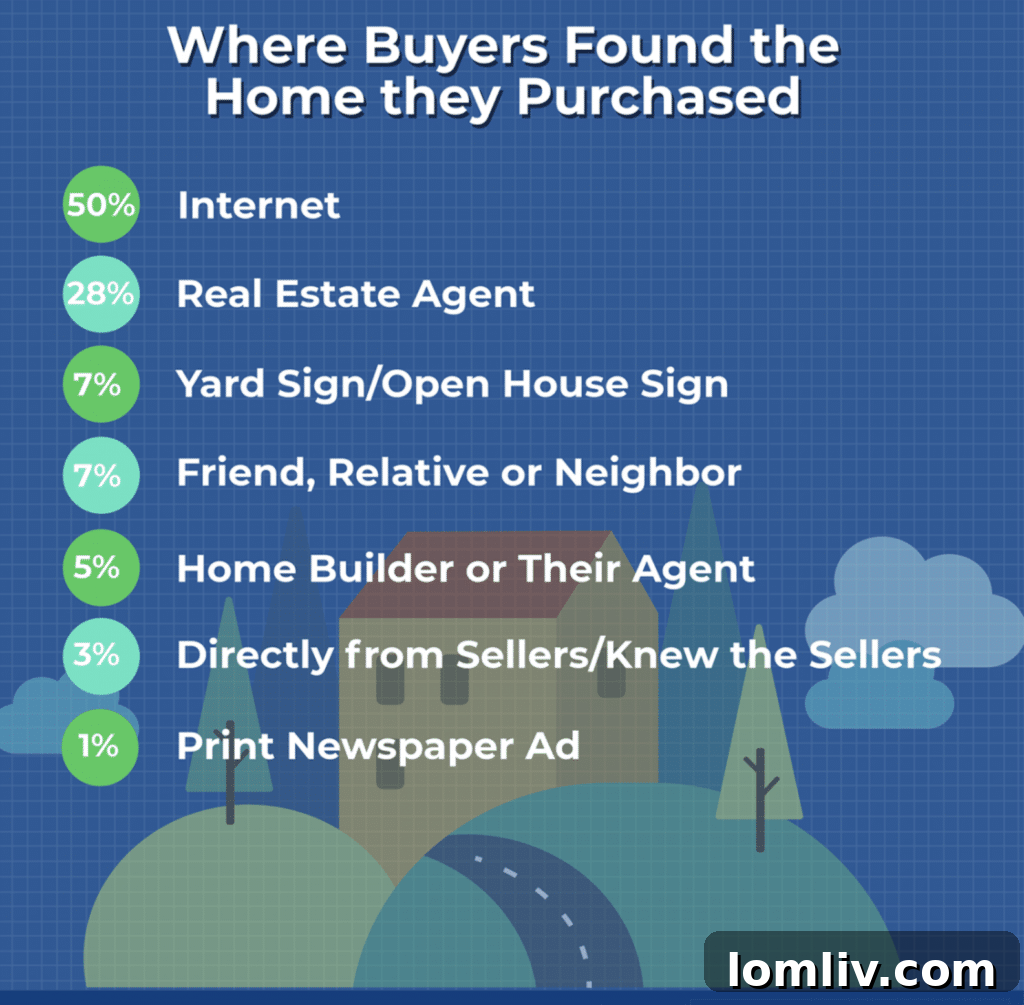
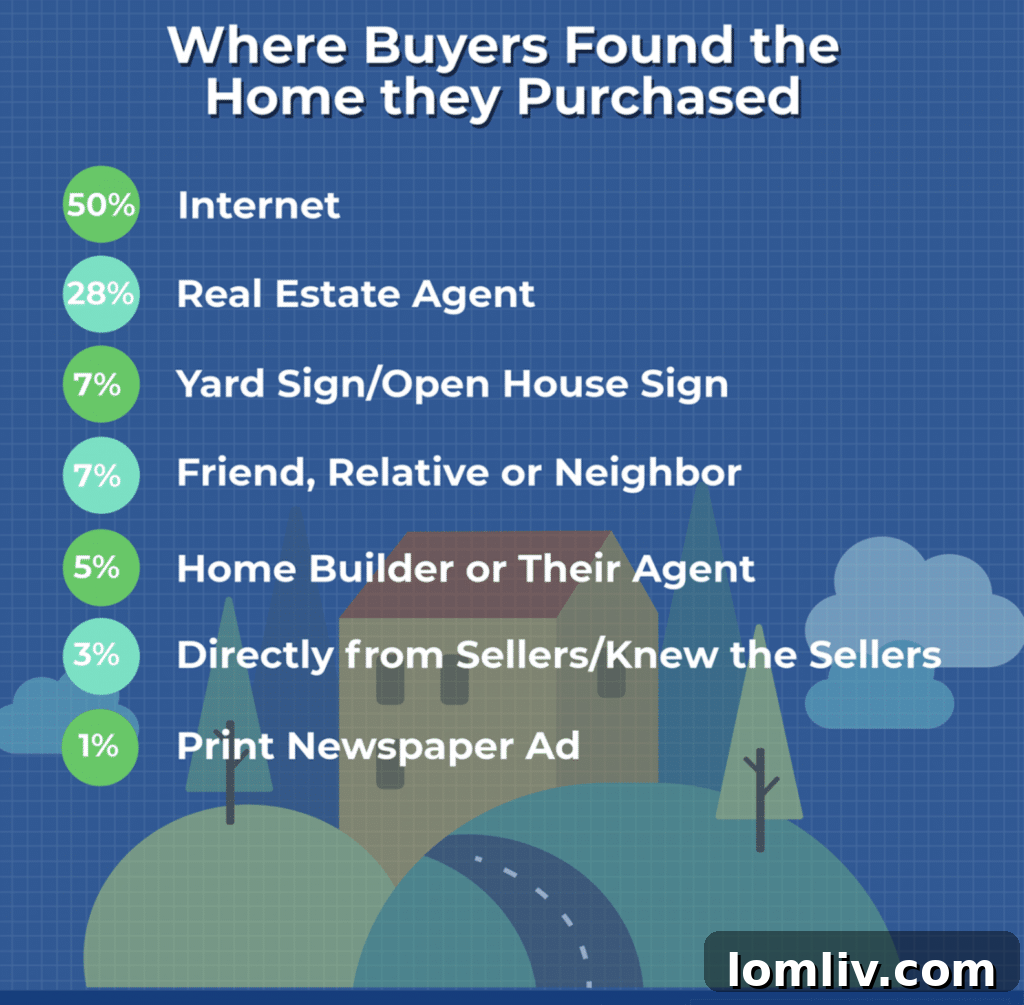
Consider this revealing statistic from the National Association of Realtors 2018 Home Buyers and Sellers Profile: a mere one percent of consumers reported finding the homes they eventually purchased through print advertisements. This finding is not an anomaly; it reflects a long-term trend away from traditional media in favor of digital platforms. Despite this undeniable data, print advertising still consumes substantial marketing budgets across numerous brokerages. The critical question that begs an answer is: why does this disconnect persist, and what does it mean for the future of real estate marketing?
The Irreversible Shift: How Today’s Home Buyers Search
The modern home buyer’s journey begins overwhelmingly online. Gone are the days when Saturday morning meant grabbing the local newspaper’s real estate section or driving around looking for “For Sale” signs. Today, the search for a new home is an “always-on” endeavor, accessible 24/7 from a smartphone, tablet, or computer. Prospective buyers leverage an array of digital tools and resources to explore listings, research neighborhoods, and connect with agents long before they ever step foot in an open house.
Online portals like Zillow, Realtor.com, Trulia, and local MLS websites have become the primary gateways for discovery. These platforms offer comprehensive listings, high-resolution photos, virtual tours, detailed property information, neighborhood demographics, school ratings, and even mortgage calculators. Social media channels, from Facebook and Instagram to TikTok, also play an increasingly vital role, allowing agents to showcase properties through engaging videos, stories, and targeted ads. Buyers are no longer passively waiting for information; they are actively seeking it out, expecting instant access to a wealth of data at their fingertips. This fundamental shift underscores the diminishing relevance of static, limited-information print ads, which simply cannot compete with the dynamic, interactive, and comprehensive experience offered by digital alternatives.
The Dominance of Digital: Effective Marketing in the Modern Era
For real estate professionals looking to thrive in today’s competitive market, embracing digital marketing is not an option but a necessity. A robust digital strategy encompasses multiple facets, each designed to capture buyer attention, build trust, and generate qualified leads:
- Search Engine Optimization (SEO) & Content Marketing: High-ranking agent and brokerage websites become invaluable assets. Through well-crafted blog posts, neighborhood guides, market reports, and helpful articles, agents can attract organic traffic, establish themselves as local experts, and answer common buyer questions, positioning themselves as a trusted resource.
- Social Media Marketing: Platforms like Instagram for stunning visuals, Facebook for community building and targeted ads, and LinkedIn for professional networking allow agents to connect with potential clients, share new listings, provide market insights, and cultivate a strong personal brand. Video content, virtual walkthroughs, and live Q&A sessions are particularly effective.
- High-Quality Visuals & Virtual Tours: In an online-first world, captivating photography, professional videography, and immersive 3D virtual tours are non-negotiable. These tools allow buyers to experience a property remotely, significantly narrowing down their options before in-person visits and saving time for both buyer and agent.
- Email Marketing: Building an email list and sending targeted newsletters with new listings, market updates, and valuable tips keeps potential buyers engaged and nurtures leads over time. Personalization and segmentation ensure that subscribers receive relevant content.
- Paid Digital Advertising (PPC & Display Ads): Platforms like Google Ads and social media advertising enable hyper-targeted campaigns. Agents can reach specific demographics, geographic areas, and interest groups, ensuring their marketing spend reaches the most likely buyers with measurable results.
- Agent Websites & CRM Systems: A professionally designed, mobile-responsive website serves as an agent’s digital storefront, while Customer Relationship Management (CRM) systems help manage leads, track interactions, and automate follow-ups, ensuring no opportunity is missed.
These digital channels offer unparalleled reach, precise targeting capabilities, and most importantly, measurable results. Marketers can track clicks, impressions, conversions, and return on investment (ROI) with remarkable accuracy, allowing for continuous optimization of campaigns.
The Allure of Antiquity: Why Print Advertising Lingers
Given the overwhelming evidence pointing to the inefficiency of print advertising, its continued prevalence in real estate marketing budgets warrants a closer examination. Several factors contribute to its enduring, albeit diminishing, presence:
- Historical Inertia and Habit: For decades, print media—newspapers, magazines, and real estate guides—were the primary vehicles for property advertising. Many brokerages and agents operate on the principle of “that’s how we’ve always done it,” making it difficult to pivot away from established practices, even in the face of new data.
- Perceived Prestige and Brand Building: Some brokerages, particularly those in the luxury market, believe that a presence in high-end print publications confers a sense of prestige and reinforces their brand image. While there might be a subtle branding effect, its direct impact on lead generation for the majority of properties is negligible compared to digital channels.
- Agent Expectation and Seller Impression: Often, print ads are used less as a tool to attract buyers and more as a “listing tool” to impress sellers. Agents might feel pressured to include print advertising in their marketing proposals to demonstrate a comprehensive strategy, even if they internally doubt its effectiveness. Sellers, especially those from older generations, might still expect their property to be featured in print.
- Lack of Data-Driven Decision Making: Many real estate companies have not fully embraced a data-centric approach to their marketing spend. Without rigorous tracking and analysis of ROI for each marketing channel, budget allocation can remain based on gut feeling, historical practices, or competitor actions rather than actual performance metrics.
- Tangibility and Visual Appeal: A physical brochure or magazine can feel more substantial and aesthetically pleasing than a digital ad to some. For a very niche segment of buyers, particularly those who are less tech-savvy or who value a curated, tactile experience, print might still hold a sliver of appeal, but this segment is shrinking rapidly.
- Vendor Relationships: Long-standing relationships with print publishers and media companies can also contribute to the perpetuation of print ad spending, making it challenging for brokerages to reallocate budgets without disrupting existing agreements.
While some of these reasons touch upon legitimate strategic goals like brand building, the core problem lies in disproportionate allocation. If only 1% of buyers find homes via print, then a significant portion of the budget spent there is inherently inefficient, regardless of perceived prestige.
Beyond the “Why”: Reallocating Resources for Maximum Impact
Understanding the reasons behind the persistence of print advertising is crucial, but the next step is to strategize a more effective path forward. The imperative for real estate brokerages and agents is to pivot towards data-driven marketing decisions, ensuring every dollar spent contributes meaningfully to lead generation and sales.
The solution isn’t necessarily a complete eradication of all physical marketing, but rather a radical re-evaluation and reallocation of resources. For instance, highly targeted direct mail campaigns to specific neighborhoods or luxury brochures for high-net-worth individuals *might* still hold some niche value as supplementary tools. However, these should be seen as complements to a robust digital strategy, not replacements for it. The vast majority of marketing budgets should be directed towards channels where buyers are actively engaged:
- Investment in Digital Expertise: Training agents in social media best practices, SEO, and content creation is vital. Hiring digital marketing specialists or partnering with agencies that understand the real estate landscape can bridge knowledge gaps.
- Technology Adoption: Investing in state-of-the-art photography equipment, drone videography, 3D scanning technology for virtual tours, advanced CRM systems, and powerful analytics platforms will yield significant returns.
- Performance-Based Budgeting: Implementing systems to track the ROI of every marketing campaign, digital or otherwise, is paramount. Budgets should be fluid, shifting towards channels that demonstrate the highest conversion rates and lowest cost per lead.
- Educating Sellers: Agents need to proactively educate sellers about modern buyer behavior and the effectiveness of digital marketing. By showcasing real-time analytics and online reach, agents can demonstrate the superior value of digital strategies over traditional print.
- Holistic Brand Presence: While digital should be primary, ensuring brand consistency across all touchpoints – from a professional website to a well-designed business card – is important. The goal is a seamless, professional experience for the client, regardless of how they first encounter the brand.
The real estate industry is dynamic, and consumer preferences will continue to evolve. Those who embrace change, leverage technology, and prioritize data-driven strategies will be best positioned for sustained success.
Conclusion: The Future is Digital, Not Print
The statistic from the National Association of Realtors—that only one percent of home buyers discover their properties through print ads—serves as a powerful wake-up call. It’s a clear indictment of outdated marketing practices and a strong signal for the urgent need for transformation within the real estate sector. The modern home buyer is unequivocally online, seeking instant access to information, immersive experiences, and personalized interactions.
Continuing to heavily invest in print advertising in an age of digital dominance is akin to using a flip phone in a smartphone world: it’s inefficient, costly, and ultimately ineffective. Brokerages and agents must shed the inertia of traditional methods and fully commit to the digital landscape. By reallocating budgets from low-impact print to high-impact digital channels, investing in cutting-edge technology, and fostering a culture of data-driven decision-making, real estate professionals can not only meet but exceed the expectations of today’s discerning home buyers, ensuring relevance and robust growth for the decade to come. The future of real estate marketing is undeniably digital-first, focused on efficiency, measurability, and genuine buyer engagement.