As the crisp autumn air settles in and the leaves begin to turn, October officially ushers in the spooky season. For many, this means delightful frights like haunted houses and costume parties. However, there’s a different kind of “scary” that homeowners and prospective buyers sometimes encounter – the chilling discoveries made during a home inspection. These aren’t the fun, jump-scare kind of frights; they’re the genuinely concerning issues that can impact your safety, finances, and peace of mind. Welcome to another edition of Upon Closer Inspection, where we delve into some of the most unnerving and potentially dangerous home inspection finds. Our goal is to highlight these hidden horrors, ensuring you’re equipped to identify and address them, keeping your home a safe and secure haven rather than a house of horrors.
Forewarned is forearmed. Here’s hoping your property never reveals any of these truly scary home inspection issues:
When the Roof Was on Fire: Uncovering Hidden Damage
Imagine peering into an attic, expecting to see insulation and rafters, only to be met with a landscape of blackened, crumbling wood. This isn’t a design choice; it’s the stark reality of severe fire damage. The video vividly illustrates this nightmare scenario, where structural components like joists and trusses are visibly charred and dangerously deteriorated. When a home has experienced a fire, the visible damage is often just the tip of the iceberg. The integrity of the entire structure can be compromised, and it’s crucial that any charred wood be meticulously assessed for the extent of charring and its impact on the wood’s load-bearing capacity. Superficial charring might not always necessitate full replacement, but severe charring often means the wood has lost its structural strength and resilience.
The evaluation of fire-damaged wood requires specialized expertise. A professional structural engineer must inspect the affected areas to determine if components need to be replaced, reinforced, or if the overall structural integrity of the home has been compromised. Ignoring such damage can lead to catastrophic consequences down the line, including roof collapse or instability of floors and walls. Beyond the immediate structural concerns, fires can also cause hidden damage to electrical systems, plumbing, and HVAC ducts, as well as leaving behind lingering smoke odors and potential air quality issues from soot. These are not minor cosmetic fixes; they are fundamental repairs essential for the safety and habitability of the home.
It’s hard to imagine anything more terrifying than a house fire. If you are considering purchasing a home that has a history of fire damage, diligent investigation is paramount. Gather as much documentation as possible regarding the fire’s cause, the extent of the damage, and all subsequent repairs. Request detailed reports from fire departments, insurance claims, and licensed contractors who performed the restoration work. This due diligence ensures that both the root cause of the fire and all related structural and systemic damages have been thoroughly remedied by qualified professionals, offering you genuine peace of mind rather than a lingering sense of dread. Prioritizing thorough inspections and expert assessments in such cases is not just recommended, it’s absolutely essential for your safety and investment.
Frankenstein’s Microwave: A Shocking Appliance Anomaly
@greenscenehome That’s generally what happens when you put metal in the microwave… Science project gone wrong? #weirdscience #homeinspectionfinds #electrocution #dontdothat #appliances #homeinspection #dallasrealestate #fortworthrealestate #austinrealestate #askahomeinspector
♬ original sound – Green Scene Home Inspections – Green Scene Home Inspections
(Note: For the actual video content, a full TikTok embed with JavaScript is typically required. The above preserves the textual context and links.)
What in the realm of “Weird Science” could possibly explain metal literally installed inside a microwave oven? This perplexing discovery is not just baffling; it’s a significant safety hazard. Microwaves operate by emitting electromagnetic radiation that causes water molecules in food to vibrate and generate heat. When metal objects are placed inside, these electromagnetic waves cannot penetrate them. Instead, the metal reflects the waves, causing an intense build-up of energy. This can lead to arcing – visible sparks or flashes of electricity – and can quickly damage the microwave, create smoke, or even ignite a fire.
The sheer disregard for basic appliance safety, or perhaps an alarming lack of understanding of how a microwave functions, makes this find particularly unsettling. A home inspector’s job is to uncover such anomalies, which often indicate a broader pattern of negligence or improper DIY modifications throughout the property. This kind of “Frankenstein” appliance is a ticking time bomb, capable of causing serious injury or property damage. It underscores the critical importance of ensuring all home appliances are installed and used according to manufacturer specifications and general safety guidelines. This isn’t just a quirky malfunction; it’s an immediate fire risk that demands professional attention and correction. When it comes to kitchen safety, common sense and adherence to appliance instructions are paramount, something clearly overlooked in this shocking instance.
Shocking, at Best: Navigating Dangerous Electrical Hazards
View this concerning electrical setup on Instagram: Electrical Panel Hazard Reel by Home Inspector
In the realm of home safety, electrical systems are often invisible yet critical. An improperly wired electrical panel is not just an inconvenience; it’s a severe threat, potentially leading to electrocution, appliance damage, or catastrophic electrical fires. The scenario described – incorrect neutral wire connections, a green bonding screw misplaced in a subpanel, and the use of sharp-tipped screws on the panel cover – epitomizes a dangerous DIY electrical fail or, even worse, the work of an unqualified “professional.”
Let’s break down these electrical nightmares. Neutral wires are designed to return current to the service panel. Each neutral wire should have its own designated terminal connection. Bundling multiple neutral wires under a single screw, as is often seen in amateur work, creates excessive resistance. This can lead to overheating, which degrades wire insulation over time and increases the risk of fire. Similarly, the green bonding screw is crucial for grounding the main service panel, creating a direct path to the earth for fault currents. However, its presence in a subpanel is incorrect and dangerous. In a subpanel, the neutral and ground systems must be kept separate to prevent current from flowing on the ground wire, which could electrify metallic enclosures and create a shock hazard.
Furthermore, the issue of blunt-tipped versus sharp-tipped screws for electrical panel covers is a critically overlooked safety detail. The panel’s dead front cover protects occupants from live electrical components. Blunt-tipped screws are specifically designed for this purpose, minimizing the risk of accidental contact with energized wires or circuit breakers during installation or removal. Sharp-tipped screws, however, can easily pierce wire insulation, make contact with live terminals, or scrape against bus bars. This can instantly create an electrical arc or a short circuit, causing sparks, explosions, and a significant risk of electrocution for anyone working on or near the panel. The ensuing arc fault, a visible plasma discharge reaching temperatures exceeding 35,000 degrees Fahrenheit, can cause severe burns, blindness, hearing damage, release poisonous gases, generate high-speed shrapnel, or even result in a shock wave explosion. This highlights why electrical work is never a job for amateurs; it requires a licensed, experienced electrician who adheres to strict codes and safety standards.
Any homeowner or prospective buyer identifying such electrical anomalies during a home inspection should consider it a red flag of the highest order. These issues are not negotiable and demand immediate correction by a qualified electrician to prevent potentially fatal outcomes and ensure the safety of everyone in the home. Never underestimate the power and danger of improperly managed electricity. Prioritizing correct electrical installations and repairs is foundational to home safety and preventing unimaginable tragedies.
What Lurks in the Crawlspace: Uninvited Guests and Hidden Havoc
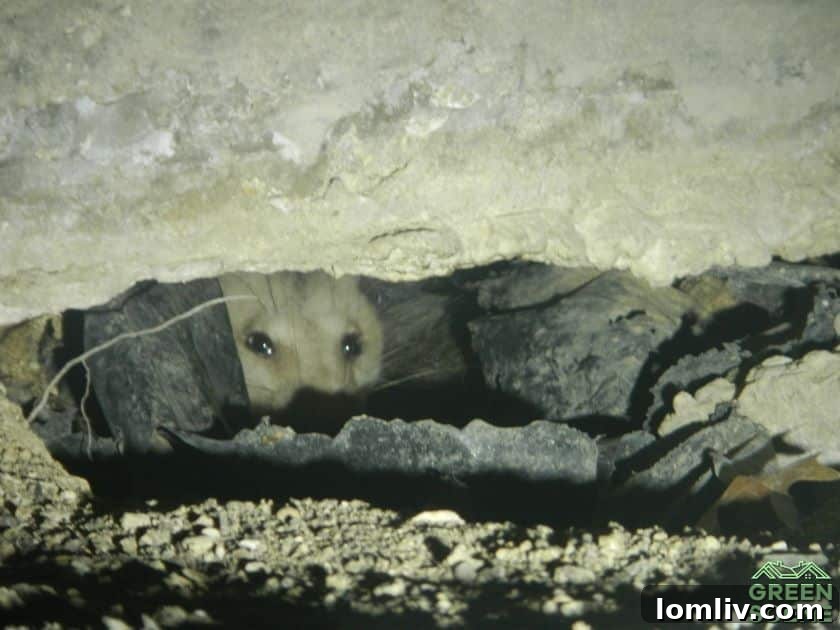
The crawlspace is often the forgotten frontier of a home, dark and out of sight. But when a home inspector peers into that abyss and finds evidence that “the crawlspace looks back,” it’s usually a sign of an unwelcome and potentially damaging pest infestation. As temperatures drop in the fall, various critters — from squirrels and raccoons to rats, mice, and even larger animals like opossums — begin actively seeking warm, sheltered environments to nest for the winter. Your home’s crawlspace, attic, and wall cavities are prime targets, offering protection from the elements and potential access to food and water.
A critical component of fall home maintenance is to meticulously seal any gaps, cracks, or openings in your home’s foundation, exterior walls, and roofline to prevent these unwanted guests from gaining entry. Even a small crack can be an open invitation for mice, who can squeeze through openings as small as a dime. Once inside, these pests don’t just reside; they cause significant damage. Rodents, for instance, are notorious for gnawing on electrical wires, which not only creates a fire hazard but can also lead to power outages and expensive repairs. They can destroy insulation, reducing your home’s energy efficiency and increasing heating and cooling costs. Pests also leave behind droppings and urine, contaminating the area, introducing allergens, and potentially spreading diseases like Hantavirus, salmonella, and leptospirosis. Beyond the structural and health risks, the persistent odors from urine and decaying matter can permeate your living spaces, making the home uncomfortable and unsanitary.
If you begin to hear the tell-tale pitter-patter of tiny footsteps, scratching, or scurrying noises beneath your floors, above your ceilings, or within your walls, it’s a strong indication that you have resident pests. Other signs include gnaw marks on wood or wires, disturbed insulation, unusual odors, or actual sightings of pests or their droppings. Attempting to tackle a serious infestation yourself can be ineffective and even dangerous. Professional pest control experts possess the knowledge, tools, and experience to accurately identify the type of pest, locate their entry points, humanely remove them, and implement long-term exclusion strategies. Ignoring a pest problem won’t make it disappear; it will only allow the infestation to grow, escalating the damage and the health risks. A thorough home inspection will reveal these hidden infestations, providing critical insights into the scope of the problem and the necessary steps for remediation, safeguarding both your property and your family’s well-being.
Ultimately, a home should be a sanctuary, not a source of constant worry or danger. By remaining vigilant about your home’s various systems and promptly addressing any changes or unusual occurrences, you can significantly mitigate the risk of dangerous repair issues. However, the most proactive step you can take, especially when buying or selling a property, is to invest in a comprehensive professional home inspection. A certified inspector possesses the expertise to uncover these “scary” hidden problems, from structural damage and electrical hazards to pest infestations, providing you with a detailed understanding of the property’s condition from the outset. This invaluable knowledge empowers you to make informed decisions, negotiate necessary repairs, and ensure that your home remains safe, sound, and truly your haven for years to come. Don’t let hidden horrors turn your dream home into a nightmare; inspect it thoroughly.