Navigating the Future of Fair Park: A Critical Juncture for Dallas Urban Development
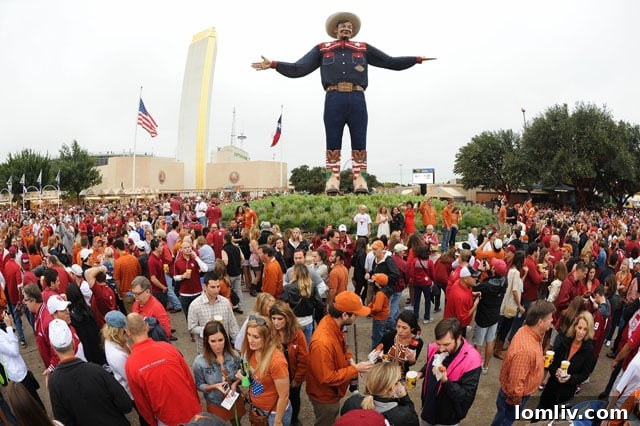
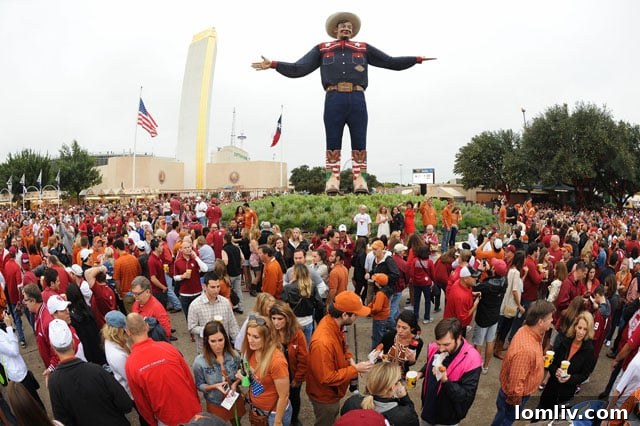
Fair Park, a cherished historic landmark and a vital cultural hub in Dallas, Texas, stands at a pivotal crossroads. As discussions intensify regarding its future, the Dallas City Council finds itself embroiled in a complex debate surrounding a significant revitalization proposal. This ongoing dialogue underscores the broader challenges of urban development, community engagement, and equitable growth within one of America’s fastest-growing cities. The decisions made today will undoubtedly shape the legacy of this iconic venue and its surrounding South Dallas community for generations to come.
Currently, three appointed Dallas City Council members, tasked by Mayor Mike Rawlings, are meticulously refining the Fair Park proposal initially presented by Walt Humann on August 29th. This high-stakes plan, which has sparked considerable public interest and contention, is slated for a decisive vote by the full City Council on September 21st. While the mayor and his proponents are eager to push the initiative forward, a significant portion of the community and some council members remain skeptical, striving to introduce a more deliberate and inclusive approach to Fair Park’s transformation. Early indications suggest a vote split of 10 for and 5 against, signaling a contentious but potentially predetermined outcome.
Mayor Rawlings’ “Power Through” Approach: Drawing Parallels to Obamacare
Mayor Mike Rawlings has conspicuously framed the urgency of the Fair Park proposal by drawing a controversial parallel to the Affordable Care Act, commonly known as Obamacare. “President Obama said ‘we gotta get health care done’ and then he powered through it,” Rawlings reportedly stated, indicating his intent to “power through” what he terms “Fair Park Care.” This rhetoric, while aiming to convey a sense of decisive leadership and necessary action, has inadvertently fueled skepticism and criticism. The comparison to Obamacare, a policy that faced immense political battles, public confusion, and implementation challenges, suggests a willingness to push through the plan despite significant opposition or unresolved concerns. For many, this analogy raises questions about the administration’s commitment to genuine consensus-building and its readiness to address potential unintended consequences.
The Mayor’s analogy suggests a perception of the Fair Park proposal as a non-negotiable imperative, similar to how the previous presidential administration viewed healthcare reform. However, urban development projects, especially those impacting historic sites and diverse communities, often demand a different approach—one characterized by extensive public dialogue, compromise, and a deep understanding of local needs and historical context. The idea of “powering through” a complex civic project can alienate stakeholders who feel their voices are not adequately heard, potentially leading to long-term resentment and a lack of broad community buy-in, regardless of the plan’s perceived merits.
A Fiery Public Forum: Voices from the Paul Quinn College Panel
The tension surrounding the Fair Park proposal was palpable during a lively panel discussion held on a recent Saturday morning at Paul Quinn College. Sponsored by the African American Leadership Institute and state senator Royce West, the event served as a crucial platform for community leaders and concerned citizens to air their views. The esteemed panel featured Mayor Rawlings and Walt Humann, representing the plan’s proponents, alongside prominent voices of skepticism and alternative visions: Don Williams, Senator Royce West himself, long-standing County Commissioner John Wiley Price, and Michael Phillips, the acclaimed author of White Metropolis. The session was widely described as “full of fireworks,” indicating a passionate and at times confrontational exchange of ideas.
The forum provided a rare opportunity for direct engagement between the city’s leadership and a critical segment of the South Dallas community. Attendees had the chance to witness the diverse perspectives shaping the debate, moving beyond official press releases and into the raw reality of public discourse. Video recordings from the event clearly demonstrate that a substantial portion of the audience was far from pleased with the Mayor’s proposed plan. A standout moment, discernible in the videos, was the emphatic applause following Don Williams’ address. Williams articulated a vision that resonated deeply with many: prioritizing the development of Fair Park as a genuine public green space first, followed by serious, sustainable economic development. This contrasted sharply with fears of merely creating more low-paying service jobs, such as lawn mowing, which many feel do not adequately address the long-term economic empowerment needs of the surrounding neighborhoods.
Commissioner John Wiley Price, a formidable and often outspoken figure in Dallas politics, delivered what many described as an “amazing” contribution to the discussion. While details of his specific comments are not fully recounted here, his intervention likely underscored deep-seated concerns about equity, community benefit, and the historical marginalization of South Dallas. Price’s presence on the panel, given his long tenure and advocacy for the African American community, signaled the profound racial and socio-economic dimensions inherent in the Fair Park debate. He likely addressed what many refer to as the “800 lb. gorilla” in the room—a euphemism for the uncomfortable, often unspoken truths about power dynamics, gentrification, and the equitable distribution of resources in urban development projects. This “gorilla” often represents the fear that development, while ostensibly beneficial, could displace existing communities or fail to genuinely uplift long-underserved residents.
Michael Phillips, with his scholarly background and insights into the historical evolution of Dallas’s social and racial landscape, likely offered a critical lens on the proposal. His presence suggested that the Fair Park discussion extends beyond mere economic figures and touches upon deep historical currents of ethnicity, religion, and social stratification that have shaped the city. His contributions would have encouraged a consideration of how current urban planning reflects or challenges past patterns of segregation and inequality, adding an essential layer of historical consciousness to the debate.
The Enduring Impact of Political Rhetoric: “Get ‘Her Done”
One of the most memorable and, for many, concerning aspects of Mayor Rawlings’ advocacy was his repeated comparison of the Fair Park proposal’s urgency to Obamacare. The underlying sentiment seemed to be: sometimes, you just have to “get ‘her done,” even if the outcome proves to be as “messed up as Obamacare.” This phrase, attributed to Rawlings, reveals a pragmatic, perhaps even cynical, political philosophy that prioritizes action and completion over protracted consensus-building. While such an approach can be effective in breaking political stalemates, when applied to public infrastructure and community development, it risks alienating key stakeholders and undermining public trust.
The implication that the Fair Park plan might end up “messed up” yet still be worth pushing through is particularly troubling for residents who envision a truly transformative and equitable future for the park and its surrounding areas. It suggests a potential readiness to compromise on quality or community benefit in favor of simply getting a deal done. This kind of rhetoric can erode confidence in the leadership’s vision and commitment to the best interests of all Dallas citizens, especially those in the directly affected South Dallas neighborhoods.
Looking Ahead: The Stakes for Fair Park and Dallas
As the Dallas City Council prepares for its critical vote on September 21st, the future trajectory of Fair Park hangs in the balance. The predicted 10-5 vote in favor suggests that Mayor Rawlings’ administration may succeed in passing its preferred version of the plan. However, a narrow victory often indicates a lack of broad public mandate and can set the stage for continued friction and challenges during implementation. The dissenting voices on the council and within the community represent significant concerns that, if not adequately addressed, could hinder the long-term success and community acceptance of the revitalization efforts.
The vision articulated by community advocates like Don Williams—a focus on developing Fair Park as a vibrant, accessible green space first, coupled with truly empowering economic development that provides sustainable, well-paying jobs and fosters local entrepreneurship—remains a powerful counter-narrative. This alternative approach emphasizes genuine community investment and ensuring that the benefits of revitalization accrue directly to the residents who have historically called South Dallas home.
The decisions made concerning Fair Park will echo far beyond its historic gates. They will serve as a testament to Dallas’s commitment to inclusive urban planning, equitable development, and the preservation of its cultural heritage. Whether the city chooses to “power through” a potentially flawed plan or seeks to build a more robust, consensus-driven vision remains to be seen. The ideal outcome would be a Fair Park that truly serves all of Dallas, transforming into a source of pride, economic opportunity, and community connection for generations to come, without inadvertently creating new challenges or exacerbating existing inequalities.
Understanding the nuances of this debate is crucial for anyone interested in urban development, public policy, and community empowerment. The videos below offer a direct glimpse into the passionate discussions and diverse perspectives that are shaping this defining moment for Fair Park and the city of Dallas.