1899 McKinney: Dallas’s Iconic Green Wall Redefining Sustainable Urban Living
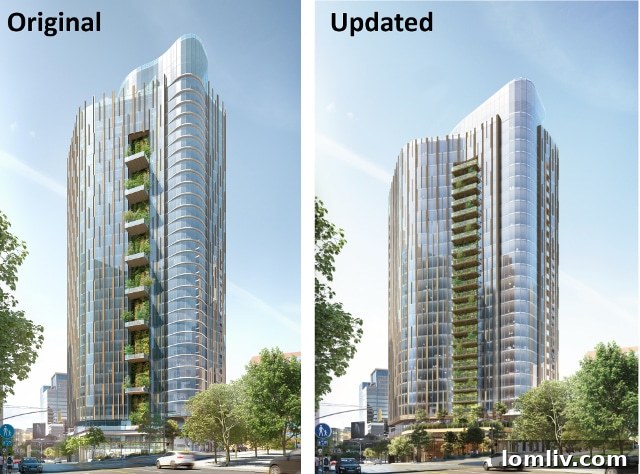
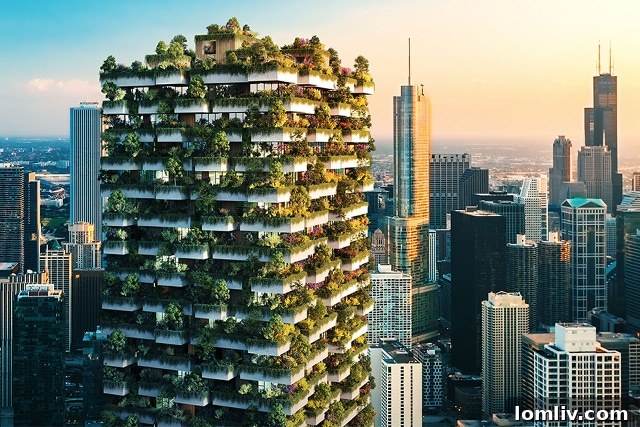
Dallas, Texas is poised for an unprecedented architectural and environmental milestone with the highly anticipated 1899 McKinney high-rise. Situated at the vibrant western end of McKinney Avenue in Uptown, this impressive 26-story, 270-unit residential tower is set to become a signature landmark, primarily celebrated for its monumental green wall. This innovative feature not only enhances the building’s aesthetic appeal but also heralds a new era for sustainable urban development in North America, championing the seamless integration of natural ecosystems within dense metropolitan environments. The project’s ambitious scope and pioneering design have garnered considerable attention, as previously detailed in reports accessible here and here. Our recent conversation with Zach Smith, the visionary CEO of Zauben, the company spearheading the development of this extraordinary green wall system, offered invaluable insights into this groundbreaking initiative.
The Green Revolution: Why Vertical Gardens are Crucial for Modern Cities
While many European cities and a few North American counterparts have embraced green infrastructure, with Chicago boasting millions of square feet of green roofing and Milan featuring its iconic Bosco Verticale (a Tripadvisor top attraction), North America, and particularly Texas, has been slower to adopt these widespread ecological solutions. Zach Smith emphasized this disparity, highlighting the immense benefits of integrating green spaces into urban fabric. He shared a compelling vision, noting that if New York City’s vast rooftop real estate were covered in green, the city’s ambient temperature could decrease by a remarkable eight to ten degrees. Such a change would not only significantly improve urban comfort but also lead to untold energy savings by reducing the demand for air conditioning.
The 1899 McKinney project, therefore, holds profound significance for Dallas. It transcends mere architectural design, representing a bold leap towards a more environmentally conscious and resilient urban future. By showcasing such an ambitious and expansive green wall, the Rastegar project at 1899 McKinney aims to catalyze a new wave of sustainable development across the region. It demonstrates that integrating large-scale natural elements into high-density urban environments is not only achievable but essential for creating healthier, more livable cities. Dallas is poised to emerge as a leader in ecological innovation, setting an example for other major metropolitan areas.
1899 McKinney’s Green Wall: A Monument to Biodiversity and Air Purity
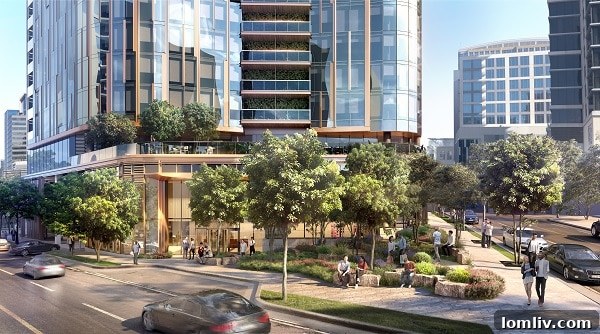
Upon its much-anticipated completion, the green wall at 1899 McKinney will claim the distinction of being the tallest of its kind across North America. This colossal living facade will host an extraordinary collection of over 40,000 individual plants, meticulously integrated to ascend the building’s entire exterior. Beyond its breathtaking visual impact, the ecological contributions of this vertical garden are substantial and far-reaching. While the fundamental role of plants in absorbing carbon dioxide and releasing oxygen is widely understood, the scale and efficiency of the 1899 McKinney system are particularly noteworthy. Smith’s estimations reveal that the wall is projected to annually absorb approximately 1,600 pounds of carbon dioxide, while releasing around 1,200 pounds of oxygen. This remarkable ratio signifies that the green wall will consume one-third more carbon dioxide than the oxygen it produces, establishing it as a highly effective natural air purification system for the bustling urban environment.
Paving the Way for Carbon-Neutral Architecture
While no single green initiative can independently halt the broader challenges of climate change, the cumulative effect of projects like 1899 McKinney is undeniably impactful. This building has been specifically designed to, over its long lifespan, eventually offset the carbon dioxide emissions generated during its entire construction phase. This remarkable and rarely achieved feat will gradually transform the structure into a vital, albeit localized, carbon sink – actively drawing greenhouse gases from the atmosphere. This commitment to achieving carbon neutrality over time is a claim few contemporary buildings, especially high-rises, can genuinely make. It positions 1899 McKinney not just as an architectural marvel, but as a pioneering beacon for sustainable development and a testament to the future of green building practices.
Furthermore, the creation of such an extensive green wall directly counteracts the pervasive issue of tree loss, a common byproduct of urban expansion. As highlighted by reports such as one from the BBC, a significant percentage of urban trees are frequently sacrificed in close proximity to major development sites. Melbourne, Australia, for example, witnessed 20% of 2,000 lost street trees within a mere 10 meters (33 feet) of new construction. Dallas, unfortunately, is familiar with development projects that involve extensive clear-cutting of land parcels. In sharp contrast, the Rastegar site for 1899 McKinney, notably, contains only a small cluster of saplings, so nascent they may have sprouted during the site’s previous vacant period. This project champions the principle of adding significant green infrastructure, rather than diminishing existing natural elements, offering a progressive alternative to traditional development models that often prioritize concrete over biodiversity.
Mastering Environmental Dynamics: Adaptability and Resilience in Design
Integrating such a complex living system into a towering skyscraper presents a unique set of engineering and horticultural challenges. A key aspect we explored with Zach Smith concerned the green wall’s ability to adapt to inevitable changes in light and shade over time. The Uptown district, home to 1899 McKinney, is a dynamic hub of high-rise development, guaranteeing a continuous evolution of its surrounding urban landscape. For instance, a current low-rise building opposite the project is likely to be replaced by another high-rise in the future, thereby altering the sunlight exposure for various sections of the green wall. Zauben’s design thoughtfully addresses these future scenarios, building in resilience and adaptability from the outset.
Strategic Plant Selection and Innovative Supplemental Lighting
The primary strategy for ensuring the green wall’s vitality under fluctuating light conditions involves highly intelligent plant selection. The system is designed to accommodate a diverse range of plant species, each carefully chosen for its specific ability to thrive across a spectrum of light environments – from areas bathed in full sunlight to those experiencing partial or even deep shade. This bio-diverse approach ensures that the wall remains lush and vibrant regardless of external changes. Furthermore, should natural light prove insufficient in certain areas due to new construction or shading, innovative supplementary solutions are being considered. This includes the potential strategic integration of tiny, energy-efficient LED grow lights. These advanced lighting systems, potentially powered by solar panels integrated into the building’s rooftop, would provide the precise light spectrum necessary for optimal photosynthesis, guaranteeing the continued health, growth, and vibrancy of the plants long into the future.
The Art of Upkeep: Sustaining a Living High-Rise Masterpiece
A frequently raised concern regarding ambitious green installations of this magnitude revolves around their long-term maintenance. How will such an expansive array of plants, spanning 26 stories, be effectively cared for and preserved? The answer lies in a sophisticated combination of established techniques and forward-thinking design principles. Maintenance protocols for the 1899 McKinney green wall envision two primary approaches: highly specialized crews could utilize a swing stage scaffold, similar to those employed by window washers, to access the exterior of the facade. From this platform, they would perform essential tasks such as fertilization, pruning, and the replacement of individual plants as needed. Alternatively, or in conjunction with external access, certain sections of the vertical garden could potentially be managed from within the building, offering controlled and convenient access for specific horticultural tasks and routine inspections.
It is unequivocally in the long-term best interest of both the building management and, crucially, all unit owners, to ensure the meticulous and ongoing upkeep of the green wall. Investing in a residence at 1899 McKinney means investing in a truly unique living environment – one defined by its groundbreaking integration of nature. Residents will naturally be motivated to protect and preserve the verdant beauty and ecological benefits that form the very essence of their home. The sustained aesthetic appeal, continuous environmental contributions, and ultimately, the enduring property value of 1899 McKinney are all inextricably linked to the diligent care and ongoing vitality of its magnificent green facade.
Revolutionary Irrigation: Eliminating the “Weeping Garden” Myth
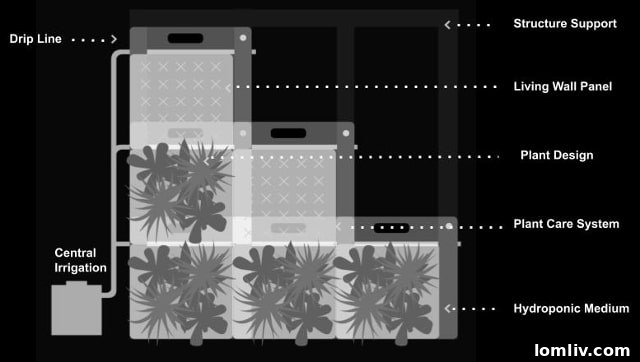
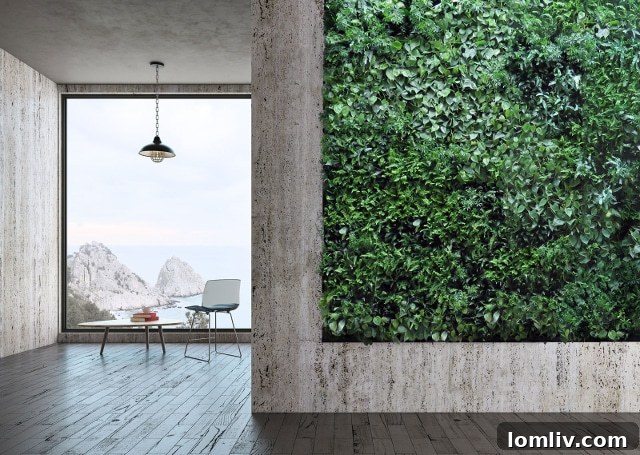
The potential for a “weeping garden” effect, a common concern regarding watering a 26-story vertical garden, has been thoroughly addressed through Zauben’s innovative technological solutions. The system deployed at 1899 McKinney bypasses traditional soil entirely. Instead, it utilizes a highly absorbent, specialized growth medium that efficiently retains water without the shedding or runoff typically associated with conventional dirt. This advanced material significantly reduces overall water consumption. Zach Smith highlighted this efficiency, noting that the water requirements for the plants are measured in cups, rather than gallons, showcasing remarkable water conservation. This intelligent, drip-based irrigation system ensures that water is delivered precisely to each plant, minimizing waste and effectively eliminating any undesirable “weeping” from the facade, maintaining the building’s pristine appearance.
This inherent water efficiency naturally steered our conversation towards the critical topic of water reclamation. The ideal long-term vision for 1899 McKinney includes a sophisticated rain catchment system that filters rainwater for use within the irrigation network, preventing nozzle clogs and further bolstering the building’s sustainability credentials. While such a comprehensive system may not be immediately integrated upon completion, we were assured that the architect has thoughtfully designed the building’s plumbing stacks to facilitate the seamless future addition of these advanced reclamation technologies. This proactive and forward-thinking design approach is a cornerstone of truly sustainable architecture, ensuring future adaptability and enhanced environmental performance.
Architectural Foresight: Designing for a Sustainable Tomorrow
The ability to effortlessly integrate future sustainable technologies without resorting to expensive and disruptive retrofits is a definitive hallmark of exemplary architectural planning. As many seasoned architects can attest, incorporating provisions for rain catchment, greywater recycling, or other advanced plumbing systems during the initial design and construction phases is a relatively minor undertaking. The costs and efforts involved are negligible when compared to the prohibitive expenses, logistical complexities, and significant disruptions inevitably incurred when attempting to modify existing structures years down the line. This crucial foresight in the planning stages prevents frustrating scenarios where walls must be laboriously opened, and previous design choices are questioned, underscoring the profound value of proactive, long-term sustainable planning from the very inception of a project.
Spending time discussing the intricate technological details and practical considerations behind the installation and ongoing function of 1899 McKinney’s green wall was an incredibly enlightening and educational experience. As construction progresses on this landmark Dallas project, we eagerly anticipate closely documenting its development and witnessing the full realization of this innovative and transformative vertical garden. Its journey from blueprint to living reality represents a significant leap forward for urban sustainability.
Beyond a Facade: Inspiring a Greener Dallas Skyline for Generations
While this single, magnificent green wall at 1899 McKinney will not, in isolation, reverse the global trajectory of climate change, its influence and impact are designed to extend far beyond its individual ecological contributions. Its awe-inspiring presence is intended to serve as a powerful visual statement and a potent catalyst for change within Dallas’s often conventional development community. It stands as a striking rebuke to unimaginative, business-as-usual development practices and a vivid, undeniable demonstration of what is truly possible when architectural innovation converges with profound environmental responsibility. Our earnest hope is that this pioneering project will inspire a multitude of other developers, forward-thinking urban planners, and engaged residents alike to wholeheartedly embrace greener solutions, ultimately transforming Dallas into a leading city for sustainable architecture and the principles of biophilic design. The 1899 McKinney green wall is more than just a building feature; it is a living testament to a more sustainable, vibrant future, urging us all to look up and envision a cityscape that thrives in harmony with nature.