Dallas Central Appraisal District Under Ransomware Attack: Critical Impact on Property Owners and Real Estate
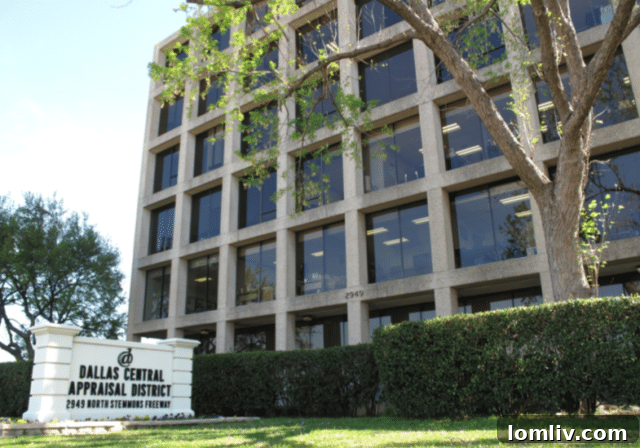
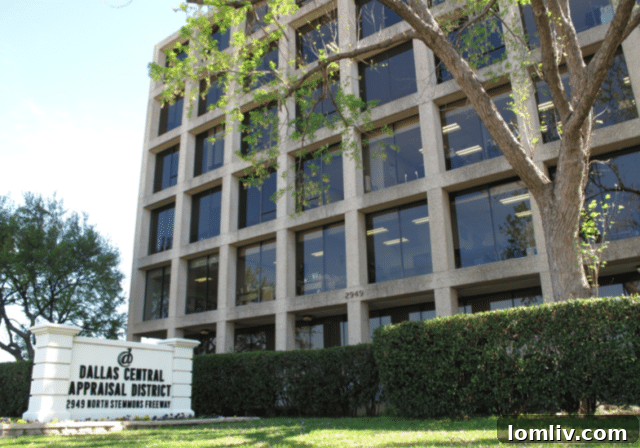
The digital infrastructure that underpins essential public services is under constant threat in our increasingly interconnected world. Recently, a significant cyberattack crippled the systems of the Dallas Central Appraisal District (DCAD), an event that has sent ripple effects throughout Dallas County’s real estate sector and public services. Property owners, real estate professionals, and various local government bodies are grappling with the fallout from this ransomware incident, highlighting the vulnerabilities in critical public data systems.
The attack, which ironically occurred on Tuesday, November 8, 2022, coinciding with Election Day, immediately rendered DCAD’s vital online services and internal operations inaccessible. This disruption has created widespread challenges for property valuation, tax assessment processes, and the dynamic Dallas real estate market.
DCAD’s Official Response to the Cyberattack
In the immediate aftermath of the breach, the Dallas Central Appraisal District quickly released a public statement via its Facebook page. This communication was crucial for informing a concerned public and the real estate community about the extent of the attack and the initial response measures:
“Early Tuesday morning, 11-8-2022, The Dallas Central Appraisal District (DCAD) became the victim of a ransomware attack. As a result, the DCAD computer system, servers, email and website are down. DCAD is working with the IT security vendor and the authorities to resolve and remedy this issue. We do not currently have a definite timeframe but expect it may take several days to rectify the system. We have followed the advice of authorities and have not contacted the perpetrator(s).”
This statement unequivocally confirmed that DCAD’s entire digital ecosystem, including its core computer systems, servers, email communications, and public website, had been compromised and taken offline. It also underscored the immediate engagement with IT security experts and law enforcement, emphasizing a commitment to resolving the issue without negotiating with the perpetrators—a standard recommendation from cybersecurity experts to discourage future attacks and avoid funding criminal operations.
The Pivotal Role of the Dallas Central Appraisal District
Understanding the full scope of this cyberattack requires an appreciation for DCAD’s critical functions within Dallas County. The Dallas Central Appraisal District is the governmental entity tasked with appraising all real and business personal property within its jurisdiction for ad valorem (property tax) purposes. These appraisals form the basis upon which various local taxing units—such as cities, school districts, and special districts—levy their property taxes. Once completed, these property valuations are made public, allowing owners to review their assessments and, if necessary, initiate protest procedures.
DCAD’s role extends far beyond mere tax assessment; its publicly available records are an indispensable resource for a wide array of stakeholders:
- Property Owners: They rely on DCAD to access current and historical property values, detailed property characteristics, and to file or track property tax protests.
- Real Estate Agents and Brokers: These professionals depend on accurate DCAD data for conducting comprehensive market analyses (CMAs), preparing property listings, and advising buyers and sellers on property values.
- Property Appraisers: Independent appraisers utilize DCAD information as a foundational component for official property valuations required in lending and legal contexts.
- Title Companies: Critical for real estate transactions, title companies use DCAD records to verify property ownership, ensure legal descriptions are accurate, and identify any outstanding tax liabilities or liens.
- Lending Institutions: Banks and mortgage companies consult appraisal data to assess the collateral value of properties for mortgages and other types of loans.
- Developers and Investors: These groups often use DCAD records to research potential development sites, understand land use regulations, and evaluate investment opportunities.
- Local Government Entities: They rely on the appraisal roll provided by DCAD for critical budget planning and ensuring equitable tax collection across the county.
Consequently, the prolonged disruption of DCAD’s services creates a cascading effect, impacting not just the local economy but also the broader civic administration, demonstrating its integral position within Dallas County’s infrastructure.
Ransomware: A Modern-Day Threat to Public Services
Ransomware attacks have become a predominant cybersecurity threat globally, with public sector organizations increasingly finding themselves in the crosshairs. These sophisticated attacks typically involve malicious software encrypting an organization’s data and demanding a ransom payment, usually in cryptocurrency, for the decryption key. The DCAD incident serves as a stark reminder that even essential public service entities are not immune to such cyber threats.
The motivations behind ransomware vary, from direct financial gain to more complex geopolitical objectives. However, the consequences are consistently severe: loss of critical data, extensive operational downtime, substantial recovery costs, damage to public trust and reputation, and, most critically, a disruption of vital services to citizens. For an entity like DCAD, which manages sensitive property data and tax information, the integrity, confidentiality, and availability of its systems are paramount.
Immediate Repercussions on Dallas County Real Estate and Property Owners
The shutdown of DCAD’s systems has precipitated immediate and significant challenges for various stakeholders:
For Property Owners:
- Information Access Hindrance: Property owners are currently unable to access their appraisal records, search for property details, or review historical data, which is crucial for understanding their tax obligations or preparing for a property sale.
- Property Tax Protest Delays: While the primary property tax protest period typically occurs earlier in the year, ongoing appeals, late filings, or specific inquiries related to valuations are now on an indefinite hold, potentially impacting their timely resolution.
- General Market Uncertainty: The absence of easily accessible and verifiable property valuation data can create anxiety among homeowners and hinder personal financial planning related to their real estate assets.
For Real Estate Professionals:
- Impeded Market Analysis and Valuations: Real estate agents, brokers, and appraisers depend heavily on DCAD data for accurate property valuations. Without this access, conducting thorough comparative market analyses (CMAs) or official appraisals becomes exceptionally challenging, leading to potential inaccuracies or delays in client services.
- Significant Transaction Delays: Title companies are struggling to verify property ownership, current tax status, or legal descriptions with their usual efficiency. This directly contributes to potential delays or even postponements of real estate closings, causing financial strain and frustration for buyers, sellers, lenders, and all associated parties.
- Due Diligence Obstacles: Real estate investors and developers undertaking due diligence for potential acquisitions face considerable hurdles in obtaining comprehensive property information, potentially delaying critical investment decisions.
- Reduced Market Transparency: The overall transparency and efficiency of the Dallas County real estate market are significantly diminished when fundamental property data is inaccessible, impacting market liquidity and confidence.
These wide-ranging ripple effects underscore the deep interconnectedness between public data systems and the smooth functioning of the private sector economy.
The Path to Restoration: DCAD’s Recovery Efforts and Uncertain Timelines
As recovery efforts continue, DCAD spokeswoman Cheryl Jordan provided an update to the Dallas Morning News on Friday. She confirmed that there were no definitive updates regarding the status of the attack but emphasized the relentless dedication of DCAD teams working around the clock, including through the weekend, to repair and restore the compromised systems. A key point of her statement was the lack of a firm timeline for full resolution, with expectations that the shutdown would likely extend through the weekend and potentially longer, as DCAD collaborates closely with IT security specialists and federal authorities.
Recovering from a sophisticated ransomware attack is an inherently complex and meticulous process, typically involving several critical stages:
- Containment: Rapidly isolating the affected systems to prevent the further spread of the malicious software throughout the network.
- Eradication: Thoroughly removing the ransomware and any associated malware from all compromised systems.
- Investigation: Conducting a forensic analysis to pinpoint the origin of the breach, assess the full extent of data compromise, and identify the perpetrators.
- Restoration: Rebuilding systems from trusted, clean backups or reinstalling operating systems and applications. This phase is often the most time-consuming, particularly for large, interconnected governmental systems.
- Hardening: Implementing significantly enhanced security measures, policies, and protocols to fortify defenses against future attacks and vulnerabilities.
The absence of a clear timeline reflects the intricate nature of these recovery steps and the paramount necessity of ensuring that systems are not only fully restored but also robustly secured against future cyber threats. The involvement of federal authorities suggests the recognition of potential broader implications, such as national security concerns or links to organized cybercrime networks.
Crucial Lessons in Cybersecurity: Safeguarding Public Data
The DCAD ransomware attack stands as a critical case study for all public sector organizations, underscoring the urgent necessity for robust and comprehensive cybersecurity strategies. Key lessons and best practices include:
- Proactive Threat Detection and Prevention: Deploying advanced security tools, including intrusion detection systems, next-generation firewalls, and endpoint protection, coupled with continuous network monitoring to identify and neutralize threats before they can escalate.
- Regular and Secure Data Backups: Implementing a stringent backup policy that ensures critical data is regularly backed up, encrypted, and stored in isolated, offline environments. Crucially, these backups must be routinely tested for integrity and restorability.
- Comprehensive Incident Response Planning: Developing, documenting, and regularly practicing a detailed incident response plan that outlines roles, responsibilities, and procedures for a swift, coordinated, and effective reaction to cyberattacks.
- Mandatory Employee Cybersecurity Training: Conducting ongoing education for all staff on cybersecurity best practices, recognizing phishing attempts, identifying suspicious emails, and understanding the importance of strong passwords and secure data handling. Human error remains a significant factor in many successful breaches.
- Diligent System Updates and Patch Management: Consistently applying software updates and security patches to all operating systems, applications, and network devices to address known vulnerabilities promptly.
- Implementation of Multi-Factor Authentication (MFA): Enforcing MFA for all system access, particularly for critical administrative accounts, to add an essential layer of security beyond traditional passwords.
Beyond these technical measures, strong governance, adequate financial investment, and a culture of security awareness are paramount to protecting the integrity of public services and the sensitive data entrusted to them.
Looking Ahead: Rebuilding Trust and Fostering Digital Resilience
As the Dallas Central Appraisal District navigates this immensely challenging period, the primary focus remains on restoring full operational functionality and meticulously ensuring the security of its vast datasets. This incident vividly illustrates a growing trend where digital disruptions can have tangible, real-world consequences for citizens, businesses, and the fundamental processes of local governance.
The recovery process for DCAD will encompass not only technical remediation but also a critical phase of rebuilding trust within the Dallas County community and reaffirming a steadfast commitment to digital resilience. While DCAD diligently works towards resolving the current situation, stakeholders across the county will undoubtedly be closely observing the progress and carefully analyzing the lessons learned from this significant cybersecurity event. This developing story serves as a potent reminder of the ever-present cyber threats and the indispensable importance of a fortified digital defense for all essential public services.