Welcome to “Upon Closer Inspection,” a weekly series brought to you by the meticulous team at Green Scene Home Inspections. Every Wednesday, we provide Daltxrealestate.com readers with invaluable insights into the hidden world of home maintenance and potential hazards. Join us as we shine a light on the crucial details that often go unnoticed, safeguarding your most significant investment.
Uncovering Hidden Dangers: A Deep Dive into Attic Issues and Water Damage
The attic, often out of sight and out of mind, is a critical component of your home’s structure and overall health. It’s a space that can harbor numerous hidden issues, with water intrusion being one of the most destructive and common culprits. At Green Scene Home Inspections, our experts consistently encounter signs of water damage where it absolutely shouldn’t be – silently undermining your property and potentially leading to costly repairs.
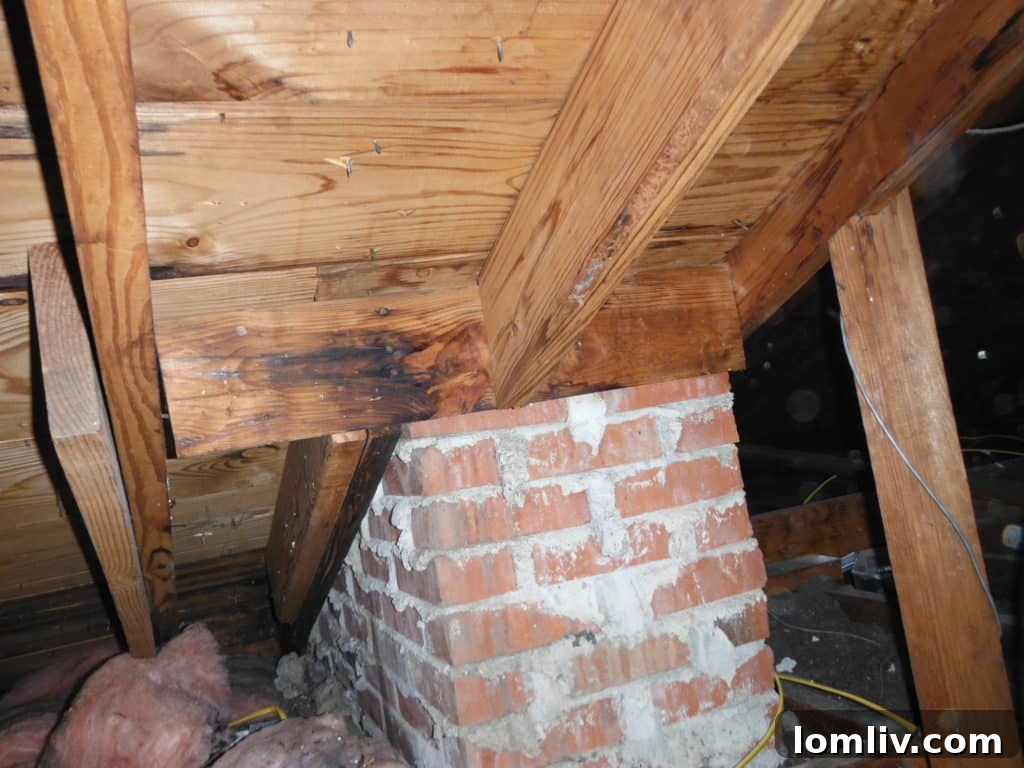
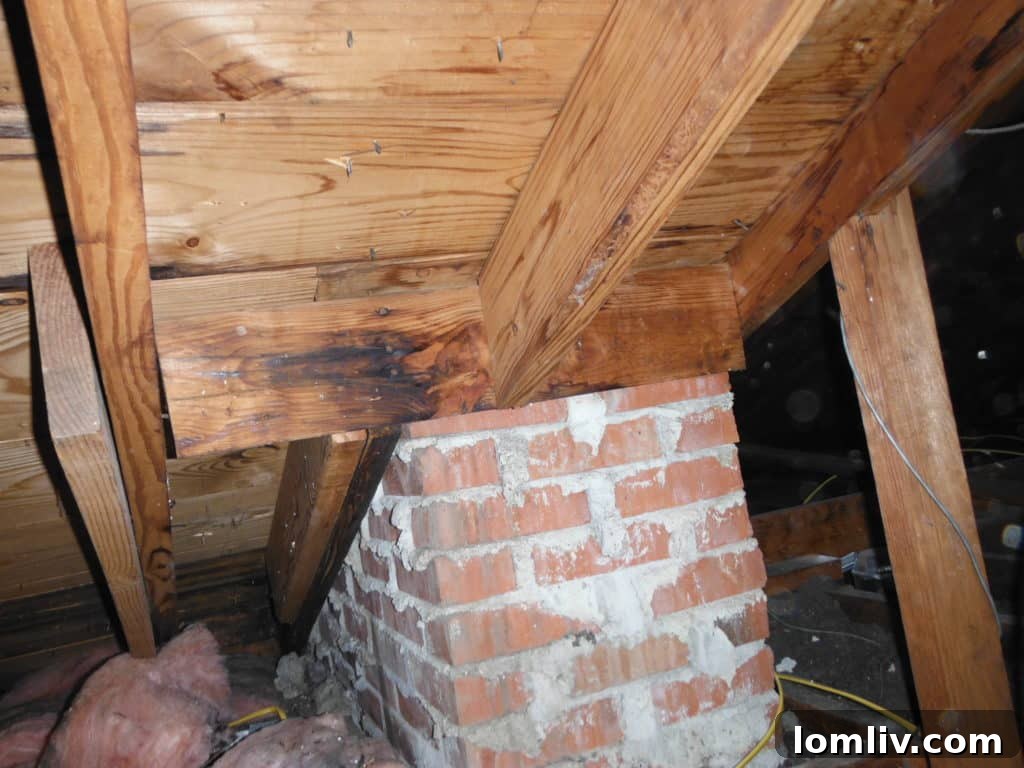
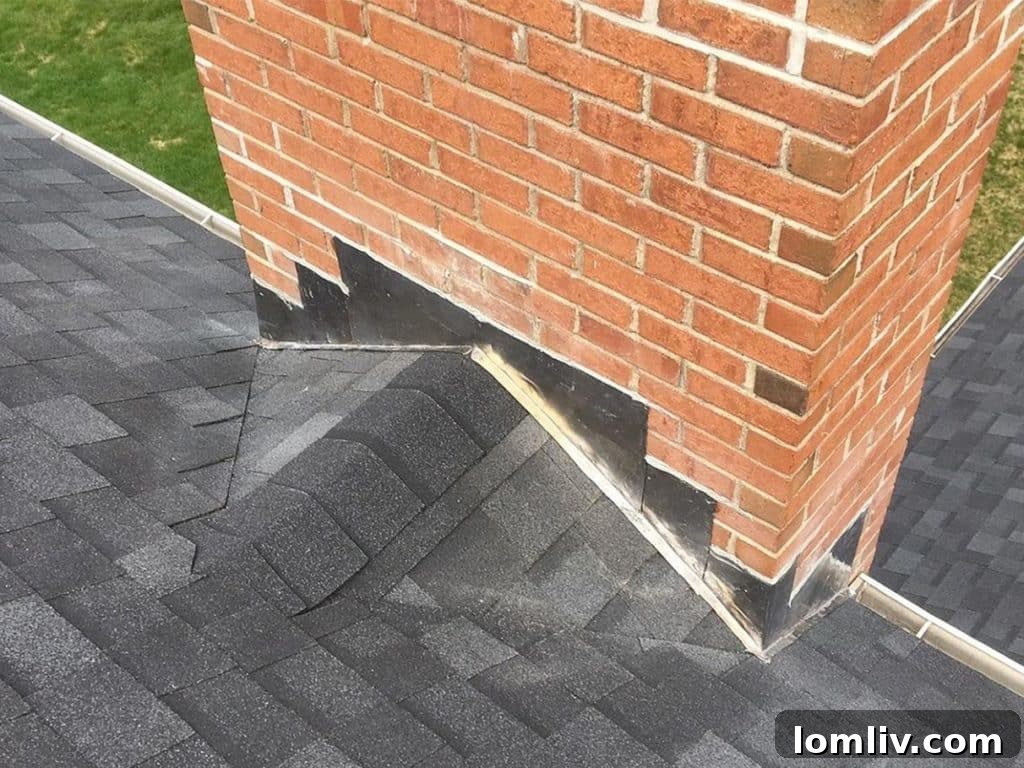
In the accompanying photo, you can clearly observe significant water stains marring the roof decking within the attic. These tell-tale marks are a red flag, indicating a persistent problem: water is penetrating the roof structure. In this specific instance, the culprit was inadequate or failing flashing around the chimney on the roof, allowing moisture to seep directly into the attic space.
The Critical Role of Flashing: Your Roof’s First Line of Defense Against Leaks
Flashing refers to thin pieces of impervious material, typically aluminum, galvanized steel, or even copper, strategically installed around various penetrations and joints on your roof. Its fundamental purpose is to divert water away from vulnerable areas, preventing it from seeping into the underlying structure. The brick section visible in the initial photo illustrates where a chimney extends through the attic and roofline – a prime candidate for flashing-related issues due to its complex construction and constant exposure.
Over time, due to relentless exposure to environmental elements such as harsh sunlight, heavy rains, strong winds, and temperature fluctuations, flashing can deteriorate, become dislodged, or pull away from the surfaces it’s designed to protect. This compromise creates tiny pathways, allowing rainwater and melting snow to penetrate, leading to the kind of insidious water stains and damage seen on the attic decking. A correctly installed and well-maintained flashing system is absolutely essential for the long-term integrity of your roof and the dryness of your attic. Ignoring these warning signs can lead to widespread damage, including compromised insulation, weakened structural elements, and the insidious growth of mold.
Beyond the Chimney: Other Sources of Roof Leaks and Water Damage
While chimney flashing is a frequent offender when it comes to attic water damage, it’s important for homeowners to recognize that roof leaks can originate from various points across the roof’s surface. Other common areas include vent pipes (for plumbing or exhaust), skylights, satellite dish mounts, and even simply aged, cracked, or damaged shingles. Each penetration point and seam on your roof requires meticulous sealing and flashing to prevent water infiltration. During a comprehensive attic inspection, our team diligently scrutinizes these vulnerable areas for cracks, rust, dislodged components, missing caulk, or signs of improper installation. Even what appears to be a minor pinhole leak can, over time, escalate into significant structural damage, destroy insulation, and foster extensive mold growth. Early detection and professional repair are paramount to mitigate these risks and preserve your home’s structural health and indoor air quality.
Ignoring water stains in the attic is akin to ignoring a ticking time bomb. What might appear as a minor discoloration can indicate ongoing water intrusion that silently compromises the integrity of your roof sheathing, rafters, and insulation. Prolonged moisture can lead to wood rot, weakening the structural components of your home, and creating a perfect breeding ground for hazardous mold and mildew. These issues not only devalue your property but can also pose serious health risks to occupants. Professional intervention is crucial to diagnose the source of the leak, repair it effectively, and remediate any existing damage, preventing future recurrence.
The Silent Threat: Air Conditioning Unit Leaks and Condensate Line Failures in the Attic
Another prevalent source of water problems in attics, particularly in regions with high humidity, stems from the air conditioning unit if it is housed in this space. The core issue often lies with the AC unit’s condensate drainage system. As warm, humid air passes over the cold evaporator coils within the AC unit, moisture rapidly condenses, much like dew forming on a cold glass. This accumulation of condensation, if not properly managed and drained, can lead to significant water damage and costly repairs.
The condensate line is essentially a drain pipe specifically designed to channel this accumulated moisture safely away from the AC unit and out of your home. However, these lines are highly prone to blockages from algae, mold, dust, and other debris that naturally accumulate in the AC system. When a blockage occurs, water can back up, causing the primary drain pan to overflow, and spilling directly into your attic, creating an immediate and potentially dangerous situation for your home’s structure and contents.
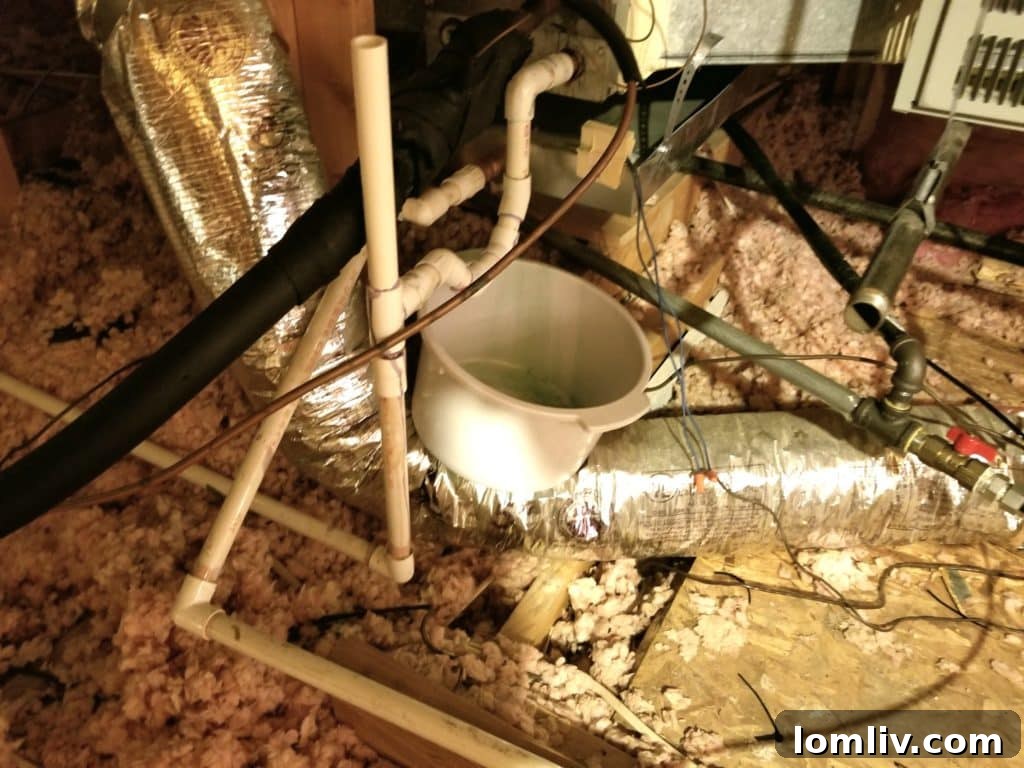
In the accompanying photograph, we observe a homeowner’s makeshift attempt to manage a leaking condensate line by placing a bucket to collect the overflowing water. While this might seem like a quick, temporary fix in a moment of panic, it is a deeply flawed and inherently risky “solution.” The fundamental problem with this approach is self-evident: what happens when the bucket reaches its capacity? It’s not a question of if, but when, it will overflow, leading to uncontrolled water release and exacerbating the existing problem significantly.
The Dire Consequences of Unchecked AC Leaks and Preventing Future Floods
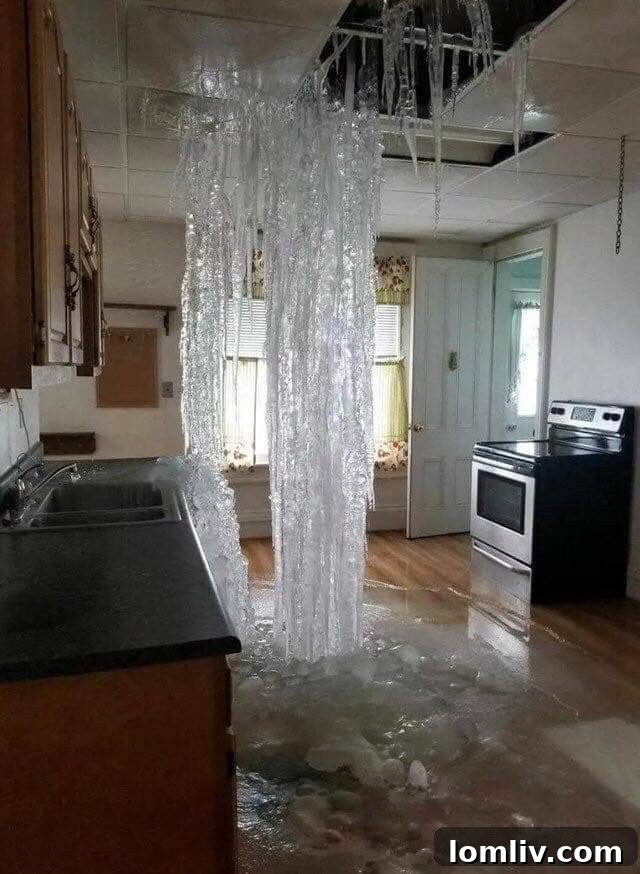
The consequences of an overflowing bucket or an ignored condensate line leak can be catastrophic, as vividly illustrated in the following image. Under particularly unfortunate circumstances – in this specific case, an empty house during a severe freeze exacerbated the damage by causing further pipe bursts – a seemingly small leak escalated into an overwhelming flood. So much water accumulated undetected in the attic that it eventually saturated the roof decking, compromised the ceiling, and ultimately led to a massive deluge in the kitchen directly below. The sheer volume of water damage caused by this unchecked leak underscores a critical lesson for all homeowners: even the most minor drip can evolve into an extensive flood if not addressed promptly and professionally. Such events can destroy ceilings, walls, flooring, and personal belongings, requiring extensive and costly remediation.
Preventative maintenance for your AC condensate line is straightforward and highly effective in averting such disasters. Regular flushing with a mild bleach solution (typically a cup of distilled vinegar or a bleach solution poured into the access point every few months) can inhibit the growth of algae and mold that commonly cause blockages. Ensuring the drain pan is clear, clean, and free of debris, and that both the primary and secondary (emergency) lines are unobstructed, is crucial. Many modern AC units include a float switch in the emergency drain pan, designed to automatically shut off the unit if water accumulates, thereby preventing an overflow. However, these safety systems also require periodic checks to ensure they are functioning correctly and haven’t failed themselves. A professional HVAC technician can perform these checks and maintenance tasks during routine servicing.
Beyond Water: Other Critical Attic Issues to Watch For and Why They Matter
While water damage is undeniably a top concern for homeowners, attics can conceal a myriad of other problems that significantly impact your home’s safety, energy efficiency, and structural integrity. A comprehensive attic inspection delves deeper than just moisture, meticulously examining various interconnected elements that contribute to a healthy, safe, and comfortable home environment.
Poor Ventilation: The Breath of Your Home and Its Impact
Proper attic ventilation is paramount for maintaining a healthy and energy-efficient home. It allows hot, stale air to escape in the summer, significantly reducing cooling costs and preventing excessive heat buildup that can prematurely age roofing materials. In the winter, adequate ventilation prevents moisture buildup from household activities (like showering and cooking) from condensing on cold surfaces, which can lead to wood rot, mold growth, and compromised insulation. Inadequate ventilation can also cause shingles to deteriorate faster, shorten the overall lifespan of your roof, and contribute to destructive ice dam formation in colder climates. Signs of poor ventilation include excessive heat or humidity in the attic, visible moisture on the underside of the roof deck, or a persistent musty odor indicating mold or mildew activity.
Inadequate or Damaged Insulation: Your Home’s Thermal Shield
Insulation acts as your home’s critical thermal barrier, regulating indoor temperatures and significantly reducing energy consumption. Many older homes, or even some newer ones, may have insufficient insulation by today’s recommended R-value standards, leading to higher utility bills and uncomfortable living spaces. Furthermore, insulation can become damaged by water leaks, pest infestations (which compress and contaminate it), or simple compression over time, significantly reducing its effectiveness. During an inspection, we meticulously assess the R-value (insulation’s resistance to heat flow), uniformity, and overall condition of the insulation, looking for gaps, moisture damage, compressed areas, or nesting evidence from rodents or other pests.
Pest Infestations: Unwanted Guests and Hidden Destruction
Attics offer a secluded, dark, and often warm haven for various unwelcome pests, including rodents (mice, rats, squirrels), insects (cockroaches, termites, carpenter ants, wasps), and even birds or bats. These unwelcome guests can cause extensive and insidious damage, gnawing through critical electrical wires (a significant fire hazard), contaminating insulation with droppings and urine (creating health risks and odors), and even compromising structural wood through chewing or tunneling. Signs of an infestation include visible droppings, gnaw marks on wood or wires, actual nests, strange scratching or scurrying noises, or unpleasant, persistent odors. Early detection is key to preventing widespread damage and potential health hazards.
Electrical Hazards: A Silent Fire Risk Lurking Above
The attic often contains a complex network of electrical wiring for lighting, exhaust fans, and other fixtures. Old, frayed, improperly installed, or exposed wiring can pose a severe and silent fire hazard. Junction boxes that are left uncovered or buried underneath insulation can overheat, significantly increasing the risk of fire. Furthermore, “DIY” electrical work, not performed by a licensed and experienced electrician, is another common source of danger found during attic inspections, often leading to code violations and unsafe conditions. Professional home inspectors are meticulously trained to identify these critical safety concerns, which are often hidden from casual view.
Structural Integrity: The Bones of Your Home
Finally, the structural components of the attic – including rafters, trusses, and ceiling joists – are vital for supporting the roof and the ceiling below. During an inspection, we meticulously look for signs of sagging, bowing, cracks, or evidence of previous, potentially inadequate, repairs that might indicate structural stress, overloading, or damage. Water damage, pest activity, or improper modifications (like removing essential structural members) can severely weaken these critical elements, potentially compromising the stability and safety of your entire roof structure and home.
The Unexpected Discoveries: Builder’s Notes and Unique Finds
Sometimes, amidst the serious findings and critical assessments, our inspectors stumble upon peculiar or unexpected discoveries that add a unique human element to the inspection process. These can range from forgotten personal items left behind by previous occupants to, as seen in this video, cryptic “notes” or playful messages left by previous builders or contractors for those who might follow them years later. While not always indicative of a defect or a major issue, these often offer a fascinating glimpse into the history of the house or the quirks of its construction. They remind us of the hidden stories and human touches often embedded within our homes’ walls and rafters, making each inspection a unique exploration.
Why a Professional Attic Inspection is Indispensable for Every Homeowner
The examples highlighted above unequivocally underscore a crucial point: the attic is not merely a dusty storage space but a complex, dynamic environment that demands regular attention and expert scrutiny. Relying on a quick glance or postponing necessary repairs can lead to exponentially higher costs, more extensive damage, and significant headaches down the line. A professional home inspection by experts like Green Scene Home Inspections provides a comprehensive, unbiased evaluation of your attic’s condition. Our seasoned inspectors possess the expertise and tools to identify both visible and hidden issues that the untrained eye might miss.
Our detailed inspection process identifies current problems, anticipates potential future issues, and provides actionable recommendations to ensure that your attic is contributing positively to your home’s overall health, safety, structural integrity, and energy efficiency. Whether you’re purchasing a new home and need peace of mind, preparing to sell and want to proactively address potential issues, or simply committed to proactive annual home maintenance, a thorough attic inspection is an investment that yields substantial returns in peace of mind and preserves your property value for years to come.
Have You Discovered Hidden Issues in Your Attic? Share Your Story!
We’re always eager to hear from our readers and value your experiences. Have you ever encountered perplexing water stains, mysterious leaks, or any other unexpected issues in your attic? Perhaps you have a story about an unusual or surprising attic discovery that you made during your own home maintenance efforts. Share your experiences and insights in the comments below – your stories could help other homeowners identify and address similar problems before they escalate into major crises. And remember, for expert guidance and comprehensive home inspections that truly go “upon closer inspection,” Green Scene Home Inspections is here to help you protect your home, one detailed, meticulous inspection at a time.