

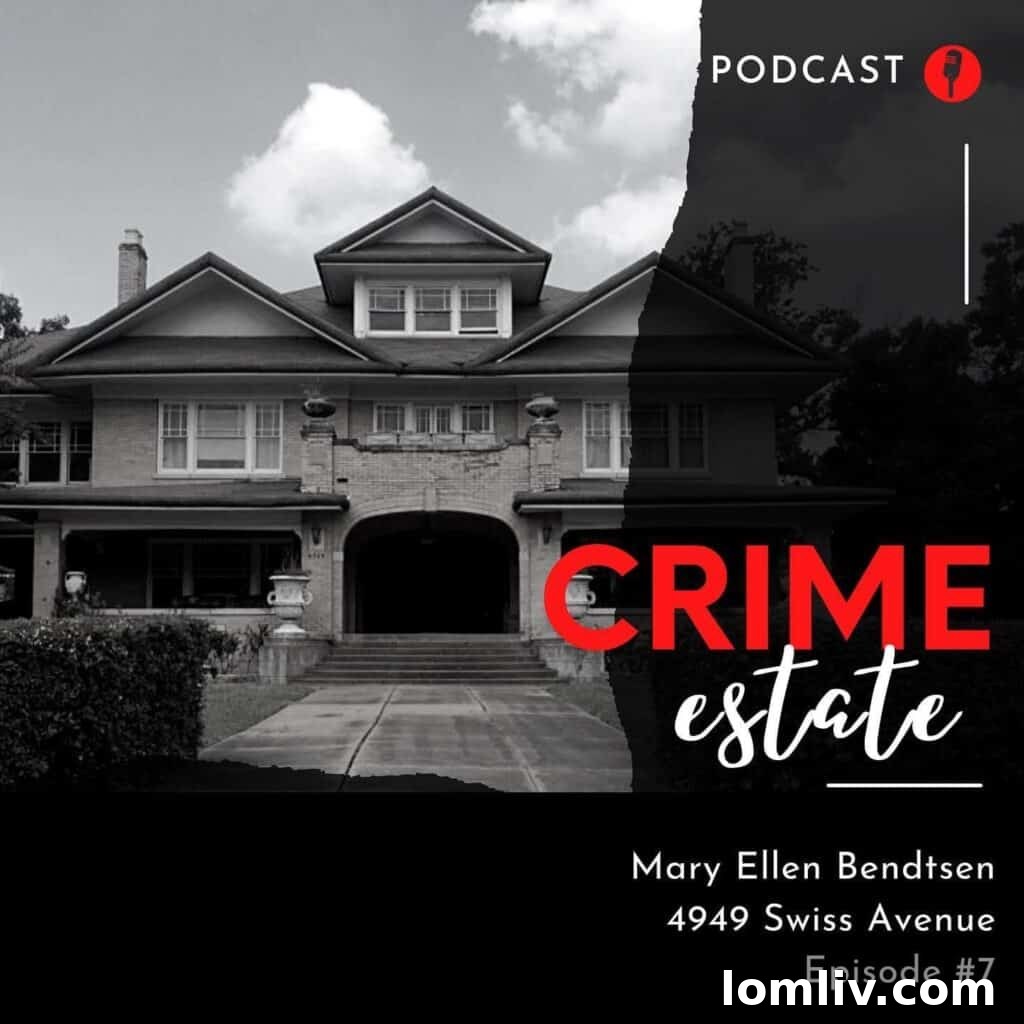
The world of true crime podcasts has exploded, captivating millions with gripping narratives and unsolved mysteries. Yet, few podcasts manage to carve out a niche as unique and intriguing as “Crime Estate.” When daltxrealestate.com first caught wind of Compass Realtor Heather Guild’s venture into this compelling realm, combining her professional expertise with a passion for true crime, our curiosity was immediately piqued. However, it was after diving into Episode 7, “The Queen of Swiss Avenue,” that we, like many listeners, became completely engrossed. The premise is simple yet profound: exploring infamous true crime stories through the lens of the properties where they unfolded. This distinctive approach offers a fresh perspective, turning houses from mere backdrops into silent witnesses, each with a story to tell.
Guild, alongside her insightful co-hosts Melanie Stout and Elena Richey, has masterfully crafted a podcast that delves deep into the often-macabre tales of murder, focusing intently on the homes intrinsically linked to these crimes. Their episodes have featured properties that resonate with both national and local consciousness, from the Boulder, Colorado residence associated with the tragic JonBenet Ramsey case and the infamous Cielo Drive site of the Manson murders to the Fort Worth Stonegate Mansion where Cullen Davis’s double homicide occurred. These iconic murder houses serve as the anchors for meticulously researched discussions, offering listeners an unparalleled fusion of architectural history, real estate dynamics, and criminal investigation.
The blend of personalities behind “Crime Estate” is as captivating as its subject matter. Heather Guild, a seasoned Compass Realtor, Elena Richey of Standard Real Estate, and producer Melanie Stout – all three proudly identifying as “boy moms” who initially connected through their sons’ middle school Parent Teacher Association – might seem an unlikely trio to host a podcast about gruesome true crime. Yet, it was during casual happy hour conversations that their shared fascination for discussing chilling true crime narratives came to light. This relatable origin story adds a layer of authenticity and approachability to a topic that can often feel distant, making their engaging banter and thoughtful analysis all the more compelling.
The Genesis of “Crime Estate”: From Personal History to Podcast Sensation
The spark for “Crime Estate” ignited from a surprisingly personal revelation. Heather Guild shared with her friend and fellow real estate professional, Elena Richey, a fascinating piece of family history: Guild’s husband was raised in a house in Iowa that had been the site of a murder. This intriguing tidbit immediately opened a Pandora’s box of questions for the experienced real estate agents, questions that lie at the very heart of their future podcast:
- Who would knowingly purchase a “murder house” or a stigmatized property?
- How do such tragic events impact property values and, by extension, property taxes?
- What are the legal and ethical obligations for a Realtor regarding the disclosure of a property’s dark past?
- Was the home acquired at a significant discount due to its history?
- Did the property sit vacant for an extended period, creating challenges for marketability?
These fundamental inquiries formed the bedrock of what would evolve into a meticulously researched and engaging commentary. “Crime Estate” expertly navigates the intersection of real estate law, market psychology, and historical crime, bringing to light famous homes, infamous crimes, and some stories that have surprisingly remained off the general public’s radar for decades. The podcast not only recounts the events but thoughtfully explores the enduring impact on the physical properties and the real estate market.
The duo’s vision for the podcast quickly took shape, and they brought in Melanie Stout, another “boy mom” and an invaluable addition to the team as a producer. Their shared connection through their sons’ middle school PTA provided an immediate foundation of camaraderie and trust. What started as a whimsical idea to get together weekly and discuss their mutual love for true crime and its real estate implications swiftly transformed into a professional, polished podcast. This organic growth from casual conversation to a dedicated project underscores the genuine passion and curiosity that drives the “Crime Estate” team.
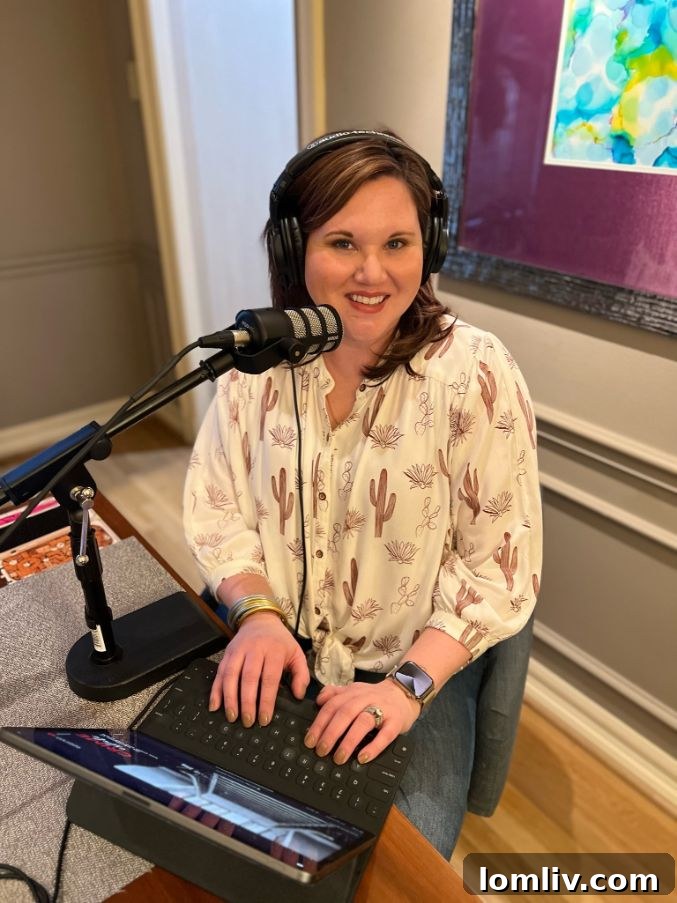
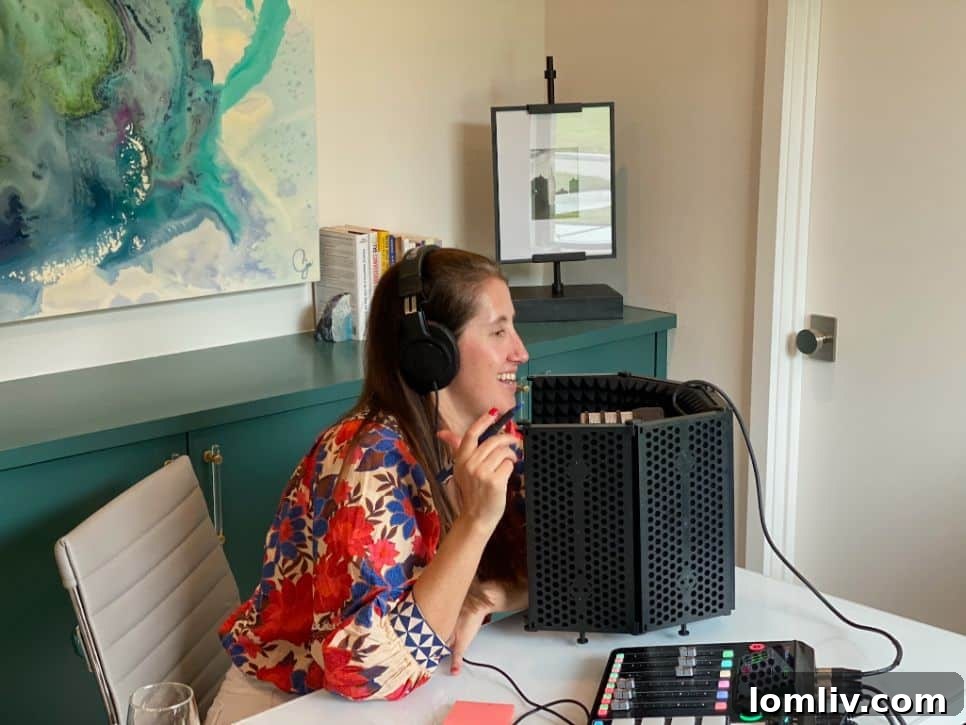
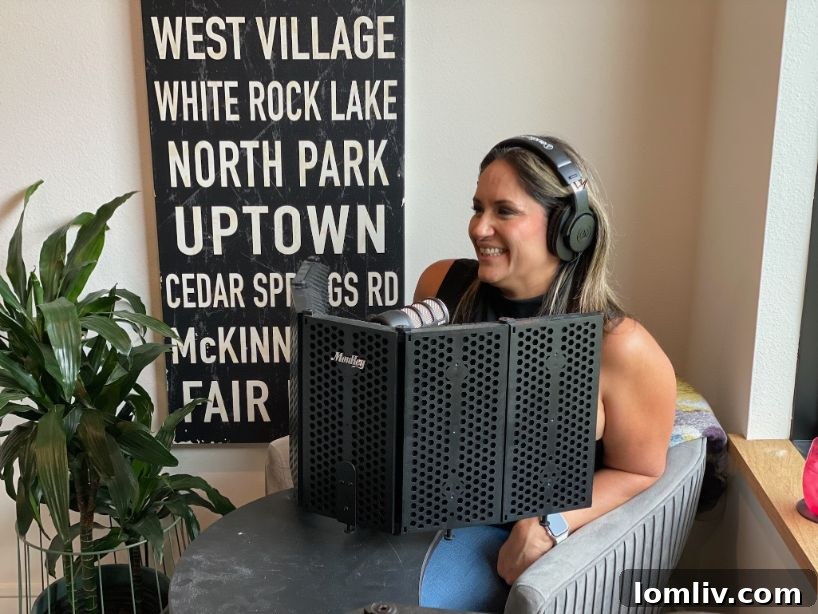
“Elena and I spend a considerable amount of time together, not only because our children are friends but also due to our shared profession in real estate. We often convene to discuss the latest market trends and developments,” Guild explained. It was during one of these frequent discussions that Guild recounted the compelling story of her husband’s childhood “murder house.” This narrative immediately captivated Richey, who declared herself “all in” on the podcast concept. The enthusiasm was infectious, extending even to their families. By the time Guild returned home from that pivotal happy hour, her husband had already taken the initiative, purchasing the Crime Estate domain and all the necessary podcast equipment. This immediate, tangible support underscored the viability and excitement surrounding their nascent project. They even plan to feature Guild’s husband and his childhood home as their inaugural episode for 2024, bringing the origin story full circle.
Drawing from her extensive real estate career, Guild admits she has not yet encountered a situation requiring her to disclose a murder when selling a home. However, she candidly shared an instance where she unexpectedly walked in on a robbery in progress, highlighting the unpredictable nature of working in real estate. “If you talk to anyone who’s been in real estate or works extensively with the public, they often suggest, ‘You should really write a book,'” she remarked. “The podcast has provided us with a fantastic platform to share some of those genuinely crazy and unforgettable real estate stories that otherwise might never be told.” This desire to narrate the lesser-known, often dramatic, aspects of real estate forms a core pillar of “Crime Estate’s” appeal, offering listeners a blend of professional insight and gripping anecdotes.
Spotlight Episode: “The Queen of Swiss Avenue” – A Dallas Landmark’s Dark History
One of “Crime Estate’s” most compelling episodes transports listeners to a legendary Dallas landmark: 4949 Swiss Avenue. Constructed in 1917, this property stood as one of Dallas’s most magnificent homes, boasting three stories and over 7,000 square feet of yellow brick grandeur, complete with a distinctive tile-rimmed veranda. The podcasters’ meticulous research for the Swiss Avenue episode brings this historical context to life.
Dallasites have long harbored a fascination for the stately homes nestled within the city’s first historic district. However, not everyone is familiar with the intricate and often dramatic story of Mary Ellen Bendtsen and the property that daltxrealestate.com famously branded in 2012 as “the home with the messiest title in Texas.” This bold claim hints at the captivating narrative that unfolds during the episode.
In this particular segment, the trio engagingly discusses Bendtsen, a former model who was the esteemed owner of this stately manor. Their narrative quickly introduces Mark McCay, a cunning conman who was ultimately convicted for his audacious attempt to swindle Bendtsen out of 4949 Swiss Avenue while she lay on her deathbed. The episode meticulously details the complex legal battles and the shocking betrayal that makes this story so compelling. As East Dallas natives, with one host residing in Munger Place, a charming neighborhood adjacent to Swiss Avenue, the podcasters naturally intertwine personal anecdotes. They discuss the beloved annual Swiss Avenue Mother’s Day Home Tour and share their own experiences with the unique real estate landscape of the area. “While I contribute to the research, they are truly exceptional storytellers,” Stout humbly added, emphasizing the engaging narrative style that defines their work.
Analyzing Iconic Cases: The House as a Character in the JonBenét Ramsey Mystery
The hosts’ profound background in real estate shines brightest as they dissect complex cases, offering unique insights that traditional true crime analyses often overlook. A prime example is their detailed exploration of the 1996 JonBenét Ramsey case. During this episode, the hosts pose a telling question to one another: “Have you ever sold a 7,000-square-foot house?” The candid response, “They have not,” immediately grounds their discussion in the practical realities of high-end real estate and the inherent challenges of managing such a vast property, especially one tainted by tragedy.
When questioned about their investigative approach—whether they actively sleuth or attempt to solve the cases they discuss—Guild affirmed their commitment to thorough research. Regarding the Ramsey case, the house itself undeniably emerged as a central, critical factor in various theories surrounding the crime. Richey elaborated on this crucial point, stating, “The house is truly iconic and plays a significant role in speculating who could have committed the crime, particularly in questions like how they gained entry and how they managed to exit the property undetected.”
Stout echoed this sentiment, adding another layer to the discussion. “It absolutely had to be someone intimately familiar with the house, a conclusion drawn from the precise placement of the ransom note on the stairs,” she explained. “Furthermore, the body was discovered not merely in the basement, but within a somewhat hidden room located within the basement. This detail strongly suggests the perpetrator must have spent a significant amount of time within the residence.” These observations, rooted in their spatial awareness and understanding of property layouts, highlight how the physical characteristics of a home can offer vital clues to investigators and theorists alike.

However, the podcasters are quick to clarify that this level of familiarity doesn’t automatically point to a family member. They revealed a fascinating detail: the Ramsey home had been featured on a public home tour prior to the crime. This information introduces the possibility that an outsider could have gained intimate knowledge of the property’s layout, including its less obvious spaces, thereby complicating easy assumptions about the perpetrator’s identity. This nuanced perspective is characteristic of “Crime Estate’s” approach, offering listeners a deeper, more informed understanding of complex cases.
Curating Stories: Empathy, Diversity, and the Ethics of True Crime
The team behind “Crime Estate” approaches story selection with a profound sense of responsibility and a clear mission. Richey emphasized their concerted effort to honor the victims and shine a light on crimes that disproportionately affect marginalized populations. “We are incredibly proud of our commitment to addressing this important aspect,” she stated, highlighting their dedication to ethical storytelling. This intentional focus elevates “Crime Estate” beyond mere entertainment, transforming it into a platform for social awareness.

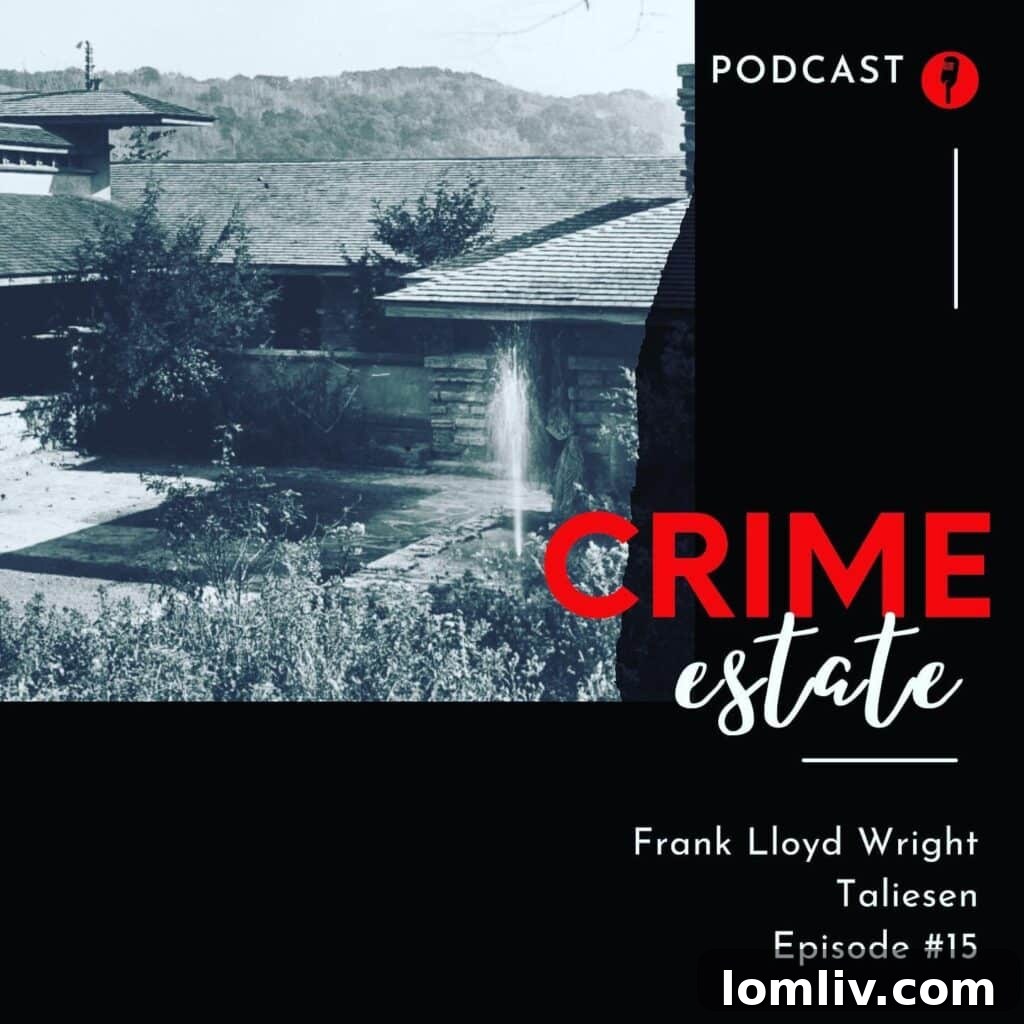
Stout further elaborated on their meticulous curation process, noting that their selections extend far beyond the typical “husband killing wife” narrative. A paramount focus remains on the homes themselves, serving as silent characters in each unfolding drama. “While the homes obviously need to possess an inherent intrigue, we are very deliberate in our efforts to feature a diverse array of architectural styles, geographic locations, victim demographics, and crime scenarios,” Stout explained. “We’ve covered contemporary stories alongside those involving historical homes. For instance, a recent episode delved entirely into the life and tragic events surrounding Frank Lloyd Wright and the harrowing murders that occurred within his household, Taliesin.” This commitment to variety ensures that each episode offers fresh perspectives and broadens the listener’s understanding of how crime intersects with various living spaces and historical contexts.
The camaraderie and efficiency of the “Crime Estate” team are evident in their production routine. The ladies have established a dedicated studio within Guild’s recently renovated East Dallas home, where they gather every Friday afternoon to record a new, engaging show. This consistent schedule and comfortable setting contribute to the seamless flow and intimate feel of their discussions.
Richey thoughtfully addressed the sensitive nature of their chosen genre. “True crime, as an entertainment industry, demands immense caution in how one presents and articulates a story,” she observed. “It’s a subject that universally fascinates people, and nearly everyone has a question or even a personal story related to it. However, I believe it’s equally crucial that everyone involved remains sensitive to the victims, which is an extremely important aspect of our approach.” This ethical framework ensures that while they explore the grim realities of crime, they do so with respect and empathy.
Their real estate acumen extends beyond analyzing properties and into the very operational mechanics of their podcast. The hosts ingeniously applied their industry expertise when researching the most effective strategies for publishing new podcast episodes across various platforms. “It’s fundamentally akin to using the MLS,” Richey explained, drawing a perfect analogy from their professional lives. “We’re essentially listing our ‘property’ (the podcast) in a central hub, and from there, it gets syndicated to all the ‘outlets’ we want it to reach, much like how a property listing goes to Redfin and Realtor.com. We successfully identified the central distribution system that disseminates our content to our target platforms.” This innovative approach not only streamlines their workflow but also maximizes their reach within the competitive podcasting landscape.
Richey also highlighted the additional benefits of their shared endeavor, noting that the podcast has provided an excellent pretext for friends to regularly gather and engage in discussions about topics they find genuinely interesting and significant. “We were consciously aware early on that we didn’t want to overly saturate our content with North Texas homes,” she admitted. “However, I must be honest, we do frequently find ourselves discussing the Dallas real estate market quite a lot, given our roots and expertise here.” The local connection remains a strong, appealing element for their regional audience. The dynamic nature of their show also fosters strong listener engagement: “We’re constantly soliciting suggestions from our audience. Every single person I tell about the podcast inevitably comes back with an idea for a future episode,” she concluded, underscoring the collaborative and community-driven spirit of “Crime Estate.”
Do you have a compelling true crime story with a unique real estate angle? Send your tips and suggestions for a future episode of Crime Estate to [email protected]. Your insights could help uncover the next gripping narrative on the podcast.