Welcome to “Upon Closer Inspection,” a weekly series brought to you by the meticulous professionals at Green Scene Home Inspections, dedicated to educating Daltxrealestate.com readers on crucial home inspection insights. In this series, we pull back the curtain on the hidden issues homeowners often overlook, empowering you to better understand and maintain your most valuable asset.
Having conducted thousands of comprehensive home inspections across various properties, certain recurring problems consistently surface. For both current homeowners and astute real estate professionals assisting buyers and sellers, recognizing these common pitfalls is vital. Proactive awareness allows for timely home maintenance, safeguarding your investment, and equips potential buyers with the knowledge to identify red flags during the purchasing process. This week, our focus zeroes in on a particularly prevalent, yet often underestimated, issue found in numerous North Texas residences: clogged air conditioner condensate drains. Understanding this common HVAC problem is key to preventing significant damage and maintaining a comfortable living environment.
In a climate characterized by long, hot, and often humid summers, a properly functioning air conditioning system isn’t merely a luxury; it’s an absolute necessity for comfort and well-being. However, the continuous operation required to keep homes cool also means that certain components are constantly working, making them susceptible to wear and tear or blockages. One of the most frequently encountered issues, which can lead to costly repairs if ignored, revolves around the AC’s condensate drainage system. This intricate network is crucial for managing the moisture extracted from your home’s air.
Understanding Your AC’s Primary Condensate Line: The First Defense Against Moisture
To truly grasp the implications of a clogged drain, it’s essential to briefly review how your air conditioner operates beyond just cooling. An air conditioning system performs two critical functions: actively cooling the indoor air and efficiently removing excess humidity from it. As warm, moist air from your home is drawn into the AC unit and passes over the cold evaporator coil, the air temperature drops significantly. This temperature drop causes the water vapor in the air to condense into liquid water, much like dew forming on a cold glass on a humid day. This continuous process, known as dehumidification, is vital for both maintaining indoor comfort levels and ensuring healthy indoor air quality.
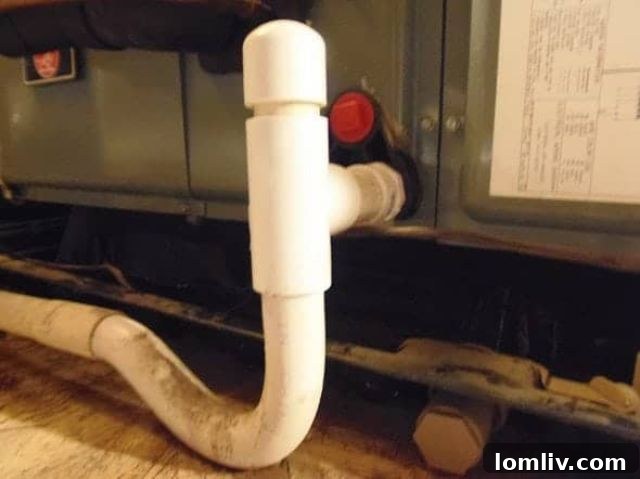
This accumulated moisture, or condensate, doesn’t just disappear into thin air. It diligently collects in a sloped drain pan strategically situated directly beneath the evaporator coil. From this pan, the water is expertly channeled away from the indoor unit through a dedicated plumbing line, typically constructed from PVC pipe. This critical component is known as the primary condensate line (as pictured in the image above). This line is specifically designed to carry the collected water safely out of your AC system and into your home’s main drain system. It often connects to a plumbing “trap,” such as one found in a bathroom sink, a utility sink, or, in some installations, directly to a sewer line via an air gap. The “trap” itself is a U-shaped bend in the pipe that holds a small amount of water, creating a crucial seal. This seal prevents unpleasant odors, insects, or harmful sewer gases from entering your home through the AC system, ensuring the integrity of your indoor air.
While performing its vital function, the primary condensate line is also an ideal breeding ground for problems. Over time, a persistent mixture of dust, dirt, pollen, pet dander, and other minute airborne particles that inevitably escape your air filter can collect within this consistently damp and dark environment. This organic matter, combined with stagnant water, creates a perfect habitat for mold, mildew, algae, and various other microbial growths. These unwelcome organisms thrive in such conditions, forming a slimy, gelatinous sludge that gradually, yet relentlessly, narrows the pipe’s interior diameter. Eventually, this stubborn accumulation can completely obstruct the flow, leading to a severely clogged primary condensate line, effectively choking the system’s ability to drain moisture.
The image provided at the beginning of this article vividly illustrates a primary condensate line, showcasing the initial, essential pathway for moisture removal. When this vital conduit becomes blocked, the entire system’s ability to properly dispose of condensed water is severely compromised, setting the stage for potential water damage and operational inefficiencies.
Here’s an Inspector illustrating the common issue of a clogged primary condensate line, providing visual context to this often-hidden problem:
A vigilant homeowner might rightly wonder, “How am I supposed to know when my primary condensate line is clogged before it causes serious damage and necessitates costly repairs?” The good news is that there are distinct telltale signs and proactive steps you can take to identify and address this critical issue early, often preventing minor inconveniences from escalating into major headaches.
Firstly, regular professional air conditioner servicing is paramount. Scheduling an annual AC tune-up with a qualified HVAC technician is not just good practice; it’s an investment in your home’s comfort and longevity. During these comprehensive maintenance appointments, professionals typically inspect and meticulously clean the condensate drain system as a standard part of their routine. They possess the expertise and tools to identify minor blockages and potential issues before they become critical, ensuring all AC components are functioning optimally and efficiently.
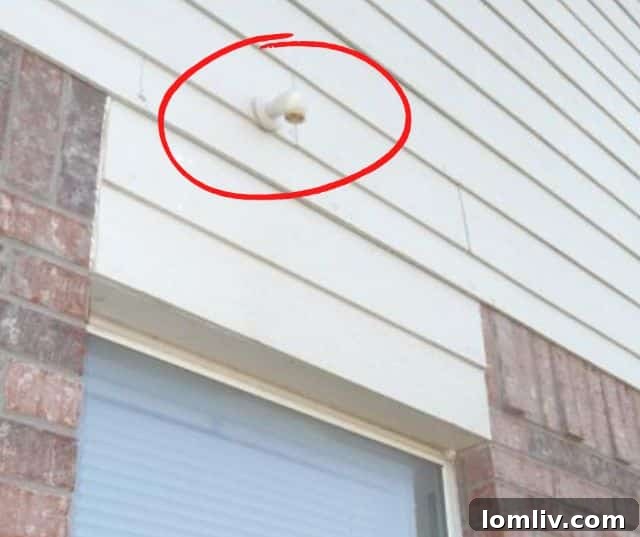
Secondly, your home’s AC system is ingeniously designed with a crucial backup safety mechanism: the secondary condensate line. When the primary line becomes clogged and water can no longer drain freely, water overflows the main drain pan and is subsequently diverted into an auxiliary or secondary drain pan. From this secondary pan, the overflow water is then routed to the exterior of the house via the secondary condensate line. This line is often strategically placed in a highly visible location, specifically so you will readily notice when it’s actively draining. A very common placement for the secondary line is near a window, such as outside a kitchen window, as prominently seen in the photograph below. If you observe water consistently dripping or flowing from this secondary line, it’s an undeniable and clear indication that your primary condensate line is obstructed and requires immediate attention. This visual cue serves as an invaluable early warning system, preventing potential indoor water damage that could otherwise go unnoticed until it’s too late.
The Secondary Condensate Drain Line: Your AC’s Overflow Safety Valve and Critical Warning System
As previously established, the secondary condensate drain line serves as a crucial overflow protection system for your AC unit, acting as a failsafe when the primary drainage fails. Its fundamental function is to safely divert excess water away from your home’s interior, thereby preventing water damage to ceilings, walls, and other vulnerable areas. While its operation is, by definition, a sign of trouble indicating a primary clog, its visible output is designed to be a lifesaver, signaling a problem before extensive and costly damage occurs within your walls or ceiling.
The precise location of the secondary drain line can vary significantly depending on the home’s construction and AC unit placement, but it’s invariably routed to an exterior wall. In many North Texas homes, for instance, it might exit high up on the exterior, sometimes just below the soffit, near the roofline, or directly above a window. When water consistently starts to flow from this higher exterior exit point, it often creates unmistakable visible streaks or persistent water stains running down the siding or brick exterior of the house. These stains, while aesthetically unpleasing and a nuisance to clean, are undeniable evidence that the primary drain is clogged and the secondary system is engaged, actively performing its emergency function.
Unfortunately, a common, misguided “solution” frequently observed by experienced home inspectors is for homeowners or untrained individuals to simply extend the PVC pipe of the secondary drain line downwards, often all the way to the ground. This action, while seemingly solving the immediate problem of unsightly water stains on the house’s exterior and stopping the visible drip, is incredibly problematic and short-sighted. By making the dripping water less noticeable and effectively hiding the evidence, it effectively silences the critical warning signal that the secondary line is specifically designed to provide. Instead of addressing the fundamental root cause – the clog in the primary line – this approach merely conceals the symptom, allowing the underlying problem to fester and potentially escalate into a much more severe, hidden, and ultimately, far more costly issue. It delays intervention, increasing the risk of both drain lines becoming completely blocked.
This video further illustrates the issue with secondary drain lines, highlighting its status as a common and often mishandled problem for North Texas homeowners:
The importance of proactively monitoring your AC’s condensate drainage system cannot be overstated. If you own a home in North Texas, or indeed any region where air conditioning is heavily used due to heat and humidity, make it a proactive habit to locate both your primary (if safely accessible near the indoor AC unit) and especially your secondary condensate drain line on the outside of your house. Regularly check for any clear signs of water dripping, a steady stream, or even consistent dampness from the secondary line. A quick visual inspection every few weeks, particularly during peak AC season when the unit is working hardest, can literally save you thousands of dollars in potential water damage and mold remediation expenses.
Ignoring a consistently dripping secondary line is a gamble with incredibly high stakes. While it may initially seem like a minor nuisance, it’s a clear and unequivocal indication that your primary drain is compromised and failing. If this situation is left unaddressed for too long, the secondary line itself can eventually become clogged with the very same sludge, organic growth, and debris that afflicted the primary. This dreaded “double clog” scenario is where serious trouble truly begins, as the entire safety net fails.
Without either drain line functioning as intended, the auxiliary drain pan will inevitably overflow its capacity. The resulting water will have nowhere to go but directly into your home’s interior, seeking the path of least resistance. This often translates to water leaking profusely into your attic, saturating expensive insulation, damaging ceiling drywall, staining and weakening internal wall structures, and potentially running down inside your walls. The consequences extend far beyond simple aesthetic damage; they encompass costly structural repairs, the proliferation of hazardous mold and mildew colonies in hidden spaces, the creation of dangerous electrical hazards, and a significant degradation of indoor air quality, making your home unhealthy and unsafe.
Preventive Maintenance and What to Do If You Spot a Problem
Proactive maintenance is by far the most effective and economical way to prevent clogged AC condensate lines and avoid the financial burden of costly, extensive repairs. Here are actionable steps homeowners can take to keep their AC drainage system clear and functional:
1. Annual Professional HVAC Inspection: Schedule a yearly check-up with a qualified and certified HVAC technician. During these essential inspections, professionals will meticulously clean the condensate lines, check for any potential blockages or incipient clogs, ensure the drain pan is clear of debris and standing water, and verify the proper function of safety float switches. This routine, preventative maintenance is invaluable for detecting and resolving minor issues before they escalate into major, expensive problems.
2. Regular Air Filter Replacement: A clean air filter serves as your HVAC system’s first and most critical line of defense against dust, dirt, and other airborne debris entering your AC unit. Replace or thoroughly clean your air filters every 1 to 3 months, or even more frequently if you have pets, suffer from allergies, or reside in a particularly dusty environment. Cleaner air circulating through your system means significantly less particulate matter accumulating in the condensate pan and, consequently, in the delicate drain lines.
3. DIY Condensate Line Cleaning (Caution Advised): For primary condensate lines that are safely accessible, some homeowners can perform basic preventative maintenance. Every few months, you can pour a cup of distilled white vinegar (avoid harsh chemicals like undiluted bleach or commercial drain cleaners, which can corrode PVC pipes or damage your evaporator coil) down the access port of the primary condensate line. Vinegar helps to kill mold, algae, and bacteria, effectively preventing the formation of slimy sludge. If using bleach, ensure it is heavily diluted (e.g., 1 part bleach to 16 parts water, flushed with plain water afterwards). Always consult your HVAC manual or a professional technician before attempting any DIY cleaning to ensure you don’t inadvertently cause damage.
4. Monitor for Other Warning Signs: Beyond simply checking the secondary drain line for drips, cultivate an awareness of other subtle indicators of a problem. These include:
- Unusual musty odors or damp smells emanating from your vents, which could strongly signal mold or mildew growth due to excess moisture accumulation within the system.
- Visible water stains or discoloration appearing on your ceiling or walls, especially in areas directly beneath or adjacent to the indoor AC unit or air vents.
- The AC unit unexpectedly shutting off or cycling frequently (this might indicate that a safety float switch has been triggered by an overflowing condensate pan, designed to prevent water damage).
- Noticeably higher indoor humidity levels, a persistent clammy feeling in the air, or a discernible drop in cooling efficiency, suggesting the AC is struggling to dehumidify.
What to Do Immediately When You Discover a Clog:
- Turn Off Your AC System Immediately: This crucial first step prevents any further water overflow, minimizes potential damage to your home, and prevents further strain on the unit.
- Assess the Situation Calmly: If the secondary line is consistently dripping, you know with certainty that the primary line is blocked. If you observe water actively leaking indoors (e.g., from the ceiling), it’s highly probable that both the primary and secondary lines are compromised.
- Attempt a Simple Clear (if comfortable and safe): For a simple, localized clog, you might try using a wet/dry shop vac to create suction and pull out the blockage from the exterior secondary drain pipe. This method often generates enough vacuum pressure to dislodge and remove the accumulation.
- Call a Professional HVAC Technician: If you are at all unsure, uncomfortable performing DIY maintenance, or if your attempts to clear the clog are unsuccessful, contact a professional HVAC technician immediately. They possess the specialized tools, extensive expertise, and safety knowledge required to safely and effectively clear the blockage, thoroughly assess any existing damage, and ensure your entire HVAC system is running correctly and efficiently.
Long-Term Impact and the Enduring Value of Professional Home Inspections
Ignoring persistent issues with your AC condensate drains can have severe and far-reaching consequences that extend far beyond simple, immediate repair costs. The consistent and unmanaged presence of moisture within your home’s structure inevitably leads to widespread mold and mildew growth. These biological contaminants can significantly impact indoor air quality, posing serious health risks, particularly for individuals with allergies, asthma, or other respiratory conditions. Furthermore, unchecked water damage can severely compromise the structural integrity of your home over time, weakening wooden beams, rotting drywall, damaging flooring, and fostering conditions for pest infestations. Electrical systems, too, can be jeopardized by water intrusion, creating dangerous fire hazards or leading to costly system failures.
From a purely financial perspective, what might initially appear as a minor, easily preventable clog can quickly escalate into thousands of dollars in remediation costs for water damage restoration, professional mold removal, and potentially even complete AC unit replacement if critical components are permanently corroded or damaged. Moreover, an inefficient AC system struggling with drainage issues will be forced to work harder, consuming more energy and inevitably leading to higher monthly utility bills. For homeowners contemplating selling their property, undetected water damage or a poorly maintained HVAC system can significantly detract from its market value and will almost certainly be flagged during a buyer’s professional home inspection, necessitating costly repairs or price reductions before a successful closing can occur.
This reality profoundly underscores the immense and lasting value of professional home inspections, not just for prospective buyers but equally for existing homeowners. Regular, thorough inspections provide an objective, expert assessment of your home’s critical systems and components, meticulously identifying potential problems like clogged AC drains long before they manifest into severe, expensive, and health-threatening damage. Green Scene Home Inspections is unequivocally committed to equipping homeowners and real estate professionals alike with the essential knowledge and insights required to navigate these common homeownership challenges confidently and proactively.
Conclusion: Be Proactive, Stay Informed, and Protect Your Home
Your home’s air conditioning system is a sophisticated and complex network designed to provide essential comfort, regulate temperature, and maintain healthy indoor air quality. The condensate drainage system, though seemingly a minor component, plays a pivotal and often underestimated role in its efficient, safe, and reliable operation. By taking the time to understand precisely how the primary and secondary condensate lines function, by recognizing the distinct warning signs of a potential clog, and by committing to a schedule of regular preventative maintenance, you can effectively protect your most valuable asset—your home—from significant water damage, hazardous mold growth, and the burden of expensive, unexpected repairs.
We strongly encourage every homeowner, especially those residing in the often hot and notoriously humid climate of North Texas, to take a few moments to locate their secondary condensate drain line and incorporate a quick, routine visual check into their regular home maintenance schedule. Proactive homeownership is not just smart; it is financially prudent and essential for maintaining a healthy living environment. Do not allow a simple, easily preventable clog to escalate into a catastrophic problem that compromises your home’s integrity and your family’s well-being. Stay vigilant, remain informed, and always consider professional assistance for any complex HVAC issues or persistent problems. Your home—and your wallet—will undoubtedly thank you for your diligent care.