Preston Tower HOA: Navigating Potential Shifts in Responsibility and Their Impact on Dallas Condo Values
In the vibrant and highly sought-after Dallas real estate market, condominium living offers a unique blend of convenience, luxury, and community. Residents often choose condos for the promise of shared amenities and the peace of mind that comes with a homeowners’ association (HOA) managing common areas and significant maintenance. However, recent whispers from within Preston Tower, a prominent condominium complex located in the sizzling “Behind the Pink Wall” neighborhood at Northwest Highway and Preston, suggest a potentially radical departure from this traditional model. Information circulating indicates a desire to shift substantial costs and responsibilities away from the HOA and directly onto individual condo owners. This article delves into the implications of such a move, exploring its legality, its potential impact on property values, and what it could mean for the future of condominium ownership in Dallas.
Unveiling Preston Tower: An Icon “Behind the Pink Wall”
Preston Tower stands as a distinguished landmark within one of Dallas’s most exclusive and desirable enclaves. Nestled at the bustling intersection of Northwest Highway and Preston Road, this area, affectionately known as “Behind the Pink Wall” due to a distinctive masonry barrier, is synonymous with luxury, convenience, and a vibrant lifestyle. The location offers residents unparalleled access to premier shopping districts like Preston Center and NorthPark Center, a diverse array of fine dining establishments, and easy connectivity to major business hubs and cultural attractions across Dallas.
Built during an era of architectural innovation, Preston Tower, along with its counterpart, has long been a symbol of sophisticated urban living. Its units boast spacious layouts, often featuring breathtaking views of the Dallas skyline or the lush surrounding landscapes. The allure of Preston Tower lies not only in its prime location but also in the lifestyle it traditionally offers: a community with shared amenities such as pools, fitness centers, and common areas, all meticulously maintained by a dedicated Homeowners’ Association. For decades, it has attracted a diverse demographic, from young professionals seeking an urban base to empty nesters looking to downsize without compromising on luxury or convenience. The stability and predictability of HOA-managed living have historically been a significant draw, promising a worry-free environment where residents can enjoy their homes without the burden of external maintenance responsibilities.
Understanding the Role of a Homeowners Association (HOA)
At its core, a Homeowners’ Association (HOA) is a governing body within a planned community, condominium, or co-operative. Its primary purpose is to establish and enforce rules, maintain common areas, and manage the financial affairs of the community. In a condominium setting, the HOA is arguably even more crucial, as it typically oversees the structural integrity of the building, the building’s exterior, roofs, foundations, common hallways, elevators, and shared amenities. These responsibilities are funded by regular dues or assessments paid by each property owner.
The Standard Model of Condo Ownership
In the traditional condo ownership model, the HOA acts as the collective caretaker of the property. This means:
- Maintenance and Repairs: The HOA is responsible for the upkeep and repair of common elements, which can range from landscaping and swimming pools to the building’s facade, roof, and structural components.
- Financial Management: Collecting dues, managing budgets, establishing reserve funds for major future repairs (e.g., roof replacement, elevator upgrades), and handling vendor contracts fall under the HOA’s financial purview.
- Insurance: HOAs typically carry a master insurance policy that covers the building’s structure and common areas against perils like fire, storm damage, and liability. Individual owners are then responsible for insuring the interior of their units.
- Enforcement of Rules: The HOA creates and enforces a set of rules and regulations (often called Covenants, Conditions, and Restrictions, or CC&Rs) designed to maintain property values and ensure harmonious living for all residents.
- Legal Representation: In the event of disputes, construction defects, or other legal matters affecting the common elements, the HOA acts on behalf of all owners.
This structure is designed to distribute the financial burden and management responsibilities for large-scale property maintenance across all owners, ensuring that the entire building remains in good condition and property values are preserved. It’s this collective responsibility that often distinguishes condo living from owning a single-family home.
The Rumored Shift: HOA Cost Transfer to Individual Owners
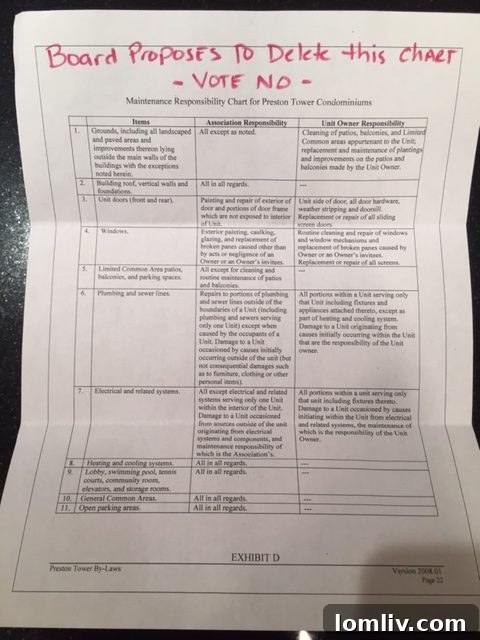
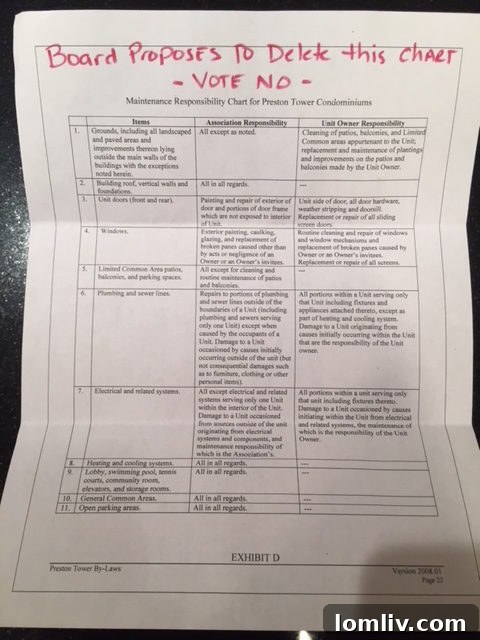
The recent information stirring concern within the Preston Tower community points to a significant potential departure from this established HOA framework. It is rumored that the Preston Tower HOA is considering a move to shift certain costs and responsibilities, traditionally managed centrally, directly onto individual condo owners. While the precise details of this proposed shift are still emerging and subject to confirmation, the implications are substantial and warrant careful examination.
What Does This Potential Shift Entail?
If these rumors prove true, such a shift could mean a dramatic increase in individual owner liability and responsibility. While the specific items to be offloaded are not yet fully clear, similar precedents in other communities suggest it could encompass:
- Internal Plumbing and Electrical: Owners might become responsible for all plumbing within their unit walls, even if failures originate from common risers or structural issues.
- Structural Components within Units: Responsibilities for elements like windows, exterior doors, or even parts of the structural frame directly impacting a unit could fall to the owner.
- Increased Insurance Deductibles: The HOA might significantly raise its master insurance deductible, passing a larger portion of repair costs for common element damage onto the individual units affected.
- Individual Maintenance Contracts: Owners might be required to individually contract for maintenance services that were previously covered by the HOA, such as pest control within their unit, or even specific structural checks.
- Direct Liability for Damages: Instead of the HOA pursuing claims for building-wide issues, individual owners might find themselves solely responsible for damages originating from, or affecting, their specific unit, even if the root cause is systemic.
This potential restructuring challenges the very premise of condominium ownership, where shared burden and centralized management are key benefits. For many owners, it could transform a relatively predictable monthly HOA fee into a much more volatile financial commitment, subject to unexpected repair costs and complex individual management responsibilities.
Why Would an HOA Consider Such a Drastic Change?
The motivation behind such an unconventional proposal from an HOA is rarely simple. It typically stems from a confluence of financial pressures, past legal challenges, and a desperate search for solutions to mitigate ongoing costs. In the case of Preston Tower, a history of legal disputes provides a strong indication of the underlying issues driving this potential shift.
A History of Legal Challenges at Preston Tower
As publicly available records and local real estate discussions suggest, Preston Tower has indeed faced a number of lawsuits over the past few years, some of which the HOA has reportedly lost. The phrase “water woes mount” points specifically to issues related to water intrusion, leaks, or plumbing system failures. These types of lawsuits can be incredibly damaging for an HOA for several reasons:
- Expensive Legal Fees: Defending against lawsuits, especially complex construction defect claims or multiple property damage cases, incurs significant legal costs that drain HOA reserves.
- Settlement or Judgment Payouts: Losing a lawsuit or reaching a settlement means substantial financial payouts, further depleting funds that should be allocated for routine maintenance and future improvements.
- Increased Insurance Premiums: A history of claims and losses can lead to skyrocketing insurance premiums for the HOA’s master policy, making it more expensive to secure adequate coverage.
- Reputational Damage: Ongoing legal battles can tarnish the building’s reputation, making it less attractive to potential buyers and potentially impacting property values.
These “water woes” are not just isolated incidents; they often indicate underlying systemic issues within the building’s infrastructure, such as aging plumbing, faulty construction, or inadequate maintenance practices over time. Addressing these issues can require massive capital expenditures that an HOA, already stretched thin by legal costs, might struggle to fund.
The Financial Implications of Litigation and Maintenance
The cumulative effect of lawsuits and the associated repair costs can put an immense strain on an HOA’s financial health. If reserve funds are depleted to cover legal expenses and judgments, there may be insufficient capital for crucial preventative maintenance or future major repairs. This can create a vicious cycle: deferred maintenance leads to more problems, which can lead to more lawsuits, further exacerbating financial woes.
One potential strategy for an HOA facing such financial distress is to attempt to reduce its direct financial outlays. Shifting costs to individual owners could be perceived as a way to lower the HOA’s immediate financial burden and potentially stabilize HOA fees on paper, even if the total cost to owners (including individual repairs and increased insurance) significantly rises. This move could also be an attempt to shed liability for future claims by making individual owners solely responsible for problems within their units, regardless of their origin within the building’s common elements.
While seemingly a solution for the HOA, this strategy fundamentally alters the risk profile for individual owners and raises serious questions about equity, governance, and the long-term viability of the community’s financial structure.
Legal Feasibility and Governance: Can an HOA Do This?
The crucial question arising from such a proposal is: can an HOA legally implement such a significant shift in responsibilities? The answer is complex and depends heavily on the specific governing documents of Preston Tower and the applicable state laws.
The Power of Governing Documents
Every condominium community is governed by a set of foundational documents, typically including:
- Declaration of Condominium (or CC&Rs – Covenants, Conditions, and Restrictions): This is the most critical document, outlining the fundamental structure of the association, defining common elements vs. individual units, and stipulating the responsibilities of the HOA and individual owners.
- Bylaws: These provide operational procedures for the HOA, such as how board members are elected, meeting protocols, and voting rights.
- Rules and Regulations: These are more specific operational guidelines that can be updated more easily.
A change of the magnitude being rumored at Preston Tower would almost certainly require an amendment to the Declaration of Condominium or the CC&Rs. These documents explicitly define what constitutes common property and what falls under individual ownership, and thus, who is responsible for its maintenance and repair. If the current documents clearly assign responsibility for certain elements (e.g., plumbing risers, exterior walls) to the HOA, altering this would necessitate a formal amendment.
The Amendment Process
Amending the Declaration or CC&Rs is not a simple task. It typically requires:
- Board Approval: The HOA board would first need to approve the proposed amendment.
- Owner Vote: Crucially, major amendments usually require a supermajority vote of the unit owners, often 67% or even 75% of all owners, not just those who attend a meeting. This high threshold is designed to protect owners from unilateral changes that could significantly impact their property rights and financial liabilities.
- Legal Review: Any proposed amendment must be carefully reviewed by legal counsel to ensure it complies with state condominium laws (e.g., the Texas Uniform Condominium Act) and doesn’t violate existing contracts or property rights.
If the proposed changes go against established legal precedents or existing contracts, they could be challenged in court by unit owners. It is imperative for the Preston Tower HOA to seek robust legal counsel before pursuing such a course of action and for individual owners to understand their rights and the precise wording of their governing documents.
The Far-Reaching Impact on Current Condo Owners
For current residents of Preston Tower, a shift in HOA responsibilities could bring about a cascade of financial, logistical, and emotional challenges. What once offered the ease of shared burden could quickly become a complex web of individual liabilities.
Increased Individual Financial Liability
The most immediate and significant impact would be financial. Owners would face:
- Unpredictable Repair Costs: Instead of a fixed HOA fee contributing to a reserve fund for major repairs, owners could suddenly be on the hook for thousands, or even tens of thousands, of dollars for unexpected plumbing leaks, window replacements, or structural repairs within their units, even if the root cause is building-wide.
- Higher Individual Insurance Premiums: As owners become responsible for more structural elements, their individual HO-6 condo insurance policies would need to provide broader coverage. This increased risk profile would undoubtedly lead to higher premiums and potentially higher deductibles for their personal policies.
- Management Burden: Owners would bear the responsibility of finding, vetting, and managing contractors for repairs that were previously handled by the HOA. This can be time-consuming, stressful, and difficult, especially for those who travel frequently or are not familiar with construction and repair processes.
Navigating Individual Insurance Policies
Under the traditional model, the HOA’s master policy covers the building’s exterior and common elements, while individual owners’ HO-6 policies cover the interior “walls-in.” If the HOA shifts responsibilities, the line between what the master policy covers and what the individual owner’s policy covers becomes blurred. This could lead to:
- Coverage Gaps: Owners might inadvertently have insufficient coverage if they don’t update their policies to reflect new responsibilities.
- Disputes Between Insurers: In cases of water damage or structural issues, there could be contentious disputes between the HOA’s master insurer and individual unit owners’ insurers over who is responsible for what portion of the damage.
- Increased Complexity: Filing claims and navigating repairs would become significantly more complex, placing a heavy burden on individual owners.
Ultimately, this shift could transform the appeal of condo living from a low-maintenance, predictable expense to a high-risk, high-responsibility undertaking, diminishing the very benefits that attract buyers to such properties in the first place.
The Crucial Effect on Property Values and Buyer Perception
One of the most profound and long-lasting consequences of such a policy shift would be its impact on property values at Preston Tower and, by extension, the building’s desirability in the competitive Dallas real estate market. Property values are heavily influenced by buyer confidence, and any move that introduces uncertainty or increases financial risk can have a detrimental effect.
Diminished Buyer Confidence
If the Preston Tower HOA were to offload significant responsibilities to individual owners, it would immediately raise red flags for prospective buyers. Key concerns would include:
- Unpredictable Future Costs: Buyers typically seek financial predictability when purchasing a condo. The prospect of unexpected, large-scale repair costs for structural or common elements would be a major deterrent.
- Lack of Centralized Management: A reduced HOA responsibility might be perceived as a lack of effective management, leading to concerns about the overall upkeep and long-term maintenance of the building. Who would ensure that all owners maintain their newly assumed responsibilities to a consistent standard?
- Resale Difficulty: Current owners might find it significantly harder to sell their units. Buyers would likely demand discounts to account for the increased risk and potential future liabilities, driving down sale prices.
- Due Diligence Nightmares: The due diligence process for potential buyers would become far more complex, requiring extensive review of individual insurance policies, potential future liabilities, and the nuances of the new HOA structure.
Challenges in Financing Condo Purchases
Mortgage lenders are inherently risk-averse. When evaluating loans for condominium units, they scrutinize the HOA’s financial health and its master insurance policy. If the HOA significantly reduces its responsibilities and shifts risk to individual owners, it could lead to:
- Lender Hesitancy: Lenders might view the building as a higher risk, potentially making it more difficult to secure conventional financing.
- Increased Interest Rates: If loans are approved, they might come with higher interest rates or more stringent terms to offset the perceived risk.
- FHA/VA Approval Issues: Condos with HOAs that have a history of financial instability or significant legal disputes often lose their FHA or VA loan approvals, severely limiting the pool of eligible buyers.
Reevaluating the Value Proposition of Condo Living
Ultimately, this type of change forces a reevaluation of the fundamental value proposition of condo ownership. A significant part of that value lies in the collective management of common elements and the pooling of resources for major repairs. If individual owners are left to bear these burdens, the distinction between a condo and a single-family home (with all its associated responsibilities) begins to blur. For buyers who specifically choose a condo for its “lock and leave” lifestyle and reduced maintenance burden, such a shift could render the property profoundly unattractive, leading to a significant downward pressure on market values.
Preston Tower and the Enduring Allure of “Behind the Pink Wall”
Despite these significant potential challenges, it’s important to acknowledge the enduring appeal of the “Behind the Pink Wall” neighborhood. This area holds intrinsic value due to its prime Dallas location, prestigious schools, high-end amenities, and vibrant community spirit. These foundational attributes will continue to attract residents who prioritize location and lifestyle. However, even the most desirable locations are not immune to market forces. While the neighborhood’s strength might cushion some of the blows from an adverse HOA policy shift, it cannot fully negate them. Buyers seeking luxury and convenience will always perform due diligence, and increased financial risk or uncertainty at Preston Tower could lead them to consider alternative properties within the same coveted geographical area, or even similar luxury condos in other prime Dallas locations that offer a more stable and traditional HOA structure.
Looking Ahead: The Future of Condo Ownership in Dallas
The situation at Preston Tower, if the rumors prove accurate, could serve as a bellwether for the broader Dallas condominium market. If a prominent building in a desirable area can implement such a drastic shift, it might encourage other HOAs facing similar financial pressures to explore analogous strategies. This could lead to a fundamental redefinition of condominium ownership, moving away from the traditional model of shared responsibility towards a more individualized liability framework.
For potential condo buyers across Dallas, this underscores the critical importance of rigorous due diligence. Future buyers must not only evaluate the unit itself but also delve deeply into the HOA’s financial health, its governing documents, its history of litigation, and its long-term maintenance plans. The stability and solvency of the HOA, and the extent of its responsibilities, will become even more crucial factors in property valuation and purchasing decisions.
The market will ultimately determine the success or failure of such a model. If property values at Preston Tower decline significantly due to buyer hesitancy, it may deter other HOAs from following suit. Conversely, if owners adapt and the market eventually normalizes, it could signal a new, more individualized era for condo living.
Conclusion: Diligence is Key in a Shifting Landscape
The potential move by the Preston Tower HOA to shift costs and responsibilities to individual condo owners represents a pivotal moment for this iconic Dallas building and potentially for the wider condominium market. While the exact motivations and specifics of the proposed changes are still unfolding, the implications for current owners, future buyers, and property values are undeniably significant. Such a strategy, likely born from financial strain and past legal battles, fundamentally alters the traditional compact between an HOA and its members.
For anyone involved with Preston Tower, or indeed any condominium property, the message is clear: vigilance and proactive engagement are paramount. Current owners must understand their governing documents, engage with their HOA board, and seek independent legal and financial advice to comprehend the full scope of potential changes. Prospective buyers must exercise extreme due diligence, meticulously scrutinizing HOA financials, insurance policies, and the precise division of responsibilities before making any purchasing decisions. In a real estate landscape that continues to evolve, understanding the nuances of condominium governance and financial structure has never been more critical to protecting one’s investment and ensuring peace of mind.