Preston Hollow’s Latest Development Debate: Unpacking the Walnut Hill Lane Proposal
Preston Hollow, a revered enclave known for its stately homes, lush landscapes, and tranquil residential character, finds itself at the epicenter of a burgeoning development debate. Whispers have recently materialized into concrete concerns regarding a significant plot of land at the corner of Walnut Hill Lane and Preston Road. The discussion revolves around the potential construction of a drug and rehabilitation facility or perhaps homes dedicated to abused children, a proposal that has naturally captured the intense attention of local residents and community leaders.
A Prime Location Under Intense Scrutiny
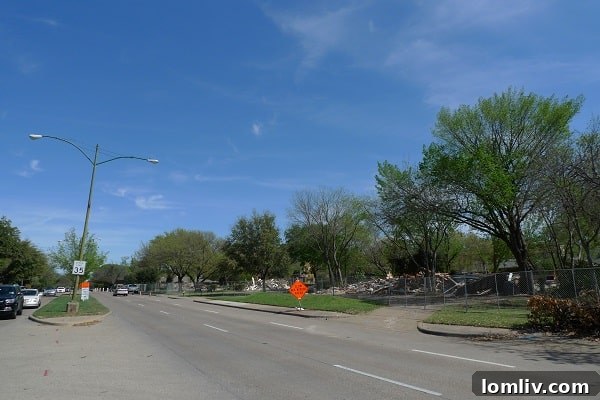
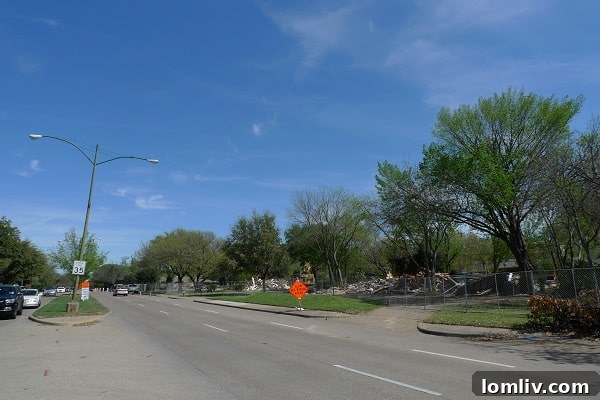
The site in question, strategically located on the south side of Walnut Hill Lane, stands almost directly opposite the well-known Preston Hollow Presbyterian Church. It also faces a cul-de-sac of newer, upscale homes on Walnut Hill Circle, underscoring its prime residential positioning. This coveted area is synonymous with high property values and a strong sense of community. The recent demolition of four 1950s-era homes, once valued between $199,000 and $220,000, has cleared the way for future development, creating a blank canvas that has ignited both speculation and apprehension among area homeowners.
Public records from the Dallas County Appraisal District confirm that these four parcels—specifically 6034, 6048, 6108, and 6118 Walnut Hill Lane—are owned by Romeo and Gayla Guerra of Plano. The rapid teardown of existing structures signals an imminent plan for the lots, prompting many to wonder about the precise nature of the forthcoming project in such a prominent and sensitive location within Preston Hollow.
Unraveling the Owners’ Ambiguous Vision
In an effort to ascertain the future of these now-vacant lots, direct contact was made with the property owners’ business in Plano. The initial inquiry was met with careful screening, ultimately leading to a conversation with Mr. Guerra’s assistant. When pressed about the intentions for the Walnut Hill properties and whether they might be available for sale, the response offered a tantalizing, yet vague, glimpse into the owners’ considerations.
The assistant indicated that Mr. Guerra’s plans were not yet concrete, stating, “He is not sure what he is going to do with those lots. He was thinking of maybe helping out society and making homes for abused children or a property for people needing help with drugs and alcohol.” This statement, while hinting at philanthropic intentions, simultaneously introduced the prospect of facilities that could significantly alter the residential fabric of Preston Hollow. When asked about the possibility of acquiring just one of the lots, the assistant firmly responded, “He will sell them all together for $2.5 million.” This hefty price tag underscores the substantial market value of the land in this esteemed Dallas neighborhood.
Navigating Dallas Zoning Laws: A Complex Labyrinth
The conversation took a sharp turn when the feasibility of constructing such facilities within the existing residential zoning framework was questioned. At this point, the assistant became notably reticent, signaling the complexity and potential challenges inherent in such a development. This very issue brings to the forefront the intricate world of Dallas zoning regulations and their critical role in shaping urban development.
To gain clarity, a call was placed to Dallas City Councilwoman Jennifer Gates, a key figure in local development discussions and a voice for Preston Hollow residents. Councilwoman Gates, known for her active engagement in community planning, provided crucial insights. She confirmed that, as of recently, no official filings regarding the Walnut Hill properties had been submitted to the city. However, she elucidated a critical aspect of zoning law pertinent to this situation:
- Group Homes: By law, a group home consisting of up to eight people is generally permitted on a single tract of land without requiring additional city approval. This provision is often designed to facilitate housing for individuals needing assistance in a residential setting.
- Combined Tracts and Facilities: The situation changes dramatically if a developer attempts to combine multiple tracts of land for a larger facility, or if the proposed use extends beyond the scope of a standard group home. In such instances, additional city approval, which often involves a rigorous rezoning process or the securing of a special use permit, becomes mandatory.
Councilwoman Gates’ comments echo similar debates surrounding group rehabilitation homes in other Dallas neighborhoods, such as the Meadows area, where similar zoning challenges have been previously encountered. The prevailing understanding is that, yes, private drug rehabilitation homes are legally permissible in various residential zones, even in areas as exclusive as Preston Hollow. However, the scale and scope of such operations are heavily dictated by the specific zoning classification of the land and the number of individuals intended to be housed.
Community Concerns and the Preservation of Neighborhood Character
The potential for a drug and rehabilitation facility or a home for abused children in the heart of Preston Hollow, regardless of its noble intent, naturally raises a spectrum of concerns among local residents. While supporting initiatives that “help society” is often a shared value, the implications of such a development on property values, neighborhood traffic, public safety perceptions, and the overall residential character of the area are significant.
These concerns are not isolated; they are part of a broader discourse on urban development in Dallas’s most desirable neighborhoods. Just recently, community members gathered to discuss Luke Crosland’s contentious proposal for a 29-story luxury apartment complex planned on 0.5 acres on Westchester in Preston Center. That meeting highlighted the passionate advocacy of homeowners determined to protect the integrity and peaceful ambiance of their surroundings against what they perceive as incompatible or overly dense developments. The situation on Walnut Hill Lane presents a different type of challenge, focusing less on density and more on the nature of the facility itself and its integration into a single-family residential zone.
A crucial element in any proposed zoning change or significant development is the notification process. According to city regulations, residents living within 200 feet of any proposed zoning change must be formally notified. This ensures that those most directly impacted have the opportunity to engage, express their views, and participate in public hearings, which are often a pivotal part of the approval process.
The Road Ahead: What Residents Need to Know
As the situation on Walnut Hill Lane continues to unfold, vigilance and informed engagement will be paramount for Preston Hollow residents. The current status of the lots, while cleared, remains undefined, but the owners’ expressed intentions signal a potential path that could lead to a significant community discussion.
Key actions for residents and stakeholders include:
- Monitoring City Filings: Keeping a close eye on the City of Dallas’s planning and zoning department for any official applications or requests for special use permits related to 6034, 6048, 6108, and 6118 Walnut Hill Lane.
- Engaging with Local Officials: Reaching out to Dallas City Council representatives, like Councilwoman Gates, to understand the legal frameworks, express concerns, and stay updated on the official process.
- Neighborhood Association Involvement: Actively participating in or supporting local neighborhood associations, which often serve as vital conduits for community voices and organized advocacy.
- Attending Public Hearings: Should any official zoning changes or special use permits be sought, public hearings will be scheduled, providing a formal platform for residents to voice their opinions.
The debate surrounding the Walnut Hill Lane properties is more than just a local real estate matter; it’s a testament to the ongoing tension between property rights, developer ambitions, social objectives, and the fervent desire of residents to preserve the unique character and value of their neighborhoods. As more information becomes available, and as the exact nature of any proposed facility takes shape, the community’s response will undoubtedly play a crucial role in determining the future of this significant Preston Hollow site. Stay tuned for further updates as this important local story develops, accompanied by forthcoming photographic documentation of the cleared parcels.
Conclusion: Balancing Development with Community Integrity
The narrative unfolding on Walnut Hill Lane encapsulates a universal challenge faced by upscale residential areas across the nation: how to balance the need for various community services and development opportunities with the deeply held desire to maintain neighborhood integrity, property values, and the existing quality of life. The $2.5 million price tag for the combined lots highlights the extraordinary value of land in Preston Hollow, setting the stage for a development that will undoubtedly garner significant attention. The outcome for these properties will not only impact the immediate vicinity but could also set precedents for future development discussions throughout Preston Hollow and beyond. It serves as a potent reminder that even in the most established and affluent neighborhoods, proactive community engagement remains essential for shaping the future landscape.