The arrival of summer in Dallas often brings with it the joys of outdoor activities, sunny days, and warm evenings. However, this season also ushers in a more concerning development: the increased threat of West Nile Virus (WNV). Recent reports confirm the first human case of WNV within Dallas city limits, specifically in the beloved Preston Hollow area (zip code 75230). This alarming news serves as a critical reminder of the pervasive risk posed by disease-carrying mosquitoes and underscores the urgent need for heightened vigilance and proactive community efforts in mosquito control.
Understanding the West Nile Virus Threat in Dallas
West Nile Virus is a mosquito-borne disease that can cause serious illness, and in rare cases, even death. Transmitted primarily through the bite of an infected mosquito, WNV poses a significant public health challenge, particularly in regions like Dallas that experience warm climates and periods of rain, which create ideal conditions for mosquito breeding. While many people infected with WNV will experience no symptoms or only mild flu-like symptoms, a small percentage can develop severe neurological illnesses such as encephalitis or meningitis, requiring hospitalization. The elderly and those with weakened immune systems are particularly vulnerable to these severe forms of the disease.
The confirmation of the first human case in Preston Hollow immediately elevates the urgency of mosquito prevention across Dallas. Dallas County Health and Human Services (DCHHS) plays a pivotal role in monitoring WNV activity, tracking mosquito populations, and implementing control measures. Their proactive surveillance includes testing mosquito pools collected from various traps positioned throughout the county and responding swiftly when WNV is detected, whether in mosquitoes or human patients. This latest development necessitates a comprehensive approach, combining governmental action with active community participation to mitigate the risk and protect residents.
The Critical Role of Eliminating Standing Water: A Community Imperative
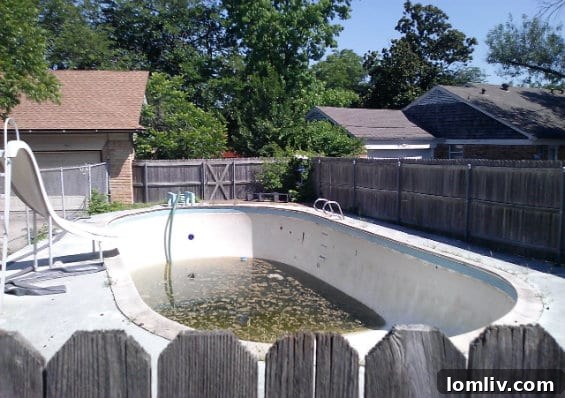
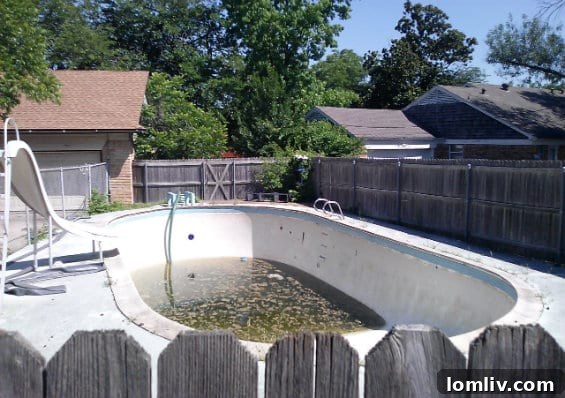
One of the most effective strategies in combating the spread of West Nile Virus is the elimination of standing water, which serves as prime breeding grounds for mosquitoes. A common and particularly problematic source of standing water in urban and suburban environments is neglected swimming pools. As highlighted by images of poorly maintained pools, such as the one associated with Dallas City Councilwoman Vonciel Jones Hill’s property, these can quickly transform into vast incubators for virus-carrying mosquitoes. These stagnant pools, often filled with algae and debris, provide the perfect environment for mosquito larvae to thrive undisturbed.
The mosquito life cycle is remarkably rapid; an egg can mature into a biting adult in as little as three to seven days. This accelerated development means that even small, temporary accumulations of standing water can become prolific sources of mosquitoes in a very short period. Beyond abandoned pools, common culprits include bird baths, clogged gutters, old tires, pet water bowls, ornamental ponds without proper aeration, leaky outdoor faucets, and even tarps or buckets that collect rainwater. Following recent rainfall, the number of potential breeding sites increases exponentially, making immediate action crucial for every homeowner and property manager.
Despite frequent calls and complaints to 311 and Dallas City Code Compliance officers regarding neglected properties, issues like stagnant pools persist in various neighborhoods, including the Casa View Haven area. This ongoing challenge underscores a critical gap in civic responsibility and enforcement. Property owners have a fundamental obligation to maintain their premises, not only for aesthetic reasons but, more importantly, for public health and safety. Draining or properly maintaining pools with regular chemical treatments, addressing leaky faucets, and regularly clearing debris that can hold water are not merely suggestions but essential preventive measures that protect the entire community from the risk of mosquito-borne diseases. The failure to address these issues promptly creates a ripple effect, endangering neighbors and straining public health resources.
Dallas City’s Coordinated Response and Mosquito Control Measures
In response to confirmed West Nile Virus activity, the City of Dallas and Dallas County Health and Human Services initiate targeted ground spraying operations. The city’s protocol is meticulously designed to address areas where WNV has been detected in mosquito pools or where human cases have been confirmed. This strategic approach ensures that resources are directed to the highest-risk zones, aiming to reduce the adult mosquito population and thus curb the transmission of the virus. These operations are carefully planned to maximize effectiveness while minimizing public inconvenience.
A recent press release from DCHHS detailed the city’s immediate response following the confirmation of the human case in the 75230 zip code. A mosquito pool in an existing trap near the human case tested positive for WNV, prompting an expansion of scheduled spray areas and the placement of additional traps to gather more comprehensive data on mosquito activity. This systematic surveillance and response mechanism is vital in understanding the scope of the threat and implementing effective control measures, allowing public health officials to target their efforts precisely where they are most needed.
UPDATE FROM CITY HALL: Critical Mosquito Control Spraying Scheduled for North Central Dallas
Areas in North Central Dallas are scheduled for mosquito control spraying on Saturday, July 19, and Sunday, July 20, during the nighttime hours. This action follows the detection of mosquitoes infected with West Nile Virus earlier this week near the 6600 block of Brookshire Drive (75230 zip code) and the 7100 block of Valley View Lane (75240 zip code). Previously scheduled spraying from July 14 through July 17 was postponed due to unfavorable weather conditions, highlighting the challenges inherent in these operations and the city’s commitment to optimal spray conditions for maximum efficacy.
Furthermore, the first human case of West Nile Virus in the City of Dallas was confirmed in the 75230 zip code, specifically near the radius of the Brookshire Drive location. Consequently, the ground spraying radius for the Brookshire Drive area will be significantly expanded to cover a broader area of potential transmission, reflecting the increased risk level. Weather permitting, the delineated areas below are scheduled for mosquito control spraying between 9 p.m. and 5 a.m. on both Saturday, July 19, and Sunday, July 20.
Control Areas Detailed:
The initial target area within the 6600 block of Brookshire Drive is generally bounded by:
Azalea Lane on the north, Tulane Boulevard on the west, Airline Road on the east, and Walnut Hill Lane on the south.The expanded radius of Brookshire Drive extends to an area generally bounded by:
Woodthrush Drive on the north, Hillcrest Road on the west, North Central Expressway (75) on the east, and Glenshannon Circle on the south.The target area around the 7100 block of Valley View Lane is generally bounded by:
Elmridge Drive on the north, Ridgeview Circle on the west, Flagstone Lane on the east, and Helsem Way on the south.While the insecticide used in these operations is approved by the Environmental Protection Agency (EPA) for public health treatment, residents in the designated spray areas are strongly advised to minimize contact. It is recommended to stay indoors during the scheduled spraying times. For individuals inside a vehicle while trucks are actively spraying, it is crucial to remain in your vehicle with windows securely rolled up and the air conditioner on recirculate until the trucks have passed and the spray is no longer visible. Residents who are outdoors during spraying hours should be aware of the trucks and avoid following them. Should any skin contact with the spray occur, thoroughly wash the affected area with soap and water. The insecticide is formulated to break down quickly in the presence of sunlight and does not leave a long-term residual effect, ensuring environmental safety while effectively targeting mosquito populations.
Comprehensive Personal Protection and Prevention Tips
Beyond the city’s spraying efforts and community-wide standing water management, individual actions are paramount in preventing West Nile Virus infection. Residents are strongly encouraged to adopt personal protection measures, especially when spending time outdoors, particularly during peak mosquito activity hours. By taking simple precautions, individuals can significantly reduce their risk of mosquito bites.
Mosquitoes are most active during dusk and dawn, making these periods the highest risk times for bites. If outdoor activities are unavoidable during these hours, it is advisable to wear long sleeves and long pants. While this may seem counterintuitive in Dallas’s summer heat, lightweight, loose-fitting clothing made from materials like cotton or linen can still offer significant protection without causing excessive discomfort. Furthermore, the application of an EPA-registered insect repellent is highly recommended. Products containing active ingredients such as DEET, picaridin, oil of lemon eucalyptus, or IR3535 have proven effective in deterring mosquito bites. Always follow the product label instructions carefully for safe and effective use, especially when applying to children.
Homeowners should also routinely inspect their properties for potential mosquito entry points and breeding sites. Ensure that window and door screens are in good repair, free of tears or holes that could allow mosquitoes inside your home. Regularly check and clean gutters to prevent water accumulation, and empty any containers that can hold water, such as planters, toys, and trash cans. Even small amounts of water can be enough for mosquitoes to lay eggs. Changing water in bird baths and pet dishes at least once a week is also crucial. Consider using mosquito dunks (which contain Bti, a natural larvicide) in standing water that cannot be drained, such as ornamental ponds.
For reporting persistent standing water issues or properties that are not compliant with code, residents can contact 3-1-1. While city officials aim to respond to such reports, understanding that response times can vary (often within 1 to 2 weeks) is important. Persistent follow-up may be necessary to ensure these public health hazards are addressed efficiently. Collective vigilance and reporting are crucial components of a successful city-wide mosquito control strategy, ensuring that everyone contributes to a safer environment.
Conclusion: A Call for Unified Action Against WNV in Dallas
The confirmation of West Nile Virus in Dallas serves as a stark reminder that public health is a shared responsibility. While the Dallas County Health and Human Services department and city officials are implementing crucial control measures, the effectiveness of these efforts relies heavily on the active participation of every resident. By diligently eliminating standing water, practicing personal protection, and reporting neglected breeding sites, we can collectively reduce the mosquito population and significantly lower the risk of WNV transmission.
Our commitment to maintaining clean, safe, and healthy neighborhoods is the strongest defense against this seasonal threat. Let us transform frustration into action, ensuring that our beloved Dallas remains a vibrant place to live, free from the pervasive worries of mosquito-borne diseases. Together, through sustained effort and community collaboration, we can make a tangible difference in protecting ourselves, our families, and our community from West Nile Virus, fostering a healthier and more resilient Dallas for all.