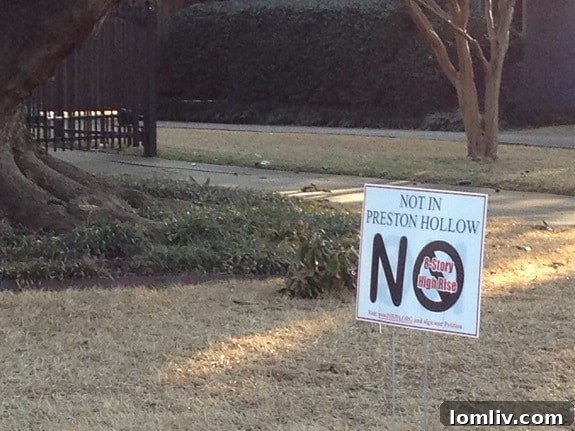
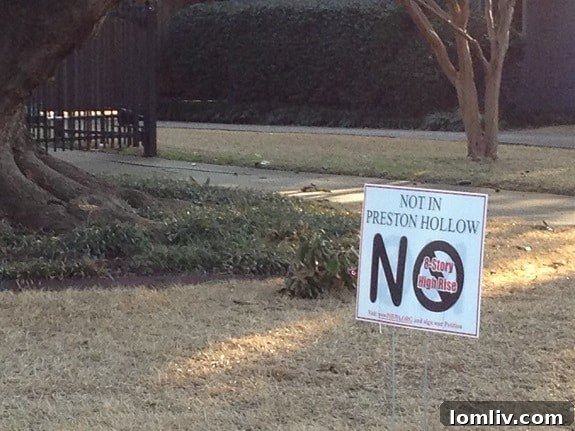
Vote NO to the Transwestern Deal: Safeguarding Our Community and Future
The proposed Transwestern Deal stands as a pivotal moment for our community, presenting a choice that will undeniably shape our future for generations to come. This is not merely a routine legislative proposal or an infrastructure project; it represents a defining juncture requiring informed public deliberation and decisive action. Across our region, a powerful and unified chorus of voices is emerging, urging a resounding “NO” to this deal. Their concerns are deeply rooted in potential environmental devastation, significant economic drawbacks, and a worrying erosion of community well-being. This comprehensive article aims to illuminate the fundamental reasons why opposing the Transwestern Deal is not just a preference, but an absolute necessity for the long-term prosperity, health, and identity of our shared home.
Understanding the Transwestern Deal: What Are We Truly Up Against?
While the intricacies of the Transwestern Deal can often be obscured by complex legal and technical jargon, its core impact is starkly clear. It revolves around a massive energy infrastructure initiative that its proponents enthusiastically claim will usher in a new era of growth and development. However, a deeper, more critical examination paints a considerably different picture. The Transwestern Deal, in its current form, proposes the construction of an expansive natural gas pipeline network, traversing hundreds of miles through ecologically sensitive wetlands, vital agricultural lands, and alarmingly close to numerous residential communities. This audacious project, primarily championed by a consortium of powerful, out-of-state energy corporations and supported by certain political factions, promises fleeting short-term economic gains. Yet, it conspicuously disregards the irreversible environmental damage and immense long-term liabilities it could impose on our local ecosystems and economy. The sheer scale and scope of this undertaking demand unprecedented scrutiny, calling for genuine transparency and meaningful public engagement, far beyond the superficial consultations offered thus far.
Compelling Reasons to Cast a Resounding “NO”
Environmental Devastation: A Perilous Path Towards Irreversible Harm
At the forefront of opposition to the Transwestern Deal are its potentially catastrophic environmental ramifications. Our beloved region is a sanctuary of diverse ecosystems, home to pristine waterways, ancient forests, and cherished natural landscapes that function as the vital lungs of our community and critical habitats for countless species, many of which are endangered. The proposed deal, with its inherently intrusive construction methodologies and extensive operational footprint, threatens to unleash:
- Destruction of Sensitive Habitats: The requirement for extensive land clearing, excavation, and the creation of permanent rights-of-way would fragment vital ecosystems, displace indigenous wildlife populations, and irreparably disrupt delicate ecological balances that have evolved over millennia. This loss of biodiversity represents a silent but profound crisis.
- Widespread Air and Water Contamination: The operational phases of such a large-scale energy project, particularly involving the extraction, processing, and transportation of fossil fuels, carry inherent and unavoidable risks of leaks, spills, and atmospheric emissions. These incidents could directly compromise the purity of our precious drinking water sources, saturate the air we breathe with harmful pollutants, and degrade the fertility of our invaluable agricultural lands, impacting both human and ecological health.
- Acceleration of Climate Change: As an intensive fossil fuel infrastructure project, the Transwestern Deal would inextricably lock our community into an outdated and unsustainable energy paradigm. This would actively contribute to an increase in greenhouse gas emissions at a time when global scientific consensus and international efforts are unequivocally focused on a rapid transition to renewable, sustainable energy alternatives. Approving this deal would represent a stark contradiction to our collective responsibility to mitigate climate change and protect the viability of our planet for future generations.
The transient economic incentives dangled by the deal simply cannot, under any circumstances, justify the specter of irreversible environmental degradation. We cannot, and must not, place a monetary value on clean air, potable water, or the irreplaceable natural beauty that defines and sustains our home.
Economic Fallout: Exposing the Chasm Between Promises and Harsh Reality
Proponents of the Transwestern Deal frequently trumpet its virtues as an economic catalyst, promising an abundance of jobs and widespread prosperity. However, a diligent and unbiased economic analysis reveals that these claims are often significantly inflated and fail to account for the true, hidden economic costs that would be borne by our community:
- Ephemeral vs. Enduring Employment: A significant majority of the jobs promised are typically temporary construction roles, often filled by transient external labor forces. Very few permanent positions remain once the initial construction phase is completed. This temporary influx can strain local public services and infrastructure without providing any lasting economic stability or genuine growth for existing residents.
- Depreciation of Property Values: The unavoidable proximity to large-scale industrial sites, noisy operational facilities, and environmentally compromised areas can lead to a substantial and prolonged decrease in both residential and commercial property values. This erosion of wealth directly impacts homeowners, local businesses, and the overall financial stability of our community.
- Detrimental Impact on Existing Industries: Our region’s vital, established industries, such as eco-tourism, sustainable agriculture, artisanal crafts, and local small businesses, which are intrinsically reliant on a pristine environment and a charming community appeal, would suffer immensely. Damage to our ecological integrity and cherished brand image could precipitate a permanent and irreversible decline in these crucial sectors, leading to job losses and economic hardship.
- Increased Public Financial Burden: The implementation of the Transwestern Deal would likely necessitate considerable public investment in new infrastructure upgrades, such as roads, utility expansions, and reinforced emergency services, primarily to support the project’s demands. Furthermore, our community could incur significant future costs related to long-term environmental remediation, public health impacts, and unforeseen liabilities, effectively shifting the financial burden directly onto the shoulders of local taxpayers.
It is imperative that we critically evaluate whether the speculative benefits truly outweigh the very real and quantifiable risks of long-term economic instability, job displacement in existing sectors, and the systematic erosion of our community’s foundational economic strengths.
Community Impact and Pressing Safety Concerns
Beyond the environmental and economic considerations, the Transwestern Deal poses direct and tangible threats to the safety, public health, and overall quality of life for every resident:
- Exacerbated Health Risks: Elevated levels of air and water pollution, resulting from the project’s operations, can lead to a demonstrable increase in respiratory illnesses, dermatological conditions, and a myriad of other health issues. These impacts disproportionately affect vulnerable populations, including infants, children, the elderly, and individuals with pre-existing health conditions.
- Compromised Public Safety: The inherent nature of large-scale industrial operations or the transportation of hazardous materials introduces significant public safety risks. These include the potential for devastating accidents, uncontrolled explosions, or widespread spills that could endanger lives, necessitate mass evacuations, and demand costly, complex emergency response measures, overwhelming local resources.
- Profound Disruption to Quality of Life: A surge in noise pollution from construction and operations, coupled with increased heavy vehicle traffic and the permanent alteration of once-scenic landscapes, can severely diminish the quality of life for residents. Peaceful neighborhoods could be transformed into industrial corridors, eroding the tranquility and aesthetic appeal that residents cherish.
- Erosion of Local Autonomy: Major external development projects often come hand-in-hand with agreements or legislative measures that can significantly limit local government’s ability to effectively regulate, oversee, or respond to issues arising from the project. This can effectively reduce community autonomy and control over its own developmental trajectory and future well-being.
The well-being, peace of mind, and the fundamental right to a safe and healthy environment for our community members should never be sacrificed at the altar of external corporate interests or short-sighted gains.
A Disturbing Lack of Transparency and Genuine Public Engagement
A persistent and deeply troubling concern surrounding the Transwestern Deal has been the conspicuous absence of genuine transparency and robust, inclusive public engagement throughout its development. Decisions of such monumental magnitude, which directly impact the lives and livelihoods of every resident, demand an open, honest, and continuous dialogue, rather than being forged through opaque, closed-door negotiations and rushed, superficial approvals. Many community members, environmental advocates, and local business owners feel strongly that:
- Information is Deliberately Obscured: Critical details regarding the deal’s true scope, its potential long-term liabilities, and the full extent of its impacts are often presented in an overly complex, fragmented, or deliberately convoluted manner, making it exceedingly difficult for the average citizen to fully comprehend the profound implications.
- Public Input is Systematically Marginalized: The opportunities provided for genuine public feedback are frequently limited in scope, poorly publicized, or structured in a way that effectively minimizes dissenting voices and genuine community concerns, creating an illusion of participation without true influence.
- Unanswered Questions Breed Distrust: Important, pertinent questions raised by concerned community members, dedicated environmental groups, and proactive local businesses are all too frequently met with vague, non-committal responses or, in some cases, outright dismissal. This pattern systematically fosters a deep sense of distrust and disillusionment within the community.
Authentic democracy thrives on unwavering transparency and robust accountability. Without these foundational pillars, public confidence inevitably erodes, and critical decisions are made that do not genuinely reflect the collective will, the shared values, or the paramount best interests of the people they are supposed to serve.
Charting a Sustainable Future: Beyond the Transwestern Deal
Rejecting the Transwestern Deal is not an act of rejecting progress or development; rather, it is a deliberate and empowered choice to embrace a different, fundamentally more sustainable and equitable path forward for our community. Our region possesses immense potential to innovate, prosper, and thrive by strategically investing in forward-thinking initiatives such as:
- Harnessing Renewable Energy Solutions: A proactive shift towards indigenous renewable energy sources, including solar, wind, and geothermal power, can simultaneously create a wealth of green jobs, significantly reduce our collective carbon footprint, and ensure genuine energy independence without compromising our precious environment.
- Fostering Local Economic Development: Robustly supporting local small businesses, nurturing sustainable agriculture, and strategically investing in responsible eco-tourism initiatives can collectively build a resilient and diversified local economy that genuinely benefits every resident, rather than disproportionately enriching distant external corporations.
- Prioritizing Conservation and Green Infrastructure: The diligent protection of our invaluable natural resources and strategic investment in green infrastructure projects – such as expansive public parks, urban green spaces, and advanced water management systems – not only enhances community well-being but also attracts sustainable investment and provides invaluable long-term ecological benefits.
- Empowering Community-Led Planning: Actively empowering residents to participate meaningfully and directly in all planning processes ensures that any future developments are intrinsically aligned with our shared community values, long-term visions, and pressing local needs, fostering a sense of ownership and collective responsibility.
We stand at a critical juncture, presented with an unparalleled opportunity to meticulously build a future that is not only environmentally sound but also economically equitable and socially vibrant. The Transwestern Deal, with its outdated paradigms and inherent risks, unequivocally represents a significant step backward, away from this hopeful and progressive vision.
Your Voice Holds Power: How to Effectively Vote “NO”
The ultimate power to halt the Transwestern Deal resides unequivocally in the collective will, unwavering dedication, and unified action of our entire community. Every individual voice, every single vote cast, and every act of engaged participation, no matter how seemingly small, contributes significantly to the larger, transformative movement. Here is how you can effectively make a tangible difference:
- Remain Vigilantly Informed: Make it a continuous priority to seek out accurate and unbiased information from reputable sources. Develop a comprehensive understanding of the specific details of the deal and its far-reaching potential impacts on every aspect of our community.
- Become an Advocate and Spread Awareness: Engage in meaningful conversations with your neighbors, friends, and family members. Actively share crucial information on social media platforms and through established community groups. The more thoroughly informed our community becomes, the stronger and more impactful our collective voice will be.
- Actively Attend Public Meetings: Make your presence felt and your voice heard at all local council meetings, public town halls, and official public hearings. Your consistent attendance powerfully demonstrates the depth and breadth of community concern to decision-makers.
- Contact Your Elected Representatives: Write articulate letters, send concise emails, or directly call your elected officials. Clearly and unequivocally state your firm opposition to the Transwestern Deal and urgently implore them to vote against its approval. Remind them firmly that their primary mandate is to represent the genuine interests of the community.
- Support Local Advocacy Organizations: Join or actively support local environmental groups and community advocacy organizations that are tirelessly working to oppose the deal. Their coordinated efforts, expertise, and strategic planning are absolutely crucial to the success of our collective movement.
- Exercise Your Right to Vote: When the opportunity arises, whether it is through a direct community referendum or by electing representatives who demonstrably share your stance, exercise your fundamental right to vote. Your ballot is not merely a piece of paper; it is an immensely powerful instrument for driving profound and lasting change.
Conclusion: A Resounding Call for Collective Action and Foresight
The Transwestern Deal transcends the definition of a simple proposal; it serves as a critical litmus test of our collective resolve, our unwavering commitment to responsible environmental stewardship, and our enduring dedication to ensuring the long-term health, vitality, and prosperity of our beloved community. By uniting our diverse voices, standing shoulder to shoulder, and taking decisive, informed action, we can collectively ensure that future generations inherit a vibrant, healthy, and truly sustainable home, one that is entirely free from the oppressive burdens, severe compromises, and inherent risks that the Transwestern Deal unequivocally represents. Let us consciously choose foresight and long-term vision over fleeting short-sighted gains, prioritizing the holistic well-being of our community above external corporate profits, and resolutely embracing a sustainable, equitable future over the specter of environmental degradation. Let us stand together as one, and cast a resounding “NO” to the Transwestern Deal, thereby paving a clear and hopeful path for a brighter, more responsible, and truly sustainable tomorrow for all.