The Preston Hollow Development Saga: A Tale of Density, Dissent, and Dallas Real Estate
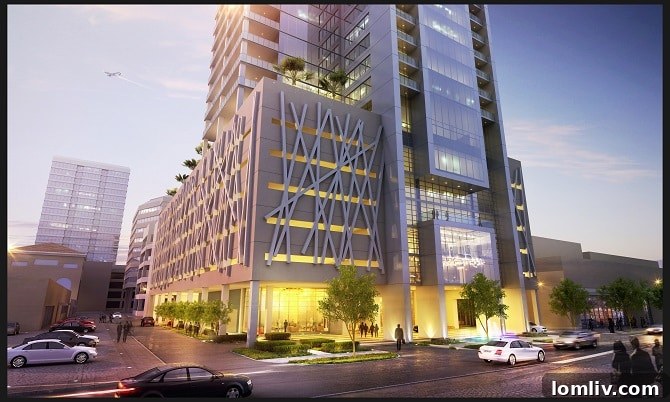
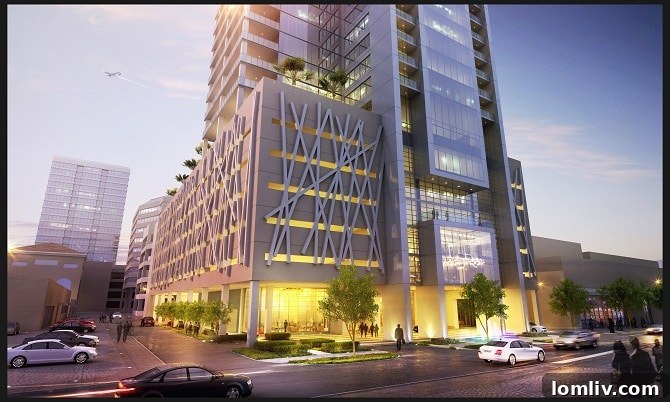
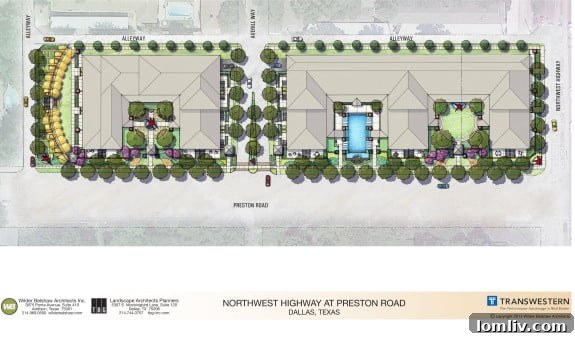
“Somewhere in Preston Hollow, Laura Miller is wiping clean the dagger with which she eviscerated two proposed apartment developments at Preston Road and Northwest Highway.” This evocative image captures the dramatic conclusion of a contentious real estate battle that has captivated Dallas residents and developers alike. After months of heated debate, costly negotiations, and significant neighborhood opposition, Transwestern officially withdrew its plans for a luxurious apartment complex at the prime intersection of Preston Road and Northwest Highway in the heart of Preston Hollow.
The echoes of this saga still resonate through the upscale neighborhood. For a time, “just say no” signs were ubiquitous in local yards, clear indicators of the fierce homeowner resistance that ultimately prevailed. Though the battle concluded weeks ago, with Transwestern’s departure and the subsequent sale of the property by Luke Crosland to former city council candidate Leland Burke, the memory of the fight, and its implications for future development in Dallas, remain vivid.
The Quest for Density: A City’s Vision vs. Neighborhood Opposition
In the lexicon of urban planning and real estate development, the Transwestern project, much like several others across Dallas, represented an endeavor to introduce greater urban density. This concept is a cornerstone of the Forward Dallas plan, a comprehensive blueprint commissioned by the City of Dallas to guide its growth and development. Proponents argue that increased density is beneficial for a thriving city, promoting efficient land use, supporting public transportation, fostering local businesses, and reducing urban sprawl—akin to the universally acknowledged benefits of a healthy diet and regular exercise.
Crosland Development previously attempted similar density projects, notably at Preston Center, where construction is already nearing completion for Bandera Venture’s new headquarters for Chief Oil & Gas. Transwestern’s ambitious proposal aimed to bring this model to the prestigious “Behind The Pink Wall” area of Preston Hollow. As a homeowner in the vicinity—owning a condo on Averill Way, Behind the Pink Wall—I initially harbored excitement for new development, particularly for condominium projects that could enhance the area’s value and appeal. I even journeyed to Carrollton to personally examine the type of luxury apartments Transwestern envisioned for our neighborhood, hoping for a visionary approach.
Condos vs. Apartments: Understanding the Economic Realities of Development
While condominiums often appeal more to existing homeowners seeking ownership-oriented development, the practicalities of the current real estate market present significant hurdles for developers. Building condominium units is inherently more costly than apartments due to a confluence of market realities, beginning with, perhaps surprisingly, liability issues. When embarking on a condominium project, developers must account for an additional 3% or more tacked onto the total construction cost solely for liability insurance coverage. This substantial premium mitigates the risks associated with shared ownership, potential construction defects, and long-term maintenance responsibilities, which are more complex in multi-owner structures.
Furthermore, securing financing for condominium developments is considerably more challenging. Lenders often require a substantial portion—typically two-thirds—of the units to be pre-sold before they will even consider approving the necessary capital. The memory of the 2008 recession, which significantly impacted the housing market and lender confidence, still casts a long shadow, making banks more risk-averse regarding condo projects. Finishing out condominiums also adds to the expense; these units are designed to attract buyers with higher expectations for upgrades and luxury finishes, making them inherently more costly to equip and decorate than rental apartments.
This economic landscape starkly contrasts with apartment developments. Apartments are generally cheaper and faster to build. Developers benefit from economies of scale and often employ more standardized finishes, which reduces overall construction costs. Moreover, contemporary demographic shifts indicate a growing trend: more Americans are choosing to lease rather than buy. This includes millennials who prioritize flexibility and urban lifestyles, as well as older generations seeking low-maintenance living options. This shift in consumer preference makes apartment complexes a more attractive and financially viable venture for developers. Given these compelling market forces, it is highly probable that if any new development proceeds on this site, it will ultimately be apartment-based.
Lee Kleinman’s Insight: A Landmark Case for Preston Hollow Values
To gain a deeper understanding of the situation, I reached out to Lee Kleinman, a respected voice in Dallas urban development. Reflecting on Transwestern’s exit, Kleinman shared his candid perspective:
“… in the end, no, I was not surprised. The neighborhood organized and worked the case to their desired outcome. The owners could not get the values they had hoped for. The expectation of value for those properties was way too high, as you have written about. Now that we have a better idea of what the neighborhood will support (MF-1), I anticipate the next project (if any) will be garden-style apartments with surface parking and cheap materials. In some ways, this was a landmark case setting values for years to come. I don’t think we can anticipate any more developers any time soon.”
Kleinman’s analysis underscores the power of organized community resistance and its profound impact on development outcomes. The neighborhood’s successful push to maintain lower density, likely aligning with MF-1 (Multi-Family 1) zoning—which typically allows for more modest, often garden-style apartments—has set a significant precedent. This “landmark case” effectively recalibrates property values and developer expectations for Preston Hollow, signaling that future proposals will need to be significantly scaled back to garner community acceptance. It suggests a future for the site characterized by less ambitious, more traditional apartment complexes, eschewing the high-density luxury developments initially envisioned.
The Political Undercurrents: Laura Miller, Mitchell Rasansky, and the Preston Center Parking Fiasco
The saga of the Preston Hollow development is deeply interwoven with local politics and personalities. Former Mayor Laura Miller, a formidable figure in Dallas, is frequently cited as a key opponent of such projects. The dramatic opening quote, suggesting she “eviscerated” the proposals, perfectly captures her perceived influence. Similarly, Mitchell Rasansky, another prominent community leader, is often viewed as anti-development. While I believe these individuals are generally opposed to large-scale, high-density projects, their stance, as I’ve observed, appears to soften when personal benefits are involved. Unsubstantiated rumors, for instance, circulated that Rasansky might have supported the Highland House deal had he held a personal stake in it, raising questions about consistency in advocacy.
This nuanced political landscape is further complicated by existing urban planning challenges, such as the long-standing “mess” of the Preston Center parking garage. This facility, owned by the City of Dallas, is burdened by perpetual easements granted to surrounding property owners for parking rights. The city’s attempt to remedy this by filing a lawsuit, with the aim of building a new parking garage and then selling it, ultimately failed. The City of Dallas lost its legal battle, leaving the complex parking situation unresolved. Such intricate legal and historical entanglements highlight the multifaceted difficulties inherent in urban development, even for public projects intended to serve the community.
The Power of Journalism: Digging Deeper with Eric Nicholson
In light of these complexities, I eagerly await the reporting of Eric Nicholson. I’ve known Eric since his days as a reporter at Park Cities People, where he exemplified thorough investigative journalism. I recall his dedicated research for a story on backyard chicken coops in Preston Hollow, a quest that involved him literally walking an entire neighborhood, knocking on doors (the ones not gated, he fondly recalls), to reunite a beloved chicken named Oprah with her owner. This tenacious approach, by the way, unfolded just half a mile north of where Laura Miller currently resides on Dentwood.
His ability to uncover and articulate intricate details, coupled with his insightful perspective, makes him the ideal journalist to delve into the ongoing implications of the Preston Hollow development saga. I particularly appreciate his impactful opening line in his own commentary on the situation:
“Somewhere in Preston Hollow, Laura Miller is wiping clean the dagger with which she eviscerated two proposed apartment developments at Preston Road and Northwest Highway.”
With such a Lady Macbeth-esque beginning, one can only anticipate a compelling and thoroughly researched narrative. I sincerely hope Eric will meticulously investigate the labyrinthine history of the Preston Center parking garage as part of his broader coverage. When he does, we can all settle down with a nice glass of bubbly, read his findings, and perhaps, collectively, sigh with a deeper understanding of the forces shaping our city.
Conclusion: The Future of Development in Dallas’s Premier Neighborhoods
The Transwestern saga at Preston Road and Northwest Highway serves as a potent case study in the delicate balance between urban growth, neighborhood preservation, and economic realities in Dallas. While the City of Dallas actively champions increased density through initiatives like the Forward Dallas plan, the fierce resistance from affluent, well-organized neighborhoods like Preston Hollow demonstrates the significant power of local activism. The economic advantages of apartment construction over condominiums, driven by liability costs, financing hurdles, and evolving market trends, further shape what types of development are feasible.
Lee Kleinman’s observation that this was a “landmark case” is a critical takeaway. It suggests that developers aiming for high-density, luxury projects in similar upscale areas of Dallas will face an uphill battle. The future of development in Preston Hollow, and perhaps other established Dallas neighborhoods, will likely lean towards less ambitious, more context-sensitive projects, potentially defined by lower-rise, garden-style apartment complexes. The intricate dance between developers, city planners, and powerful community figures like Laura Miller and Mitchell Rasansky, along with the lingering challenges exemplified by the Preston Center parking garage, underscores the complex and often dramatic nature of real estate development in a rapidly growing metropolitan area. As Dallas continues to evolve, understanding these dynamics will be crucial for navigating its future growth.