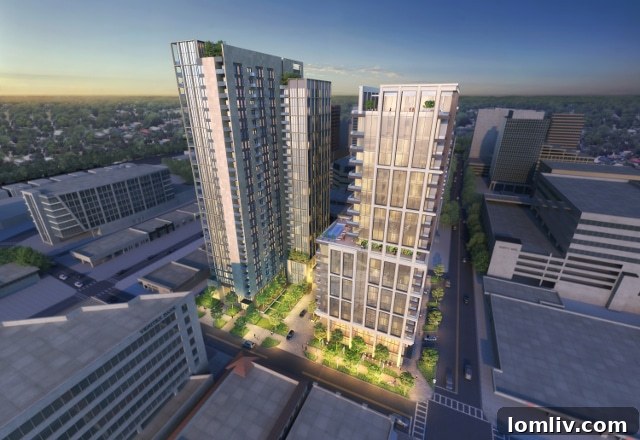
Preston Center is poised for a transformative redevelopment that promises to redefine luxury living and urban vibrancy in Dallas. Long-time residents and patrons of beloved local spots, such as Hopdoddy, will undoubtedly feel a mix of nostalgia and excitement as they learn about the ambitious plans for this prime location. To provide context, the illuminated lower-right corner in the accompanying rendering marks the strategic intersection of Luther Lane and Westchester Drive, situated directly across from the well-known Preston Center garage. This highly anticipated project is set to bring a new era of sophisticated design, enhanced green spaces, and an unparalleled urban experience to the heart of Dallas.
A Vision in Tandem: Two Parcels, Collaborative Architecture
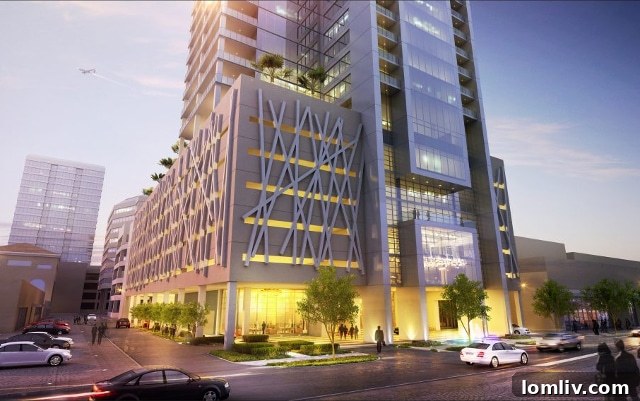
The recent town hall meeting, hosted by District 13 council member Jennifer Gates, provided the community with an initial glimpse into the developers’ detailed plans. This intricate project is uniquely structured, involving two distinct parcels, each under different ownership. Despite separate proprietors, both teams have engaged in a remarkable collaboration, working with leading architecture firms GFF and HKS to meticulously craft what are best described as “not-identical twin towers.” This collaborative approach ensures a cohesive aesthetic and functional integration, a testament to thoughtful urban planning.
The parcel positioned to the left will host a magnificent 270-unit apartment building, soaring an impressive 350 feet into the sky. This structure will replace an existing three-story medical office building, a property currently owned by Leland Burk’s Burk Interests. Adjacent, on the right parcel, Rosebriar Holdings will develop a 305-foot building. This innovative structure will house a luxurious 245-room hotel, crowned by an exclusive collection of 90 high-end condominiums. The synergy between these two distinct but complementary developments aims to create a dynamic mixed-use environment that caters to diverse lifestyles and needs within Preston Center.
Many facets of this development warrant significant appreciation. A cornerstone of the design philosophy is the commitment to extensive underground parking, minimizing surface disruption and maximizing pedestrian-friendly areas. With the exception of a minor allocation for surface parking, all vehicular storage for both projects will be meticulously placed below ground. Furthermore, all driveways and loading docks are strategically integrated within the building interiors. This intelligent design choice eliminates the need for the often-criticized 100 percent lot coverage podiums that typify many more budget-conscious constructions and are, surprisingly, permitted by-right on these parcels. By thoughtfully burying the parking infrastructure, invaluable ground-level space has been liberated for superior community amenities and aesthetics. The left apartment building now boasts an impressive 70 percent ground-level open space, while the right hotel and condo tower offers 80 percent, a significant improvement over typical urban developments.
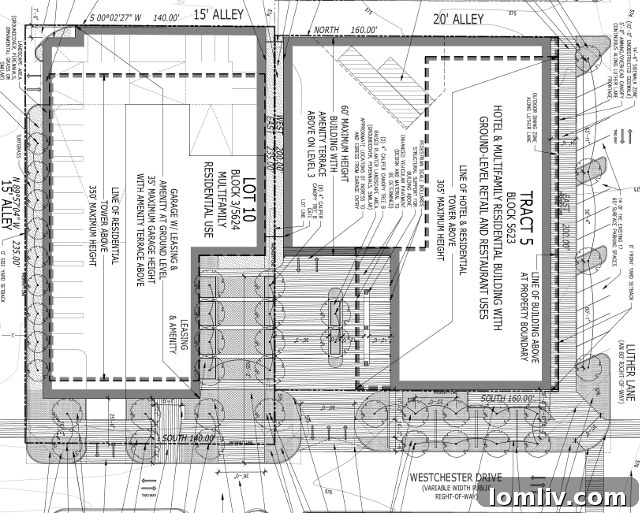
With such generous allocations of open space, the developers have seized the opportunity to implement a robust and visually stunning landscaping plan. A total of **thirty-nine new trees** will be planted across the two sites, significantly enhancing the area’s green infrastructure and contributing to a healthier urban environment. As clearly depicted in the landscape plan above, Westchester Drive will be transformed with a double row of mature trees, gracefully flanking an expansive 10-foot sidewalk. This represents a dramatic and welcome increase from the current conditions, which include a mere six trees in front of the southern building and conspicuously none around the popular Hopdoddy restaurant. This commitment to greenery not only beautifies the streetscape but also provides shade, improves air quality, and fosters a more inviting atmosphere for pedestrians and residents alike.
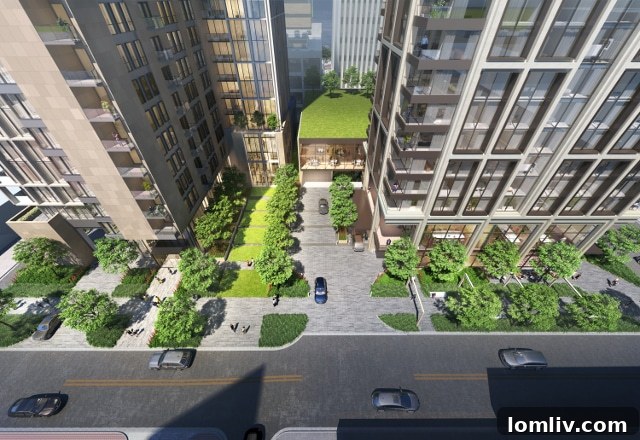
The dedication to green and open spaces extends beyond ground level. Peering at the center-back of the vibrant color rendering above, one can discern a lush green roof gracing the top of the hotel’s ballroom. This innovative feature, along with additional trees meticulously sprinkled across multiple upper levels throughout both buildings, exemplifies a commitment to biophilic design. Such elevated green spaces not only provide aesthetic pleasure and recreational opportunities for residents and guests but also contribute to urban ecological benefits, including stormwater management, reduced urban heat island effect, and increased biodiversity. These thoughtful design elements ensure that the new Preston Center development is not just a collection of buildings, but a vertical landscape that harmoniously integrates nature into the urban fabric.
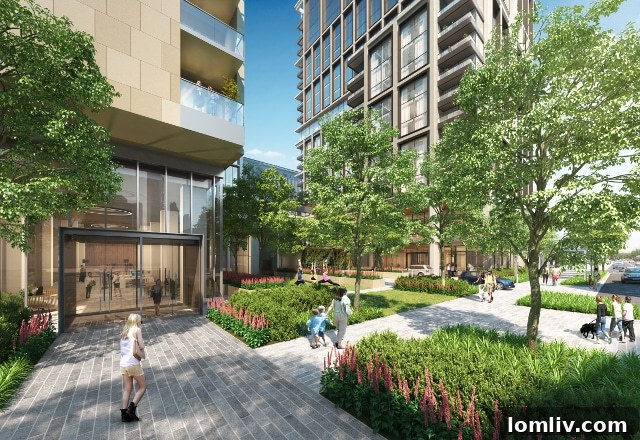
A distinctive feature that elevates the entire project is the beautifully designed abutting courtyard nestled between the two towers. This shared space fosters a sense of community and openness, making both individual projects feel more expansive and connected. On the left side, serving the apartment building, an inviting outdoor area will be dedicated to the residents’ fitness center. This particular space showcases an ingenious design solution: it will be covered with an innovative surface known as Grasscrete. True to its name, Grasscrete allows for grass to be cultivated within a robust concrete substrate, offering the best of both worlds. This versatile paving solution not only provides an aesthetically pleasing green surface for daily use but is also engineered to safely support the substantial weight of a fire engine, should an emergency arise. It represents a brilliant way to minimize hardscape and enhance the natural feel of the environment without compromising on critical safety standards or functionality. This thoughtful integration of natural elements and practical design underscores the project’s forward-thinking approach to urban development.
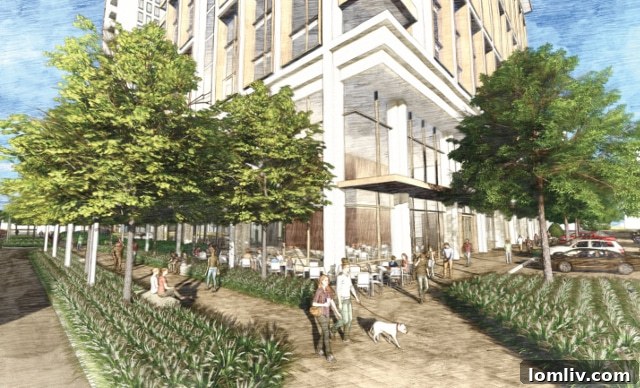
The commitment to green spaces and vibrant public areas continues gracefully over to the prominent Hopdoddy corner, a beloved landmark within Preston Center. The existing restaurant and retail ambiance will be reimagined and expanded, presenting exciting new opportunities along both Luther Lane and Westchester Drive. Rosebriar Holdings envisions a sophisticated new restaurant at this key corner, complete with an expansive and inviting patio area. During discussions, a compelling suggestion emerged to enhance this space further: introducing a multi-story design with a dedicated staircase leading to an upper outdoor level, offering exclusive, elevated seating. Imagine a few intimate tables, perhaps reserved for the restaurant’s most esteemed clientele, providing a unique dining experience with captivating views. Given the integrated nature of the hotel and condominium project, this new establishment is expected to benefit from a built-in customer base, injecting significantly more life and energy into Preston Center’s evenings, transforming what might currently be perceived as an “evening yawn of excitement” into a bustling and dynamic social hub. This strategic revitalization promises to elevate the area’s appeal, making it a destination for both residents and visitors seeking exceptional culinary and social experiences.
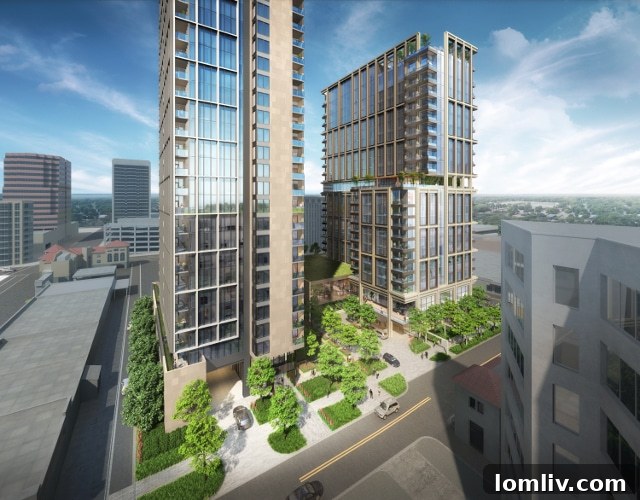
The thoughtful consideration of amenities is another hallmark of this meticulously planned development. A casual glance halfway up the right building reveals the elegant hotel pool and deck, offering guests a luxurious respite with potential panoramic views. Tucked behind the distinctive notched corner on the roof, the exclusive condo pool and amenity deck provide a private oasis for residents. Similarly, the apartment building on the left is designed with its pool and full suite of amenities strategically positioned on the rooftop. This strategic placement of high-end amenities on the upper levels is a direct and highly desirable outcome of avoiding the ubiquitous “muffin-top podium” structure. By forgoing ground-level podiums for parking, which often consume valuable space and limit design possibilities, the developers have successfully elevated these premium features. This design choice maximizes natural light, enhances scenic vistas, and contributes to a more elevated and exclusive living experience for all occupants, reinforcing the project’s commitment to luxury and superior urban design.
Positive Community Reception and Thoughtful Solutions
The community engagement process for this development has been met with overwhelmingly positive feedback. The town hall meeting, attended by approximately 40 residents and stakeholders, saw questions that were probing but ultimately constructive, indicating a strong interest in the project’s success. Remarkably, nearly all attendees expressed enthusiasm for the plans, with no overt opposition reported. Typical concerns regarding traffic, parking availability, and potential impacts on adjacent properties, particularly those immediately south on Sherry Lane, were raised. However, each query was addressed with clear and positive resolutions. Regarding parking, it was confirmed that all parking for both developments would be housed entirely underground within their respective structures, ensuring no additional parking burden on the existing Preston Center infrastructure. This commitment is particularly significant, as residents and guests paying for luxury accommodations would naturally expect dedicated, convenient parking, rather than relying on external facilities like the Preston Center garage.
The traffic impact analysis also presented encouraging findings. Given that the new apartment building is replacing an existing medical office building, which typically generates significant daytime traffic, a net reduction in overall trips is actually projected. Furthermore, residential traffic patterns are inherently opposite to those of traditional office buildings in Preston Center. Residents typically depart in the morning when office commuters arrive and return in the evening when commuters are leaving. This counter-cyclical flow inherently mitigates potential congestion. Moreover, considering the premium price points of these luxury residences and the average age demographic of Preston Hollow residents, it is anticipated that a significant portion of residents may have less traditional commuting patterns, further reducing daily traffic volumes. When speaking with the development team prior to the public meeting, they revealed that since the initial announcement months ago, they have been receiving roughly one inquiry per week from former area residents eager to leave neighborhoods like Turtle Creek and return to their original Preston Hollow roots – often expressing interest sight unseen. This enthusiastic response underscores the strong demand for this type of high-quality, conveniently located urban living. While I may not personally have a nostalgic connection to Preston Hollow, having not grown up there, the appeal to those who do is undeniable.
An additional observation made during the planning stages centered on the potential to visually and functionally connect this impressive pair of projects with the broader St. Michael’s development. Specifically, a suggestion was made to enhance Sherry Lane, currently a largely treeless and concrete-covered block, by transforming it into a more attractive and pedestrian-friendly pathway. Such an improvement could create a seamless connection to the vibrant open-air offerings at St. Michael’s, including popular attractions like the Farmer’s Market. While the current owners of the redevelopment cannot directly control public thoroughfares like Sherry Lane, the long-term vision emphasizes the importance of district-wide connectivity. If I were an owner of property along that somewhat unassuming strip, I would certainly explore innovative ways to capitalize on the influx of over 400 new, affluent residents who will soon call this revitalized area home, attracting them with enhanced retail and experiential offerings. Naturally, there was considerable public curiosity regarding the specific luxury hotel brand that would anchor one of the towers. However, developers maintained a strategic discretion, only confirming its “luxury” status. It’s a common practice for hotel brands to prefer a controlled unveiling, maintaining a veil of secrecy until the opportune moment.
A Look Back: From Past Visions to Present Excellence
To truly appreciate the current vision, it’s insightful to revisit the past. Let’s travel back to 2014, when developer Luke Crosland put forth plans to construct a 27-story apartment building named Highland House on the very same site now designated for the proposed apartment tower. This ambitious project, however, was ultimately quashed, leading Crosland to sell the property to Leland Burk.
This raises a crucial question: did the six-year hiatus and change in ownership ultimately yield a superior project for Preston Center? A detailed comparison reveals a resounding “yes.”
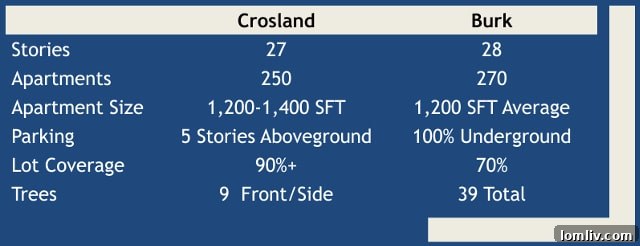
The comparison table above delineates the significant differences and improvements between the two projects across various critical aspects. The current proposal, spearheaded by Burk, offers the neighborhood completely underground parking – a vast improvement over previous plans – along with over 20 percent more open ground space, and a substantially greater number of mature trees integrated into the design. In exchange for these considerable community benefits and superior urban planning, the developer seeks approval for just one additional story and 20 additional, slightly more compact apartment units. This thoughtful trade-off clearly demonstrates a commitment to quality of life and environmental stewardship, rather than simply maximizing density. It is indeed a rare occurrence for a delay in urban development to ultimately result in a demonstrably better outcome for the community and its surroundings, but in this particular instance, that appears to be the case. The enhanced design, increased green spaces, and reduced surface impact represent a significant evolution in urban planning for Preston Center. Furthermore, there is no historical precedent or comparable redevelopment attempt for the Hopdoddy corner, as far as is known, since its original construction in 1958, making the current plans for that section a truly pioneering effort to revitalize and modernize a cherished community spot.
In conclusion, the stakeholders behind this remarkable development have executed a plan that not only adheres to but significantly elevates the principles outlined in the Preston Road Area Plan. Their dedication to creating a sustainable, vibrant, and luxurious urban environment sets a new benchmark for development in Dallas. This project is a testament to the power of thoughtful design and collaborative vision, promising a bright future for Preston Center.