Preston Center’s Skybridge Solution: Navigating Dallas Urban Development Challenges
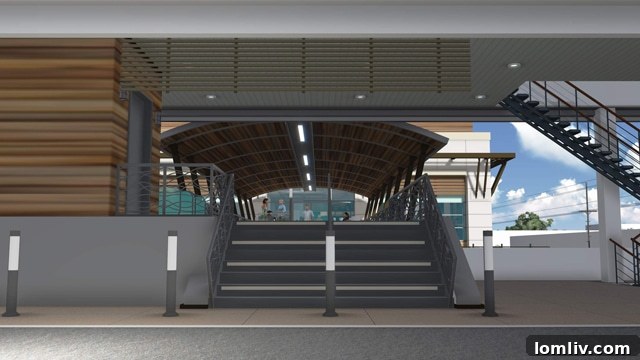
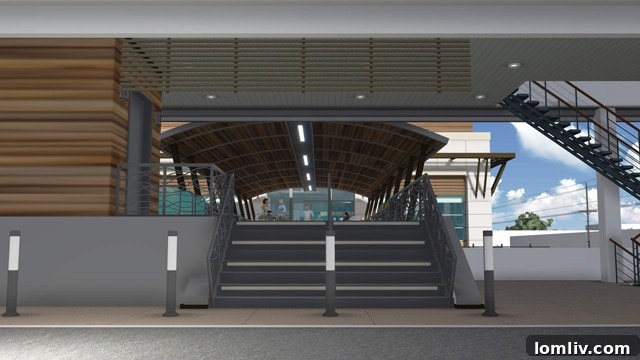
Preston Center, a bustling commercial hub in Dallas, stands at a crossroads of modernization and complex urban planning. At the heart of its challenges lies a two-story concrete parking garage, a structure central to the district’s functionality but fraught with operational inefficiencies and a tangle of ownership rights. A compelling vision for the future is now emerging with a proposed skybridge, designed to connect the Preston Center Pavilion directly to this pivotal parking facility. This artist’s rendering offers a glimpse into how this vital connection could transform the user experience from within the garage’s interior, hinting at a potential revitalization for the area.
The journey to modernize Preston Center is far from straightforward. While the City of Dallas technically owns the parking garage, its usage is encumbered by numerous parking rights deeded to more than 70 property owners surrounding it. This intricate web of agreements is a common, yet often underestimated, aspect of real estate law. Imagine selling a piece of land but granting perpetual rights to others to utilize specific features, much like an oil lease grants extraction rights. In Preston Center’s case, these deeds ensure that every one of the 70-plus property owners, including prominent entities like Crow Holdings, retains a right to park in this central garage. This collective ownership structure presents a formidable hurdle for any significant developmental changes, demanding unanimous agreement among all parties involved—a feat often described as nearly impossible.
The Persistent Problem of the Preston Center Parking Garage
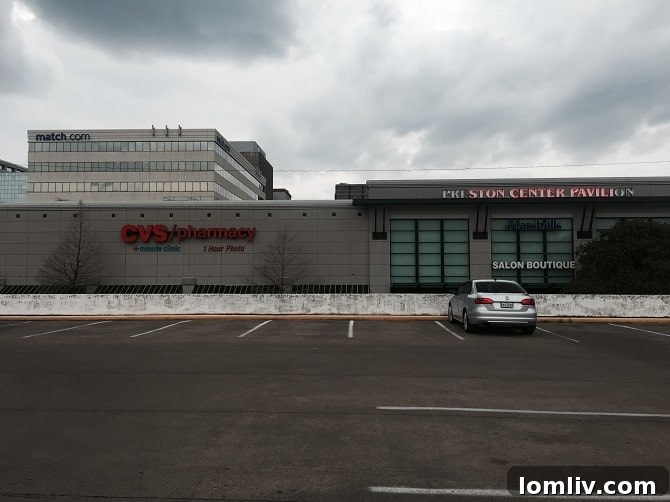
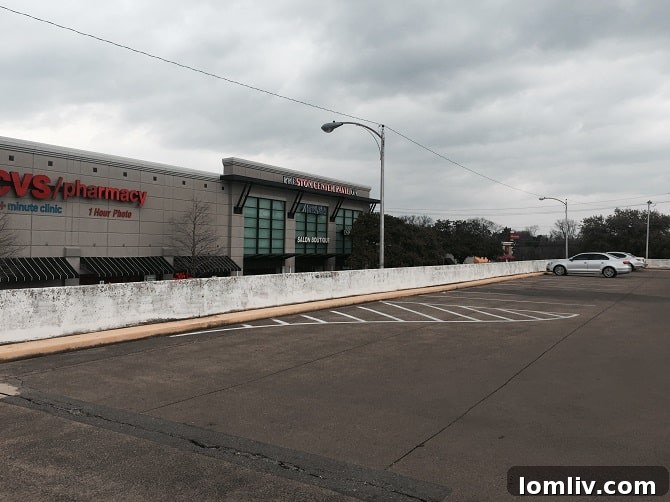
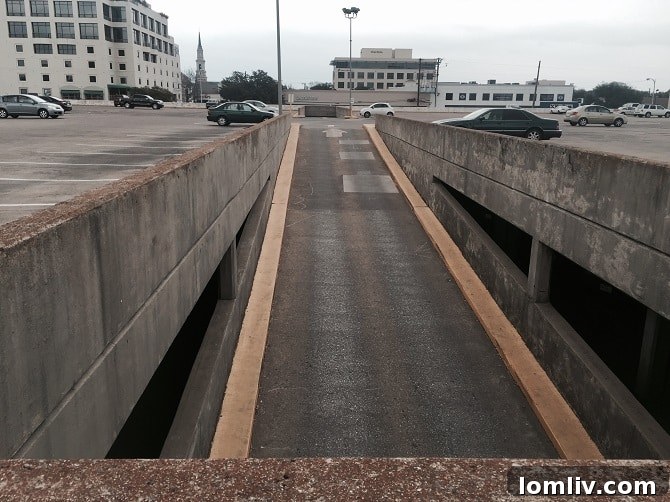
For years, the state of Preston Center’s central parking garage has been a point of contention and frustration for businesses, residents, and visitors alike. It’s an aging, two-story structure where natural light struggles to reach the cavernous bottom floor, creating an often-disorienting and uninviting atmosphere. Beyond its aesthetic shortcomings, the garage is widely considered undersized for the demands of a vibrant commercial district, frequently leading to congestion and haphazard vehicle flow onto the surrounding streets. Its design contributes to navigational confusion, making parking a less-than-pleasant experience for many.
The dysfunction of this parking facility is not merely an inconvenience; it represents a significant impediment to Preston Center’s potential for growth and modernization. Despite its dilapidated state, the garage is an indispensable piece of infrastructure for the entire district. Its central location makes it critical for accessibility, yet its current condition detracts from the overall appeal and efficiency of the area. The collective agreement among the 70-plus property owners on the garage’s poor state is perhaps the only consensus they share. The real challenge, however, lies in finding a mutually agreeable solution for its repair and redevelopment.
A Historical Burden: Deeded Rights and Legal Battles
The complexities surrounding the Preston Center parking garage are deeply rooted in its history. As highlighted by Eric Nicholson in the Dallas Observer, the saga of this facility is a testament to the challenges of urban redevelopment when confronted with deeply entrenched property rights. The City of Dallas, recognizing the immense value of this centrally located asset, has expressed a desire to develop the site into something more economically beneficial and taxable for the city. This ambition led to an initial attempt to plat the land for redevelopment back in 2006, which was met with fierce resistance from surrounding property owners.
The ensuing legal battle dragged on for an arduous six years, finally settling in 2012. The core of the dispute revolved around a crucial covenant established in 1955. When the land was originally parceled out to the Lobellos and other early buyers, their deeds explicitly stipulated that the central plot in Preston Center would forever be reserved for parking and only parking. This historic deed restriction has served as a powerful legal barrier to any comprehensive redevelopment plans. The 2012 settlement did offer a glimmer of hope: it clarified that property owners could waive this restrictive covenant, but only through a unanimous agreement. This stipulation, requiring the consent of over 70 individual parties, has proven to be an almost insurmountable hurdle, and a full consensus remains elusive to this day.
The Parking Garage
If there’s one thing the 70-plus owners can agree on, it’s that the parking garage is a mess. A threadbare two stories, with daylight unable to penetrate to the cave-dark bottom floor, it’s too small, confusing to navigate, and spits cars haphazardly onto the surrounding streets. What they can’t agree on is how to fix it.
The city of Dallas owns the facility (which must be in the conversation for most valuable two-story parking garage in the world) and has signaled that it wants it developed into something more taxable, but when it began the process of platting it for development in 2006, surrounding property owners rebelled.
The ensuing legal battle dragged on for an excruciating six years before it was settled. Back in 1955, it seems, back when the land was being parceled out to the Lobellos et al, the buyers were promised in their deeds that the land at the center of Preston Center would forever be used for parking and only parking. The settlement the property owners ultimately signed with the city makes clear that they can waive this covenant so long as they come to a unanimous agreement, but that hasn’t — and might never — happen.
Crow Holdings’ Vision: A Strategic Skybridge and Modernization Steps
In the face of these enduring challenges, Crow Holdings has stepped forward with a proposal that aims to inject much-needed vitality and functionality into the beleaguered parking garage. Their plan centers around the construction of a skybridge, specifically designed to connect the Preston Center Pavilion to the west end of the garage. This initiative represents a strategic effort to enhance accessibility and user experience, addressing at least a significant portion of the garage’s operational woes.
The artist’s rendering provides key details of the proposed skybridge. Notably, it depicts the bridge situated slightly higher than the second-story level of the existing garage, necessitating steps for direct access. This elevated design might offer practical benefits, potentially aiding in the segregation of pedestrian traffic and preventing grocery carts from migrating onto the lower parking levels. A critical addition shown in the rendering is the inclusion of an elevator, a feature conspicuously absent in the current structure. The existing garage notoriously lacks convenient vertical access, with some areas even devoid of stairs to the first level, making the addition of an elevator a significant accessibility improvement for all users.
Crow Holdings’ proposal extends beyond just the skybridge itself. The renderings also illustrate a potential roof covering over portions of the parking lot, a feature not currently present. While this proposal may involve the loss of a few parking spaces, it’s a calculated trade-off for improved functionality, aesthetics, and user comfort. The design is deliberately conceived to be easily integrated into a more comprehensive future remodel of the entire parking garage. By demonstrating how a modern, thoughtful design can be incorporated, Crow Holdings aims to offer a tangible vision for the future, hoping to build consensus among the myriad stakeholders for a phased revitalization of the district’s central parking asset.
Beyond the Skybridge: Implications for Preston Center’s Future
The proposed skybridge, while a significant improvement for the west end of the garage, serves as a microcosm of the larger urban development aspirations for Preston Center. The City of Dallas’s long-standing desire for “something more taxable” implies a broader vision for mixed-use development that could bring new retail, office spaces, or residential units to the area. A revitalized, more accessible parking structure is not just about convenience; it’s a foundational element for attracting new businesses and increasing property values throughout the district.
Improved infrastructure, such as enhanced pedestrian connectivity and better parking solutions, directly contributes to increased foot traffic and economic vitality. Modernizing the garage could alleviate congestion, make the area more appealing to shoppers and employees, and ultimately foster a more dynamic urban environment. This proposal from Crow Holdings could be the catalyst that encourages other stakeholders to envision a more cohesive and prosperous Preston Center. It represents a potential shift from stagnation to strategic, incremental progress, demonstrating how even a seemingly small intervention can unlock greater potential.
Navigating Consensus: The Path Forward for Dallas Urban Renewal
Despite the clear benefits of the proposed skybridge and the broader vision for Preston Center, the challenge of achieving unanimous consent among over 70 property owners remains the most significant hurdle. This situation underscores a common predicament in urban renewal projects where historical covenants and fragmented ownership can stymie progress for decades. While the skybridge itself might not require the full waiver of the 1955 parking-only covenant, its successful implementation and any subsequent, more extensive remodels will undoubtedly depend on creative negotiations and a collaborative spirit among all parties.
The Preston Center parking garage saga is a powerful case study in the complexities of community-led development and the intricate balance between private property rights and public good. Moving forward, the key will be to foster transparent communication and identify common ground that benefits all stakeholders. Whether through innovative legal frameworks, incentive programs, or simply persistent dialogue, finding a path to consensus is paramount. This project has the potential to set a precedent for how Dallas tackles similar challenges in its mature commercial districts, proving that thoughtful design and persistent effort can overcome even the most entrenched obstacles.
The proposed skybridge by Crow Holdings is more than just an architectural rendering; it’s a symbol of hope for a more connected, efficient, and modern Preston Center. It represents a tangible step towards resolving long-standing issues, offering a glimpse into a future where this vital Dallas district can fully realize its potential, one thoughtful improvement at a time.