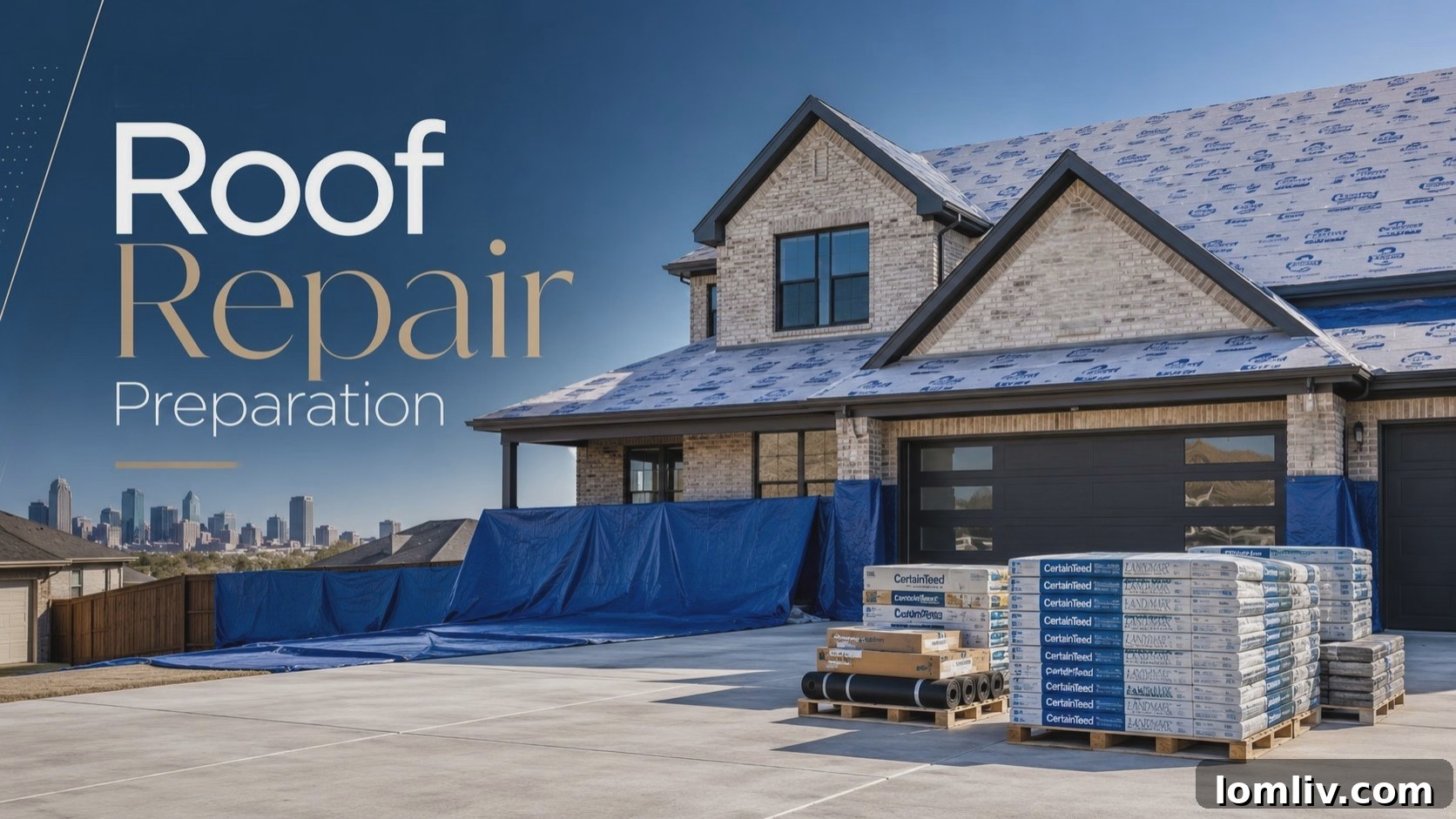
Roof repair can be noisy, messy, and disruptive—especially in a busy Dallas neighborhood. Whether you are addressing storm damage, replacing missing shingles, fixing a leak, or dealing with general wear and tear, a bit of preparation helps the project proceed more safely and smoothly for everyone involved.
Thoughtful preparation protects your family, pets, landscaping, vehicles, and outdoor belongings. It also gives the roofing crew space to work efficiently, reducing delays and potential hazards.
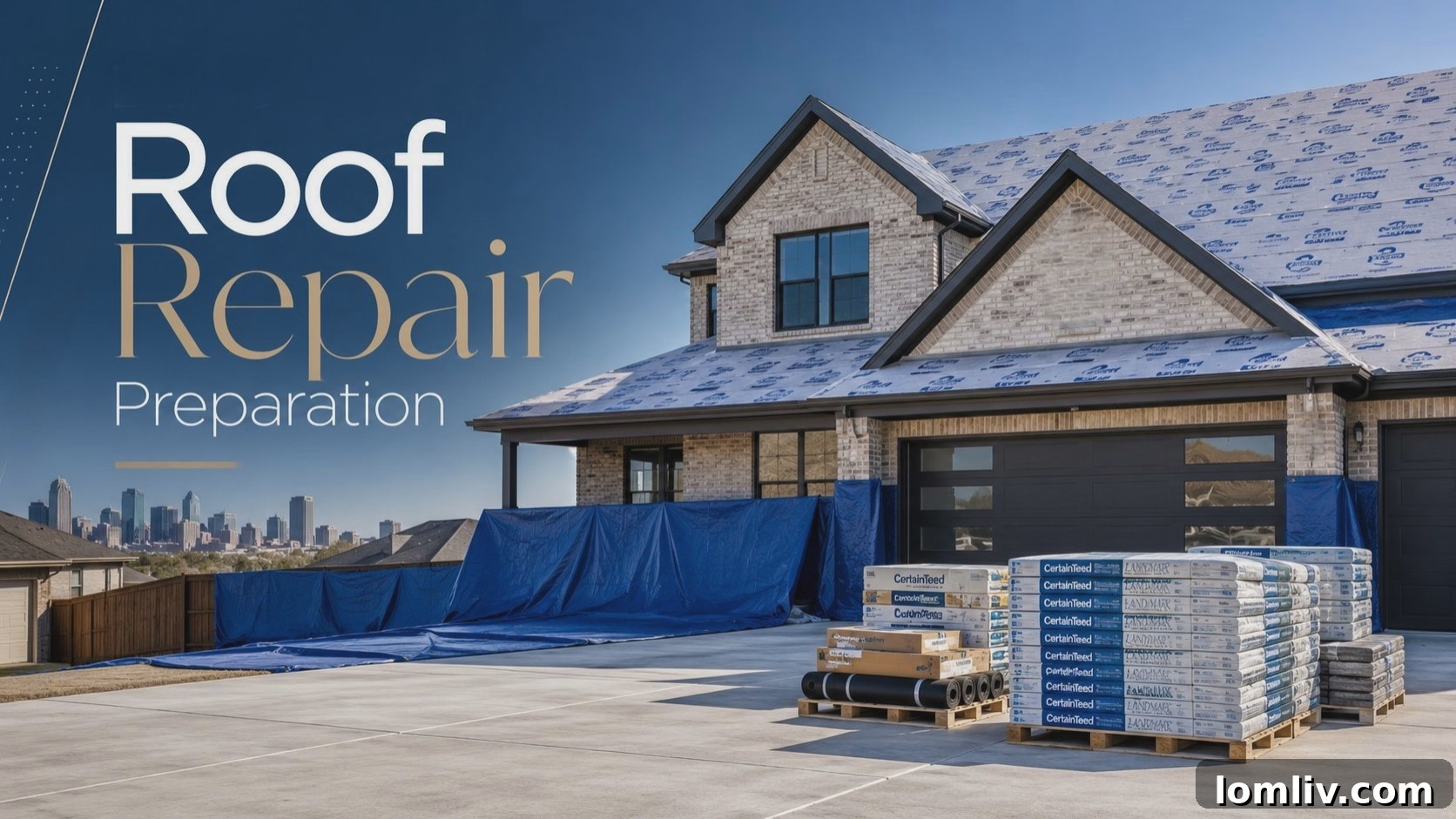
Below are practical, easy-to-follow steps to take before your Dallas roof repair begins.
Understand the Scope of the Repair
Before work starts, confirm what the roofer plans to repair and why. During the inspection, ask the contractor to explain the damage, the materials required, the expected timeline, and whether the issue is an isolated repair or part of a larger problem.
Request a written estimate that details labor, materials, cleanup, disposal, and any potential additional charges. Roof repair costs in Dallas vary based on the repair’s size, roofing material, damage type, and whether the job is urgent after a storm.
Also ask whether the project requires a permit. Minor repairs may not need one, but larger or structural work often does. If you live in an HOA community, check whether HOA approval is required before work begins.
Research local cost estimates to ensure you’re paying a fair price for the work.
Confirm the Schedule and Watch the Weather
Dallas weather can change quickly, particularly during storm season. Heavy rain, hail, high winds, and extreme heat affect schedules and jobsite safety.
Before the project starts, confirm the work date, expected arrival time, and the contractor’s backup plan if the weather shifts. Ask how they handle sudden rain, exposed roof areas, and unfinished work at day’s end.
If the repair follows storm damage, photograph the roof before work begins and keep copies of inspection notes, estimates, invoices, and any insurance paperwork.
Clear the Driveway and Outdoor Areas
Roofing crews need space for trucks, ladders, tools, materials, and debris removal. Clear your driveway and the area around your home before arrival.
Move vehicles away from the house to avoid damage from falling shingles or debris. Remove patio furniture, grills, potted plants, garden tools, children’s toys, outdoor decor, and anything else that could be damaged or block access.
Unlock gates or provide access instructions so crews can reach the backyard and side yards. Keep pathways clear so workers can move safely.
Protect Landscaping and Outdoor Features
Roof repair can stress landscaping—foot traffic, falling debris, ladders, and equipment can harm grass, shrubs, flower beds, and other garden areas.
Point out delicate areas to the crew and cover small plants or beds with breathable protective material when appropriate. Move container plants away from the work zone.
For fixed items such as built-in planters, AC units, outdoor lighting, or decorative features, ask the contractor how they will protect them during the project.
Trim Nearby Tree Branches
Overhanging or touching branches make repairs harder and less safe. They can scrape shingles, drop debris, and interfere with ladders or materials.
Trim branches near the roof before the repair date. For large limbs or trees near power lines, hire a professional tree service rather than attempting the work yourself.
Keeping branches away from the roof also reduces future storm damage, gutter clogs, and moisture buildup.
Prepare the Inside of Your Home
Although work happens outside, roof repair can cause vibration and noise indoors. Hammering and crew movement may shake walls and ceilings.
Remove or secure fragile items from walls, shelves, and ceiling fixtures—especially picture frames, mirrors, glass decor, and other valuables. If you store items in the attic, cover boxes with sheets or tarps to protect them from dust and small debris.
Keep Kids and Pets Safe
A roof repair site contains hazards like nails, tools, ladders, falling debris, and loud noises. Keep children indoors and away from the work zone, and consider relocating pets or setting them up in a quiet room during the loudest phases of the repair.
Inform the roofing crew if pets may be in the yard or near access points so they can take appropriate precautions.
Talk to Your Neighbors
Roof repair can be loud and may affect nearby homes, particularly where houses are close together. Let neighbors know the expected work date, approximate timeline, and whether trucks or materials will be near the street.
If your neighbor’s driveway, fence, or landscaping is close to the work area, ask your contractor how they will avoid causing damage.
Review Cleanup Expectations
Before work begins, agree on cleanup procedures. A professional crew should remove old materials, collect debris, and inspect the area for nails after the job is done.
Ask whether they use magnetic nail sweepers around driveways, yards, and walkways—this is especially important if children, pets, or vehicles are nearby. After the crew leaves, walk the property to inspect for nails, loose shingles, packaging, or missed debris.
Verify Insurance, Warranty, and Documentation
Before signing a contract, request proof of insurance and a clear written agreement. In Texas, roofing contractors are not required to hold a statewide roofing license, so take extra care when selecting a contractor.
Confirm workmanship and manufacturer warranties, payment terms, and who is responsible for permits if required. Avoid paying the full amount upfront and ensure all important details are documented in writing.
Final Thoughts
Preparing your Dallas home for roof repair is straightforward with a little planning. Clear the work area, protect landscaping, secure indoor items, notify neighbors, and confirm the schedule, permits, and cleanup plan before the crew arrives.
With these steps in place, your roof repair can proceed more quickly, more safely, and with less disruption to your daily routine.