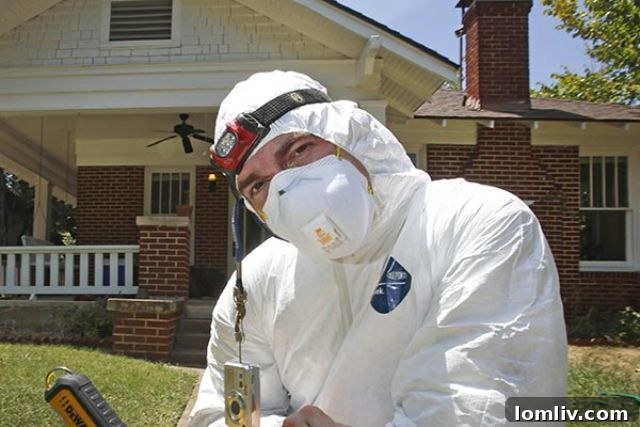
As communities cautiously navigate the evolving landscape, the real estate market is poised for a significant resurgence. With stay-at-home orders gradually lifting, many individuals and families are eager to resume their long-awaited real estate plans. The spring season traditionally marks a bustling period for property transactions, and as this activity picks up, it is paramount that every participant prioritizes the health and safety of all involved, especially those most vulnerable to health concerns. At Green Scene Home Inspections, we believe that a well-informed and cautious approach is key to a successful and secure real estate journey. This comprehensive guide provides essential advice for navigating home inspections and property transactions responsibly in the current environment.
Guidance for Home Sellers: Ensuring a Smooth and Safe Transaction
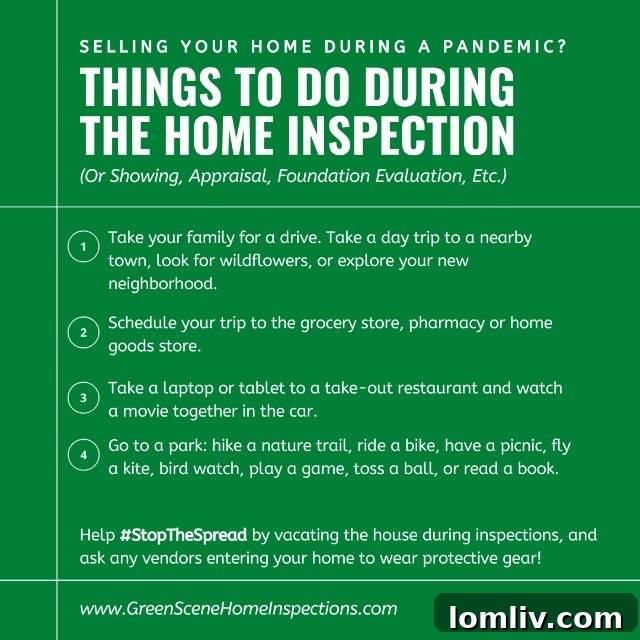
Selling your home during these unprecedented times introduces new considerations. Our experience conducting home inspections throughout recent quarantines revealed instances where sellers, despite health recommendations, insisted on remaining in the home or closely monitoring inspectors. This can inadvertently impede the inspection process, making a thorough assessment challenging and potentially prolonging the visit. To facilitate a seamless and secure sale, consider the following proactive steps:
- Prioritize Vacating the Property for Appointments: Work closely with your Realtor to schedule and confirm all vendor appointments, including home inspectors, appraisers, electricians, plumbers, and any other specialists the buyer requests during the option period. If at all possible, plan to vacate your home entirely for the duration of these appointments. This critical step provides vendors with unobstructed access, allowing them to work efficiently and minimize their time inside your property. It also significantly reduces direct contact and potential transmission risks for all parties, contributing to a quicker, more focused assessment.
- Implement Strict Social Distancing if You Must Remain: If leaving your home is not feasible, commit to practicing rigorous social distancing within the property. Designate a specific area, such as a backyard or a remote room, and remain there, ensuring you maintain a minimum distance of six feet from all workers. Avoid engaging in conversations or following vendors as they perform their duties. This allows them to concentrate on their tasks and complete their work as quickly and safely as possible, respecting everyone’s space and health.
- Verify Vendor Safety Protocols: Before any vendor enters your home, confirm with your Realtor that they adhere to strict safety protocols. Ensure they will be wearing appropriate personal protective equipment (PPE), including masks, gloves, and protective booties, for the entire duration of their visit. This commitment to PPE demonstrates a vendor’s dedication to health and safety and provides an essential layer of protection for you and your family. Don’t hesitate to confirm these measures are in place to safeguard your living environment.
- Thorough Pre-Inspection Preparation: Beyond vacating, prepare your home to be inspection-ready. Ensure all utilities are on, and access points like attics, crawl spaces, electrical panels, and water heaters are clear and easily accessible. Consider performing a deep clean and sanitizing frequently touched surfaces before and after appointments. This not only presents your home in the best light but also reduces potential risks for anyone entering.
- Embrace Virtual Showings and Open Houses: Leverage technology to minimize physical traffic through your home. Discuss with your Realtor the possibility of offering virtual tours, 3D imaging, and detailed video walk-throughs. This allows potential buyers to thoroughly pre-screen your property online, ensuring that only genuinely serious prospects schedule in-person visits, thus limiting unnecessary exposure.
- Clear Communication with Your Realtor: Maintain open and honest communication with your real estate agent regarding your comfort levels and any specific concerns. Your Realtor is your primary point of contact and can effectively communicate your preferences and safety requirements to all visiting vendors and potential buyers, ensuring a coordinated and respectful process.
Essential Advice for Home Buyers: Navigating Your Purchase Safely
Congratulations if you’ve successfully navigated the initial stages of home searching and made an offer during these challenging times! The option period is a crucial window to gather comprehensive information about your prospective home. This typically includes a professional home inspection and an appraisal, and may necessitate additional expert consultations (e.g., plumbers, electricians, or foundation specialists) if issues are identified. To make the most of this period while upholding safety, consider the following:
- Select Safety-Conscious Vendors: The choice of your inspection and appraisal team is more critical than ever. Prioritize vendors who demonstrate an unwavering commitment to health and safety. Look for companies that clearly outline their safety protocols: requiring all staff to wear protective gear (masks, gloves, booties), staggering appointment times through coordination with both Realtors to prevent multiple vendors from being present simultaneously, and offering advanced reporting options such as virtual or video walkthroughs of their findings. Opting for such diligent professionals ensures your due diligence is performed without compromising anyone’s well-being.
- Opt for Remote Participation in Inspections: While it may feel counterintuitive to not be physically present for your home inspection, it is a highly recommended safety measure in the current climate. Reputable home inspectors are equipped to provide comprehensive reports and communicate their findings effectively without your physical presence. At Green Scene Home Inspections, we enhance this by providing a detailed video summary with every report, walking you through key observations. This allows you to receive all necessary information, review the property’s condition in detail, and ask questions without increasing your personal exposure or that of others.
- Thorough Review of Digital Reports and Media: Take ample time to meticulously review all digital materials provided by your inspector and other specialists. This includes the written report, accompanying photographs, and any video summaries or virtual tours. Make a list of questions and schedule a dedicated phone or video conference call with your inspector to discuss every detail. Technology now provides robust tools to understand your potential home’s condition remotely.
- Due Diligence During the Option Period: Even with limitations on physical presence, the option period remains vital. If additional specialists are needed based on inspection findings, ensure they also adhere to stringent safety protocols. Leverage your Realtor to facilitate all necessary information gathering, ensuring you have a complete picture of the property before moving forward.
- Engage Actively with Your Realtor: Your real estate agent is your advocate. Communicate any concerns or specific information you need to gather. They can serve as your eyes and ears on the ground, relaying details and coordinating safely with all parties involved in the transaction.
Strategic Advice for Home Shoppers: Optimizing Your Search and Viewings
The landscape of home shopping has evolved significantly, with digital tools now playing a more central role than ever before. If you’re currently in the market for a new home, maximize these resources to refine your search and minimize unnecessary physical contact. The goal is to conduct a highly efficient pre-screening process online, ensuring that in-person visits are reserved only for properties you are genuinely serious about purchasing.
- Leverage Advanced Online Tools Extensively: Take full advantage of the array of virtual tours, high-definition 3D imaging, detailed photo galleries, and comprehensive internet research available for properties. These digital resources offer an immersive experience that can often provide a remarkably accurate sense of a home’s layout, condition, and overall appeal, helping you narrow down your choices efficiently from the comfort and safety of your current residence.
- Utilize Virtual Walk-Throughs with Your Realtor: For properties that lack a robust online presence but still pique your interest, inquire if your Realtor can conduct a live virtual walk-through with you using video conferencing tools like FaceTime. This allows your agent to navigate the property while you direct their attention to specific areas or details in real-time, offering a personalized, interactive viewing experience without the need for physical presence.
- Strict Adherence to PPE for In-Person Tours: When an in-person visit becomes necessary for a property you’re seriously considering, it is crucial to arrive prepared. Always wear a mask, gloves, and protective shoe coverings before entering any home. These measures are not only for your protection but also demonstrate respect for the homeowners and subsequent visitors, minimizing the potential spread of contaminants and ensuring a safer environment for everyone.
- Limit Physical Interactions and Touches: During your in-person tour, practice mindfulness by refraining from touching surfaces unnecessarily. Allow your Realtor to open doors, turn on lights, and demonstrate features. Maintain social distancing from your agent and any other individuals present. The aim is to observe and assess the property with minimal physical interaction.
- Focus on Serious Contenders: To further reduce exposure risks, commit to visiting only those homes that truly align with your criteria and have garnered your genuine interest through extensive online research. This focused approach ensures that limited in-person visits are purposeful and contribute directly to your decision-making process, rather than serving as initial screenings.
Best Practices for Real Estate Professionals: Leading with Safety and Responsibility
As leaders in the real estate industry, professionals play a pivotal role in ensuring the safety and confidence of their clients and colleagues. Every individual involved in a real estate transaction, from agents to lenders, must adopt and consistently apply heightened precautions to protect their own health and the health of those they serve. Adherence to these best practices is not only responsible but also instills crucial trust during these sensitive times.
- Prioritize Virtual Appointments Whenever Possible: Leverage technology to conduct client meetings, consultations, and initial property discussions virtually. Utilize video conferencing for buyer consultations, virtual open houses, and electronic document signing. This significantly reduces face-to-face contact while maintaining effective communication and workflow.
- Maintain PPE and Social Distancing During In-Person Meetings: When an in-person meeting becomes essential, always wear a mask and maintain appropriate social distancing. Lead by example, demonstrating a commitment to health and safety which will reassure your clients and set a professional standard.
- Mandatory PPE for Property Entries: Ensure you wear a mask, gloves, and shoe coverings every time you enter a property, whether for a showing, inspection, or appraisal. This protects both you and the property’s occupants and demonstrates professional responsibility.
- Strategic Appointment Scheduling to Minimize Contact: Implement a rigorous scheduling system for property visits. Arrange appointments at homes to ensure minimal overlap and contact among Realtors, homeowners, buyers, inspectors, appraisers, and other vendors. Staggering visits and allowing ample time between appointments for cleaning and airing out the property is crucial.
- Sanitization Protocols: Carry and use hand sanitizer frequently. For physical showings, consider having disinfectant wipes to sanitize high-touch surfaces like doorknobs, light switches, and lockboxes before and after visits, with the homeowner’s permission.
- Stay Informed and Communicate Proactively: Remain updated on local, state, and national health guidelines and regulations impacting real estate. Proactively communicate these guidelines and your safety protocols to all clients and parties involved in a transaction, fostering transparency and trust.
- Encourage Client Responsibility: Clearly communicate expectations to clients regarding their role in maintaining safety, such as wearing PPE, social distancing, and limiting attendance at appointments. Empower them to make informed and responsible choices.
The path forward for the real estate market is one of cautious optimism and collective responsibility. We can indeed resume business activities, but this must be done safely, mindfully, and with unwavering consideration for the health of our communities. Regardless of your role in a real estate transaction – be it a seller, buyer, shopper, or professional – a fundamental principle must guide your actions: if you or someone in your immediate circle has been ill or is experiencing symptoms, please err on the side of caution and prioritize staying home. By working together and adhering to these vital safety measures, we can ensure that the journey to buying or selling a home remains a positive and secure experience for everyone.