

In our increasingly interconnected world, a sudden power outage can be more than just an inconvenience; it can be a significant disruption, affecting everything from food preservation to critical communication. One moment your home hums with activity, and the next, a fierce storm or an unexpected grid failure plunges you into darkness. This abrupt loss of electricity instantly brings a cascade of worries: will the groceries in the refrigerator spoil? How quickly will the house become uncomfortably hot or cold? How will I work or stay connected? These are the moments when a reliable home generator transforms from a luxury into an essential safeguard for your family and property.
When considering solutions for backup power, homeowners typically encounter two primary options: portable generators and standby generators. Portable generators represent a more manual, budget-friendly approach. They are excellent for temporary needs, such as camping trips or powering a few essential items during a short outage. However, they require manual setup, fueling, and starting, often needing extension cords to connect to appliances. On the other hand, standby generators offer a sophisticated, “set it and forget it” upgrade. These robust units are permanently installed outside your home, similar to an air conditioning unit, and are wired directly into your electrical panel. The instant the main power grid fails, a standby generator automatically detects the disruption and kicks into action, seamlessly restoring power to your entire home or selected critical circuits. This means your lights, HVAC system, refrigerator, and even sensitive electronics remain operational without you lifting a finger, providing unparalleled peace of mind.
Why Every Home Needs a Reliable Generator

The primary benefit of investing in a home generator is straightforward: it ensures your life doesn’t come to a grinding halt when the power does. Modern living relies heavily on a consistent supply of electricity, and losing it can quickly escalate from annoying to genuinely stressful. Imagine not being able to keep your home warm in a winter freeze or cool during a scorching summer heatwave. Beyond comfort, essential services like lighting, cooking, and internet connectivity become immediately unavailable.
A generator offers more than just convenience; it provides vital safety and financial protection. During extended outages, without refrigeration, hundreds of dollars worth of food can spoil. In colder climates, a lack of heating can lead to burst pipes, causing extensive and costly damage to your home’s structure. For families with medical equipment requiring constant power, a generator can be a life-saving necessity. Furthermore, the ability to maintain communication, charge devices, and keep home office equipment running means minimal disruption to your daily routine or work responsibilities. Owning a generator means you are fully prepared for unexpected storms, grid maintenance, or even natural disasters, allowing your household to continue functioning smoothly, barely noticing the interruption.
Understanding Home Generator Types
At their core, home generators are ingenious machines designed to convert various types of fuel into usable electricity. While the underlying physics can be complex, understanding their operational differences is key to making an informed choice. As mentioned, the two main categories are portable and standby.
Portable generators are versatile units, ideal for recreational activities like camping, tailgating, or providing temporary power for tools on a job site. They typically produce standard 120-volt power and require manual operation, including refueling and starting the engine. Their main advantages are their mobility and lower upfront cost. However, their power output is limited, and they are not designed for continuous, whole-home operation.
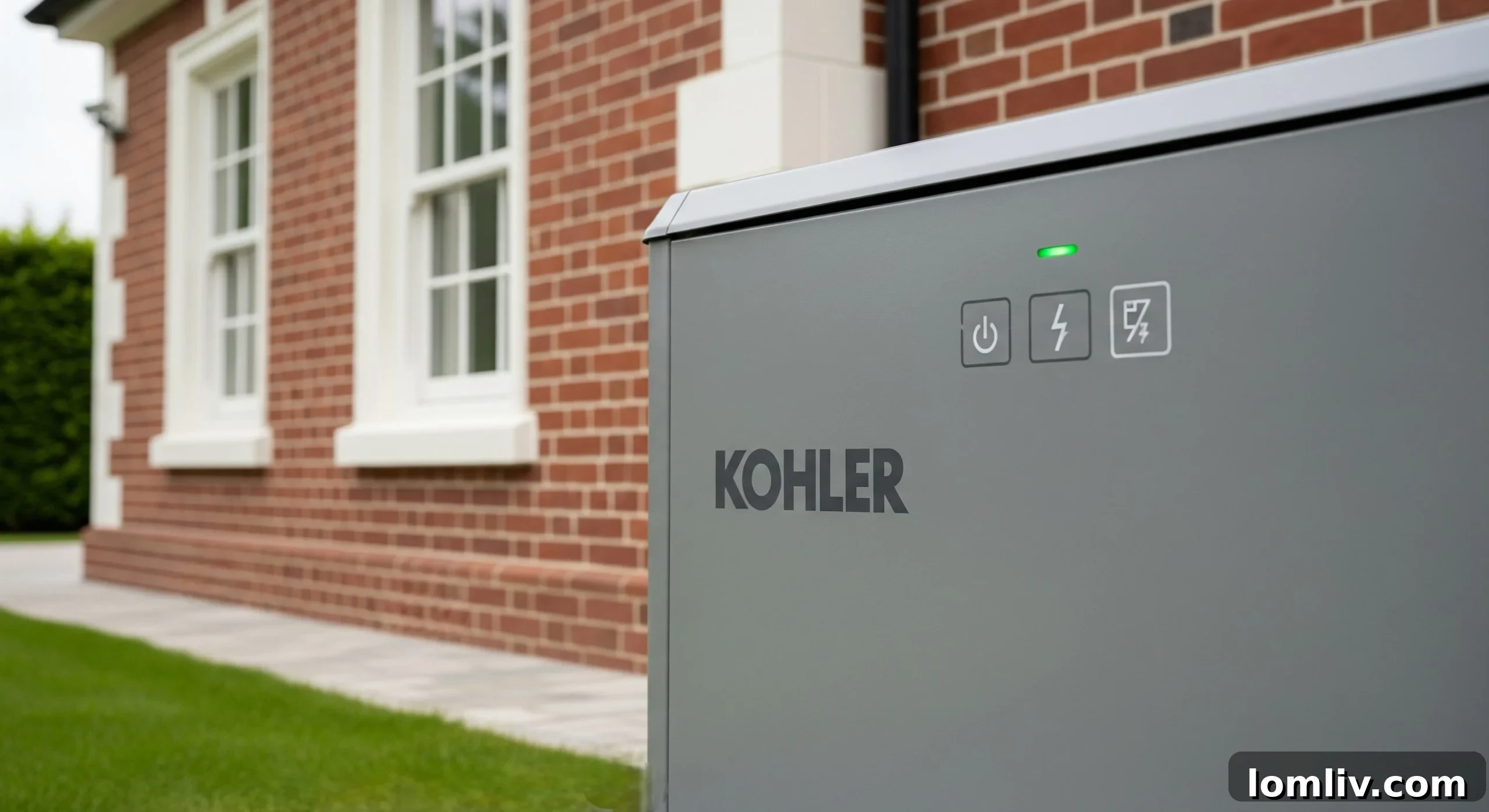
Standby generators, conversely, are the pinnacle of home backup power solutions. These robust units are permanently installed outside your residence, often resembling an outdoor air conditioning unit. They are connected directly to your home’s electrical system via an automatic transfer switch. This switch constantly monitors the utility power. The moment an outage is detected, it automatically disconnects your home from the utility grid and connects it to the generator, all within seconds. Once utility power is restored, the transfer switch seamlessly reverses the process. Standby generators boast significantly higher power output, capable of running everything from essential appliances to your entire household, including central air conditioning and heating systems. They often run on natural gas or liquid propane, providing a more stable and longer-lasting fuel supply than gasoline.
When you begin evaluating different models, you’ll frequently encounter terms like wattage and load. Wattage refers to the amount of electrical power the generator can produce (output), while load signifies the amount of power your home’s appliances and systems consume (demand). Effectively choosing the right generator necessitates a careful match between the generator’s output capacity and your home’s specific power requirements to ensure seamless operation.
How to Accurately Determine the Right Generator Size for Your Home
Sizing a home generator is not an arbitrary decision or a guessing game; it’s a critical step that ensures your unit can adequately meet your household’s power demands during an outage. An undersized generator will struggle or fail to power your essential appliances, while an oversized one might be an unnecessary expense. Consulting with a local professional can provide expert guidance, but understanding the core principles yourself is invaluable. Here’s what goes into making this crucial decision:
Assessing Your Specific Energy Needs
The foundation of generator sizing begins with a thorough inventory of the appliances and systems you deem essential to keep running during an outage. This often involves making a strategic decision: do you want to power the entire house, or just specific, critical items? Most homeowners opt for a balance, focusing on necessities rather than luxuries.
Start by listing every appliance you absolutely need: your refrigerator, freezer, HVAC system (or at least the furnace fan), water heater (if electric), well pump, lights, television, computer, and Wi-Fi router. For each item on your list, you’ll need to determine its power requirement, typically measured in watts. This information is usually found on the appliance’s data plate, user manual, or even printed on the plug. You’ll encounter two key wattage figures:
- Running Watts (Rated Watts): This is the continuous power an appliance needs to operate once it’s already on.
- Starting Watts (Surge Watts): Many motor-driven appliances (like refrigerators, air conditioners, and well pumps) require a brief, higher burst of power to start their motors. This initial surge can be 2 to 3 times their running wattage. Your generator must be able to handle this momentary surge for your largest motor-driven appliance.
To calculate your total power needs, sum the running watts of all the appliances you wish to power simultaneously. Then, identify the single appliance with the highest starting wattage requirement (subtracting its running wattage from its starting wattage to find the ‘extra surge’). Add this largest surge requirement to your total running wattage. For instance, a standard refrigerator might run at 700 watts but surge to 2200 watts. A 5-ton central AC unit might run at 5800 watts but surge to a massive 16,500 watts. An electric water heater might continuously draw 4500 watts with no significant surge.
Additionally, it’s wise to include a 20% buffer in your total wattage calculation. This accounts for minor fluctuations in power demand, potential future additions, and ensures your generator isn’t constantly running at its maximum capacity, which can extend its lifespan. For example, if your total running watts are 7,000W and your largest surge is 3,000W, your base requirement is 10,000W. Adding a 20% buffer (2,000W) brings your recommended generator size to 12,000W (or 12 kW).
Taking the time to accurately map out these requirements ensures you invest in the right machine for the job. It is far better to understand your power needs upfront than to discover your generator is underpowered when the lights actually go out. For those aiming to power the whole house, a larger standby generator (often 14kW or more) is usually necessary.
Considering Home Size
While appliance-specific wattages are paramount, the overall square footage of your home does play a secondary role. Larger houses typically have more rooms, more outlets, and potentially more permanently wired appliances, contributing to a higher overall power demand. However, the focus should always remain on the specific items you intend to power rather than solely on square footage. For most homeowners, the objective is to keep critical systems running efficiently, not necessarily to power every single room in a sprawling mansion.
Key Features to Look for in a Home Generator

Once you have accurately determined the ideal size for your home generator, the next step involves evaluating the features that will significantly impact its usability, efficiency, and long-term value. These considerations move beyond sheer power output to encompass the practical aspects of generator ownership.
Fuel Type: This is arguably one of the most critical decisions. Generators typically operate on one of four main fuel sources:
- Gasoline: Widely available and easy to refuel for portable units. However, gasoline has a short shelf life (it degrades quickly), making it less ideal for long-term storage and standby units.
- Diesel: More fuel-efficient and longer-lasting than gasoline, often found in larger, heavy-duty commercial generators. Diesel fuel also stores well but requires specific maintenance.
- Liquid Propane (LP): A clean-burning fuel that stores indefinitely in tanks. It’s a popular choice for both portable and standby generators, offering flexibility and relatively easy storage in residential settings.
- Natural Gas: Often the preferred choice for standby generators because it connects directly to your home’s existing gas line, providing a virtually endless and uninterrupted fuel supply. This eliminates the need for manual refueling during an outage, offering unparalleled convenience and peace of mind.
Noise Levels: Generators can be noisy, and their sound output is measured in decibels (dB). If you live in a densely populated area or have close neighbors, choosing a quieter model is crucial to avoid disturbing your surroundings during an outage. Some generators are specifically designed with sound-dampening enclosures to reduce their operational noise.
Automatic Transfer Switch (ATS): For standby generators, an ATS is essential. As discussed, it detects power outages and automatically switches your home’s power source. This hands-free operation is a major advantage, ensuring seamless power restoration even when you’re not home.
Remote Monitoring and Smart Features: Many modern standby generators come equipped with Wi-Fi connectivity, allowing you to monitor your generator’s status, fuel levels, and maintenance alerts from your smartphone or computer, no matter where you are. This proactive monitoring enhances reliability and convenience.
Weather Resistance: Since standby generators are installed outdoors, they must be built to withstand various weather conditions, from heavy rain and snow to extreme temperatures. Look for durable, corrosion-resistant enclosures.
Maintenance Requirements: Like any engine, generators require regular maintenance. Consider models with easy access for oil changes and filter replacements. Some manufacturers offer maintenance contracts or have readily available service technicians.
Safety Features: Essential safety features include automatic shutdown for low oil pressure, high engine temperature, or other critical issues, preventing damage to the unit and ensuring safe operation.
Conquering Power Outages With the Right Home Generator
In summary, choosing the right home generator for your needs ultimately hinges on one critical factor: getting the size right. By carefully calculating your home’s running wattage and accounting for the starting surge of your largest appliances, you can confidently invest in a generator that provides precisely enough power to keep your home functioning smoothly, regardless of external circumstances.
The decision to install a reliable generator is an investment in comfort, safety, and continuity. It transforms the anxiety of sitting in the dark, worrying about spoiled food or uncomfortable temperatures, into the assurance of a perfectly normal evening. With the right choice, a good generator elevates a potential blackout from a major crisis into a minor, almost unnoticeable inconvenience, ensuring your home remains a haven of comfort and functionality whenever the grid decides to quit.