

As the dust settles from Election Day, the building community eagerly anticipates gathering for a crucial discussion on the future of the housing industry. The Dallas Builders Association is proud to host its annual State of the Industry Summit on November 10, from 8:30 to 11:30 a.m. at the elegant Vouv Dallas. This pivotal event offers an unparalleled opportunity for builders, developers, and industry professionals to dissect the freshly concluded midterm elections’ impact and gain critical insights into the evolving economic landscape. Attendees will leave equipped with a clearer understanding of the challenges and opportunities that lie ahead, armed with expert forecasts and strategic perspectives.
The summit’s timing, just two days after a significant national election, ensures that discussions will be highly relevant and forward-looking. Esteemed speakers, including the National Association of Home Builders (NAHB) chief economist, Rob Dietz, who also serves as senior vice president for economics and housing policy, will provide invaluable analysis. Dietz, a recognized authority in housing economics, brings a wealth of data and a nuanced understanding of market dynamics to the forefront, making his presentation a highlight for anyone involved in the residential construction sector.



According to a press release from the Dallas Builders Association, Dietz is slated to deliver a comprehensive economic forecast. His presentation will cover key areas such as the national economy’s trajectory, the resilience and vulnerabilities of global supply chains, and the future direction of interest rates. Crucially, he will elaborate on how these overarching economic factors will specifically impact single-family and multi-family builders operating within the dynamic North Texas market. Understanding these intricate connections is vital for strategic planning and mitigating risks in the coming year.
Rob Dietz’s 2023 Housing Market Forecast: Navigating Economic Headwinds
In a recent conversation with Daltxrealestate.com, Rob Dietz hinted at the critical topics he plans to address during his highly anticipated presentation. While still finalizing the specifics, his insights offer a preliminary glimpse into the national economic and housing market outlook for 2023. These forecasts are essential for builders looking to anticipate market shifts and adjust their strategies accordingly.
- Federal Reserve’s Monetary Policy Shift: Dietz anticipates that the Federal Reserve will moderate its aggressive pace of tightening and potentially cease raising interest rates after its February 1 meeting. This shift could signal a turning point for borrowing costs, impacting everything from development loans to consumer mortgages. A more predictable Fed policy could inject a much-needed sense of stability into the financial markets, offering a glimmer of hope for future affordability.
- Sustained Elevated Mortgage Rates: Despite a potential slowdown in Fed rate hikes, mortgage rates are projected to remain elevated throughout 2023. This persistence of higher rates will continue to challenge housing affordability and demand, as prospective homebuyers grapple with increased monthly payments. Builders must factor these elevated rates into their pricing and product offerings, potentially focusing on more cost-effective solutions or adapting to a buyer pool with different financial considerations.
- Anticipated Housing Market Rebound: Dietz forecasts a housing market rebound to commence, preceding a broader general economic recovery in 2024. This suggests that the housing sector, often a leading indicator, could begin its recovery phase sooner than other parts of the economy. A rebound implies a stabilization and eventual increase in demand and sales, although the pace and extent of this recovery will be influenced by various local and national factors.
- Market-Specific Price Adjustments: Many housing markets are expected to experience price declines over the coming quarters, with a “normal” correction of approximately 10 percent from peak levels. It’s crucial to understand that these declines will likely vary by region, with some overheated markets seeing more significant adjustments than others. This correction phase, while challenging for some, can also create new opportunities for buyers and investors, bringing market values closer to sustainable levels.
- Resilient Remodeling Sector Growth: Even amidst a broader downturn in new construction, the remodeling sector is projected to continue growing, albeit at a slower pace. Homeowners may opt to renovate their existing properties rather than purchase new ones, especially when mortgage rates are high and housing inventory is tight. This trend highlights the importance for builders and contractors to diversify their services and tap into the robust demand for home improvements and renovations.
- Softening Multifamily Housing Market: While multifamily housing has shown considerable strength in 2022, it is expected to weaken in the subsequent period. This anticipated softening is primarily attributed to the substantial amount of new supply currently in the construction pipeline. As a large volume of new apartments and rental units comes onto the market, it could lead to increased vacancy rates and put downward pressure on rental prices in certain areas, affecting developer profitability.
Reflecting on the broader economic picture, Dietz candidly stated, “Ultimately, some part of the 2022 and 2023 period will be judged a recession.” He further clarified, “The housing sector is in a recession now, but some markets continue to show strength and stable conditions due to population growth.” This distinction is critical, as a housing recession doesn’t always equate to a full-blown economic recession, and regional variations, particularly in areas with robust population influx like North Texas, can defy national trends.
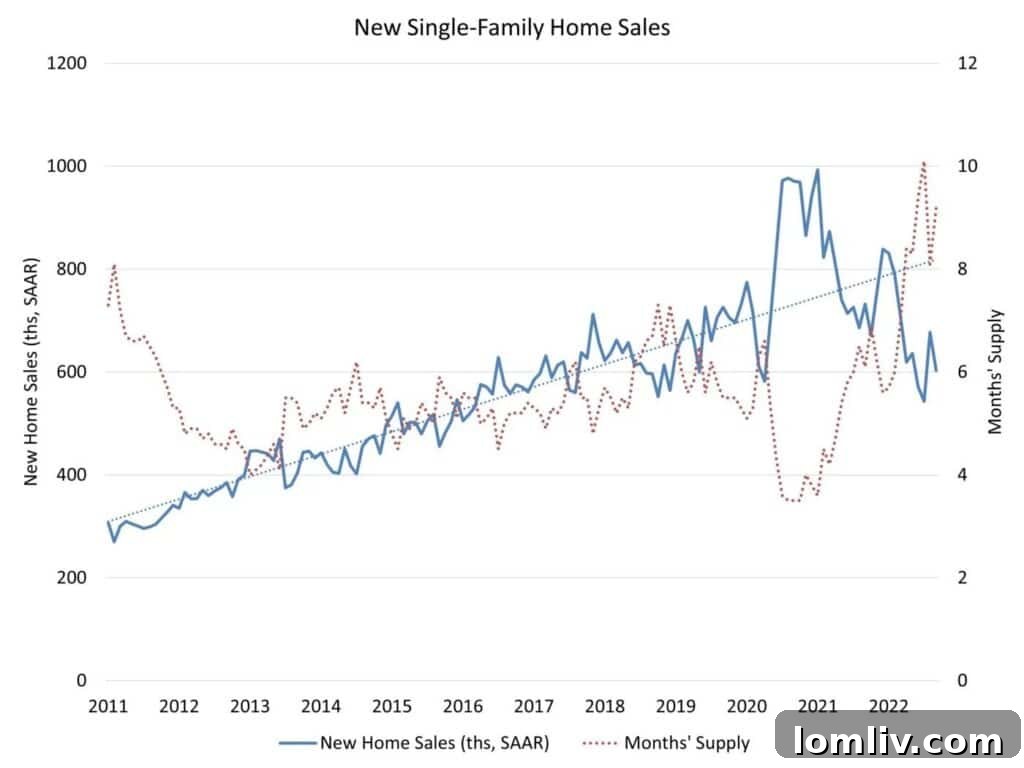
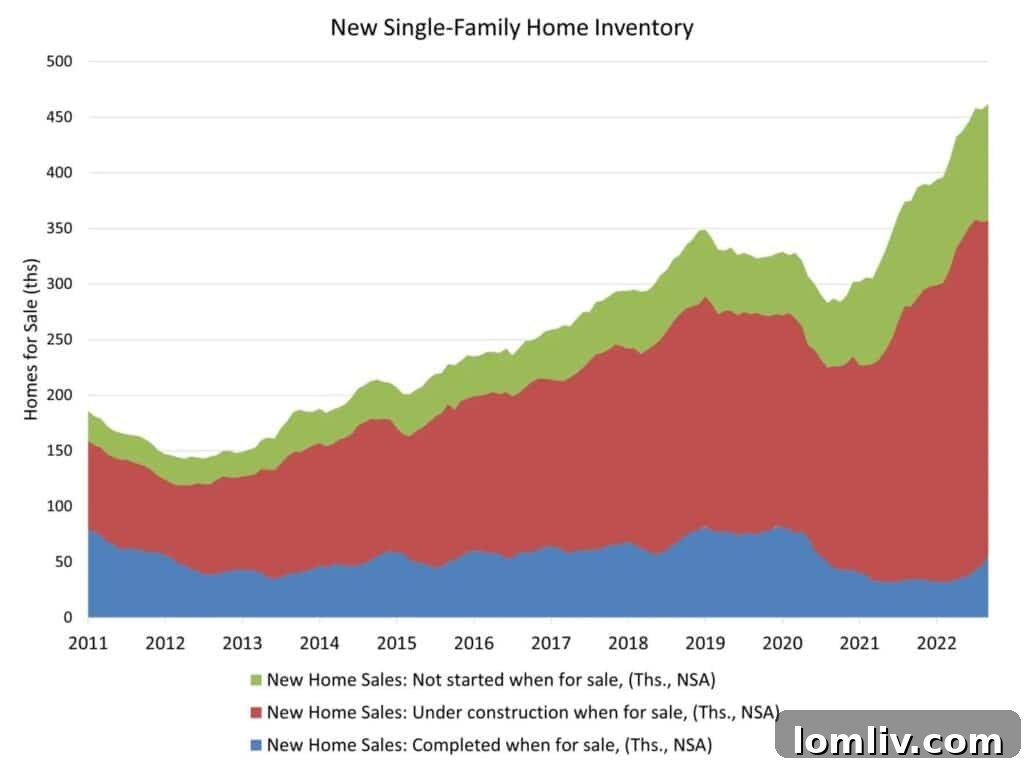
Dietz’s weekly NAHB “Eye on Housing” report from last week corroborated the challenging conditions faced by the housing sector, particularly in September. His analysis painted a clear picture of the headwinds impacting new home sales.
“Rising mortgage rates approaching 7 percent along with declining builder sentiment stemming from stubbornly high construction costs and weakening consumer demand pushed new-home sales down at a double-digit rate in September,” the economist detailed. He elaborated, “Following a brief uptick in August, sales of newly-built, single-family homes in September fell 10.9 percent to a 603,000 seasonally adjusted annual rate, according to newly-released data by the U.S. Department of Housing and Urban Development and the U.S. Census Bureau.” These figures underscore the immediate impact of interest rate hikes and inflationary pressures on both builder confidence and consumer purchasing power, creating a difficult environment for residential construction nationwide.
Dallas-Fort Worth: A Beacon in the Evolving Housing Landscape
Despite the national headwinds and challenging forecasts, there’s a significant silver lining, particularly for attendees of the Dallas Builders Association summit. The Dallas-Fort Worth metropolitan area continues to stand out as a robust and promising market within the broader real estate landscape. This resilience offers a degree of optimism and unique opportunities for local builders and developers.
Indeed, the prestigious Urban Land Institute (ULI) recently announced on Friday that Dallas-Fort Worth has been recognized as one of the top 10 real estate markets to watch in 2023. This commendation from a leading authority in land use and development underscores the region’s enduring appeal and strong underlying fundamentals, which are critical for sustained growth even during periods of economic uncertainty. This positive outlook provides a counter-narrative to some of the more cautious national predictions.
The ULI report highlighted DFW’s impressive ascent, stating, “Dallas-Fort Worth was second overall, up five spots from last year’s seventh-place ranking.” This significant leap in ranking reflects the area’s consistent job growth, diverse economic base, continuous population influx, and strategic infrastructure development. Furthermore, the report emphasized the region’s strong potential for new residential construction: “It also ranked sixth on ULI’s list of the metros with the top homebuilding prospects.” This specific recognition for homebuilding prospects is particularly encouraging for builders in the Dallas area, suggesting a sustained demand for new housing despite the current market adjustments. These factors contribute to DFW’s ability to navigate national economic shifts more effectively than many other major metros.
Navigating Policy Shifts: Federal and State Perspectives on Housing
Beyond economic forecasts, the State of the Industry Summit will provide crucial insights into the political and policy landscape that directly shapes the housing market. Attendees will have the privilege of hearing from two other influential figures: Lake Coulson, NAHB’s vice president of government affairs, and Scott Norman, the Texas Association of Builders executive vice president. Their combined expertise offers a comprehensive look at both federal and state-level issues impacting the industry, providing a holistic view of the regulatory environment.
These distinguished panelists are poised to deliver a granular breakdown of how the recent midterm elections will influence housing at both the federal and state levels. The outcomes of these elections can trigger significant shifts in legislation, funding, and regulatory priorities, all of which have profound implications for builders. Understanding these potential changes is paramount for businesses to adapt and thrive in an evolving political climate. From federal interest rate policies to state-level zoning laws, every political decision can create ripple effects across the industry.
Coulson and Norman are expected to offer actionable intelligence, guiding attendees on “what to look for and what issues they may have to contend with in the months ahead with a new Congress and the start of the state legislative session in January,” as noted in the press release. This forward-looking analysis will cover potential legislative initiatives, regulatory adjustments, and policy debates that could impact everything from material costs and labor availability to permitting processes and environmental regulations. For builders, anticipating these shifts is not just about compliance but also about strategic planning, risk management, and identifying new opportunities. Their insights will be vital for navigating the complex interplay between politics and profitability.
Secure Your Spot: The Essential Summit for North Texas Builders
The Dallas Builders Association’s State of the Industry Summit is more than just an event; it’s an indispensable forum for foresight, strategy, and networking. In an era marked by rapid economic shifts and evolving policy landscapes, staying informed is not merely advantageous—it is essential for sustained success. This summit brings together the brightest minds in housing economics and policy to deliver actionable intelligence directly relevant to builders and developers in North Texas.
From Rob Dietz’s deep dive into national housing forecasts and economic indicators, including mortgage rate projections and the anticipated housing rebound, to the crucial political insights from Lake Coulson and Scott Norman on post-election impacts and upcoming legislative sessions, every segment of the summit is designed to empower attendees. You will gain a clear understanding of the challenges posed by high construction costs and declining consumer demand, while also learning about the promising resilience and growth potential within the Dallas-Fort Worth market, a true beacon for homebuilding prospects in 2023.
Beyond the expert presentations, the summit provides an invaluable platform for networking with peers, sharing experiences, and fostering collaboration within the Dallas building community. This collective wisdom and shared understanding are vital for navigating an uncertain future. Don’t miss this opportunity to prepare your business for the opportunities and challenges of the coming year. Tickets for the State of the Industry event are available through the Dallas Builders Association website. Invest in your future by securing your attendance today and join your industry leaders in charting a course for success.