Navigating Urban Safety: A Look at Crime, Community, and Governance in Dallas
The sense of security within our neighborhoods is a cornerstone of community well-being. However, recent events and shifting crime statistics in Dallas, particularly in areas like Preston Royal, serve as a stark reminder of the evolving challenges faced by urban residents. What might seem like an isolated incident can often be a symptom of broader trends that demand attention from both local authorities and the community itself. This article delves into a specific event in Preston Royal, examines the wider crime landscape in Dallas, and critically assesses the local government’s response and priorities in ensuring public safety.
A Day in Preston Royal: An Incident Unfolds
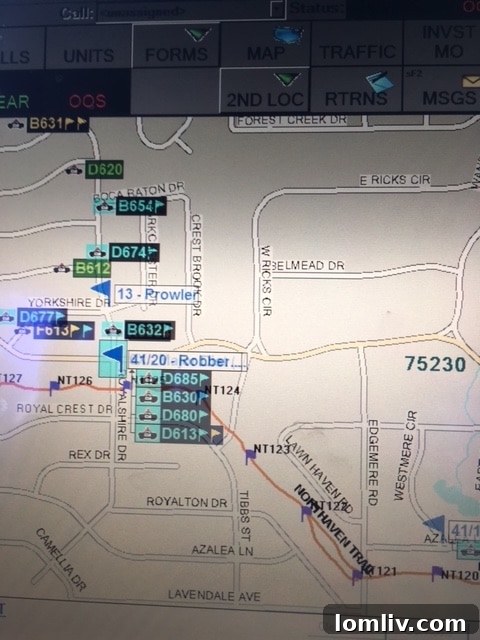
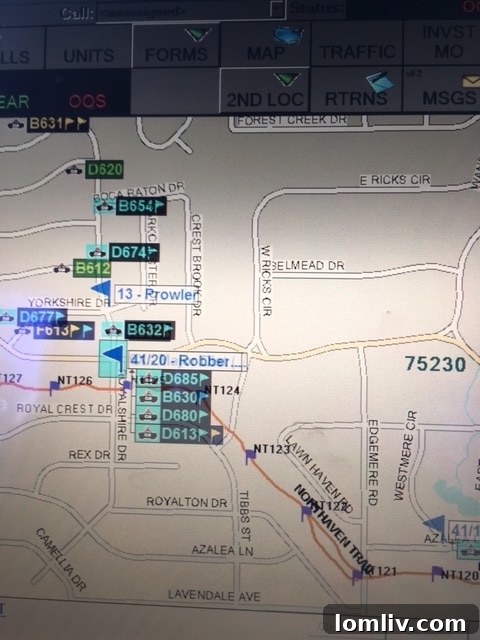
What began as an ordinary day in the serene Preston Royal neighborhood quickly escalated into a scene that underscored the vulnerabilities even in seemingly tranquil residential areas. A burglary unfolded at 11012 Westmere, a quiet cluster of picturesque homes situated by a lake. Simultaneously, just a short distance away, residents on Royalshire and Northaven found themselves caught in a dramatic confrontation. A homeowner bravely apprehended a suspect involved in another incident, holding them on the ground in an act of community vigilance and self-preservation.
The situation, however, took a more perilous turn with the emergence of a second suspect. This individual, reportedly armed, brandished a weapon at the homeowner, transforming a tense apprehension into a dangerous standoff. The gravity of the situation prompted an immediate and robust police response, evident in the patrol helicopters making dips over residential areas, a clear sign of an active pursuit. Adding to the intense narrative, it was reported that the homeowner had engaged with the suspect using their vehicle prior to the suspect revealing their firearm. This series of events, while harrowing, highlights the profound impact such incidents have on the peace of mind of residents and the urgent need for effective public safety measures.
Incidents like these are not merely statistics; they are vivid reminders that crime can touch any doorstep, anytime. They challenge the perception of safety and compel residents to consider their own preparedness and the broader effectiveness of local law enforcement. The quick escalation from a property crime to a violent confrontation involving armed individuals and a vigilant homeowner speaks volumes about the unpredictable nature of urban crime and the pressures it places on communities.
Dallas Crime Trends: Beyond the Headlines
The Preston Royal incident, while localized, reflects a larger conversation happening across Dallas regarding crime rates. Public safety remains a paramount concern for residents and local authorities alike. Data from recent periods indicates fluctuating but often concerning trends in both violent and property crimes within the city. While efforts have been made to curb the rising tide, the path to a safer Dallas is clearly complex and multi-faceted.
According to reports, the city has experienced significant shifts in its crime landscape:
Murders are up nearly 40 percent over last year in Dallas, but the rate has slowed since an alarming spike in March. There were 17 homicides in May, when 10 people killed in one week. But March remained the deadliest month of the year, with 20 victims.
Dallas Police Chief David Brown has said that the violent crime spike is dropping, which he credits to the work of the violent crime task force. The department released Tuesday the latest tally of arrests between June 2-9 by the 170-officer task force.
While the reported deceleration in violent crime rates offers a glimmer of hope, it is crucial to recognize that the overall year-over-year increase in homicides points to a persistent challenge. The deployment of a dedicated violent crime task force, comprising 170 officers, demonstrates the Dallas Police Department’s commitment to addressing these critical issues. The task force’s efforts, including the arrests made within specific periods, are vital in disrupting criminal networks and providing immediate relief to affected communities. However, the effectiveness of such initiatives is often measured not just by arrests but by sustained reductions in crime and a renewed sense of security among the populace.
Beyond violent offenses, property crime also presents a significant challenge for Dallas residents:
Brown has also started a task force to battle a nearly 3 percent increase in property crimes this year. Dallas police officials say people are more likely to be victims of a theft or a burglary than a violent crime. Last week, the task force arrested 29 people and recovered two stolen cars.
The nearly three percent increase in property crimes underscores a different, yet equally impactful, dimension of the city’s crime problem. While less severe than violent crimes, burglaries, thefts, and car recoveries directly affect residents’ financial well-being and sense of personal security. The establishment of a separate task force for property crimes indicates an understanding that these offenses require targeted strategies. The success of these task forces, however, hinges on continuous funding, adequate staffing, and community cooperation to not only apprehend offenders but also to implement preventative measures.
The Impact on Residents: Fear, Vigilance, and Community Action
The rising crime rates, particularly the dramatic incident in Preston Royal, profoundly affect the daily lives and psychological well-being of Dallas residents. The once-unquestioned peace of suburban neighborhoods is now punctuated by a heightened sense of vigilance and, for some, fear. Homeowners are increasingly contemplating advanced security systems, joining neighborhood watch programs, and even considering personal defense strategies, as evidenced by the brave actions of the Preston Royal homeowner.
The homeowner’s decision to confront a suspect, and later a second armed individual, highlights a growing trend where citizens feel compelled to take direct action in the face of perceived threats to their property and safety. While such acts of bravery are commendable, they also raise important questions about the level of protection residents expect from their public services and the fine line between self-defense and potential danger. This evolving dynamic places an increased burden on law enforcement to not only respond effectively to crime but also to reassure communities that their safety is paramount and actively being addressed.
Community resilience and engagement become critical during such times. Neighborhood associations play a pivotal role in disseminating information, organizing preventative measures, and fostering a collective sense of responsibility for safety. From increasing outdoor lighting to establishing direct communication channels with local police, proactive community efforts can serve as a vital complement to official law enforcement strategies. These actions not only help deter crime but also strengthen the social fabric of neighborhoods, creating a united front against criminal elements.
Governance and Priorities: A Critical Look at City Hall
The challenges of crime and public safety in Dallas are inextricably linked to the decisions made at City Hall. Leadership changes and budgetary allocations directly impact the resources available to the police department and the overall strategic direction of the city’s response to crime. Recent shifts in key leadership positions have added another layer of complexity to these ongoing issues.
With Chief Brown’s resignation and the City Manager’s departure, Dallas finds itself at a critical juncture regarding its public safety leadership. These changes, coupled with ongoing debates about urban development, raise questions about the city’s overarching priorities. For instance, the Mayor’s reported focus on investing in Fair Park redevelopment, particularly fixing up buildings without a robust, long-term development plan, has drawn scrutiny in light of pressing public safety needs. While urban revitalization is important, critics argue that such initiatives should not overshadow or detract from the immediate requirement for a stronger, better-resourced police force.
The debate surrounding Fair Park funding, and whether the bidding process was legal, further highlights concerns about transparency and accountability in resource allocation. The need for more police officers, coupled with competitive salaries to attract and retain talent, is a frequent call from communities grappling with crime. Moreover, incidents like the one in Preston Royal underscore the demand for specialized resources, such as additional police helicopters, which are crucial for rapid response and aerial surveillance in dynamic situations.
The city’s budget reflects its values. When significant funds are earmarked for projects that do not directly enhance immediate public safety, it sends a message that residents’ most urgent concerns might be secondary. A comprehensive approach to urban governance requires a delicate balance: investing in long-term development while simultaneously ensuring that foundational services like public safety are robustly funded and effectively managed. This includes not just increasing police presence but also investing in community programs, youth outreach, and initiatives that address the root causes of crime.
Moving Forward: Collaborative Solutions for a Safer Dallas
Addressing the complex issue of crime in Dallas requires a multi-pronged, collaborative approach involving every layer of the community and local government. Simply reacting to incidents is not enough; proactive strategies are essential for fostering a truly safe and thriving city. This involves enhancing law enforcement capabilities, empowering communities, and ensuring accountable governance.
Firstly, strengthening the Dallas Police Department is paramount. This includes recruiting and retaining more officers through competitive salaries and benefits, investing in advanced training, and equipping them with modern tools and technology, such as additional surveillance and rapid-response assets like helicopters. Furthermore, fostering stronger police-community relations is crucial. Programs that build trust and open lines of communication between officers and residents can lead to more effective crime prevention and resolution.
Secondly, community engagement must be a cornerstone of any safety strategy. Encouraging the formation and active participation in neighborhood watch programs, providing resources for home security awareness, and creating platforms for residents to voice their concerns directly to local authorities are vital steps. Empowered communities are often the first line of defense against crime, providing critical intelligence and support to law enforcement.
Lastly, transparent and accountable governance is indispensable. City leaders must prioritize public safety in their budgetary decisions and strategic planning. This means carefully evaluating large-scale development projects against immediate public needs and ensuring that resources are allocated where they can have the most impact on residents’ quality of life. Regular public briefings, clear communication on crime statistics, and measurable goals for crime reduction are essential for building public trust and demonstrating a commitment to creating a safer Dallas.
The incidents in Preston Royal and the broader crime trends across Dallas serve as a powerful call to action. By working together, fostering vigilance, and demanding accountability from leadership, Dallas can navigate these challenges and build a future where every neighborhood feels secure and every resident can thrive.