

Plano’s Hidden Housing Challenge: Unpermitted Boarding Houses Strain Single-Family Neighborhoods
Plano, Texas, a city renowned for its meticulously planned communities and high quality of life, is grappling with a growing challenge: the proliferation of unpermitted boarding houses within its established single-family residential zones. While the city’s zoning ordinances explicitly prohibit residences with multiple unrelated renters in these areas, residents in neighborhoods like Briar Meadow, near Coit and Legacy, report a surge in such operations across the city, raising significant concerns about neighborhood integrity and code enforcement.
The issue of non-conforming rentals is not entirely new to Plano. The city previously made headlines when it imposed a temporary one-year ban on new short-term rentals (STRs) within its limits, a proactive measure signaling a vigilant stance against activities that could disrupt single-family neighborhoods. This ban, initiated in May, positioned the Plano City Council as one of the first in North Texas to address the complexities of the burgeoning STR market. However, the current problem with boarding houses presents a different, arguably more insidious, challenge.
Unlike short-term rentals, which often attract immediate attention due to their transient nature and frequent turnovers, boarding homes are typically considered long-term rentals. This distinction often allows them to operate under the radar for extended periods, going easily undetected until a neighbor finally raises a complaint. Even then, city officials have openly admitted that enforcing violations in these long-term scenarios can be remarkably difficult, hindered by legal complexities and resource limitations.
The enforcement struggles in Plano echo similar situations in other North Texas municipalities. For instance, a group home for veterans on Polk Street in Dallas operated for years without proper zoning designation. It wasn’t until the Dallas City Plan Commission voted 9-3 in September to rezone the property to multifamily and impose deed restrictions limiting building height that the issue gained significant traction. This rezoning case is still pending before the Dallas City Council, with a vote set for January 24th, highlighting the protracted legal and administrative processes involved in addressing such land-use conflicts. These cases underscore the broader challenges cities face in adapting existing zoning laws to new housing models and societal needs while preserving the character of established communities.

For long-time Plano residents like Julia Pitlik, the impact of these boarding houses is deeply personal and immediately visible. Pitlik and her husband built their home in the upscale Briar Meadow neighborhood nearly three decades ago, investing in a community characterized by stability and family-oriented living. Their expectation was a quiet residential environment, free from the disruptions associated with high-turnover rentals. However, this vision is now being undermined by a nearby property.
“Every time I turn around, they’ve got a new person moving in and another one moving out,” Pitlik shared with daltxrealestate.com, highlighting the transient nature of the tenants. “Recently there was a new vehicle there, and I thought he was there to do some repairs, but he’s living there. The vehicle has not moved in three days.” This constant churn of residents is a hallmark of boarding house operations, often leading to a lack of investment in the neighborhood’s social fabric and an unpredictable living environment for long-term homeowners.
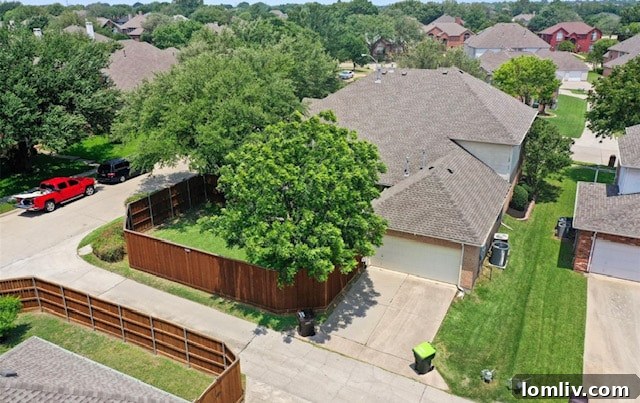
Beyond the social impact, practical issues also plague the neighborhood. Pitlik detailed the severe parking congestion on Clearwater Court, a direct consequence of multiple residents, each often owning a vehicle, occupying a single-family home designed for far fewer. “A school bus or fire truck can’t safely travel down the street because of all the vehicles lining Clearwater Court,” she added, underscoring a critical public safety concern that arises when residential density exceeds infrastructural capacity.
Understanding Plano’s Zoning Ordinance and the Challenge of Co-Living
The framework governing land use in Plano is meticulously laid out in its 376-page Plano Zoning Ordinance. This comprehensive document, which is currently undergoing a significant rewrite, clearly defines a “boarding house” as a residence or dwelling (excluding hotels and household care facilities) where three or more rooms are rented by written or oral agreement. Crucially, the ordinance explicitly states that such homes are strictly prohibited in single-family neighborhoods. Instead, they are permitted only in specific zones designated for general office, light commercial, or downtown areas, where the infrastructure and community expectations are more aligned with higher-density, mixed-use activities.
The underlying philosophy of single-family zoning is to preserve distinct residential areas, promoting stability, quiet enjoyment, and a sense of community. When boarding houses infiltrate these zones, they often introduce elements that conflict directly with these goals, such as increased traffic, limited parking, noise disturbances, and a revolving door of occupants who may not have the same vested interest in neighborhood upkeep as permanent residents.

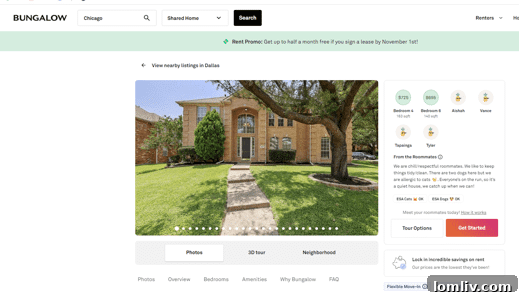
The specific property at the heart of Julia Pitlik’s complaints, valued at $660,000 and located at 3820 Clearwater Court, is owned by Flywheel SFR Fund | Borrower LLC. Flywheel, a subsidiary of Deer Park Road, an equity fund based in Steamboat Springs, Colorado, represents a growing trend of institutional investors entering the single-family rental market. These entities often partner with property management companies like Bungalow Living to operate their assets. The Clearwater Court home is one of at least nine North Texas properties managed by Bungalow, indicating a concerted strategy to establish a presence in the region’s lucrative housing market.
Bungalow Living positions itself in the burgeoning “co-living” sector, targeting young professionals and others seeking flexible, communal living arrangements. However, its business practices have drawn considerable scrutiny. The Real Deal reported in September 2022 on a series of accusations against Bungalow, painting a picture of a “co-living startup” plagued by allegations of ineffective and neglectful property management. Residents have come forward with claims of abrupt lease terminations, a significant lack of communication from management, and even the creation of fake roommate profiles, creating a chaotic and often unsettling living experience.
Perhaps most alarmingly, the Real Deal report highlighted severe security concerns: “Some have even complained of strangers in their bedrooms, which can’t have locks,” a critical breach of privacy and safety that exposes the inherent risks of poorly managed co-living models. These reports raise serious questions about the accountability of such companies and the well-being of their tenants, let alone the impact on the surrounding community. Repeated attempts to reach officials with Bungalow Living, Flywheel, and Deer Park Road for comment on these allegations and the Plano situation went unanswered, further exacerbating concerns about transparency and responsibility.
Code Enforcement Hurdles and Resident Frustration
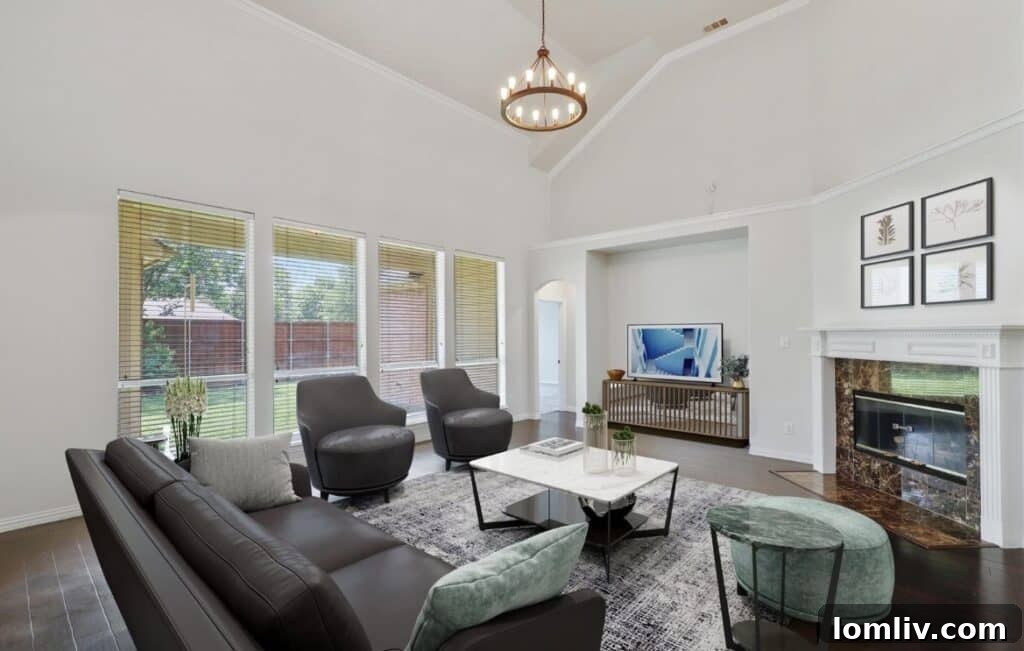
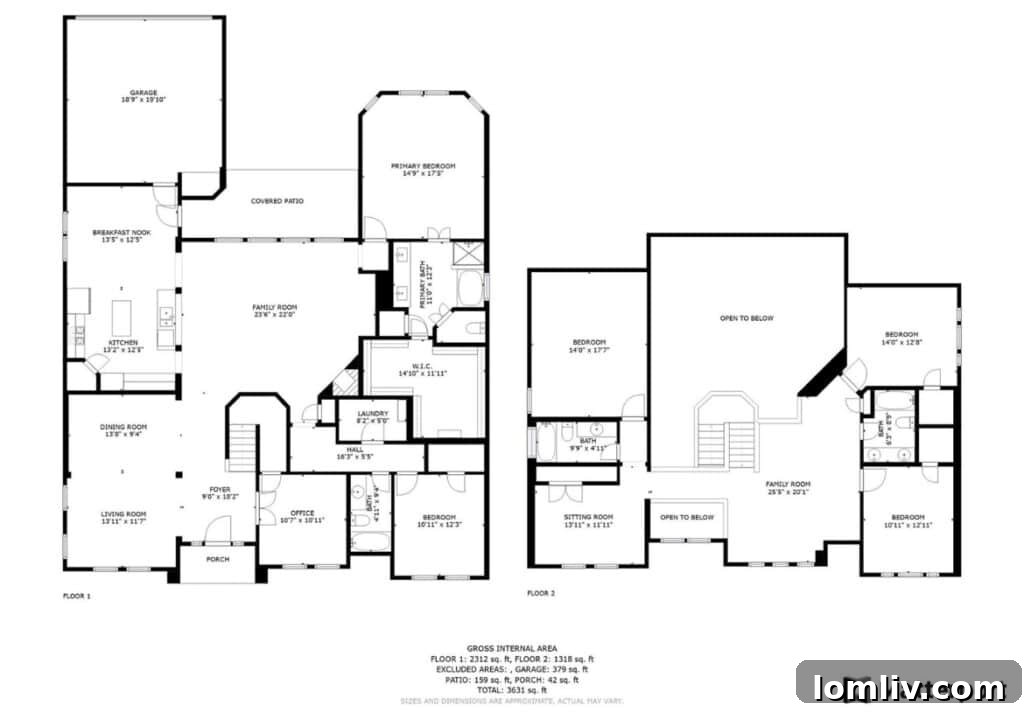
The challenges of regulating these properties are amplified by the specific circumstances of their operation. The neighbors across the street from Julia Pitlik sold their home to the property management company in August of last year. This six-bedroom, four-bath residence is reportedly rented to as many as six unrelated tenants simultaneously, and often accommodates overnight guests, further increasing the occupancy and strain on neighborhood resources, according to Pitlik.
The neglect of basic property maintenance is another common complaint associated with institutional ownership and transient occupancy. “When people move out, they take the furniture they don’t want and just leave it in the front yard,” Pitlik lamented. “We filed a complaint and it took the city almost two months to come out and remove it and levy a fine against the property owner.” This slow response not only diminishes the visual appeal of the neighborhood but also reflects the difficulty in consistently enforcing even straightforward code violations against absentee owners. Furthermore, Pitlik noted, “The sprinklers don’t work so the lawn hasn’t been watered in over a year,” another indicator of a lack of care that can negatively impact adjacent property values and the overall aesthetic of a well-maintained community.
Driven by mounting frustration, local homeowners have actively sought recourse, reaching out to Plano City Council members, various city employees, and even State Rep. Matt Shaheen (R-Plano). The response, however, highlights the bureaucratic and legal quagmire that often surrounds such issues. Property Standards Supervisor Sheryl Wilson did not respond to requests for an interview, but an email obtained by daltxrealestate.com sheds light on the city’s official stance and its limitations. In her communication to Pitlik, Wilson assured that an inspector would monitor the property for bulk trash and maintenance issues, a standard procedure for code violations.
However, Wilson’s email also revealed the significant obstacles to full enforcement: “Enforcement of our regulations on residences is difficult due to privacy and constitutional protections. We evaluate situations on a case-by-case basis to determine whether enforcement is merited or possible under the circumstances. In most cases such as this property, we will not be able to pursue enforcement at this time.” This statement underscores the delicate balance cities must strike between upholding zoning regulations and respecting individual property rights and tenant privacy. The city’s acknowledgment that a “zoning rewrite” is currently underway, aiming to overhaul residential use definitions, offers a glimmer of hope for future clarity and enforceability.
Yet, for affected residents like Pitlik, such explanations ring hollow. She vehemently expressed her frustration: “I’ve lived here for 30 years. What about my rights? What about the rights of a Texas citizen and taxpayer?” Her sentiment reflects a broader community concern about the perceived erosion of established residential norms and the feeling that cities prioritize potential legal battles over the quality of life for long-standing residents. Pitlik further speculated that the city’s reluctance to enforce existing codes might stem from an anticipation of a lawsuit, fearing it lacks the financial resources or legal expertise to effectively challenge large property management companies with deep pockets.
“Why do we have a code for no boarding homes when they’re not going to enforce the code?” she questioned, pointing to a fundamental breakdown in governance. “Once you stop enforcing it, you have no leg to stand on in a court of law.” This powerful argument highlights the critical importance of consistent and robust code enforcement. Without it, zoning ordinances become mere suggestions, ineffective in their purpose and detrimental to the trust between citizens and their local government. The situation in Plano serves as a stark reminder of the complex interplay between property rights, community standards, and the practicalities of urban governance in an evolving housing landscape.
As Plano continues its comprehensive zoning rewrite, it faces the critical task of developing regulations that are not only clear and equitable but also enforceable. The outcome will significantly shape the future character of its single-family neighborhoods, determining whether they can maintain their unique identity or if they will increasingly be transformed by emerging, often conflicting, housing models.