Buying a brand new home is often seen as the ultimate dream. The scent of fresh paint, untouched floors, and the promise of a flawless start can be incredibly appealing. Many homebuyers assume that because a house is new, it must be perfect and free from defects. However, this common misconception can lead to significant headaches and unexpected costs down the line. That’s why the meticulous experts at Green Scene Home Inspections are committed to enlightening Daltxrealestate.com readers every week through our insightful series, “Upon Closer Inspection.” We delve into the critical role of professional home inspections, particularly for properties straight off the builder’s lot, to ensure your new beginning is as smooth as you envision.
Do I Really Need an Inspection on a New Construction Home? The Unseen Flaws Beneath the Surface
The question, “Why would I need a home inspection on a new construction home?” crosses the minds of countless buyers. After all, isn’t everything supposed to be up to code and perfectly installed? The surprising truth is that a professional home inspection is arguably even more crucial for a newly built home than for an older property. While an older home has been “stress-tested” by years of occupancy, revealing most of its quirks and deficiencies, a brand new home is an untested entity.
Modern construction, though guided by stringent codes and highly skilled professionals, is still a complex process involving numerous trades, tight deadlines, and the inherent possibility of human error. Different crews handle framing, electrical, plumbing, HVAC, roofing, and finishing, often with varying levels of communication and oversight. This intricate dance can, and frequently does, result in overlooked details, improper installations, or minor deficiencies that, if left unaddressed, can escalate into major problems for you, the homeowner. Investing in a new construction home inspection is an essential safeguard against these potential pitfalls.
A certified home inspector acts as an objective third party, putting the home’s various systems through their paces before you move in. They meticulously examine every accessible component, from the foundation to the roof, the electrical wiring to the plumbing connections, ensuring that everything is installed correctly, functioning as intended, and meeting safety standards. This proactive approach saves you from discovering costly flaws months or even years after you’ve taken ownership, when repairs might no longer be covered by your builder’s warranty. It offers invaluable peace of mind for your significant property investment.
Common Construction Flaws: Real-World Examples from Green Scene Home Inspections
At Green Scene Home Inspections, we routinely uncover a wide array of issues in brand new homes – problems that range from minor inconveniences to significant safety hazards or structural concerns. These aren’t isolated incidents; they are common occurrences that underscore the importance of a thorough, independent evaluation, often catching what even experienced builders might miss amidst the flurry of activity on a construction site.
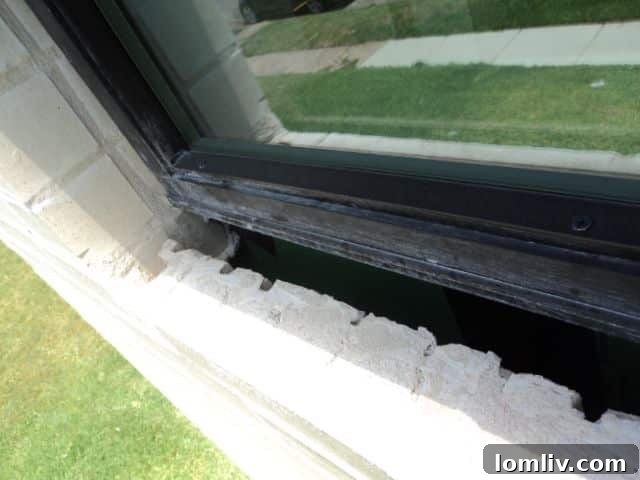
Case Study 1: The Missing Window Sills. In a pristine, newly completed townhome, our inspectors discovered four exterior windows completely lacking sills. While seemingly a cosmetic flaw, missing window sills are a critical oversight that compromises the home’s weatherproofing and structural integrity. Without proper sills, water can seep into the wall cavities, leading to rot, mold growth, and eventual structural damage. This seemingly “minor” detail, if not identified during a pre-purchase home inspection, could result in extensive, expensive repairs, transforming a dream home into a moisture nightmare. It’s a prime example of new build defects that often go unnoticed without a professional eye.
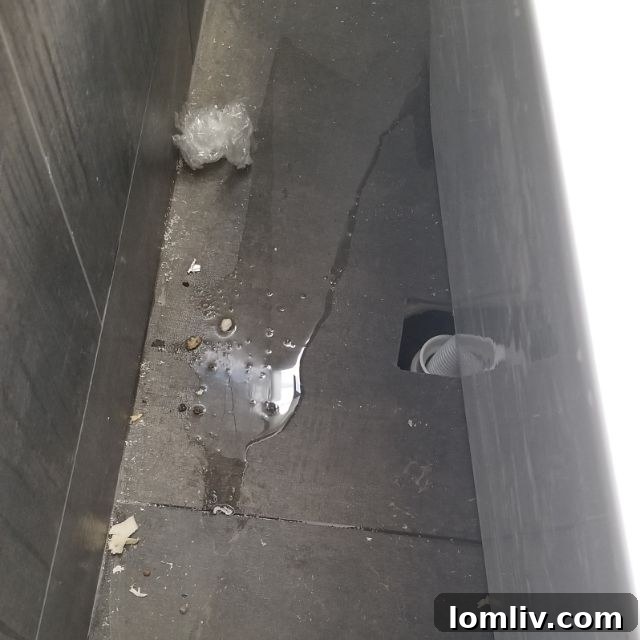
Case Study 2: The Unconnected Luxury Bathtub. Imagine settling in for a relaxing soak in your brand new luxury tub, only for the water to drain directly onto your bathroom floor and through the ceiling below. This exact scenario was narrowly avoided in another new construction project where our inspection revealed the plumbing for the high-end bathtub was completely unconnected. Our inspector, having seen this issue multiple times in new builds, notes it’s a shocking yet recurring problem. A gushing tub can cause catastrophic water damage to floors, subfloors, and ceilings, leading to thousands of dollars in repairs and weeks of disruption. An inspection ensures that your spa experience doesn’t turn into an unexpected indoor flood, protecting your valuable new home from significant damage.
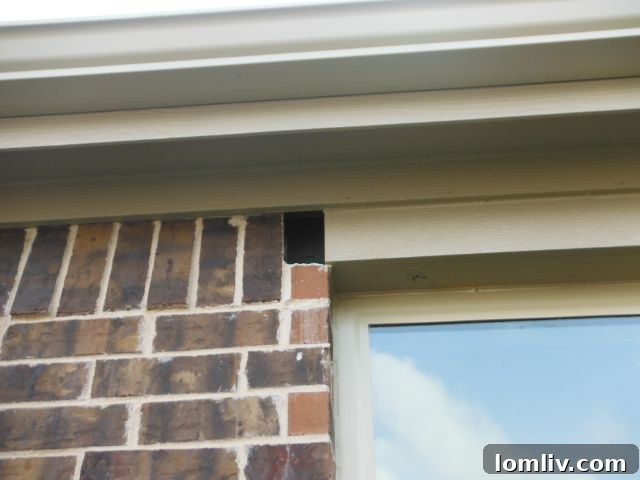
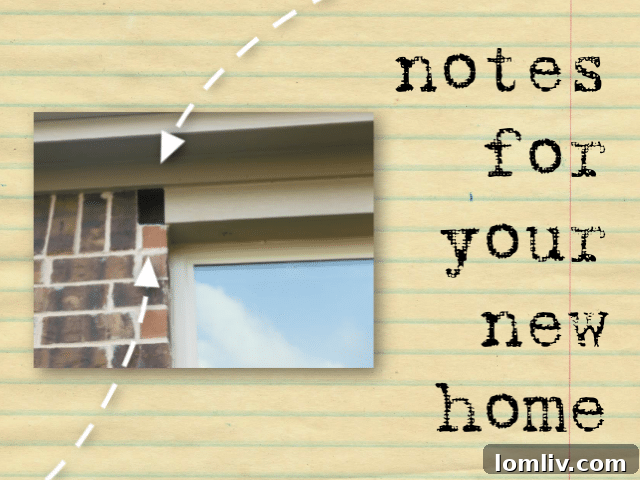
Case Study 3: The Sprinkler vs. Fence Fiasco. Poor communication among subcontractors is a pervasive problem in the fast-paced world of new construction. We frequently encounter clashes where systems installed by different teams interfere with each other. A classic example is a sprinkler system pipe running directly into or through a newly installed fence post, sometimes even requiring a brick to be removed from the house to accommodate. This particular issue, where “the guy who installed the sprinkler system and the guy who installed the fence don’t communicate,” is seen “all the time.” Such conflicts can impede proper fence repair or future landscaping, cause damage to the sprinkler system, and represent a shoddy finish that detracts from your home’s curb appeal and long-term value. These seemingly minor coordination issues highlight the need for a comprehensive home inspection checklist.
Protecting Your Investment: The Crucial Phases of New Construction Inspections
To truly safeguard your investment and ensure your new home is built to the highest standards, it’s often recommended to conduct inspections at various stages of the construction process, not just at the very end. This multi-phase approach provides comprehensive oversight and allows for defects to be corrected before they become hidden or more complex to fix, potentially saving you substantial repair costs down the line.
- Pre-Drywall Inspection: This is arguably the most critical inspection for a new build. Conducted after the framing, plumbing, electrical, and HVAC rough-ins are complete but before insulation and drywall are installed, it allows the inspector to examine the “bones” of the house. Issues with structural components, wiring, pipes, and ductwork can be identified and corrected when they are most accessible, preventing costly tear-downs and repairs later. This phase is crucial for catching hidden issues that would be impossible to see once walls are sealed.
- Final Inspection (Pre-Closing): This is the most common inspection, performed when construction is substantially complete, typically a few days before your final walk-through with the builder and before closing. This comprehensive review covers all accessible systems and components, ensuring everything is installed correctly, functioning properly, and that cosmetic finishes meet acceptable standards. It’s your last chance to identify and demand remedies for issues before you take possession, leveraging the power of a professional home inspection report.
- 11-Month Warranty Inspection: Many reputable builders offer a one-year warranty on their new homes. An inspection conducted around the 10- or 11-month mark allows for the identification of any problems that have developed over the first year of occupancy, such as settling issues, minor leaks, or HVAC performance problems. This allows you to present a comprehensive list of warranty claims to your builder before the coverage expires, ensuring they address any emerging defects at their expense, giving you lasting peace of mind.
Beyond the Builder’s Walkthrough: Why an Independent Inspector is Essential
Some homebuyers mistakenly believe the builder’s final walk-through is sufficient to ensure quality. While valuable for familiarizing yourself with your new home and pointing out obvious cosmetic issues, it is not a substitute for a professional new construction home inspection. The builder’s representative, while helpful, works for the builder. Their primary goal is often to ensure customer satisfaction and facilitate the closing, not necessarily to uncover every potential flaw, especially those not immediately visible. An independent, certified home inspector, on the other hand, is your dedicated advocate. They bring unbiased expertise, specialized tools, and a trained eye to scrutinize every detail, providing you with a thorough, objective report that empowers you to demand necessary repairs before closing. This independent assessment is vital for protecting your property investment.
Investing in Peace of Mind and Protecting Your Property’s Value
The cost of a new construction home inspection is a minimal investment when compared to the potential expenses of repairing major defects post-closing. A small fee for an inspector can save you tens of thousands of dollars in unforeseen repairs, not to mention the stress, inconvenience, and disruption these issues can cause. Furthermore, ensuring your new home is built to the highest standards protects its long-term value, enhances its energy efficiency, and safeguards the overall safety for you and your family. It’s an investment in your future and a crucial step in securing your largest asset.
These examples of overlooked details might seem small on their own, but they collectively represent potential for significant damage, costly repairs, and ongoing frustration for a new homeowner. A professional inspection by experts like Green Scene Home Inspections is an indispensable step in the homebuying process, transforming the dream of a new home into a secure and truly enjoyable reality. Don’t leave your largest investment to chance; ensure it receives the scrutiny it deserves before you turn the key and embrace your new beginning.