The Pink Wall’s Struggle: A Battle for Dignity and Property Rights in Preston Hollow, Dallas
Nestled between two of the nation’s wealthiest zip codes, “The Pink Wall” of Preston Hollow, Dallas, represents more than just a cluster of residences; it’s a vital haven. For decades, this unique pocket has provided a rare opportunity for women of means, who might suddenly find their financial circumstances drastically altered, to maintain a dignified and safe lifestyle without leaving their cherished community. It has long served as a crucial source of affordable housing, thoughtfully positioned on the fringes of Dallas’s most affluent neighborhoods. Yet, this delicate balance is now under severe threat, with significant implications for its vulnerable residents. The Dallas City Plan Commission Public Hearing for PD-15, scheduled for Thursday, April 18, looms large, holding the fate of this cherished community in its hands.
A Legacy of Accessible Living: The Enduring Value of The Pink Wall
The personal stories woven into the fabric of The Pink Wall highlight its profound importance. In the 1990s, my own mother found a new home “Behind the Pink Wall” at The Seville on Averill Way. Having moved to Dallas in her seventies to be closer to her grandchildren and contribute to my husband’s medical practice – leveraging her extensive experience managing medical practices in suburban Chicago – she also sought escape from the harsh Midwestern winters. Her initial residence, a bright and cheerful townhome off Knoll Trail Drive, was a fortunate discovery made during a family trip to Toys R Us, leased directly from a bank holding the note. However, its distance, seven miles from our home, became a growing concern as she aged.
Our desire for her to be closer led us directly to The Pink Wall, which, at the time, offered the only proximate multi-family living options near our Old Preston Hollow residence. The opportunity to secure a two-bedroom, two-bath, first-floor unit at The Seville, just about a mile from our home on Park Lane, was something I eagerly seized. The thought of being able to walk to her house was incredibly comforting.
I distinctly recall the emotional weight of her closing on that property – the only one she would ever own “sole” by herself. Her 42-year marriage had ended in divorce, and, like many women of her Depression-era generation, financial matters were historically managed by men. With each page turned and her signature applied, she would whisper, her voice tinged with a lifetime of financial dependency, “Are you sure I’m not going to lose everything?” This poignant moment underscored the profound sense of ownership and security that The Pink Wall offered.
When she passed away in 2003, I left the condo untouched for months, a silent testament to my hope that she might walk through the door again. It remains a cherished investment property within our family, consistently leased by retirees, predominantly single women. My mother absolutely loved her life Behind the Pink Wall. It grieves me deeply to imagine her witnessing its current decline, an unfolding tragedy threatening to transform it into what some now fear will become a “Senior Slum.”
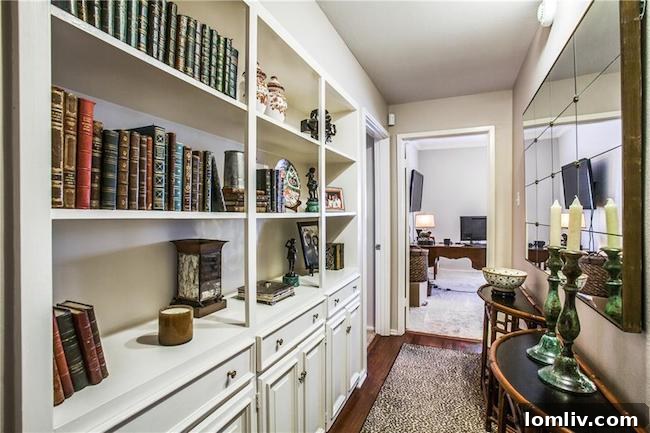
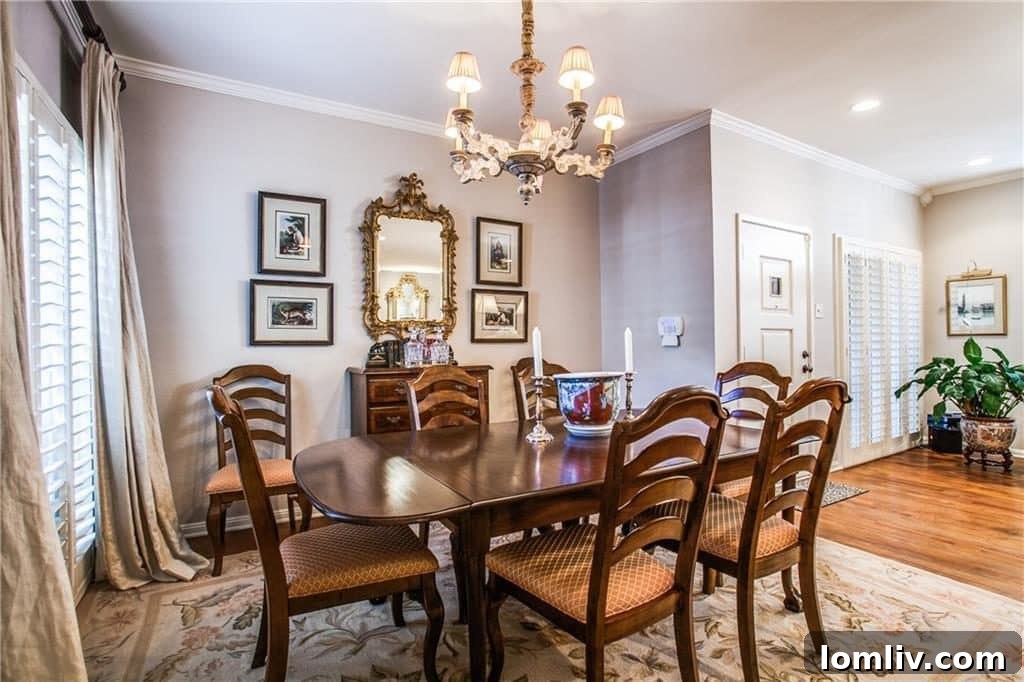
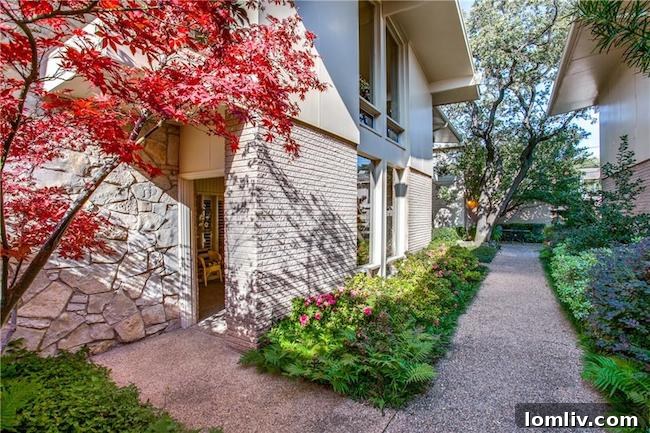
The community’s essence is perhaps best captured by its residents. A few weeks ago, I met a Realtor, a woman moving into an apartment near mine, her life reshaped by unforeseen circumstances. Her husband had provided the quintessential Highland Park good life until a marital betrayal forced her to rebuild her life with two school-aged children. All along Bandera, Averill Way, Pickwick, and Edgemere, the neat, tidy homes – 1950s and ’60s apartments converted into charming condos – are testament to a past life, often decorated with furniture and antiques from the toniest addresses in town. As dusk falls, residents walk their dogs, doting on them, engaging in neighborly chats, and stoically accepting the paths life has laid before them. This vibrant, resilient spirit, however, was irrevocably altered by a catastrophic event: the Preston Place fire.
The Preston Place Fire: A Catalyst for Crisis and Unveiling Vulnerabilities
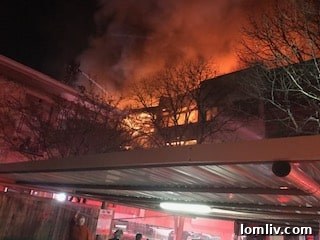
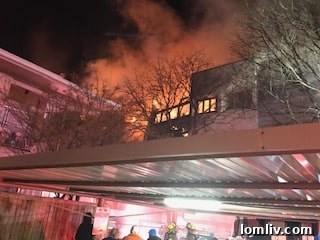
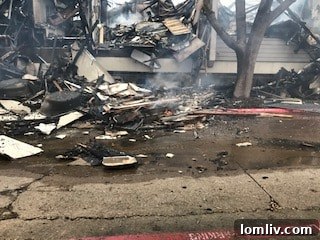
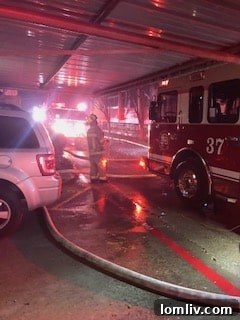
The devastating Preston Place fire, which engulfed a three-story, 60-unit condo building in March 2017, did more than just destroy property, claim one life, and displace numerous single retiree owners. It fundamentally reshaped the landscape of surrounding properties in ways that only those deeply familiar with real estate complexities can truly appreciate. This calamitous event, igniting four days of intense flames and ranking among Dallas’s largest fires, served as a stark revelation, pulling back the curtain on the vulnerabilities inherent in The Pink Wall community.
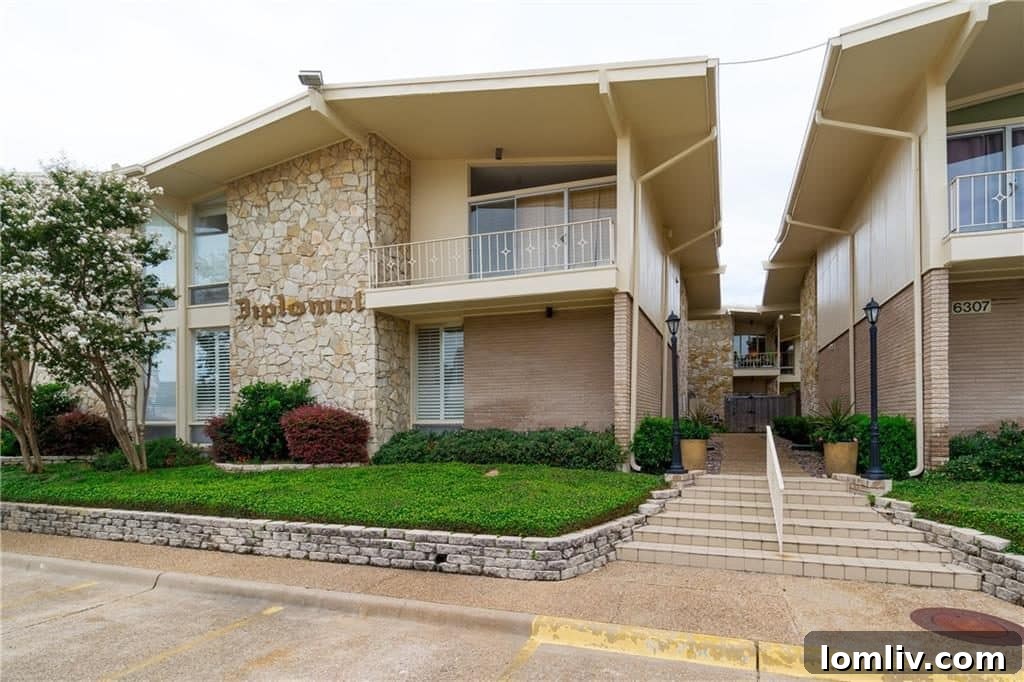
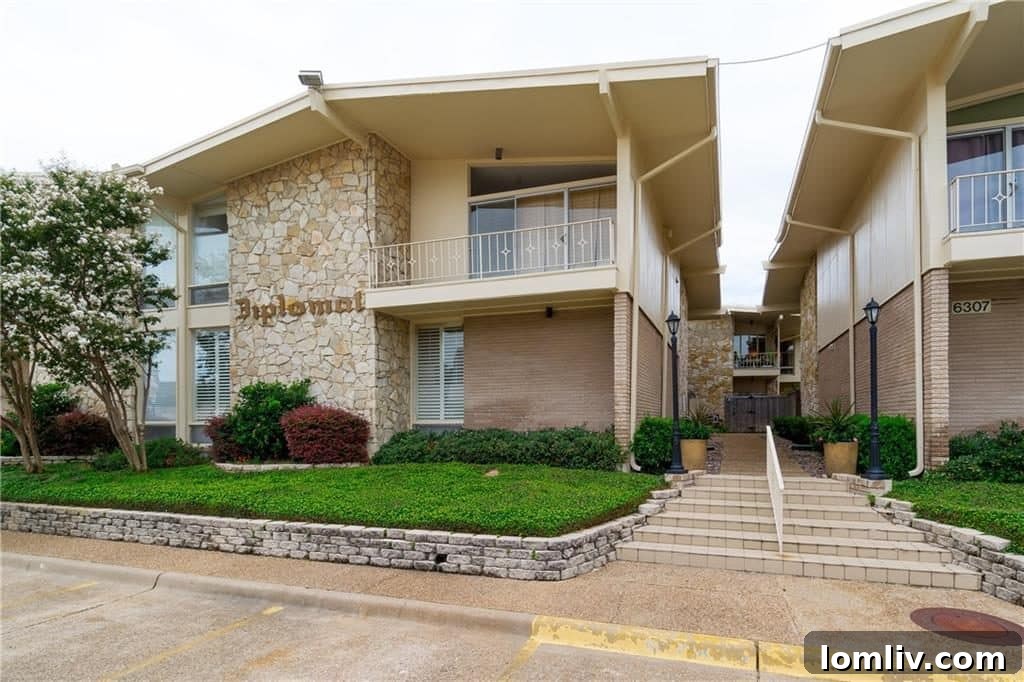
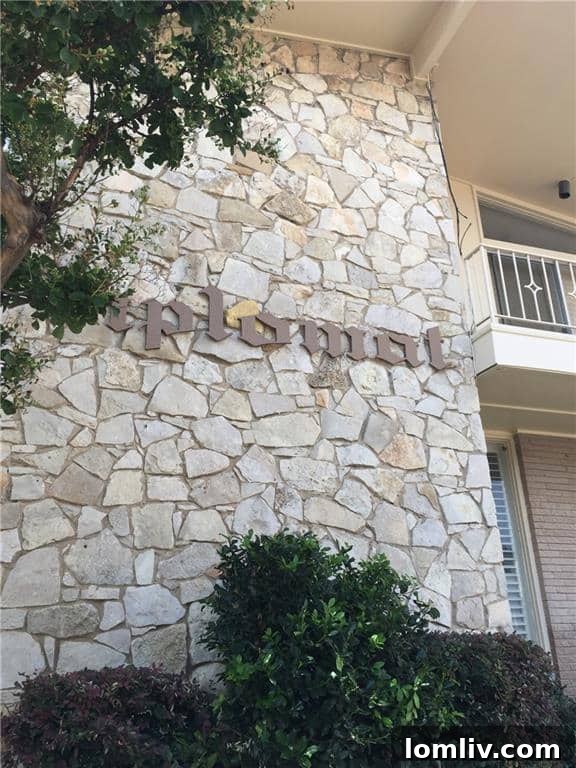
Consider Billie Mills* (a pseudonym to protect her identity), a woman in her mid-seventies, a resident of The Diplomat Condominium since 2011. With multiple degrees from a major university and a Texas Real Estate license, Billie once owned a stately University Park home. Yet, the burning of Preston Place has effectively rendered her a prisoner in her own home. She contends that intentional, premeditated deferred maintenance, exacerbated by the fire’s aftermath, suffocates her health and sanity daily. Adding to her anxieties, she fears the City of Dallas will further restrict development rights by narrowly interpreting a decades-old Planned Development (PD-15), swayed by a vocal minority of “loud, selfish neighbors” and the political maneuvering of a “boomerang politician.”
“The fire pulled the curtain back on The Pink Wall,” Billie confided. “I have lived on Indian reservations; I have helped fight for minority rights. Native Americans have federally endowed rights that are far better than what I have here.” This powerful statement underscores her profound sense of injustice and disenfranchisement.
The Diplomat Condominium, a modest 14-unit, two-story building featuring a garage apartment, sits directly east of the now-demolished Preston Place. Recent listings in January 2018 showed units priced around $194 per square foot, with 1599-square-foot residences asking between $310,000 and $325,000. These units typically leased for $1500 to $2500 per month. However, Billie notes that leasing activity has plummeted due to pervasive zoning uncertainty, leading to an increasing number of vacant units and further eroding the community’s stability.

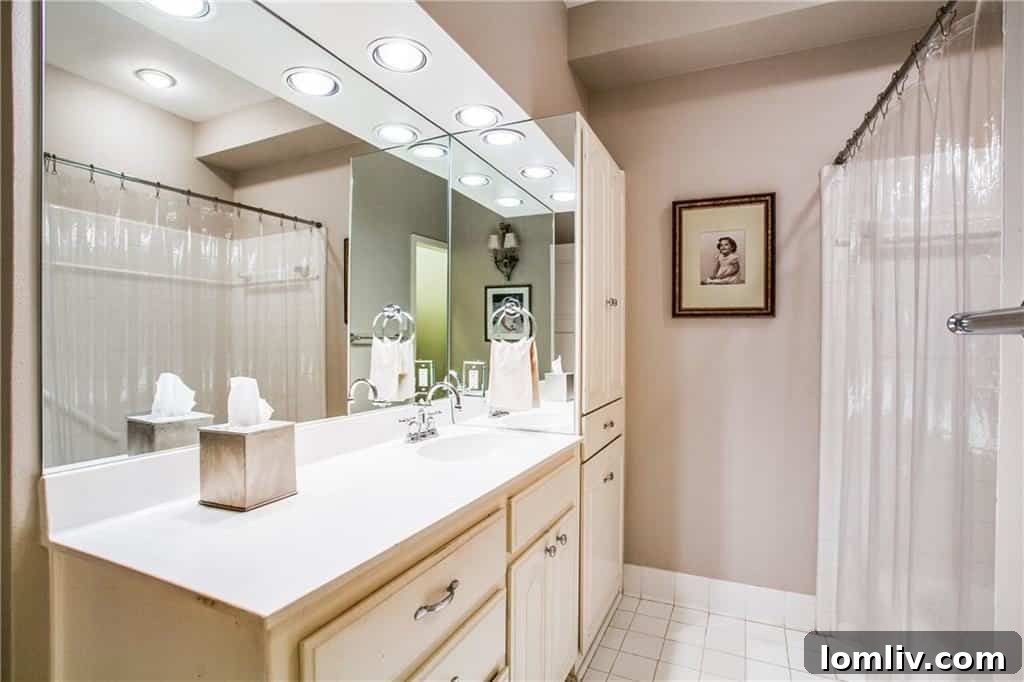
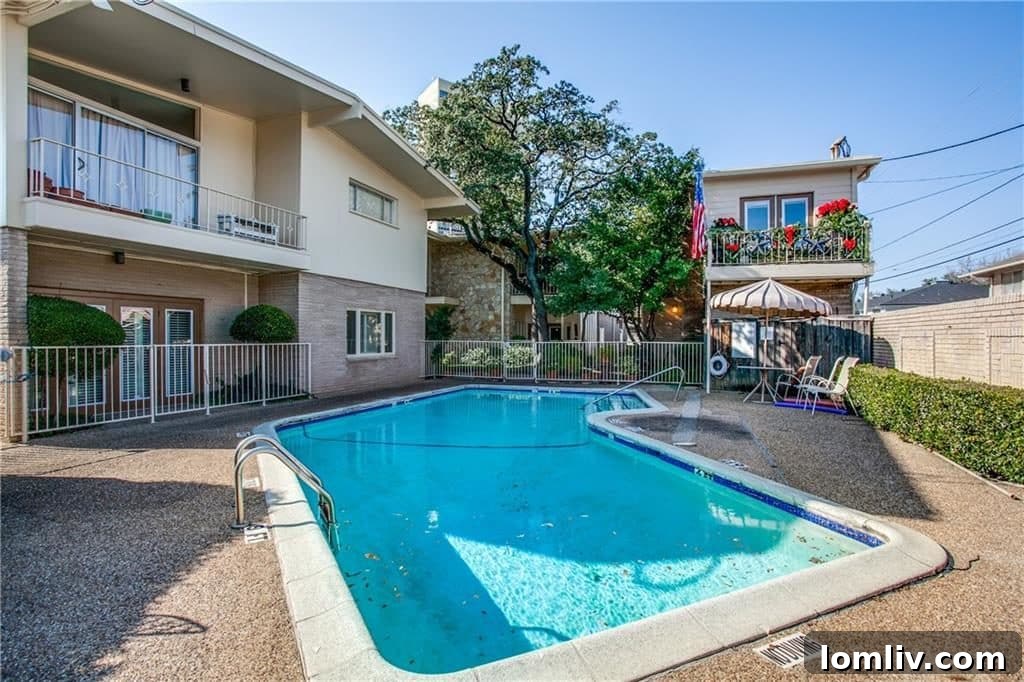
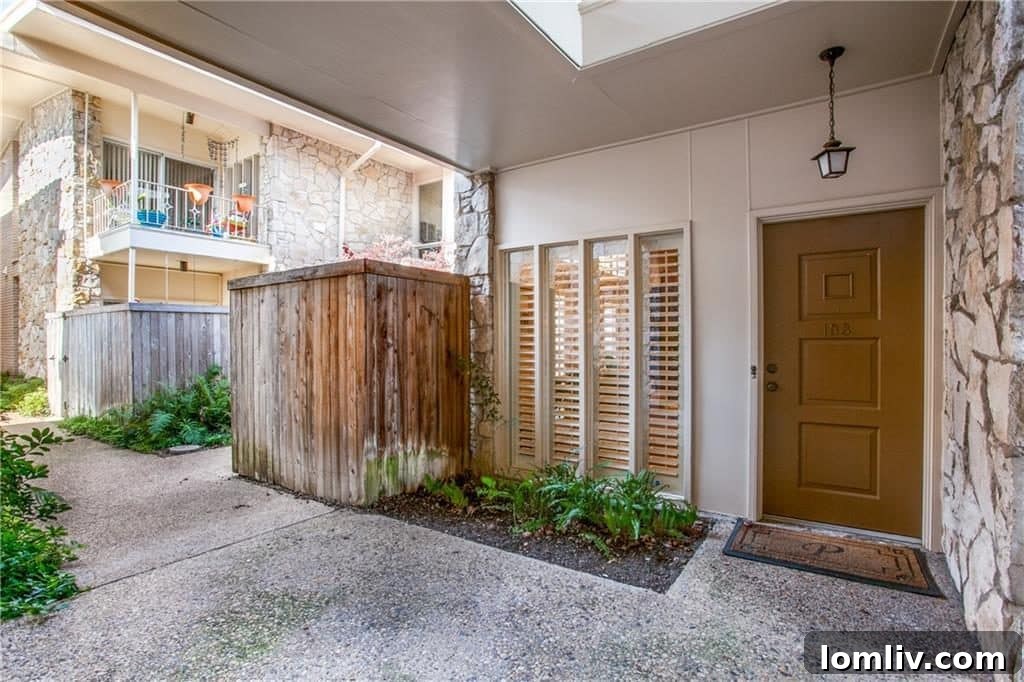
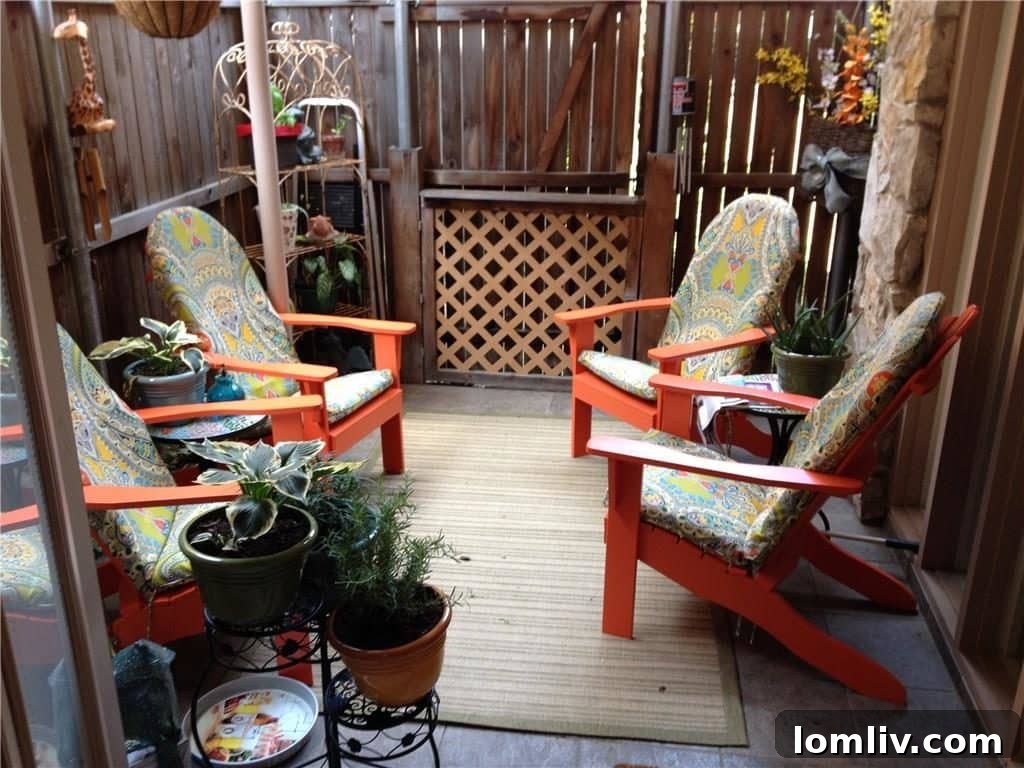
Discrimination and Disregard: The Plight of Vulnerable Residents
“We are a one-acre property (.94 acres) where most of the owners are senior citizens, women, most on limited incomes, and we need to be treated fairly,” Billie asserts. “Some of us are in poor health. One of my neighbors has actually moved away, her unit is vacant. I think the whole political process here is discriminating against women and seniors.” Billie yearns for the city to advance with zoning changes that would liberate her from her “prison home.” She acknowledges Councilwoman Jennifer Gates’ extensive efforts on behalf of Preston Place residents but feels a distinct lack of equivalent support for those in the proximate buildings like The Diplomat. Regarding former Mayor Laura Miller’s involvement in the narrative, Billie speculates it’s either a “late-life power play or something deeper.”
Billie highlights the stark contrast between the affected residents and the influential figures involved. “These are very vulnerable people living here, people not in her league,” she states, referring to Miller. “We are not in the same multi-million category as the people in Old Preston Hollow where Miller lives in a five-million-dollar home. Why is she hell-bent on helping the towers so much?” Billie poignantly asks what Miller, or residents of the nearby Preston and The Athena towers (where Miller reportedly owns a unit), would do if they lost their homes to fire. The seven-alarm Preston Place blaze, built in 1979, was one of Dallas’s largest, burning for four days and posing a genuine threat of spreading to these very towers.
“If they are worried about their views, let them pool their resources and buy this property,” Billie challenges. “But to sit there and dictate to others that they cannot sell, to manipulate city zoning to seal their objectives – that is a violation of a homeowner’s constitutional right.” This emphasizes the perceived injustice and the residents’ deep-seated concern for their fundamental property rights.
The Aftermath of the Blaze: A Compounding Nightmare of Neglect
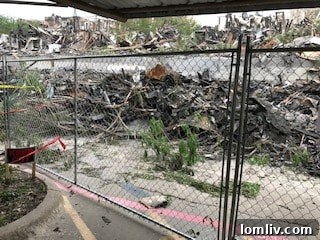
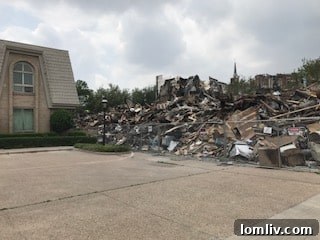
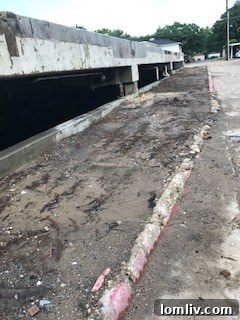
The night, and subsequent days, of the Preston Place fire severely impacted residents of The Diplomat Condominium and other neighboring buildings. Their cars were barricaded in underground parking garages, adding to the immediate chaos. As Preston Place tragically collapsed, it created 59 gaping holes in The Diplomat’s roof, leaving the building vulnerable. Lingering smoke permeated the area for days, particularly in the immediate vicinity, and demolition debris was piled directly against The Diplomat’s exterior walls for weeks on end.
The complexities of demolition further highlighted the friction within the community. “Preston Place and the Athena would not allow any of the demo trucks to drive down their streets, which is a private Northwest Highway service road. They constantly called police to enforce it,” Billie recounts. “Did they forget the fire could have burned their homes, too? All the demolition debris got pushed to the east side of our building. We had to tape up our windows. Demo trucks, not being able to pass by the towers, had to go up and down Diamondhead Circle. The trucks were heavy and destroyed the streets. I found out we own to the center of the street, but the city has an easement. Thus nobody will ever pay for the repair.” This situation left Diplomat residents facing property damage and street deterioration, with no clear path to recourse.
Due to pre-existing health issues, specifically asthma and arthritis, Billie’s insurer moved her out of her home for an entire year. During this period of displacement, she was still obligated to pay her mortgage, property taxes, and $623 per month in HOA dues, placing an immense financial and emotional burden on her. The home she eventually returned to was, shockingly, in far worse condition than it had been before the fire, a testament to systemic neglect.
A Home in Decay: The Scars of Systemic Neglect
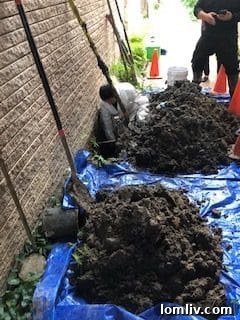
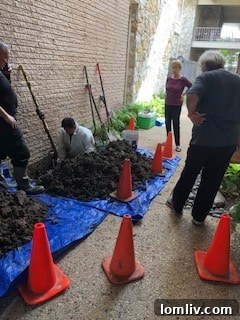
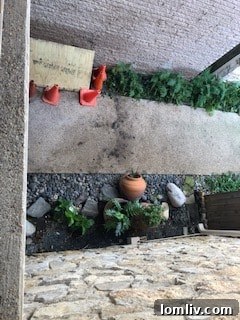
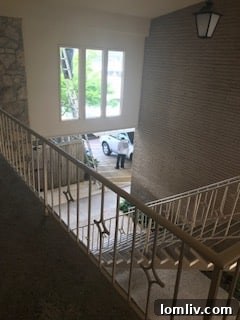
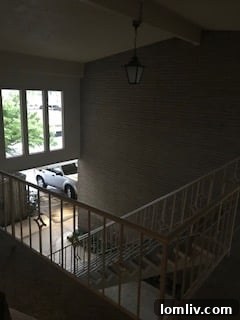
Upon her return, Billie found her home plagued by a litany of unresolved issues: pervasive electrical problems, malfunctioning HVAC systems, leaking units, significant foundation problems, inadequate or non-existent lighting in common areas, and loose, unsealed windows that had allowed fire debris to infiltrate the building. For an entire month, electrical issues prevented Billie from even cooking. A severe sewer pipe backup resulted in raw sewage being dumped directly onto the sidewalk (captured in photographs on blue tarps) during its repair, creating unsanitary and hazardous conditions.
Alarmingly, a professional maintenance review of the AC units, conducted just three years before the fire, revealed numerous units in desperate need of repair. However, the Board inexplicably chose to forgo these essential repairs, operating under the assumption that the building was slated for sale. This decision, to not invest in critical maintenance, has left residents like Billie suffering. This pattern of deferred maintenance, Billie contends, is a major problem not only within The Diplomat but also in other older units Behind the Pink Wall, contributing to its slow, agonizing transformation into a “senior slum.”
The eight aging AC units, stacked directly on The Diplomat’s roof, vibrate and roar relentlessly, 24/7, shaking the walls and floor of Billie’s unit directly below. This constant noise pollution deprives her of any peaceful place to sit or rest within her own home. Other issues abound: last year, a swarming bee colony nested within the walls of The Diplomat. Billie had to personally hire and guarantee payment for a professional beekeeper to remove the bees and their nest, though her HOA eventually reimbursed her. Furthermore, the burned-out garage structure has remained uncleared for over two years. “The City should have taken the garage out. It holds water and Dallas weather has been exceptionally rainy. It had an electric pump system before the fire,” Billie explains. “Now it’s just a cesspool whenever it rains.” This standing water poses a significant health risk, serving as a mosquito breeding ground. Despite Billie’s persistent calls to the City, by the time code inspectors arrive, the water has typically evaporated, leaving the underlying problem unaddressed. Even basic amenities suffer; heating systems frequently fail, and repairs are often delayed for days. Billie grimly describes the building’s structural systems as “duck-taped, bandaged,” recalling that all four Diplomat buildings were covered with blue tarps over their roofs at one point in 2012. A structural engineer’s report explicitly states that the foundation of the 63-year-old building cannot be restored or repaired, yet, according to Billie, the current board president, believing he possesses superior knowledge, ignores this critical assessment.
Zoning Battles and The Path Forward: A Fight for Fair Opportunity
It’s crucial to clarify that the City of Dallas lacks direct control over the internal affairs of HOAs Behind the Pink Wall. Billie readily acknowledges that The Diplomat’s condo board itself contributes significantly to her predicament, making unilateral decisions, disregarding her concerns, and effectively stifling potential sales by prematurely factoring in tomorrow’s developer-assumed pricing today. Technically, she cannot even sell her unit without the approval of her HOA. Compounding this, the Board President, whose decisions are so impactful, doesn’t even reside in his condo unit; he leases it out. “No one wants to buy a unit in a dilapidated, decaying building next to a burned-out shell,” she states, encapsulating the market reality. “My whole building is being held back by PD-15. The people who can afford to move away have done so, leaving the rest of us in a slum condition.”
The Diplomat faces a unique and challenging real estate condition: functional obsolescence. The true value lies not in the aging structures but in the underlying land. Allowing increased height in PD-15, where two high-rises already exist, would significantly enhance this land value through increased density. However, The Diplomat’s high ratio of leased units presents another hurdle: securing buyer financing becomes exceedingly difficult, as Fannie Mae, for example, will not underwrite loans in buildings where a large percentage of units are leased.
“There has been a lot of fear-mongering,” Billie reveals. She confirms that the owners have a confidential agreement with a developer, contingent upon the zoning outcome. “The party who wants to buy our property really wants to build a thoughtful, high-quality development.” This offers a glimmer of hope. Dan Rhodes, an experienced real estate agent with Compass who lived in the area for 16 years, attempted to sell Billie’s unit last year but found no interested buyers due to the uncertainty surrounding development and zoning. “It’s really a difficult situation for the owner-occupants,” Rhodes admits. “I feel sorry for the people who live there because they cannot make decisions based on the uncertainty. It’s a challenge. Change is difficult, but it happens. Ultimately someone will re-develop these vintage 1960s complexes in some capacity, but this current offer is an opportunity to do it right.”
For Billie, the situation is akin to living in an agonizing limbo. “Laura Miller’s intrusion is forcing me to live in slum senior housing, denying me the opportunity to have a decent, and affordable home,” Billie emphasizes. She firmly believes that the proposed new development would resolve many of these deeply entrenched issues. According to original documents, their property once had unlimited height allowances. Now, she argues, the City is “jiggering with setbacks, trying to take them away from us.” Billie implores the City to work collaboratively with ALL PD-15 owners, ensuring they do not lose the property rights they legitimately possess today.
Hope for a Fair Future: Beyond The Pink Wall
When asked where she would move once she and other homeowners are finally bought out, Billie’s answer was unequivocal: “Anywhere where there is no HOA.” This stark reply underscores the profound frustration and loss of autonomy experienced by residents like her, trapped between neglectful governance and political maneuvering.
The saga of The Pink Wall in Preston Hollow is more than a local real estate dispute; it’s a poignant reflection of broader challenges facing vulnerable communities across Dallas. It highlights the critical need for balanced development, equitable representation, and the unwavering protection of property rights, especially for seniors and those on limited incomes. The upcoming PD-15 hearing is not merely a procedural event; it’s a pivotal moment that will determine whether dignity, fairness, and the promise of a secure home can be preserved for the resilient residents of The Pink Wall.
- Billie Mills is a pseudonym for an actual resident of The Diplomat Condominiums.