By Phil Crone
Executive Officer, Dallas Builders Association
Dallas and its vibrant surrounding areas have witnessed an extraordinary period of expansion over recent years, particularly in the sectors of commercial construction and multi-family residential developments. This remarkable economic dynamism, fueled by corporate relocations, a booming job market, and a desirable quality of life, has cemented the Dallas-Fort Worth (DFW) Metroplex as one of the fastest-growing regions in the United States. However, amid this surge, the development of single-family homes has struggled to keep pace, with builders primarily concentrating on infill lots and smaller-scale, shared-access projects. Last year, Dallas issued just over 2,000 permits for new homes, and projections indicate a similar figure for 2019. This stark reality highlights a growing imbalance within the housing market, where demand far outstrips the current supply of new, accessible single-family residences.
The city of Dallas is also grappling with the pervasive impact of escalating housing costs, a challenge that reverberates across major metropolitan areas nationwide. Extensive research and reports have consistently underscored the critical need for approximately 20,000 additional affordable housing units within the city. For single-family homes to truly qualify as affordable in the current market, they ideally need to be priced within the range of $250,000 to $350,000. Achieving this crucial price point in Dallas is exceptionally difficult. The primary obstacles include soaring land prices, which make initial development prohibitively expensive, and, in many instances, significant neighborhood opposition to proposed new affordable housing developments. This “Not In My Backyard” (NIMBY) phenomenon often stalls or outright prevents projects that could alleviate the housing crisis, driven by concerns over property values, traffic, or neighborhood character.
While certain external factors influencing housing costs may lie beyond our immediate control, it is imperative that we assume responsibility for the aspects we can genuinely influence. The stakes involved are simply too high to ignore. Homeownership remains the most proven and powerful pathway to wealth creation for American families, offering stability, equity accumulation, and a tangible asset. Furthermore, the attainability of this cherished dream within the DFW Metroplex continues to be a fundamental catalyst for job creation and economic growth. Yet, for an increasing number of residents, the dream of homeownership is becoming an elusive fantasy. Daily commutes are lengthening, and the availability of safe, quality homes at a reasonable price is rapidly diminishing. This trend not only impacts individual families but also threatens the economic vitality and social equity of the entire region.
A significant, and often overlooked, impediment to fostering affordable housing solutions in Dallas originates from within the city’s own administrative structures. The existing development processes, essential for guiding construction from conception to completion, are not operating with the necessary efficiency or effectiveness. Projects aimed at building attainable housing, which are often characterized by tighter margins and stricter timelines, disproportionately suffer from these systemic and unforced errors. Delays, unexpected costs, and bureaucratic hurdles can derail these vital initiatives, making them less viable for developers and ultimately reducing the supply of much-needed housing.
This challenge is by no means a novel one. For many years, builders, developers, and small business owners have openly voiced their frustrations concerning Dallas’s persistent lack of transparency and predictability in its development and permitting procedures. Despite these well-documented shortcomings, Dallas has, in many respects, managed to succeed in spite of itself, driven by its undeniable economic momentum. However, this historical resilience should not mask the underlying issues. The current inefficient system is no longer merely an inconvenience; it has evolved into a critical barrier hindering the city’s ability to provide adequate housing for its growing population, especially for working families and those striving for homeownership.
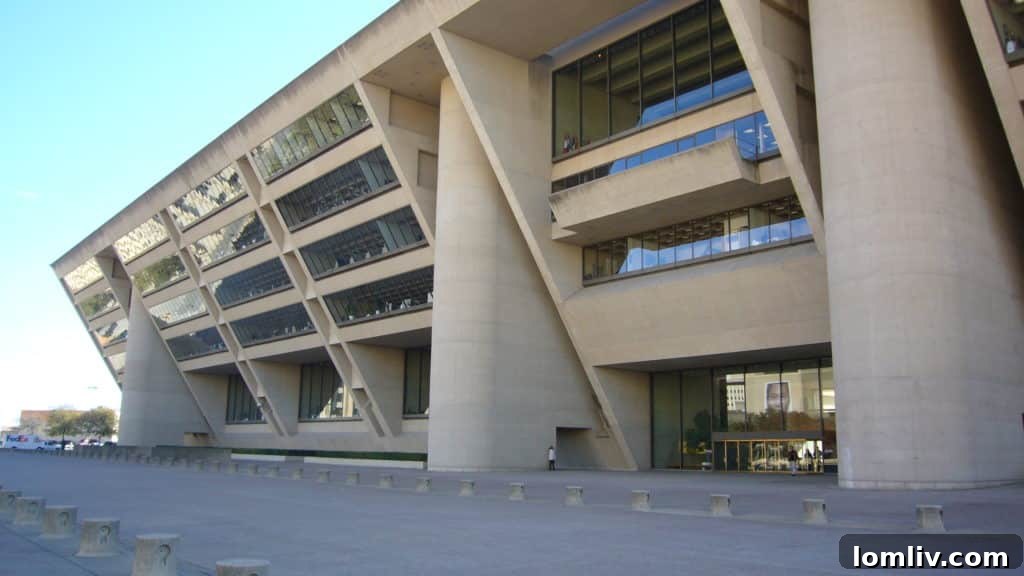
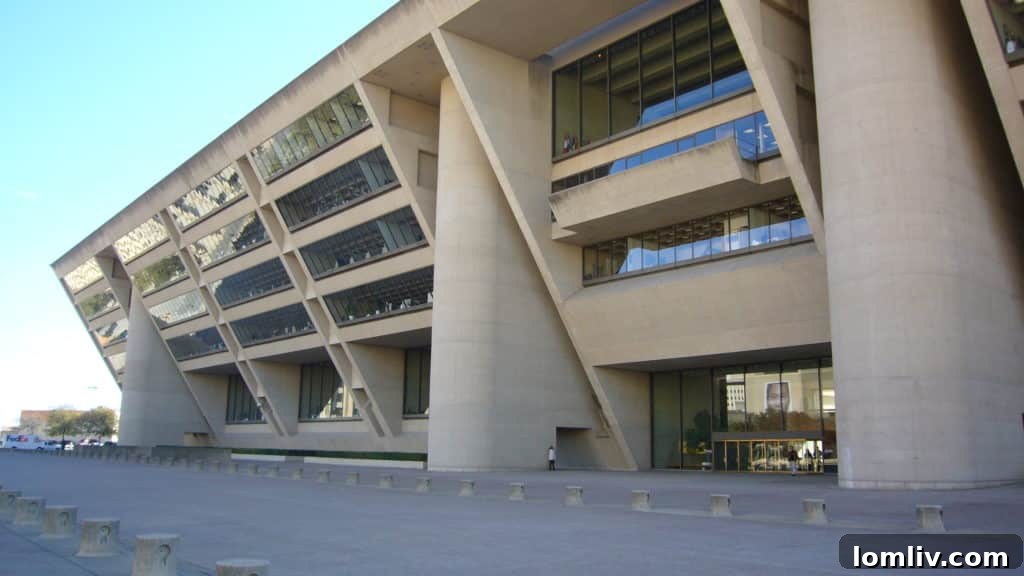
Nowhere is this chronic problem more glaringly apparent than at the Oak Cliff Municipal Center, the central hub where a majority of the city’s intricate development and permitting processes unfold. Here, one often observes a familiar cast of characters — individuals who spend countless hours each day navigating the bureaucratic maze. These “fixers” or “expediters” do not work for the city (though some may be former employees), but they possess an almost encyclopedic expertise required to successfully traverse the tangled web of review and permitting requirements. Their ubiquitous presence and indispensable knowledge often lead to the colloquial lament, “Dallas is different.” This phrase, while acknowledging the unique complexities, also subtly implies a resignation to inefficiency. It is time we collectively transform this narrative. Our goal should be to shift from accepting “Dallas is different” to striving for “Dallas is better” – better in its processes, better in its predictability, and ultimately, better for its citizens seeking a place to call home.
Achieving this ambitious goal is infinitely easier said than done, demanding concerted effort and unwavering commitment. The foundational step requires the Dallas City Council to be unequivocally committed to enhancing performance across all development-related departments. This commitment must translate into robust and visible support for city staff’s dedicated efforts to significantly boost predictability, transparency, efficiency, and effectiveness. Past initiatives, despite good intentions, often faltered due to a failure to cultivate this crucial level of synergy between political leadership and administrative action. Consequently, many promising reforms never progressed beyond the initial planning or “wishful thinking” phase, leaving developers and residents alike perpetually frustrated.
Once this leadership commitment is firmly established, the strategic focus must then pivot to the critical pre-development phase of the review process. This initial stage, often overlooked, is where many future delays and cost overruns are inadvertently baked in. Improving this phase necessitates extensive and seamless interdepartmental communication and coordination. Crucially, departments such as engineering, fire, water utilities, and building inspections must collaborate closely, sharing information and aligning requirements from the outset. Currently, these departments often operate in isolated “silos,” leading to conflicting mandates, redundant reviews, and a fragmented experience for developers, severely impeding project progress.
The contemporary landscape of city planning is unfortunately littered with these organizational silos, which urgently need to be dismantled. This transformation requires a dual-pronged approach: leveraging cutting-edge technology and empowering a dedicated project management team. Implementing advanced technological solutions, such as integrated online portals, digital plan submission platforms, and real-time project tracking systems, can bridge communication gaps and streamline workflows. Complementing this, an empowered project management team, equipped with the authority to provide comprehensive and actionable feedback, can play a pivotal role in identifying and implementing enhancements to pre-development functions. This team should champion a culture of collaboration across all departments, with the overarching objective of ensuring that development outcomes are not only reliable and efficient but also communicated clearly and consistently. Equally important, this team must be empowered to respond effectively and decisively when processes deviate from established standards, ensuring accountability and continuous improvement.
The sheer scale and intricate nature of the workforce required to operate an organization the size of the City of Dallas inherently present substantial communication and coordination challenges. Adding another layer of complexity are the nearly 1,000 planned development districts (PDDs) scattered throughout the city, each possessing its own unique and often highly specific set of zoning regulations. This labyrinthine regulatory environment places an immense burden on city staff, who must meticulously balance the individual desires of property owners with the broader public good and safety. Furthermore, staff contend with persistent issues such as high turnover rates, which lead to a loss of institutional knowledge, and the frequent submission of incomplete or incorrectly formatted applications from individuals or firms unfamiliar with the city’s labyrinthine processes. Through all these pressures, city personnel must diligently uphold their primary objective: safeguarding public safety and welfare in every development decision.
While all these compounding factors collectively explain the current state of affairs, they do not, and should not, serve as an excuse for the existing inefficiencies. Residential developers embarking on projects in Dallas are often left in a precarious position, with no clear indication of how long the approval process will take or how substantial the financial impact of unexpected delays and bureaucratic surprises will be. This uncertainty introduces significant risk and adds considerable cost to projects, which are ultimately passed on to the homebuyer. In stark contrast, many surrounding cities, even those with rigorous regulatory frameworks, offer developers a far greater degree of predictability and clarity in their permitting timelines and requirements. This disparity places Dallas at a competitive disadvantage in attracting and retaining developers willing to invest in vital housing projects.
Unlike many other major municipalities, Dallas boasts a strong commitment to, and explicit policy for, facilitating affordable and attainable homeownership for its residents. The city’s comprehensive housing policy playbook, while well-intentioned, can only be successfully implemented if the fundamental operational processes are optimized first. In the realm of housing development, these fundamental “blocking and tackling” elements are predictable, transparent, efficient, and effective development processes. Without these foundational improvements, even the most progressive policies will struggle to yield tangible results, leaving the city’s aspirations for broad homeownership unfulfilled.
To this point, Dallas may have managed to achieve success despite the inefficiencies ingrained within its systems. However, it has unequivocally fallen short in its crucial mission of providing sufficient and diverse housing options for those who need them most – its working families, its young professionals, and its essential service providers. With decisive leadership from the City Council, the invaluable expertise of dedicated city staff, and collaborative input from the housing industry, we can collectively transform Dallas’s development landscape. We can reach a pivotal point where we proudly declare, “Dallas is better.” When this transformation materializes, thousands of working families will finally be able to embrace the dream and emphatically say, “Dallas is home.”

Phil Crone is the executive officer of the Dallas Builders Association, the leading trade association and comprehensive network for builders and developers in Dallas. Discover more about the invaluable work of the DBA and its commitment to shaping the future of housing at dallasbuilders.com.