Ensure Your Dream Home is Built Right: The Essential Role of Phase Inspections
Building a new home is an exciting journey, a significant investment, and a deeply personal endeavor. You envision a space where memories will be made, and comfort will abound. However, the complex process of construction, involving numerous contractors, trades, and intricate details, inherently leaves room for errors. These missteps, if undetected, can evolve into costly repairs, significant structural problems, or ongoing frustrations long after you’ve moved in. This is precisely why engaging your own independent inspector for a series of phase inspections is not just an option but a critical safeguard.
Phase inspections typically comprise a three-part process, strategically timed to coincide with pivotal stages of your home’s construction. This proactive approach offers unparalleled peace of mind, confirming that every crucial detail is meticulously covered and adheres to both design specifications and rigorous building codes. By catching potential issues early, you can save substantial time and money, ensuring your new home is built to the highest standards of quality and safety.
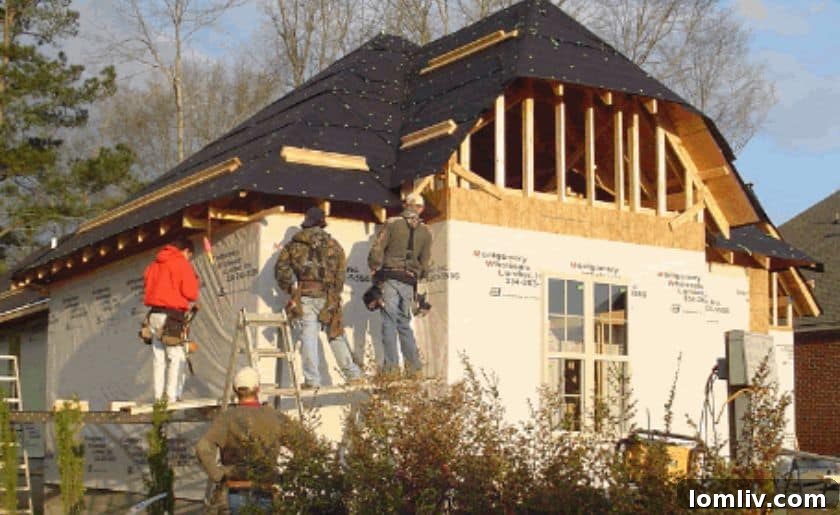
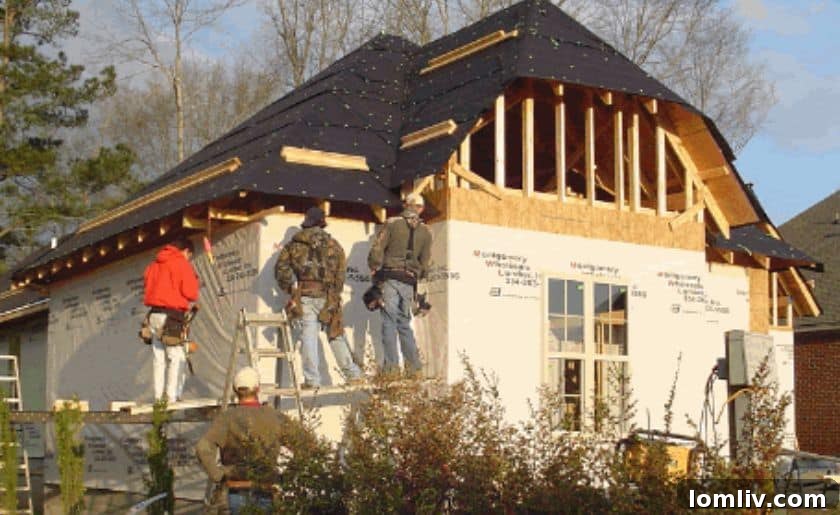
Today, our focus zeroes in on the indispensable **Phase 2 inspection**. This stage occurs after the foundation has been poured and the house has been framed, but critically, before the drywall and insulation are installed. Why is this timing so crucial? Because at this juncture, the skeletal structure of your home is exposed. Wiring, plumbing pipes, HVAC ductwork, and structural studs are all visible and accessible. Errors or shortcuts discovered during Phase 2 are still relatively easy and inexpensive to rectify, preventing them from being concealed behind walls where they can fester and lead to much larger, more expensive, and even hazardous problems down the line.
The Undeniable Value of Pre-Drywall Inspections: Uncovering Hidden Dangers
The Phase 2 inspection, often referred to as the pre-drywall or rough-in inspection, is arguably the most vital checkpoint in new home construction. It’s an opportunity to examine the very bones and circulatory system of your future home before they are permanently covered. An experienced, independent inspector acts as your dedicated advocate, scrutinizing every aspect of the exposed structure and systems for compliance with building codes, industry best practices, and the approved construction plans. Let’s delve into some common, yet potentially catastrophic, problems that professional Phase 2 inspections frequently uncover.
Structural Integrity: “Too Much Load To Bear”
One of the most alarming discoveries during a Phase 2 inspection can involve structural inadequacies. Imagine a scenario where crucial load-bearing elements, such as beams or headers, are incorrectly sized or supported. The video above illustrates a critical oversight where an excessive load was placed on what appears to be insufficient two-by-fours. This kind of error often stems from a misinterpretation of architectural plans or an unfortunate oversight during construction. If left uncorrected, such a structural flaw could lead to sagging floors, cracked walls, and in the worst cases, a catastrophic collapse. A professional inspector identifies these discrepancies and strongly recommends an engineer’s assessment to ensure the structural integrity of your home. Addressing these issues at the framing stage is paramount, as correcting them after drywall installation would involve extensive and expensive demolition and reconstruction, not to mention compromising the safety of the entire structure.
Foundation Stability: “Frozen Concrete” and Curing Concerns
Concrete forms the bedrock of most modern homes, providing the essential foundation upon which everything else rests. While incredibly durable, concrete’s strength and longevity are heavily dependent on proper mixing and curing conditions. As highlighted in an informative article by FMP Construction, extreme cold temperatures during the pouring and initial curing phases can severely compromise the finished structure. Concrete undergoes a chemical reaction that generates heat during hydration, but if ambient temperatures fall too low, this reaction slows or stops, leading to “frozen concrete.” Such concrete can become brittle, crack, spall, and lose significant compressive strength, rendering the foundation vulnerable to shifting, water intrusion, and long-term structural instability. A diligent Phase 2 inspection will not only assess the visible condition of the foundation but also inquire about the conditions under which it was poured and cured, suggesting remedial actions or further investigation if any concerns arise. Ensuring a robust foundation from the outset is non-negotiable for the safety and longevity of your home.
HVAC System Efficiency: “It’s Getting Hot in Here” (Or Cold!)
@greenscenehome It’s gonna be a little hot in that bedroom come summer. Phase inspections during construction help prevent mistakes like this from happening before the drywall is place. #phaseinspection #newconstruction #newcontructionhomes #askahomeinspector #homeinspection
♬ original sound – Green Scene Home Inspections – Green Scene Home Inspections
A comfortable home environment hinges on an efficiently designed and installed Heating, Ventilation, and Air Conditioning (HVAC) system. The TikTok video aptly highlights a common and often frustrating oversight: a missing register in a bedroom. While seemingly minor, a lack of proper air distribution can lead to uneven temperatures, higher energy bills, and reduced comfort. During the Phase 2 inspection, the inspector meticulously examines the rough-in of the HVAC system, checking for properly sized and installed ductwork, adequate return air pathways, and the correct placement of registers and vents. Discovering a missing register or an improperly sealed duct at this stage saves future homeowners significant headaches. Correcting such an issue post-drywall would necessitate cutting into finished walls or ceilings, incurring additional costs for repairs, repainting, and retexturing – an entirely avoidable ordeal with a timely pre-drywall inspection.
Pest Control & Building Envelope: “A Great Selling Point For Ants”
View this post on InstagramA post shared by Green Scene Home Inspections (@greenscenehome)
While a luxurious, spa-like bathroom adds significant value and appeal to a home, it should never come at the cost of inviting unwanted guests. The Instagram post humorously, yet alarmingly, shows how easily pests can gain entry through unsealed openings during construction. Gaps and unsealed penetrations in the building envelope – whether around pipes, wires, or framing – are not just minor cosmetic issues. They are literal open invitations for pests like ants, rodents, and even larger wildlife. Beyond immediate infestation problems, these unsealed areas can also lead to significant energy loss and moisture intrusion, fostering conditions for mold growth and long-term deterioration. A comprehensive Phase 2 inspection rigorously checks for these critical sealing points. By identifying and rectifying these vulnerabilities before insulation and drywall are installed, you can prevent future pest infestations, maintain indoor air quality, enhance energy efficiency, and protect your home from moisture damage, saving you from a pre-move-in headache and costly extermination services.
Beyond the Obvious: Additional Critical Phase 2 Checkpoints
The examples above are just a glimpse of the critical issues a Phase 2 inspection can catch. A thorough inspector will delve much deeper into the various systems being roughed in:
Electrical Rough-in: Powering Your Home Safely
The electrical system is the nervous system of your home, and its proper installation is non-negotiable for safety. During the Phase 2 inspection, the inspector checks for correct wiring gauge, proper grounding, securely fastened cables, and correctly installed junction boxes. They verify that all wiring adheres to the National Electrical Code (NEC) and local amendments, ensuring outlets, switches, and lighting fixtures will function safely and effectively. Issues like improperly stapled wires, missing fireblocking, or incorrect circuiting are easily identifiable at this stage and can prevent future electrical hazards, overloads, and inconvenient power outages.
Plumbing Rough-in: Ensuring Water Flows Correctly
A home’s plumbing system provides essential water supply and wastewater removal. The Phase 2 inspection scrutinizes the rough-in plumbing, checking for proper pipe sizing, correct water supply line connections, adequate drain line slopes for efficient waste removal, and the installation of necessary vent pipes to prevent siphoning and sewer gas intrusion. Inspectors also look for any signs of leaks, proper strapping and support of pipes, and the correct placement of stub-outs for future fixtures. Catching a poorly soldered joint or an incorrectly sloped drain before it’s sealed behind a wall can avert catastrophic water damage, costly repairs, and unpleasant odors down the road.
Insulation & Air Sealing: Maximizing Energy Efficiency
While insulation itself might be installed after Phase 2, the preparations for it and the crucial air sealing aspects are integral to this stage. An inspector will verify that the framing allows for adequate insulation, ensuring no significant gaps are present around windows, doors, or penetrations for utilities. They will check that the building envelope is properly sealed to prevent air infiltration and exfiltration, which is critical for energy efficiency and indoor comfort. A home that is not properly air-sealed and insulated will inevitably lead to higher utility bills and uncomfortable drafts, issues that are extremely difficult and expensive to fix once drywall is in place.
Window and Door Installation: Protection Against Elements
Windows and doors are vital components of the building envelope, providing light, access, and protection from the elements. During Phase 2, the inspector checks for the proper installation of window and door frames, ensuring they are plumb, level, and square. Crucially, they verify the correct application of flashing and sealing around these openings. Inadequate flashing can lead to severe water intrusion, rot, and mold growth, compromising the structural integrity of your home over time. Addressing these details at the pre-drywall stage ensures your home is watertight and energy-efficient from the start.
The Unseen Value of a Professional Phase Inspector
In regions like North Texas, where the demand for new construction homes continues to surge, construction schedules are perpetually under pressure. This fast-paced environment, while necessary to meet market needs, unfortunately increases the likelihood of overlooked details or shortcuts. This is precisely where the value of an independent, professional phase inspector becomes immeasurable. They are not beholden to the builder’s timeline or budget; their sole responsibility is to serve as your dedicated advocate – an extra, expert set of eyes meticulously scrutinizing every aspect of your new home’s construction.
By investing in phase inspections, particularly the critical Phase 2, you empower yourself with knowledge and leverage. Any deficiencies, whether large structural concerns or seemingly minor installation errors, are documented and can be corrected while they are still easy and cost-effective to fix. This proactive approach safeguards your investment, ensures compliance with all building codes, enhances the long-term durability and energy efficiency of your home, and most importantly, provides you with the invaluable peace of mind that comes from knowing your dream home has been built correctly, safely, and to the highest standards of quality. Don’t leave the integrity of your new home to chance; secure your future with a professional phase inspection by a trusted expert like Green Scene Home Inspections.