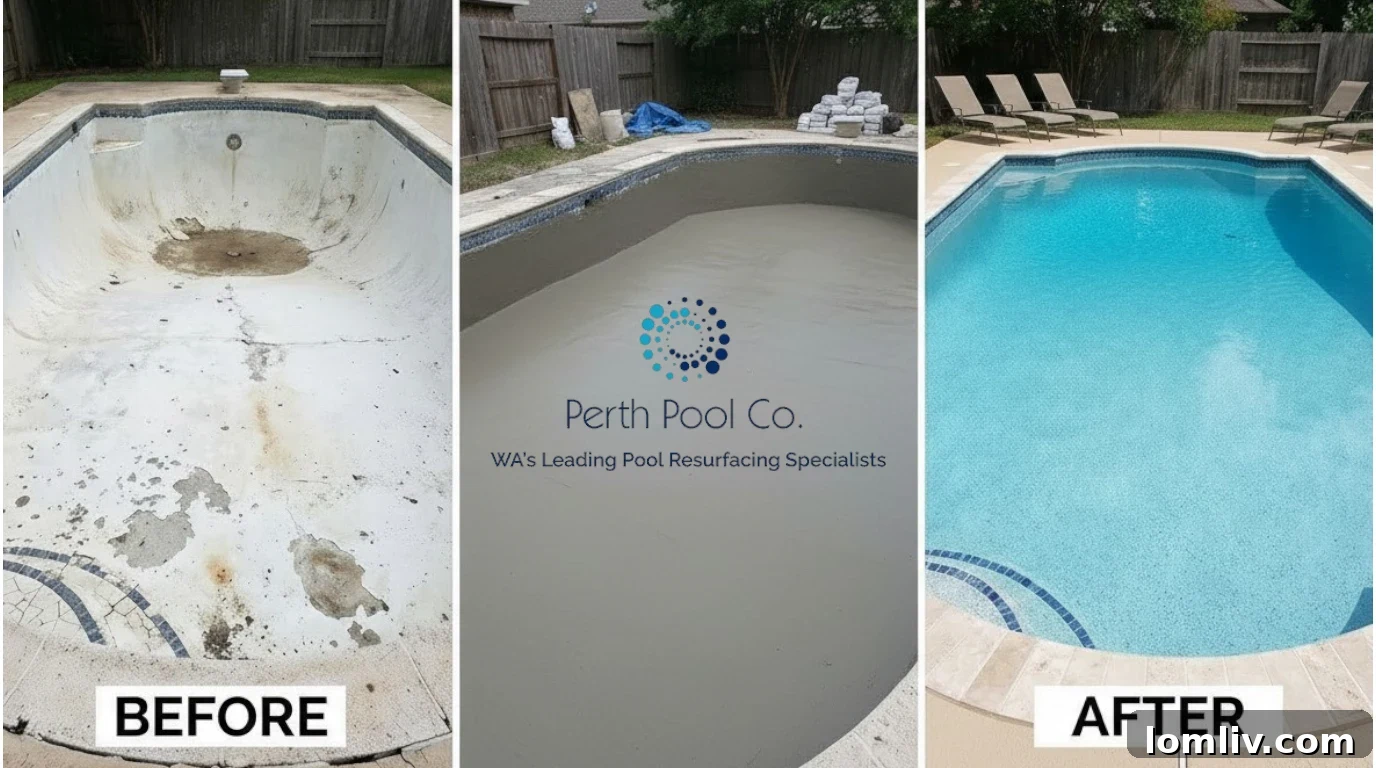
Concrete swimming pools have long been celebrated for their robustness, versatility, and enduring beauty. They offer homeowners a customizable oasis, built to withstand decades of enjoyment and countless memories. However, even the most meticulously constructed concrete pools are not entirely immune to the relentless forces of nature and continuous use. Over time, the vibrant allure of your backyard sanctuary can be diminished by the inevitable wear and tear that leads to various forms of damage, ranging from subtle cosmetic imperfections to significant structural compromises.
Factors such as natural ground movement, fluctuations in temperature, the constant presence of water, and the necessary but sometimes aggressive chemistry required to maintain pristine pool conditions all contribute to the gradual degradation of the pool’s shell. Cracks may emerge, the surface can begin to deteriorate, and insidious leaks might develop, threatening both the structural integrity and the operational efficiency of your pool.
The encouraging news for pool owners is that the vast majority of these issues are not only repairable but can be effectively and permanently resolved with the correct and timely pool concrete repair approach. Understanding the common problems and their appropriate solutions is key to preserving your substantial investment and ensuring your swimming pool remains a source of joy and relaxation for many years to come.
If your concrete pool is starting to show any signs of damage or distress, it’s crucial to address them promptly. This comprehensive guide will delve into the most prevalent issues affecting concrete pools, providing a detailed breakdown of their causes, typical symptoms, and the expert repair methods generally employed to restore your pool to its former glory. By recognizing the early signs of distress and taking proactive steps, you can significantly extend the lifespan of your concrete pool and avoid more extensive, costly interventions down the line.
Cracks in the Pool Structure: Diagnosis and Repair
Cracks are arguably one of the most common and often concerning issues encountered in concrete pools. While some cracks might appear purely cosmetic, merely affecting the surface finish, others can be indicative of more serious underlying structural concerns that demand immediate attention. Distinguishing between these types is critical for effective concrete pool crack repair.
Types of Cracks and Their Significance
- Hairline Cracks: These are typically fine, shallow cracks that usually appear on the surface plaster or finish. They are often caused by minor concrete shrinkage during the curing process, minor ground movement, or slight thermal expansion and contraction. While generally not structural, they can allow water to penetrate the substrate, potentially leading to larger issues if left unsealed.
- Structural Cracks: These cracks are significantly wider, deeper, and often extend through the concrete shell itself. They may appear diagonally, vertically, or horizontally across the pool surface, and can indicate significant stress, shifting ground, or underlying foundation issues. Structural cracks are a serious concern as they can lead to substantial water loss, compromise the pool’s integrity, and may even cause instability of the entire structure.
The repair strategy for cracks varies significantly based on their type and severity. Hairline cracks are typically addressed by cleaning the affected area and sealing them with high-quality epoxy or flexible polyurethane sealants that bond strongly with the concrete and adapt to minor movements. For more pronounced structural cracks, the approach is often more involved. It may require routing out the crack, cleaning it thoroughly, and then injecting it with specialized, high-strength epoxy or polyurethane materials under pressure. These materials penetrate deep into the crack, effectively bonding the concrete back together, restoring its strength, and preventing future water penetration and loss.
It is paramount to engage a professional for a thorough assessment to accurately determine the cause and severity of any cracks before initiating repairs. An expert can differentiate between cosmetic and structural damage, ensuring that the most appropriate and durable repair method is selected, thereby safeguarding your pool’s longevity.
Pool Leaks: Detection, Repair, and Prevention
Pool leaks, while sometimes difficult to detect in their early stages, are among the most problematic issues a pool owner can face. If left unaddressed, even a small leak can lead to significant water loss, inflated utility bills, damage to surrounding landscaping, and compromise the pool’s structural components.
Here are clear signs that your pool may be experiencing a leak:
- Unexplained Drop in Water Level: While some evaporation is normal, a noticeable and consistent drop in water level that exceeds typical evaporation rates (usually about 1/4 inch per day, depending on climate) is a strong indicator of a leak.
- Wet Areas Around the Pool: Puddles, soggy spots, or unusually lush patches of grass around the pool deck, especially when the sprinkler system isn’t running, can point to a leak in the pool shell or underground plumbing.
- Increased Water Bills: A sudden and significant spike in your water utility bill, despite no change in household usage, often signals that you’re constantly refilling a leaking pool.
- Cracks or Visible Damage: Leaks can sometimes originate from or exacerbate existing cracks in the pool shell or plumbing.
- Algae Growth Despite Chemical Treatment: A persistent leak can dilute pool chemicals, making it harder to maintain proper water balance and leading to recurrent algae outbreaks.
Repair solutions for leaks typically begin with precise leak detection. This often involves specialized techniques such as pressure testing of plumbing lines, dye testing in suspect areas of the pool shell, and sophisticated electronic leak detection equipment. Once the source is accurately located, repairs can range from sealing cracks or small holes in the shell with waterproof epoxies or hydraulic cement to more extensive pipe repairs that might require excavation. Waterproofing treatments, such as specialized coatings or membranes, can also be applied to the pool interior to create an impenetrable barrier and prevent future leakage. Early detection through regular monitoring and prompt action can save homeowners considerable time, money, and mitigate potential damage, making pool leak repair a critical maintenance aspect.
Surface Deterioration: Spalling, Scaling, and Erosion
The aesthetic appeal and longevity of a concrete pool largely depend on the condition of its interior surface. Over time, the plaster, marcite, or other finish can begin to break down, leading to various forms of surface deterioration such as spalling, scaling, or erosion. These issues manifest as rough patches, flaking, pitting, or a generally degraded appearance.
Common causes of surface deterioration include:
- Chemical Imbalance: Persistently low pH, high alkalinity, or aggressive water (known as “etching water”) can dissolve the calcium in the pool’s finish, leading to erosion and roughness. Conversely, high calcium hardness can lead to scaling.
- Age and General Wear: Even with perfect chemical balance, the pool’s surface naturally wears down over decades due to constant water exposure, UV rays, and physical abrasion from cleaning.
- Poor Initial Construction or Material Quality: If the original plastering or finishing work was not performed to high standards, or if low-quality materials were used, the surface may prematurely degrade.
- Freeze-Thaw Cycles: In colder climates, water trapped within micro-fissures in the surface can freeze, expand, and cause chipping or flaking (spalling).
Addressing surface deterioration promptly is essential not only for aesthetics but also for maintaining a safe and enjoyable swimming environment. Repairs usually involve a multi-step process: first, the existing damaged surface is meticulously prepared, which might include surface grinding, chipping, or sandblasting to remove all loose and compromised material. Following this, the pool interior is replastered or resurfaced with a fresh layer of material. Modern pool finishes offer a variety of options beyond traditional plaster, including durable quartz aggregate, smooth pebble finishes, or polished exposed aggregate coatings. These newer finishes provide enhanced durability, resistance to chemical etching, and a vastly improved aesthetic. This process not only dramatically improves the look and feel of the pool but also restores a smooth, non-abrasive, and safe surface for swimmers, significantly extending the life of the pool and reducing future maintenance needs.
Hollow Spots and Delamination: Understanding Bond Failure
Hollow spots and delamination are specific forms of surface deterioration that occur when the top layer of the pool finish (e.g., plaster or marcite) separates from the underlying concrete shell. This disbondment creates voids or “hollow” areas beneath the surface. You may first notice this issue by a distinct dull or hollow sound when tapping certain areas of the pool’s interior, particularly along the walls or floor.
This problem typically arises due to:
- Poor Bonding During Original Construction: Insufficient surface preparation of the concrete shell before the application of the finish, or improper application techniques, can lead to a weak bond that eventually fails.
- Water Infiltration: Water seeping behind the surface layer, often through hairline cracks or osmotic blistering, can exert hydrostatic pressure and weaken the bond, leading to further separation.
- Thermal Expansion and Contraction: Repeated cycles of heating and cooling can put stress on the bond between the finish and the concrete, eventually causing it to delaminate.
The repair method for hollow spots and delamination involves carefully identifying and removing the affected section of the pool finish. The underlying concrete is then thoroughly cleaned and prepared to ensure optimal adhesion. A new, properly bonded surface layer is then applied to the excised area, meticulously matching the surrounding finish for a seamless repair. Finally, the area is sealed to prevent future water infiltration and separation. Addressing these issues early is critical, as neglecting hollow spots can lead to larger sections failing over time, requiring more extensive and costly concrete pool resurfacing rather than localized repairs.
Rust Stains and Structural Corrosion: The Rebar Problem
One of the more serious, albeit less common, issues affecting concrete pools is the appearance of rust stains and, more critically, structural corrosion within the reinforcing steel (rebar) embedded within the concrete shell. Concrete pools rely on this internal steel framework for their structural integrity, and when this steel is compromised, it can have significant repercussions.
Clear signs of rust stains and structural corrosion include:
- Brown or Rust-Colored Stains: These stains typically appear on the pool’s surface, often originating from a specific point. They indicate that reinforcing steel beneath the surface has begun to corrode, and the rust byproduct is leaching through the concrete and finish.
- Cracking or Lifting Around Affected Areas: As steel corrodes, it expands (a process known as spalling). This expansion exerts immense pressure on the surrounding concrete, leading to visible cracks, delamination, or even sections of the concrete lifting or popping out. This is a clear indicator of active structural damage.
The fix for this problem is often more involved and requires specialized expertise. It necessitates carefully removing the damaged concrete and pool finish surrounding the rust. Once the corroded steel (rebar) is exposed, it must be thoroughly treated to neutralize the corrosion, or in severe cases, entirely replaced. Protective coatings are often applied to the rebar to prevent future corrosion. Following the treatment or replacement of the steel, the area is carefully rebuilt with new concrete or patching material, ensuring proper bond and structural integrity. Finally, the area is resurfaced or replastered to match the rest of the pool. This type of repair is crucial for the long-term durability and safety of the pool, preventing potential structural failure and further deterioration.
Movement and Settling Issues: Ground Dynamics and Pool Integrity
While concrete pools are built on stable foundations, they are not entirely immune to the dynamics of the surrounding environment. Ground movement, whether subtle or significant, can cause parts of the pool structure to shift, leading to uneven surfaces, unsightly cosmetic damage, and, more importantly, structural stress that can compromise the pool’s integrity.
Common indicators of movement and settling issues include:
- Uneven Coping or Tiles: Misaligned or detached coping stones or tiles around the pool’s perimeter often suggest differential settlement or movement of the pool shell.
- Cracks Forming in Multiple Areas: Unlike isolated shrinkage cracks, movement-related cracks often appear in various locations, sometimes running through multiple sections of the pool, indicating systemic stress.
- Gaps Between the Pool and Surrounding Surfaces: Visible separation or gaps developing between the pool deck, surrounding patios, or other landscaping features and the pool itself can be a clear sign of the pool shifting.
- Plumbing Leaks: Severe ground movement can strain and rupture underground plumbing lines connected to the pool.
The repair approach for movement and settling issues is complex and highly dependent on the root cause and severity. It often involves a combination of techniques, starting with a comprehensive geotechnical assessment to understand the underlying soil conditions. Solutions may include structural reinforcement of the pool shell, such as installing steel braces or pilings, to stabilize the structure. Existing cracks are meticulously repaired and sealed to prevent water ingress and further damage. In severe cases where the pool structure has significantly shifted or cracked, partial reconstruction of affected sections may be necessary to restore proper alignment and integrity. A professional structural engineer or pool repair specialist must conduct a critical inspection to accurately diagnose the problem and determine the most effective and safe course of action, ensuring a lasting repair.
Tile and Coping Damage: Beyond Aesthetics
While the tiles and coping around the edge of a concrete pool are not part of the core structural concrete shell, their condition is vital for both the aesthetics and the protection of the pool structure. Damaged tiles and coping can expose the underlying pool shell to moisture, contribute to leaks, and detract significantly from the pool’s overall appearance and safety.
Common problems associated with tile and coping damage include:
- Loose or Missing Tiles: Over time, grout can degrade, or the adhesive can fail, causing tiles to become loose or fall off. This is often due to age, poor installation, or freeze-thaw cycles in colder climates.
- Cracked Coping Stones: Coping, the material that caps the pool wall, can crack due to ground movement, impacts, or weathering. Cracked coping can create sharp edges, posing a safety hazard.
- Water Seeping Behind the Finishes: Gaps in the grout or cracks in the coping can allow water to seep behind the tiles and coping, potentially leading to delamination of the pool finish, mold growth, or damage to the bond beam.
Solutions for tile and coping damage focus on restoration and protection. This involves carefully removing and replacing any damaged or missing tiles with new ones that match the existing pattern and color. For loose tiles, they are reset with strong, waterproof adhesive and re-grouted. Cracked coping stones are either repaired with specialized patching compounds or, more commonly, replaced entirely. The grout lines between tiles and the joints between coping stones and the pool deck are meticulously sealed to create a watertight barrier, preventing water from getting behind the finishes. Beyond improving the overall appearance of the pool, these repairs are essential for maintaining the integrity of the pool’s edge, enhancing swimmer safety, and protecting the structural shell from water intrusion.
When Is Resurfacing the Better Option? A Comprehensive Restoration
While individual pool concrete repair techniques are highly effective for localized damage, there comes a point where a full concrete pool resurfacing becomes a more practical, cost-effective, and aesthetically rewarding option than a series of patch repairs. This decision often arises when a pool exhibits widespread deterioration rather than isolated problems.
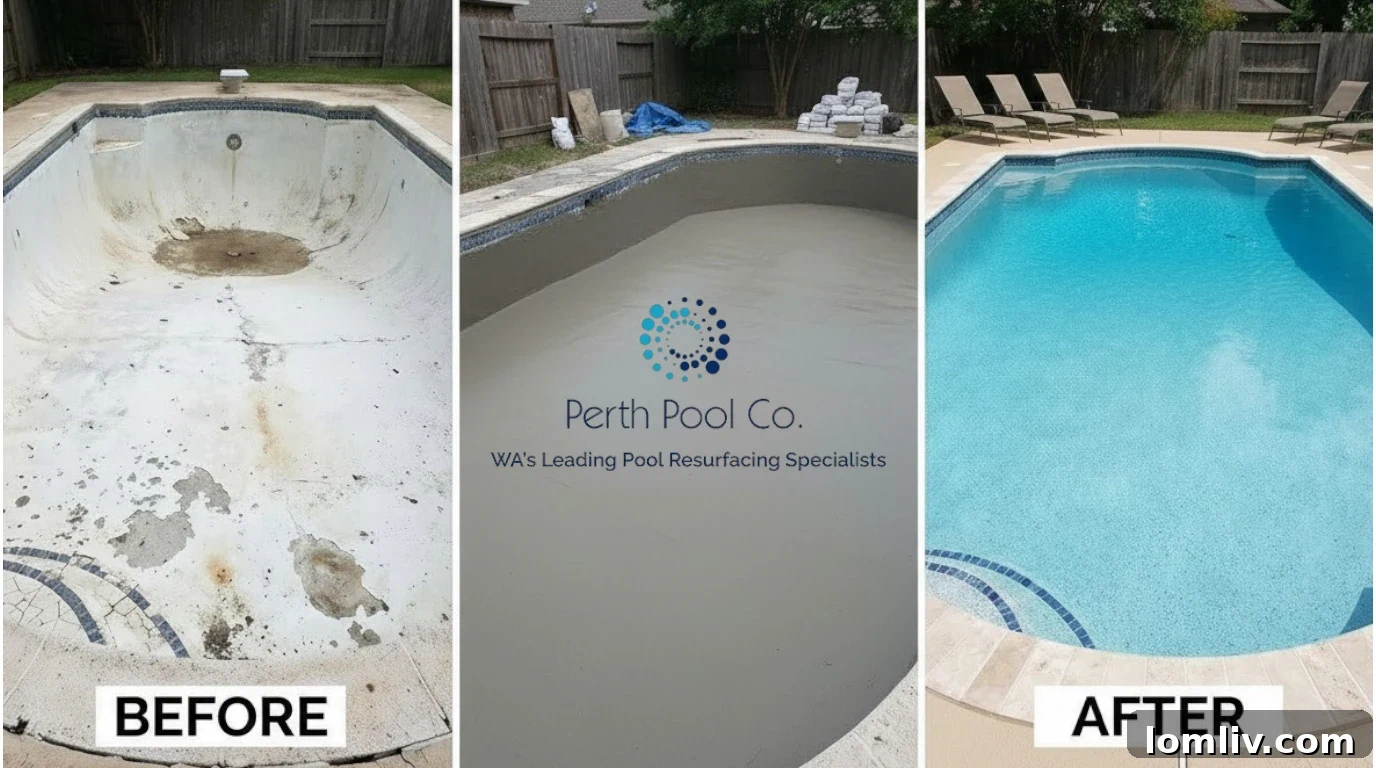
Consider full resurfacing if your pool has:
- Widespread Surface Damage: If the entire interior surface shows extensive etching, pitting, rough patches, or spalling beyond just a few localized spots.
- Multiple Cracks Throughout the Shell: While structural cracks require specific repair, if numerous non-structural cracks are appearing in various locations, resurfacing offers a uniform solution.
- An Aging or Deteriorated Finish: The existing plaster or finish has reached the end of its lifespan (typically 10-20 years for plaster) and looks dull, stained, or simply worn out.
- A Desire for a Modern Aesthetic Upgrade: Resurfacing is an excellent opportunity to completely transform the look and feel of your pool, updating it with contemporary finishes like quartz, pebble, or exposed aggregate, which offer superior durability and a wider range of colors and textures.
- Persistent Water Chemistry Issues: An old, rough surface can harbor algae and make it difficult to maintain proper water chemistry, leading to higher chemical consumption and maintenance effort.
Resurfacing involves a comprehensive process that begins with thoroughly preparing the existing surface, which often includes chipping out old plaster, hydro-blasting, or acid washing. This creates a clean, sound substrate for the new finish. Following preparation, a new finish layer is expertly applied. This could be traditional white plaster, colored plaster, quartz aggregates for added durability and sparkle, or luxurious pebble finishes for a natural, textured look. The benefits of resurfacing are extensive: it extends the life of your pool by providing a fresh, durable protective layer, addresses myriad minor surface imperfections in one go, dramatically enhances the pool’s aesthetic appeal, and often makes the pool easier to clean and maintain. It’s an investment that revitalizes your pool, making it feel brand new and ensuring many more years of enjoyment.
Preventing Future Concrete Issues: Proactive Pool Care
While some degree of wear and tear is an unavoidable consequence of owning a concrete pool, proactive and consistent maintenance can significantly reduce the likelihood of developing major issues and costly repairs. Adopting a preventative mindset is the most effective strategy for preserving your investment.
- Keep the Water Chemistry Balanced: This is perhaps the single most important preventative measure. Regularly test your pool water for pH, alkalinity, calcium hardness, and sanitizer levels. Imbalanced water can be corrosive (etching the surface) or scale-forming, leading to rapid deterioration of the pool finish and even damage to equipment. Invest in a good test kit and adjust chemicals as needed, or consider professional pool cleaning services to ensure consistent balance.
- Address Minor Cracks Early: Don’t wait for a hairline crack to become a structural concern. Small cracks can be easily cleaned and sealed with appropriate materials before they deepen, widen, or allow water to penetrate the concrete shell.
- Schedule Routine Professional Inspections: An annual or bi-annual inspection by a qualified pool technician can identify nascent issues that might be invisible to the untrained eye. Professionals can spot early signs of leaks, surface deterioration, or structural stress before they escalate into major problems.
- Maintain Proper Drainage Around the Pool: Ensure that your pool deck and surrounding landscaping are designed to drain water away from the pool structure. Poor drainage can lead to soil erosion, hydrostatic pressure buildup, or oversaturation of the ground around the pool, all of which can contribute to ground movement and structural stress.
- Clean Your Pool Regularly: Removing debris, leaves, and dirt prevents staining and reduces the burden on your filtration system, contributing to overall pool health.
- Winterize Properly (in cold climates): If you live in an area with freezing temperatures, proper winterization is crucial to prevent water from freezing in pipes or within the concrete, which can cause severe cracking and damage.
By implementing these preventative care strategies, you can significantly extend the lifespan of your concrete pool, maintain its pristine appearance, and ultimately save yourself from the inconvenience and expense of major repairs.
Final Thoughts: Invest in Your Pool’s Longevity
Concrete pools are indeed built to last, providing decades of enjoyment and enhancing the value of your property. However, like any significant structure, they require diligent maintenance and occasional repairs to withstand the elements and continuous use. From minor hairline cracks and insidious leaks to widespread surface deterioration, hollow spots, and structural corrosion, most issues affecting concrete pools can be effectively resolved with the right pool concrete repair techniques.
The key to cost-effective and successful pool maintenance lies in vigilance and timely action. If you’ve noticed any signs of damage, no matter how small they may seem, acting early is the absolute best way to avoid more extensive, complicated, and significantly more costly repairs down the line. Delaying repairs can turn a minor fix into a major overhaul, potentially compromising the safety and integrity of your entire pool structure.
For peace of mind and lasting results, always seek a professional assessment. A qualified and experienced pool repair specialist possesses the expertise to properly diagnose the root cause of the problem, recommend the most appropriate and durable solution, and execute the repairs to the highest standards. By entrusting your pool to experts, you ensure that it remains safe, fully functional, and continues to look its best, providing a beautiful and enjoyable oasis for you and your family for many years to come.