The Unfolding Saga of PD-15: Redevelopment and Community Discord in Preston Hollow, Dallas
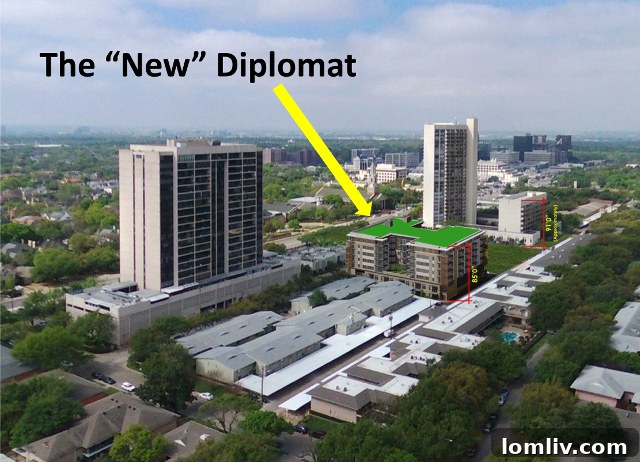
The urban landscape of Dallas is ever-evolving, and few areas encapsulate this dynamic tension between progress and preservation quite like Planned Development District PD-15. Situated on a pivotal stretch of Northwest Highway, adjacent to Preston Road and nestled behind the iconic “Pink Wall,” this small yet significant patch of land has become a focal point of intense debate and intricate maneuvering. It seems hardly a week passes without a new development, a fresh controversy, or a renewed push in the ongoing narrative surrounding PD-15’s future. From heated community gatherings to formal requests for transparency, the redevelopment plans for this district are keeping residents, developers, and city officials alike on their toes.
Recently, the Athena and Preston Tower communities engaged in what was described as a “fact-free punch-fest,” indicative of the deep-seated emotions involved. Following closely on its heels, the Preston Hollow East Neighborhood Association (PHENA), representing the single-family residences directly north of the Preston Hollow South Neighborhood Association, took its turn in the spotlight. For weeks, a small but increasingly vocal group of residents within PHENA had begun to emerge, stirring from what many perceived as a long slumber, now that the future of PD-15 is finally reaching critical junctures. While not everyone may follow every nuance of PD-15’s journey through various publications, the sheer volume of communications—emails, texts, social media posts, and website updates—from PHENA itself suggests widespread awareness. The cacophony of online discussions, gossip, and digital scrutiny on platforms like Nextdoor further underscores the high level of community engagement, albeit sometimes contentious. It’s clear that the ongoing redevelopment planning for PD-15 is a topic that has permeated deeply into the local consciousness, reaching even those who might typically remain detached. Considering that the Preston Place condos, a significant part of this district, tragically burned down nearly two years ago, one would almost have to be willfully disconnected to be unaware of the profound discussions and proposals shaping this area’s future.
The Precarious Dance of Zoning and Community Input
Unsurprisingly, many residents are now in a state of heightened agitation, feeling sidelined by the ongoing developments. These sentiments echo those expressed during previous controversies, such as the opposition to The Laurel development at Preston Road and Northwest Highway. Accusations are being exchanged with fervor, leading to formal open records requests aimed at unearthing communications between prominent PHENA figures, like President and PD-15 committee member Juli Black, and city officials. It appears some residents wish to halt the “development train” entirely until they can fully grasp and influence its direction. This is a common, often frustrating, dynamic in zoning cases. Dedicated individuals and teams meticulously work through complex proposals, only for others, who may have been less involved initially, to suddenly demand a complete halt, often challenging the established process. It is arguably easier to disrupt a carefully constructed plan than to be involved in its incremental, often arduous, formation.
The recent urgency culminated in a hastily arranged PHENA meeting, drawing approximately 80 residents and interested observers. The initial 45 minutes of the gathering were dedicated to meticulously reviewing all past communications between PHENA and its residents. This segment effectively built the case that, given the extensive outreach and public availability of information, any claims of ignorance regarding the ongoing processes were largely unfounded. The goal was to demonstrate that the neighborhood had been provided ample opportunity to stay informed, making any recent awakening seem belated.
Developer Proposals and Resident Reactions
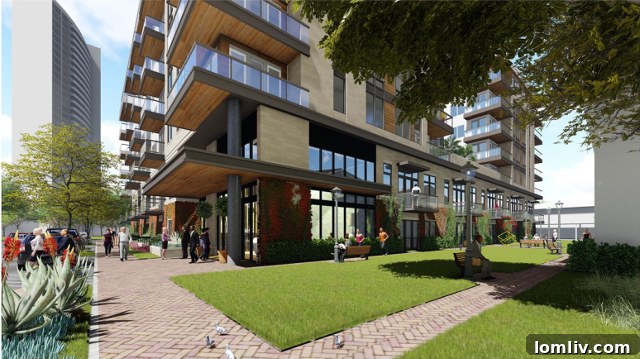
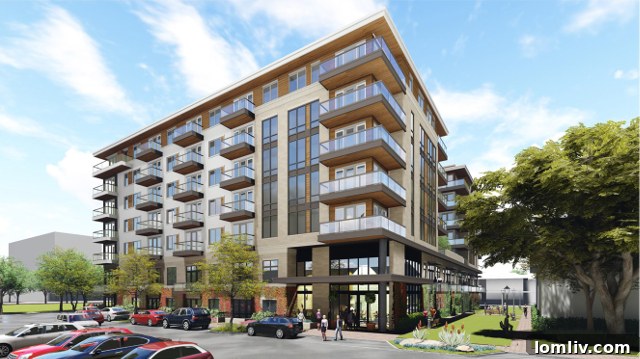
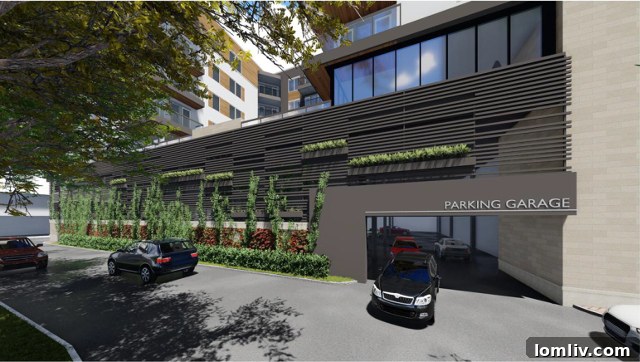
The latter half of the meeting featured presentations from the two key developers involved. The A.G. Spanos team unveiled their compelling vision for the Diplomat parcel, a proposal that generally met with a favorable reception from attendees. Their design emphasized integration and thoughtful urban planning, aiming to enhance the existing fabric of the community. In stark contrast, Mark Miller of Provident presented an updated vision for the Preston Place site. While specific details were not fully disclosed, the reaction from residents queried after the meeting indicated a widespread “aghast” response to Provident’s proposal, particularly its perceived ever-growing scale and density. This dichotomy in reception highlights the community’s nuanced preferences and anxieties regarding the future character of their neighborhood.
The Quest for Transparency: An Open Records Request
The heightened tensions surrounding PD-15 were further underscored by resident Richard Wynne, who filed a comprehensive open records request with the city. This action signals a determined effort to uncover the intricate web of communications that have shaped the redevelopment process. The request seeks extensive documentation, focusing on:
-
All communications (letters/memos/emails/text messages) between Council Member Jennifer S. Gates, her staff, or anyone acting on their behalf and Juli Black relating to PD-15, the formation of a steering committee relating to PD-15, and/or any proposed development within PD-15.
-
All communications (letters/memos/emails/text messages) between City Plan Commissioner Margot Brito Murphy, her staff, any staff members of the Dallas Plan Commission, or anyone acting on their behalf and Juli Black relating to PD-15, the formation of a steering committee relating to PD-15, and/or any proposed development within PD-15.
-
All communications (letters/memos/emails/text messages) from Jan. 1, 2017 to the present between Council Member Jennifer S. Gates, her staff, or anyone acting on their behalf and anyone employed by or affiliated with any real-estate development company relating to PD-15, the steering committee relating to PD-15, and/or any proposed development within PD-15.
-
All communications (letters/memos/emails/text messages) from Jan. 1, 2017 to the present between City Plan Commissioner Margot Brito Murphy, her staff, any staff members of the Dallas Plan Commission and anyone employed by or affiliated with any real-estate development company relating to PD-15, the steering committee relating to PD-15, and/or any proposed development within PD-15.
-
All communications (letters/memos/emails/text messages) between Council Member Jennifer S. Gates, her staff, or anyone acting on her behalf and any person employed by or affiliated with the Dallas Observer newspaper regarding an April 22, 2014 news article entitled, “In Preston Hollow Apartment Case, Staubach Gates Takes Recusing Herself to a New Level.”
-
All documents, internal or external (including electronic communications) relating to an April 22, 2014 Dallas Observer news article entitled “In Preston Hollow Apartment Case, Staubach Gates Takes Recusing Herself to a New Level.” This request shall include any communications between Plan Commissioner Margot Brito Murphy or her staff and City Council Member Jennifer S. Gates or her staff.
This extensive request casts a wide net, seemingly aiming to draw connections and establish a narrative between The Laurel project, the current PD-15 developments, and the various city officials and figures involved. A notable aspect of this request is its specific inclusion of current PHENA president Juli Black, yet it does not seek similar information for other PHENA board members involved in the earlier Laurel case. This selective targeting raises questions about the underlying motivations and specific focus of the inquiry, hinting at a potential strategy to highlight particular relationships or decision-making processes.
Echoes of Past Controversies and the Credibility of Communication
Revisiting The Laurel development offers a crucial context for understanding the current outcry over communication. Back in August 2015, a similar narrative unfolded when the then-PHENA board member and former president, Ashley Parks, successfully secured a delay from the City Plan Commission. Her argument hinged on the claim that neither she nor, by extension, the neighborhood had been adequately notified of the latest Laurel proposal, despite it having been publicly available since the previous March. Records at the time, however, showed numerous emails she had sent and received concerning the proposal. Furthermore, her husband was actively involved in a group of homeowners negotiating with Transwestern, the developer. This historical parallel suggests a pattern where claims of insufficient communication, despite readily available information, have been used to influence development timelines and outcomes.
Given this history, the current assertion by PHENA residents of being unaware or uninformed seems to face scrutiny. It’s difficult to conceive that individuals deeply invested in and vocal about the two-plus years of intense discussions surrounding The Laurel would so quickly drop their guard or lose track of developments concerning PD-15. Surely, any resident genuinely concerned about urban development in their immediate vicinity would have subscribed to communication channels from both the city and PHENA. It is reasonable to assume that at least one member of this dedicated, often protest-oriented, group would have been informed and, crucially, would have disseminated that information widely within the community. Protesters, by their very nature, tend not to conceal their intentions or sources of information; they actively seek to publicize them.
Therefore, an accusation of deliberate obfuscation of events within PD-15 appears to lack strong credibility, particularly when weighed against the sheer volume and accessibility of public communications. However, it is entirely plausible that the disagreement isn’t about *whether* information was communicated, but rather about the *nature* and *extent* of redevelopment that PHENA President Juli Black may have supported or implicitly endorsed. During committee meetings, Black reportedly acted as an “indulgent counterweight” to a “do nothing” approach from some tower residents, suggesting a more pragmatic or open-minded stance towards redevelopment. This generosity of vision, while potentially fostering progress, might not align with the expectations or desires of all PHENA residents, leading to internal discord and the current push for greater transparency and control.

About the Author and The Beat of Dallas Real Estate
The author specializes in the dynamic world of high-rises, homeowners’ associations (HOAs), and property renovation, with a keen appreciation for how modern and historical architecture balances against the burgeoning YIMBY (Yes In My Backyard) movement. This perspective offers a unique lens through which to analyze urban development and community dynamics in Dallas. The author’s commitment to insightful real estate journalism has been recognized by the National Association of Real Estate Editors, earning three Bronze awards in 2016, 2017, and 2018 for articles detailing housing styles, property taxes, and the Preston Place fire, respectively. Additionally, two Silver awards were received in 2016 and 2017 for exploring international second homes and Bermuda’s exclusive real estate market. For those with compelling stories, insights, or inquiries, please feel free to reach out via email at [email protected]. While social media presence is minimal, engagement through direct communication is always welcomed.