
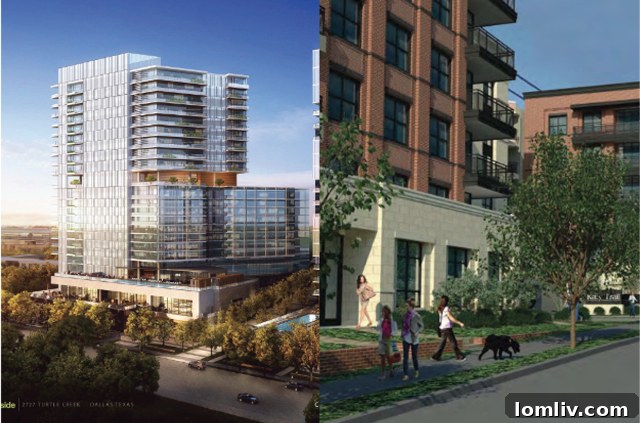
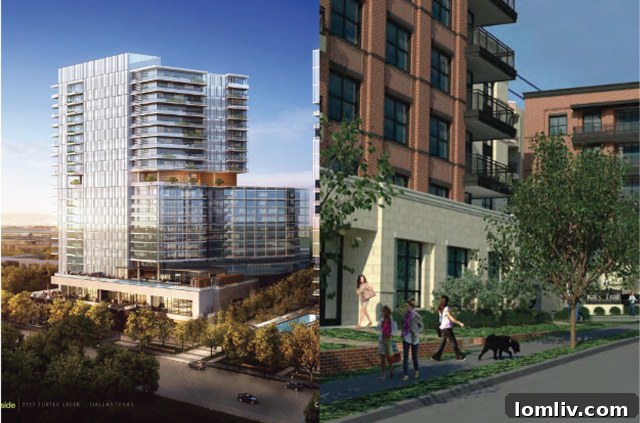
Serving as an (unpaid) member of the Dallas City Plan Commission (CPC) demands considerable dedication, often stretching into late-night sessions. Imagine the scene: it’s 9 p.m., commissioners have just returned from a brief 10-minute break, grabbing a quick bite before diving into yet another complex case. Following a series of lot replatting cases and a contentious mobile home park discussion in West Dallas, two distinct development proposals from the vibrant Oak Lawn area finally made their way to the horseshoe. By this time, many Dallas residents were likely well into their evening happy hour, unaware of the rigorous civic discourse unfolding.
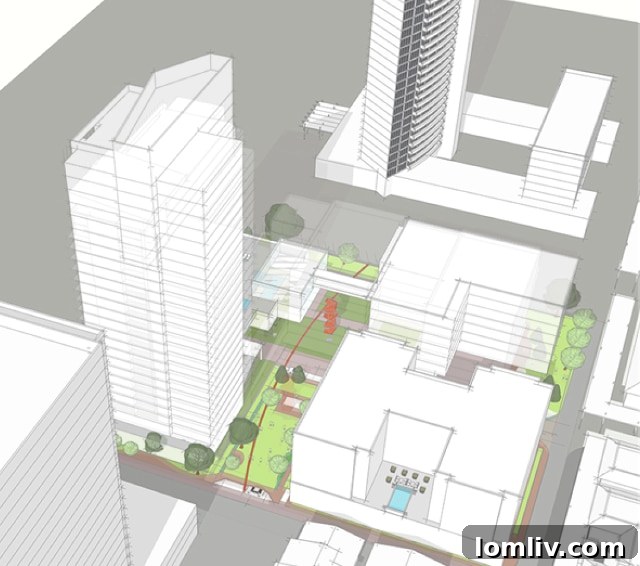
The inherent challenge of this role lies not just in the demanding hours, but in the sheer variety of cases presented in a single session. Commissioners might find themselves evaluating anything from a meticulously designed luxury development to a pragmatic “solid waste disposal” facility. It’s a true roller coaster ride, transitioning from the architecturally inspiring to the mundanely essential aspects of city planning. On this particular evening, the journey included both the highly anticipated and generally well-received 2727 Turtle Creek mixed-use development and the frequently debated Lincoln Katy Trail project.
Another common frustration for those involved in urban planning debates is the recurring sentiment from community objectors, often prefaced with the seemingly conciliatory phrase: “I’m not opposed to development, but…” This ubiquitous statement frequently signals a deeper, often localized, opposition despite the disclaimer, highlighting the perpetual tension between urban growth and existing community concerns.