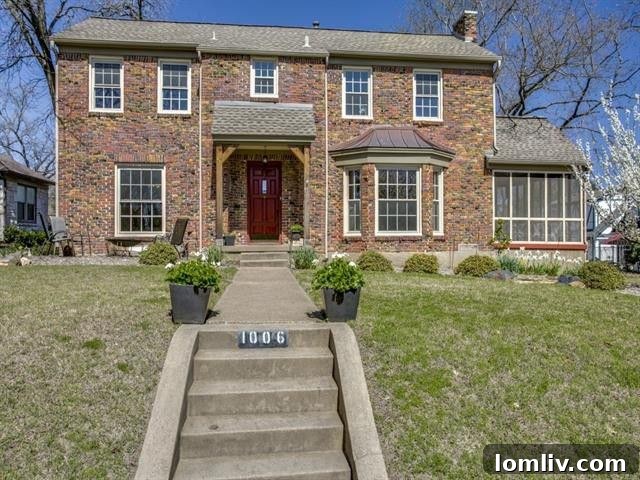
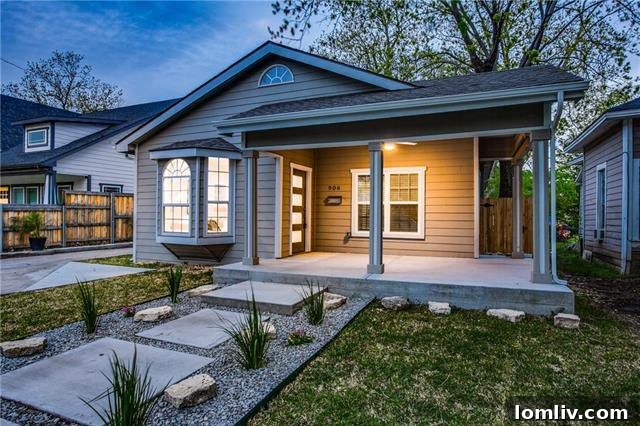
Circa 1924
Sunset Hill Dallas: A Journey Through History, Architecture, and Enduring Charm
Nestled within the heart of Dallas’s historic Oak Cliff district, the Sunset Hill neighborhood stands as a vibrant testament to the city’s rich past and evolving landscape. What began as a vast 19th-century farm has gracefully transformed into one of Dallas’s most architecturally significant and culturally rich communities. Sunset Hill captivates residents and visitors alike with its tree-lined streets, diverse housing styles, and a profound sense of history that echoes through its every corner. This article delves into the fascinating origins, remarkable development, and the enduring legacy that makes Sunset Hill a truly unique and cherished Dallas gem, a place where the stories of generations are etched into its very foundations.
From Farmland to Flourishing Suburb: The Early Days of Sunset Hill
John Merrifield’s Vision and Resistance to Urban Sprawl
The narrative of Sunset Hill is intricately woven with the pioneering spirit of John Merrifield, a determined farmer who established his extensive estate around 1843. His farm was more than just land; it was a cornerstone of the nascent agricultural economy surrounding early Dallas, representing years of dedication and hard work. As Dallas began its rapid expansion, the pressure of urban development became an undeniable force. Merrifield, keenly aware of the encroaching progress, took significant steps in his later years to safeguard his family’s heritage and the integrity of his agricultural domain. Before his death in 1873, he strategically acquired an additional 1,000 acres of land. This substantial purchase was a deliberate effort to create a protective buffer, particularly against the burgeoning Hord’s Ridge development that was quickly emerging near the eastern borders of his cherished farm. Merrifield’s actions profoundly illustrate his unwavering commitment to preserving his family’s way of life and resisting the relentless march of urbanization.
The Dawn of Development: Oak Cliff’s Influence and Sunset Hill’s Rise
Despite John Merrifield’s prescient efforts and his desire to preserve his family’s vast land, the tide of progress proved unstoppable. After his passing, while initially expanded by his son, the sprawling Merrifield farm eventually underwent a pivotal division among his grandchildren. By the 1890s, this once-unified agricultural expanse began its transformation, paving the way for the residential development that would define Sunset Hill. This period was critical, occurring parallel to the resounding success of Thomas Marsalis’s groundbreaking Oak Cliff subdivision. Marsalis’s vision for a planned community across the Trinity River showcased the immense demand for suburban living, characterized by spacious lots and elegant homes. This triumph provided a powerful model and a compelling allure for affluent buyers, who, seeking similar opportunities for sophisticated living, increasingly gravitated towards Sunset Hill. They eagerly purchased lots and commissioned the construction of grand residences, envisioning a tranquil yet distinguished lifestyle within convenient reach of Dallas. By the turn of the 20th century, Sunset Hill was firmly established as a premier residential destination, shaped by both its agricultural past and the ambitious spirit of its new, discerning inhabitants.