
“Historic preservation is the dynamic and deliberate process through which we decide what to keep from the present for the future, and then working to keep it.” —W. Brown Morton
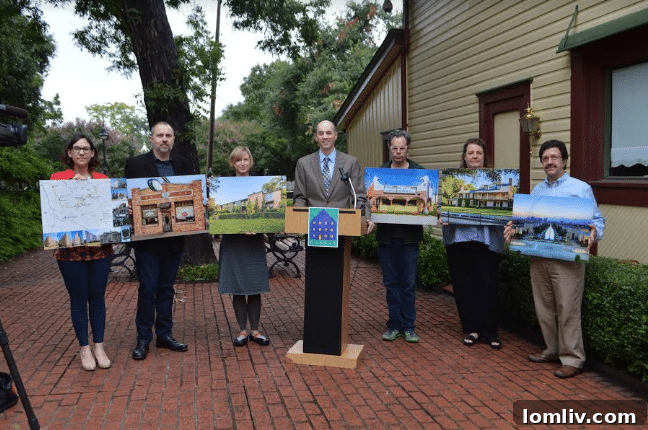
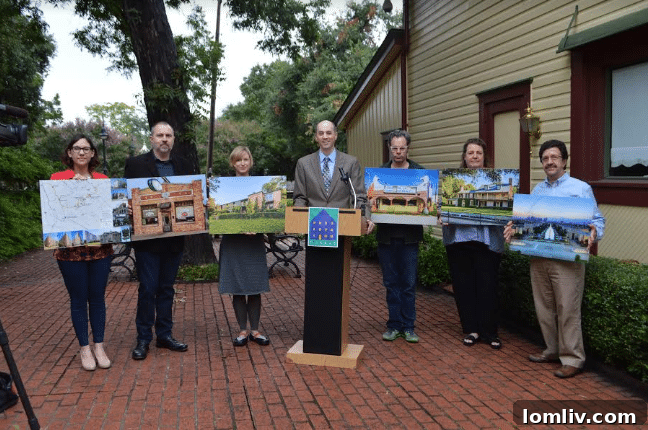
The urban landscape of Dallas, a city celebrated for its dynamic growth and modern development, is also home to a rich tapestry of history, woven into the very fabric of its buildings and neighborhoods. Yet, many of these architectural treasures face an increasingly uncertain future, caught between the march of progress and the vital need to honor the past. Today, Preservation Dallas, a leading advocate for the city’s heritage, held a significant press conference to announce their 2016 “Most Endangered Historic Places in Dallas” list.
This annual compilation is more than just a list; it’s a critical call to action, highlighting properties deemed too important to lose, whose historic integrity is at risk of being diminished, or whose potential to serve the community is threatened. David Preziosi, Executive Director of Preservation Dallas, emphasized that these sites are foundational to Dallas’s unique identity, irreplaceable community assets that collectively narrate the city’s complex development and evolution.
“This list serves as an indispensable roadmap for advocacy, education, and the strategic development of programs within the preservation community,” Preziosi stated, underscoring its role in addressing the urgent needs of these endangered properties. “We bear a collective responsibility to work diligently in protecting the places on this list, for they are integral to the history and cultural fabric of Dallas. Once these invaluable landmarks are lost, they are lost forever, taking with them a piece of our shared heritage.”
Nicky DeFreece Emery, Board President of Preservation Dallas, echoed this sentiment, expressing hope that the list would elevate public awareness regarding the multitude of significant historic buildings teetering on the brink of permanent loss. “Preservation Dallas views this list not merely as a warning, but as a pivotal opportunity for all Dallas citizens and stakeholders to engage in more thoughtful and sustainable planning regarding how our city continues to grow and develop,” Emery added. The importance of these historic places extends beyond their aesthetic appeal; they are essential for understanding our past, shaping our present, and inspiring our future. While some of the properties, like East Dallas’ beloved Elbow Room, might not surprise those familiar with local preservation efforts, others on the list are truly unexpected. Read on to discover the full scope of Dallas’s most vulnerable historic sites and the stories they tell.