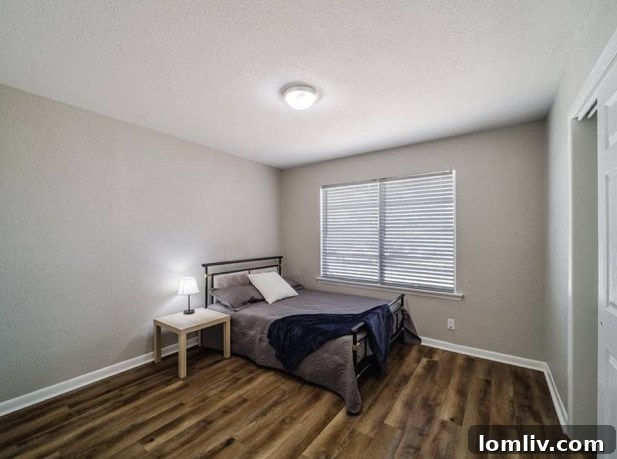
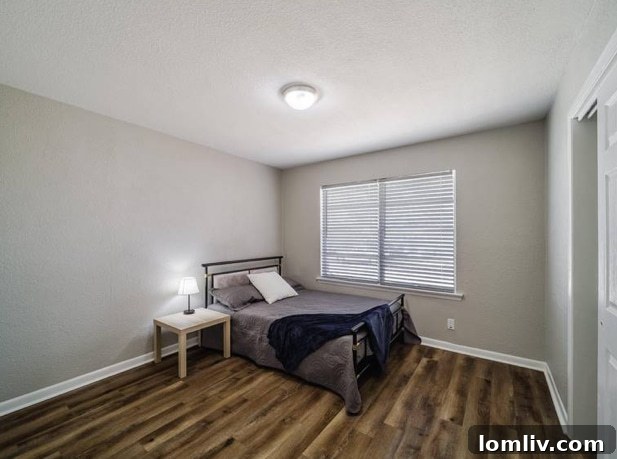
The dynamic real estate landscape of Dallas-Fort Worth continues to evolve, marked by an ongoing and fervent debate surrounding short-term rentals within residential communities. As cities grapple with balancing the economic benefits of tourism and flexible housing with concerns from long-term residents, a unique room-sharing platform, PadSplit, has quietly entered the DFW market. While not yet commanding the widespread attention of giants like Airbnb or Vrbo, PadSplit presents an intriguing, albeit controversial, model for affordable, flexible housing that warrants closer examination.
The DFW metroplex is no stranger to innovative rental solutions. Hundreds of properties across the region are actively listed on popular short-term rental sites such as Airbnb and Vrbo, catering to tourists, business travelers, and those seeking temporary stays. Beyond traditional home rentals, platforms like Swimply have carved out a niche by allowing individuals to rent private swimming pools by the day, demonstrating a growing appetite for specialized sharing economies. However, PadSplit differentiates itself significantly by focusing specifically on providing affordable, single-room accommodations, primarily for individuals seeking longer-term, yet flexible, weekly or bi-weekly stays.
Atlanta-based PadSplit positions itself as a solution to the affordable housing crisis, aiming to provide accessible accommodation options for the workforce. Currently, the platform lists a limited number of properties in the Dallas-area, showcasing rooms for rent with weekly rates starting as low as $159. This model directly addresses a segment of the population often overlooked by traditional rental markets and standard short-term platforms, targeting those who might struggle to afford conventional monthly leases or who require more flexible living arrangements.
A representative for PadSplit clarified the platform’s strict eligibility criteria, emphasizing that rooms are offered exclusively to individuals. This policy explicitly excludes spouses, children, or pets, streamlining the living environment and focusing on single-occupancy units. Rental payments are structured weekly or biweekly, providing flexibility that traditional leases typically do not. A nominal $19 application fee is required to initiate the rental process. While the platform aims for broad applicability, the representative was unable to provide specific details regarding PadSplit’s compliance with Dallas’s unique city codes and complex zoning designations, a critical area given the current regulatory climate surrounding residential rentals in the city.
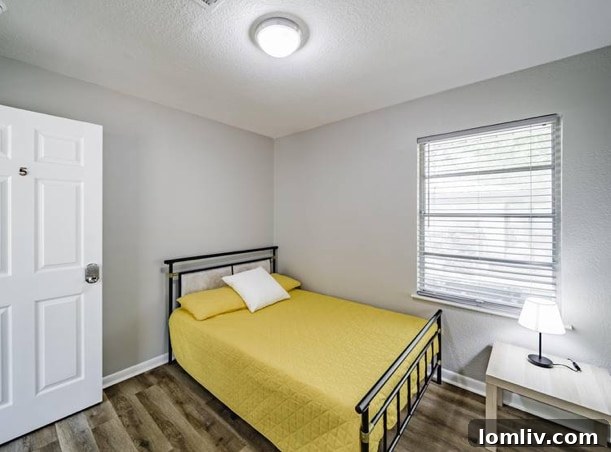
PadSplit markets itself as offering “more of a home than a hotel,” attempting to blend the comfort of a residential setting with the practicality of a managed rental. A cornerstone of its operational model involves rigorous user verification through background checks, a measure designed to “ensure a safe home environment” for all residents. This emphasis on safety and community is crucial for a shared living model, aiming to mitigate potential issues and build trust among occupants.
The broader context for PadSplit’s emergence in DFW is shaped by Dallas’s ongoing struggle to regulate short-term rentals. The Dallas Plan Commission has been actively reviewing city code amendments concerning such platforms, and a definitive City Council decision is anticipated. This decision could significantly restrict or even prohibit short-term rentals in residential neighborhoods, a move driven by concerns over noise, parking, and maintaining neighborhood character. Major players like Airbnb have already responded to community feedback by officially banning “party houses,” an effort many believe helps address the primary sources of complaints regarding noise disturbances and code violations in residential areas. PadSplit’s model, focused on individual long-term room rentals, arguably presents a different challenge to regulators than the typical whole-home short-term rental, potentially allowing it to navigate some of these upcoming restrictions differently.
PadSplit, which has been operational for four years, currently holds a 2.85-star rating out of five from reviews compiled by the Better Business Bureau (BBB). Despite this seemingly modest rating, the platform proudly claims that an impressive 80 percent of its users would recommend PadSplit to a friend, suggesting a divergence between general public sentiment and the experiences of its core user base. The company actively engages with complaints filed through the BBB, consistently stating its foundational mission to combat the broader housing crisis by “leveraging housing as a vehicle for financial empowerment.” This bold claim positions PadSplit not merely as a rental service but as a social enterprise dedicated to fostering economic stability through accessible housing. Over the past three years, the platform has faced 48 complaints filed through the BBB, indicating areas where its operational model or customer service may need refinement to consistently meet user expectations.
Exploring PadSplit’s Market Presence and Listings in Texas
PadSplit strategically entered the robust Texas market in 2020, backed by approximately $10 million in financing, as reported by TechCrunch. Despite this significant investment, the platform has yet to achieve the same level of widespread popularity or market penetration as other, more established short-term rental alternatives across the state. While its presence in Dallas proper remains minimal, perhaps due to the city’s complex and highly publicized debates surrounding home-sharing regulations, PadSplit has successfully expanded its footprint into numerous other Texas cities. Its available rooms can be found in key metropolitan areas and surrounding communities, including Arlington, Fort Worth, Galena Park, Pasadena, Baytown, Houston, and San Antonio. This broader statewide presence suggests a strategic focus on diverse markets where the need for affordable, flexible housing is particularly acute, and regulatory environments may be more accommodating.
In the Dallas-Fort Worth metroplex, specific examples of PadSplit’s operational model can be observed. Green Light Property Management, a local real estate firm, actively lists several rooms on the PadSplit platform. For instance, in Haltom City, they offer two distinct rooms within the same brick residential home, priced at $169 and $176 per week, respectively. The slight variation in price often reflects added amenities or space, such as a coveted walk-in closet, an attached private bathroom, or simply a larger overall floor plan, providing renters with options tailored to their budget and comfort preferences. The availability of such listings underscores PadSplit’s unique approach to leveraging existing residential properties to create a network of affordable, individual room rentals.
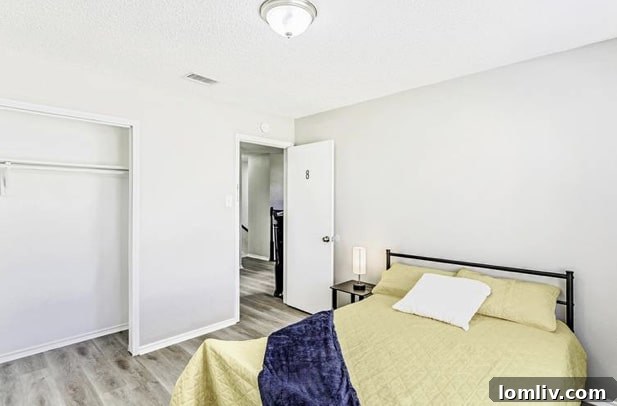
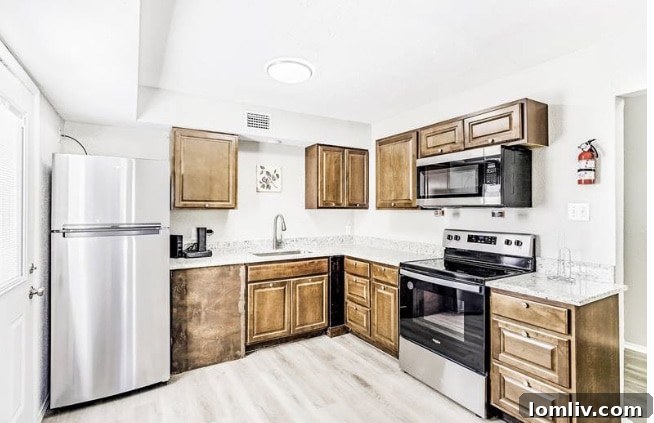
These PadSplit rooms typically come furnished, offering a move-in ready solution, though guests are generally expected to provide their own bed linens. The communal aspect is central to the PadSplit experience, with residents sharing key amenities such as a dining area, a washer and dryer, and a fully equipped kitchen. This shared-space model fosters a co-living environment, promoting interaction while keeping rental costs low. Entry to these properties is often managed via a coded keypad, enhancing security and providing convenient, keyless access for all residents. Beyond Haltom City, Green Light Property Management also manages a home available through PadSplit in east Arlington, further diversifying the platform’s regional offerings. Efforts to obtain a comment from officials at Green Light Property Management by Daltxrealestate.com were unsuccessful. Other notable PadSplit listings in the broader area include homes situated in Fort Worth’s established Willow Creek and Falcon Ridge Legacy neighborhoods, indicating a presence in various types of residential communities. For hosts interested in joining the platform, PadSplit mandates specific requirements, including that all hosts are required to carry both property insurance and general liability insurance, ensuring a level of protection for both the homeowner and the residents.
Navigating the Controversy: Is PadSplit Truly Solving the Housing Crisis?
Despite PadSplit’s stated mission to address the affordable housing crisis, the platform has faced significant scrutiny and criticism regarding its operational model and its actual impact. A compelling review published in The Startup highlighted a critical concern: it argues that PadSplit neither genuinely solves the underlying housing affordability crisis nor does it clearly define the relationship between its “members” (tenants) and “hosts” (landlords) in a legally robust manner. This ambiguity creates a contentious environment, especially concerning tenant protections.
The article powerfully asserts, “PadSplit seeks to exist in a legal gray area by telling its ‘members’ they don’t have tenancy rights.” This particular claim is central to the debate, as it suggests that by labeling occupants as “members” rather than tenants, PadSplit might attempt to circumvent traditional landlord-tenant laws. This alleged strategy could allow the platform to sidestep costly and time-consuming eviction proceedings, potentially enabling a constant turnover of residents. Critics argue that this model could lead to situations where individuals are quickly removed and replaced if they encounter financial difficulties, creating a precarious living situation. The PadSplit member agreement itself states, “This is not a lease…”, further fueling the discussion around the extent of legal protections afforded to those residing in PadSplit properties.

Adding to the critique, another impactful article featured in The New Republic went further, controversially labeling these shared living spaces as “flophouses.” This piece recounted troubling stories from former tenants who claimed they were locked out of their accommodations for failing to make timely rent payments. Such accounts raise serious questions about the ethical implications of the platform’s policies and the vulnerability of its users, many of whom are likely in precarious financial situations. The term “flophouse” conjures images of transient, unregulated, and often substandard housing, directly contradicting PadSplit’s branding as a safe and empowering housing solution.
In response to these criticisms, PadSplit steadfastly maintains that its niche lies in providing a specialized co-living marketplace specifically designed to cater to the workforce. The platform highlights its distinct operational model, asserting that it skillfully “aligns incentives for property owners, cities, businesses, and workers.” According to the company’s official site, this alignment results in significant financial benefits for homeowners, averaging “more than double net operating income,” thereby encouraging more property owners to convert their spaces into affordable PadSplit units. This perspective frames PadSplit as an innovative economic model that benefits multiple stakeholders while simultaneously addressing a pressing societal need for affordable living options. The challenge, however, remains in ensuring that these economic incentives do not come at the expense of tenant rights and stable, dignified housing conditions.
The Broader Picture: Affordable Housing in Dallas-Fort Worth and the Future of Co-Living
The Dallas-Fort Worth metroplex, like many rapidly growing urban centers, faces a significant and escalating affordable housing crisis. Rising property values, increasing rental costs, and a widening gap between wages and living expenses have made it increasingly difficult for many residents, particularly those in the workforce or on fixed incomes, to find stable and affordable accommodation. This challenging environment creates fertile ground for innovative, albeit sometimes controversial, solutions like PadSplit. The platform’s entry into the DFW market is a direct response to this unmet demand for flexible, low-cost housing options.
PadSplit’s co-living model represents one approach to maximizing housing density and affordability within existing structures. By dividing single-family homes into multiple individual rooms, each rented out separately on a weekly or bi-weekly basis, the platform aims to make housing accessible at a price point often unattainable in the traditional market. This model not only provides immediate financial relief for individuals but also offers an income stream for property owners, potentially incentivizing the creation of more such units. However, the questions surrounding tenant rights, regulatory oversight, and the quality of living conditions remain paramount. For Dallas and other DFW cities, the presence of platforms like PadSplit necessitates a careful re-evaluation of zoning laws, tenant protection policies, and how these new models integrate into the broader urban planning framework.
As the debate surrounding short-term rentals continues to shape the future of residential living in Dallas, PadSplit occupies a unique position. It operates in a space that is neither a conventional long-term lease nor a typical short-term vacation rental, thereby potentially falling outside the direct purview of regulations designed for either category. This “legal gray area,” while perhaps offering operational flexibility, also demands clarity and robust oversight to protect vulnerable populations. The success and longevity of PadSplit, and similar co-living initiatives, will ultimately depend on their ability to strike a delicate balance between affordability, profitability, and, most importantly, ensuring fair and equitable living conditions for all residents.
The future of affordable rentals and co-living spaces in DFW is undoubtedly complex. While platforms like PadSplit offer a compelling solution for individuals seeking flexible and budget-friendly housing, their integration into existing communities and regulatory frameworks requires thoughtful consideration and proactive engagement from all stakeholders. Understanding the full impact of these emerging models—both positive and negative—will be crucial for fostering a sustainable and inclusive housing market in the Dallas-Fort Worth region.
Have you hosted or lived in a PadSplit property in the Dallas-Fort Worth area? We invite you to share your experiences and insights as we continue to explore the evolving landscape of affordable housing and rental solutions.