Maximize Your Home’s Value: Expert Home Staging Tips for the Dallas Real Estate Market
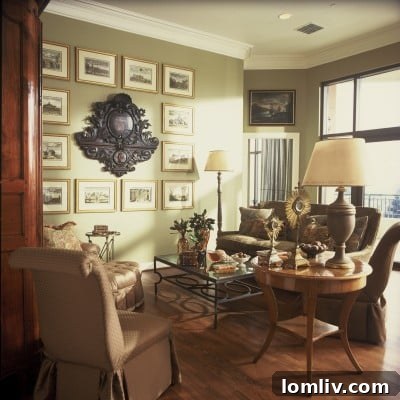
As the Dallas real estate market heats up, homeowners looking to sell often seek an edge to stand out. In a competitive environment, simply listing your property isn’t enough to guarantee a quick and profitable sale. This is where the power of home staging comes into play. Veteran interior designer Margaret Chambers, a respected voice in the Dallas design community, offers invaluable advice on transforming your home to captivate prospective buyers and secure the best possible offers.
Understanding how to present your property in its best light is paramount, especially when preparing for professional real estate photography – an investment we highly recommend. Join us as we delve into Margaret Chambers’ expert strategies, designed to elevate your home’s appeal and ensure it makes an unforgettable first impression on the discerning Dallas market.
Why Home Staging is Crucial in a Competitive Market
If you’re finding it challenging to sell your home, or if it’s been sitting on the market longer than anticipated, you’re likely wondering what steps you can take. Real estate experts and seasoned investors consistently agree: home staging is the definitive answer for achieving a swift sale and maximizing your profit. A strategically staged home not only sells two to three times faster than an empty or unattractively furnished property, but it also commands a higher selling price, significantly boosting your return on investment.
In a dynamic market like Dallas, where inventory can fluctuate and buyer expectations are high, presentation is everything. Staging goes beyond simple decorating; it’s about marketing your home to its fullest potential, highlighting its best features, and allowing buyers to envision themselves living in the space.
The Psychology Behind Effective Home Staging
Home staging leverages psychological principles to influence buyer perception. When a potential buyer walks into a beautifully staged home, they’re not just seeing rooms; they’re experiencing a lifestyle. Staging helps create an emotional connection, making the property feel aspirational and move-in ready. It subtly guides the buyer’s eye to positive attributes, drawing attention away from minor imperfections, and fosters a sense of warmth and welcoming.
This carefully crafted environment enables buyers to form a strong, positive impression within moments, which is critical since most buyers make up their minds about a property within the first few minutes of a showing. A well-staged home communicates care, quality, and value, giving buyers fewer reasons to hesitate and more reasons to make a competitive offer.
Is Home Staging Right for You? Key Questions to Ask
Deciding whether to invest in home staging can be a critical step in your selling journey. If you’re unsure whether it’s the right time or strategy for your property, ask yourself the following questions. Your answers can provide clear insights into your home’s market performance and the potential benefits of staging:
- Have you had numerous potential buyers tour your home, yet received no offers? This often indicates that while the location or general features are appealing, the presentation isn’t resonating enough to close a deal.
- Have similar homes in your neighborhood or comparable areas sold quickly, while your home remains on the market? If your property is lagging behind the competition, staging can be the differentiator that makes it stand out.
- Are you contemplating lowering your asking price to attract buyers? Before reducing your price, which directly impacts your profit, consider staging as an alternative. Often, a relatively small investment in staging can prevent a much larger reduction in your sale price.
- Is your home currently empty, or does it feature outdated/minimal furnishings? Empty homes can feel cold and uninviting, making it difficult for buyers to visualize scale and potential.
- Are you receiving feedback that your home feels cluttered, too personal, or simply “doesn’t show well”? These are direct signals that your home’s presentation is a barrier to sale.
If you answered “yes” to any of these questions, a consultation with a home stager is a highly recommended next step. While home staging is not a licensed profession, the expertise it brings is invaluable. Therefore, it’s crucial to do your homework: always ask to see a stager’s professional portfolio and request a list of references to ensure you’re working with a reputable and experienced expert.
Professional vs. DIY Home Staging: What You Need to Know
Whether you opt for a professional stager or decide to tackle the project yourself, there are fundamental principles that will significantly enhance your home’s market appeal. Both approaches aim to create an inviting, neutral, and aspirational environment for potential buyers, but they differ in scope, expertise, and investment.
The Value of a Professional Home Stager
Engaging a professional home stager, like Margaret Chambers, offers a distinct advantage. An experienced stager brings an objective eye to your property, identifying areas that need improvement that you, as the homeowner, might overlook due to personal attachment. They possess a deep understanding of design principles, current market trends, and buyer demographics, allowing them to tailor the staging specifically for your home’s style and target audience.
Professional stagers often have access to a curated inventory of furniture, artwork, and accessories, ensuring a cohesive and sophisticated look without requiring you to purchase new items. They can expertly define spaces, highlight architectural features, and optimize lighting, creating an overall impression that resonates deeply with buyers. This level of expertise can significantly reduce your home’s time on the market and potentially increase its selling price beyond the cost of staging itself.
Effective DIY Staging Strategies
Even if you choose not to work with a professional stager, there are numerous simple yet impactful actions you can take to create a fantastic first impression. These DIY tips focus on maximizing curb appeal and optimizing interior spaces:
Boosting Curb Appeal: The Exterior First Impression
The exterior of your home is the first thing potential buyers see, making curb appeal paramount. Start by ensuring your porch and pathways are clear of any clutter, leaves, or debris. A fresh coat of paint on your front door can work wonders, instantly updating the entrance and making it more welcoming. Consider painting it a modern, appealing color that complements your home’s exterior. Placing vibrant pots of fresh flowers or well-maintained potted plants near the entrance adds a touch of life and color. Finally, ensure your lawn is meticulously manicured, hedges are trimmed, and any weeds are removed. These small efforts help draw prospective buyers eagerly to your door.
Optimizing Interior Presentation: Declutter, Depersonalize, and Brighten
Once inside, potential buyers want to envision themselves living in the home, not admiring your personal life. Begin by clearing your closets, shelves, and countertops of excess clutter and personal items. This means packing away family photos, unique decor, and any items that make the space feel cramped or overly specific. Buyers need to see generous storage space, not how full your storage already is.
If your wallpaper is dated or busy, removing it and applying a fresh coat of paint is a highly effective update. When in doubt, always choose neutral colors like light grays, warm whites, or subtle beiges for walls. These colors create a clean, expansive backdrop that appeals to a broader audience and allows buyers to mentally “decorate” with their own style. Ensure all light fixtures are clean and functioning, and consider upgrading to brighter, warmer bulbs to make rooms feel more inviting. Arrange furniture to maximize space and create clear pathways, fostering a sense of flow throughout the home.
Debunking Common Myths: Why an Empty Home Doesn’t Sell Itself
A persistent myth in real estate suggests that showing an empty home is preferable to a furnished one, based on the idea that it allows buyers a “blank canvas.” However, professional interior designers and top real estate agents widely refute this notion. The truth is, an empty home often works against the seller, making it harder to connect with buyers and leading to undesirable outcomes. Margaret Chambers, from her extensive experience, highlights three crucial reasons why:
- Empty Rooms Highlight Flaws: When a room is empty, potential buyers inevitably focus on the house’s imperfections, such as scuffs on walls, floor wear, or less-than-perfect paint jobs, instead of falling in love with the overall potential and feel of the space. Furniture strategically placed can artfully distract from minor flaws and draw attention to the room’s best features.
- Difficulty in Visualization: Many people struggle to visualize how furniture will lay out in an empty room, or how large a room truly is. Without context, spaces can feel smaller or larger than they are, leading to confusion or skepticism. If buyers are uncertain about how their own furniture will fit or how they’ll use the space, they are far less likely to commit to a purchase. Staging provides a clear blueprint, making visualization effortless.
- Negative Buyer Assumptions: Empty rooms can inadvertently trigger negative questions and assumptions in a buyer’s mind. “Are they selling because they have money problems?” “Is this a divorce?” “Maybe we can put in a lowball bid and get this house for cheap.” These unspoken concerns can quickly erode confidence and encourage buyers to offer less than the property is truly worth, or to avoid making an offer altogether.
The Power of Visualization in Home Sales
The human brain thrives on visual cues. When buyers see a beautifully arranged living room with a cozy sofa, an inviting dining area set for a meal, or a serene bedroom, their imagination takes over. They begin to picture themselves relaxing, entertaining, and making memories in that space. This emotional connection is a powerful sales tool that empty rooms simply cannot replicate. Staged furniture helps define the purpose of each room, demonstrates optimal flow, and showcases the property’s potential lifestyle, turning a house into a dream home in the buyer’s mind.
Preparing for Professional Real Estate Photography
In today’s digital age, the first showing of your home almost always happens online. High-quality real estate photography is non-negotiable, and staging plays a pivotal role in ensuring those photos are impactful. A professional photographer can capture the essence and appeal of your home, but their job is made significantly easier, and the results exponentially better, when the home is impeccably staged. Staging ensures that every angle, every room, and every detail photographed conveys maximum appeal and highlights the property’s best features.
Before the photographer arrives, ensure every item is perfectly placed, decluttered, and cleaned. This includes arranging pillows, straightening towels, tucking away cables, and ensuring all light sources are working to their best advantage. Staging translates beautifully to photos, allowing your online listing to truly pop and entice more potential buyers to schedule an in-person viewing.
Investing in Your Future: The ROI of Home Staging
If your home has been sitting on the market longer than you expected, or if you’re keen to maximize your selling price, staging is unequivocally a wise investment. Home staging is fundamentally about strategically “packaging” a home to showcase its finest features and cultivate an irresistible atmosphere. More importantly, effective home staging is about creating an emotional connection – “romancing the buyer” – and generating excitement and desire for your property. The goal is to make your home so appealing that buyers are willing to pay top dollar and act quickly.
Consider the cost of staging as an investment that yields significant returns. The relatively modest expense of staging can often be offset by a faster sale, reducing ongoing carrying costs, and a higher final sale price. In many cases, homeowners find that the increase in sale price far exceeds the staging investment, making it a financially smart decision rather than an added expense. It’s an investment in getting your asking price, or even higher, and avoiding painful price reductions.
An interior designer sought after by the most discriminating clients, Margaret Chambers consistently achieves the exact looks her clients envision for their homes. With over 60,000 hours of interior design experience to her credit, her acclaimed work has been featured in more than 20 industry books and magazines. Chambers’ profound experience, innate talent, and European studies empower her to confidently blend diverse styles, techniques, and cultures, creating uniquely personalized spaces. Her exceptional work has earned her state and national awards from the American Society of Interior Designers, and she has been consistently named a “Best Designer in Dallas” by D Home for eight consecutive years. Clients who understand the unparalleled value of superior professional design adore Chambers and her dedicated team at Chambers Interiors & Associates, Inc. for the spirit of genuine collaboration they bring to each project and their unwavering willingness to share in the creative process, rather than dominate it. Discover her exquisite portfolio at www.chambersinteriors.com.