Purchasing a home is arguably one of the most significant financial and emotional investments you’ll ever make. It’s a decision that profoundly shapes your future and long-term financial stability. Beyond securing financing, negotiating the deal, and scheduling a general home inspection, there’s one crucial step often overlooked but immensely vital: a dedicated, professional plumbing inspection. This specialized assessment goes far beyond the surface, offering deep insights into the condition of your prospective home’s most critical, yet often unseen, infrastructure. Understanding the true state of the plumbing system empowers you with knowledge, helps you anticipate potential maintenance costs, and ultimately protects your investment, ensuring the peace of mind you deserve.
The Unseen Foundation: Why Plumbing is Crucial
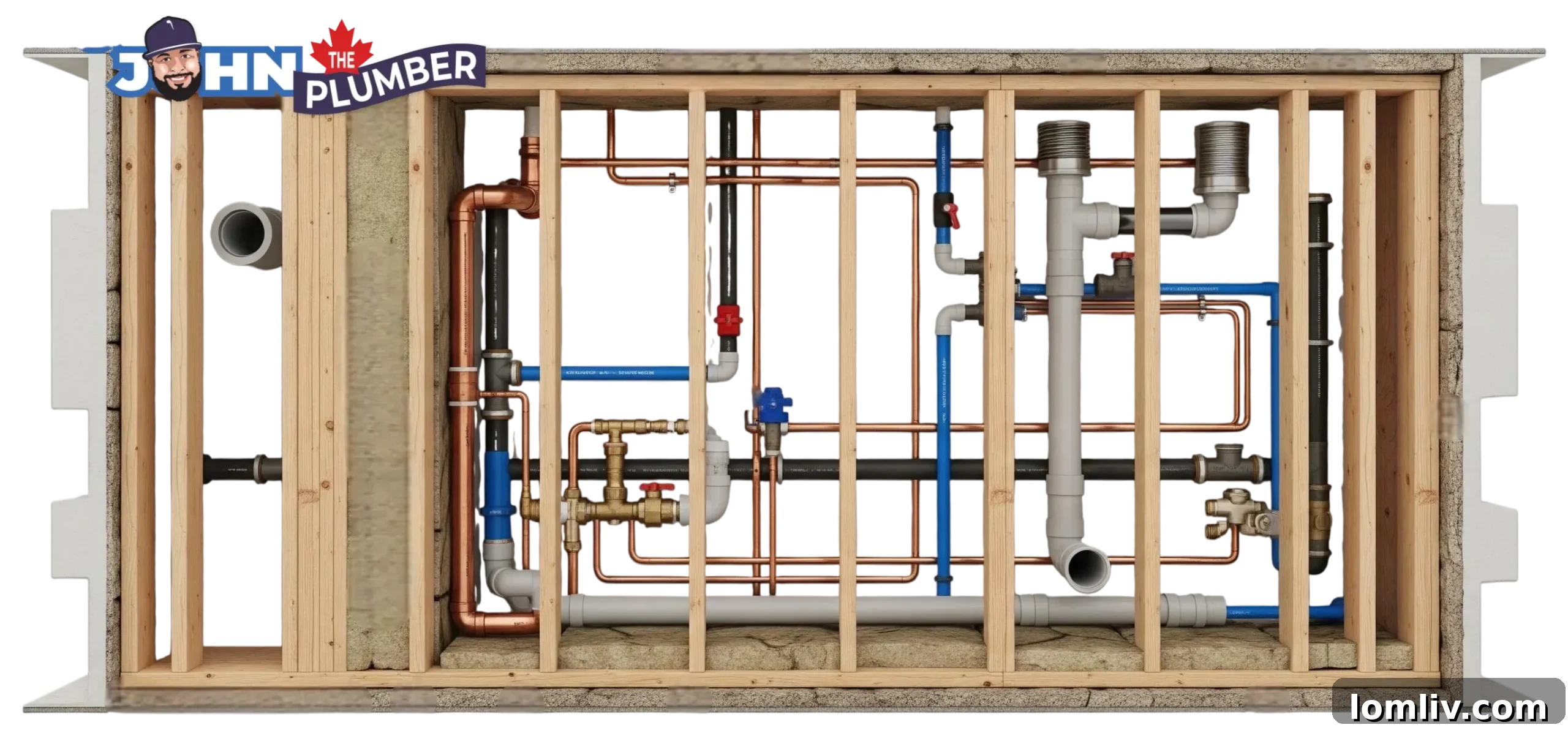
While often hidden behind walls, under floors, and within foundations, your home’s plumbing system is its lifeblood. It dictates daily comfort, affects your health, and profoundly influences the property’s long-term value. Issues within the plumbing system, no matter how minor they seem initially, can quickly escalate into devastating problems. A small, undetected leak might begin as a harmless drip, but over time, it can lead to stained ceilings, warped flooring, compromised structural integrity, and the insidious growth of mold and mildew, posing significant health risks. Such problems are not only costly to repair but can also significantly diminish your home’s resale value.
Proactively scheduling a pre-purchase plumbing inspection is the best way to uncover these hidden vulnerabilities *before* you close on the house. Imagine moving into your dream home only to discover a major sewer line blockage or a burst pipe the very first week. These kinds of unwelcome surprises can turn the excitement of homeownership into a financial nightmare. With a detailed plumbing report in hand, you can budget for necessary repairs, plan upgrades, and negotiate effectively with the seller, transforming potential crises into manageable action items instead of scrambling in an emergency.
Your Pre-Inspection Checklist: Red Flags to Watch For
You don’t need to be a seasoned plumbing professional to spot early warning signs that warrant deeper investigation. During your initial showings and general inspection, keep an eye out for these common red flags. Noting them down can provide your licensed plumber with a targeted starting point for their specialized assessment:
- Low or Inconsistent Water Pressure: If water flow significantly drops when two fixtures, like a shower and a toilet, are used simultaneously, it could indicate issues such as mineral buildup in pipes, corroded galvanized pipes, or even a larger main line problem.
- Slow or Noisy Drains: Drains that gurgle, back up frequently, or empty sluggishly might signal partial blockages, clogged vents, or more serious issues within the main sewer line.
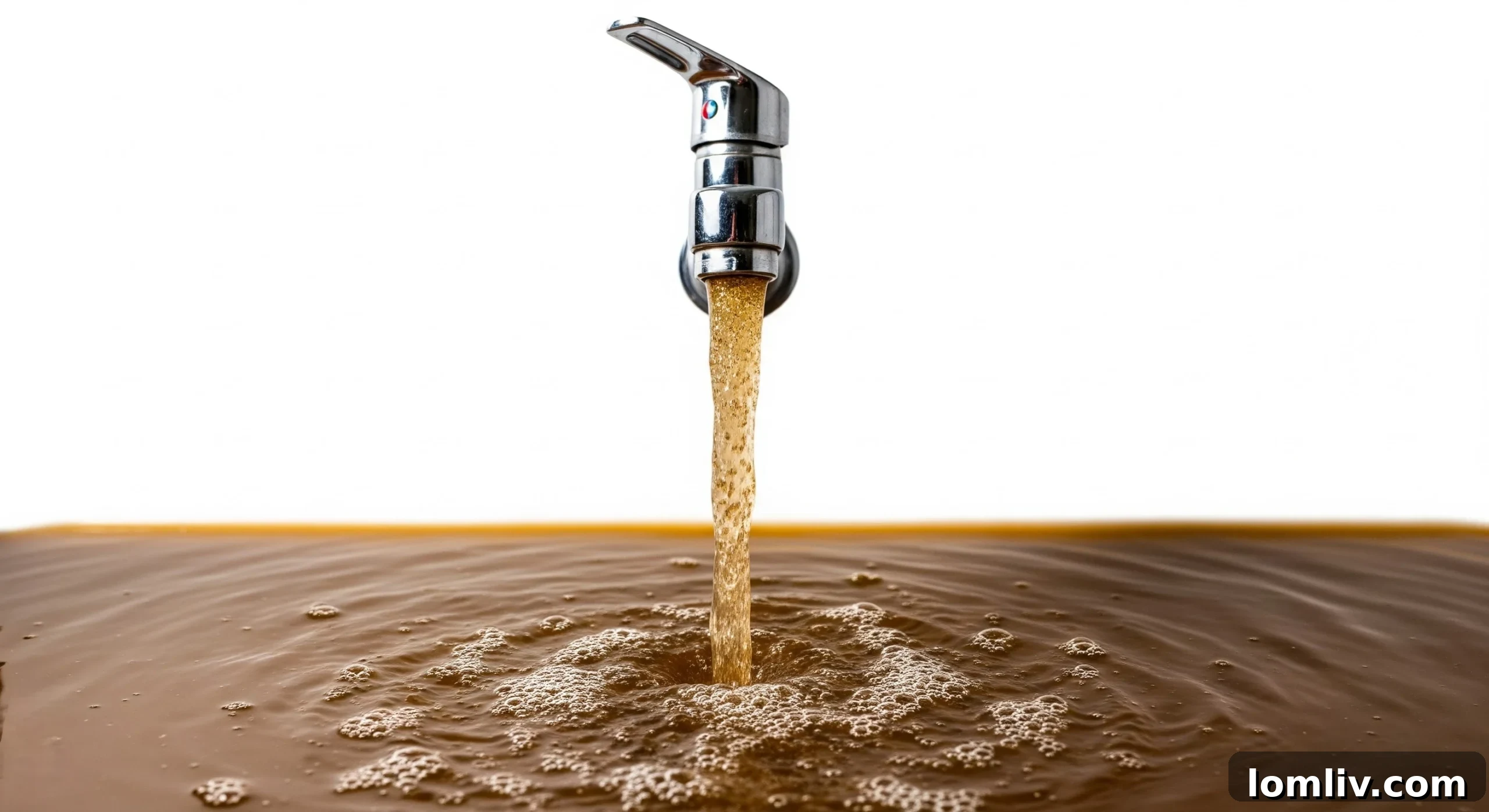
- Rusty or Discolored Water: Water that appears brown, yellow, or rusty when the tap is first turned on, especially after periods of inactivity, often points to corroded pipes (particularly galvanized steel), sediment in the water heater, or even issues with the municipal water supply.
- Persistent Odors: Unpleasant sewer or musty smells in bathrooms, laundry rooms, or basements can indicate dry traps, sewer gas leaks, or hidden moisture and mold growth from undetected leaks behind walls or under floors.
- Visible Water Damage or Repairs: Freshly painted patches on ceilings or walls, stained baseboards, or peeling paint near kitchens, bathrooms, or utility areas could be signs of past or ongoing leaks that were merely covered up without addressing the root cause.
- Visible Pipe Condition: Take a quick look at exposed pipes under sinks, in basements, or utility rooms. Are they corroded, discolored, or showing signs of drips? Are there any makeshift repairs?
Make a comprehensive note of any observations you make. This crucial information can guide your licensed plumbing inspector, allowing them to focus their expertise and specialized tools on areas most likely to harbor problems during your dedicated inspection period.
Beyond the Surface: The Expertise of a Certified Plumbing Professional
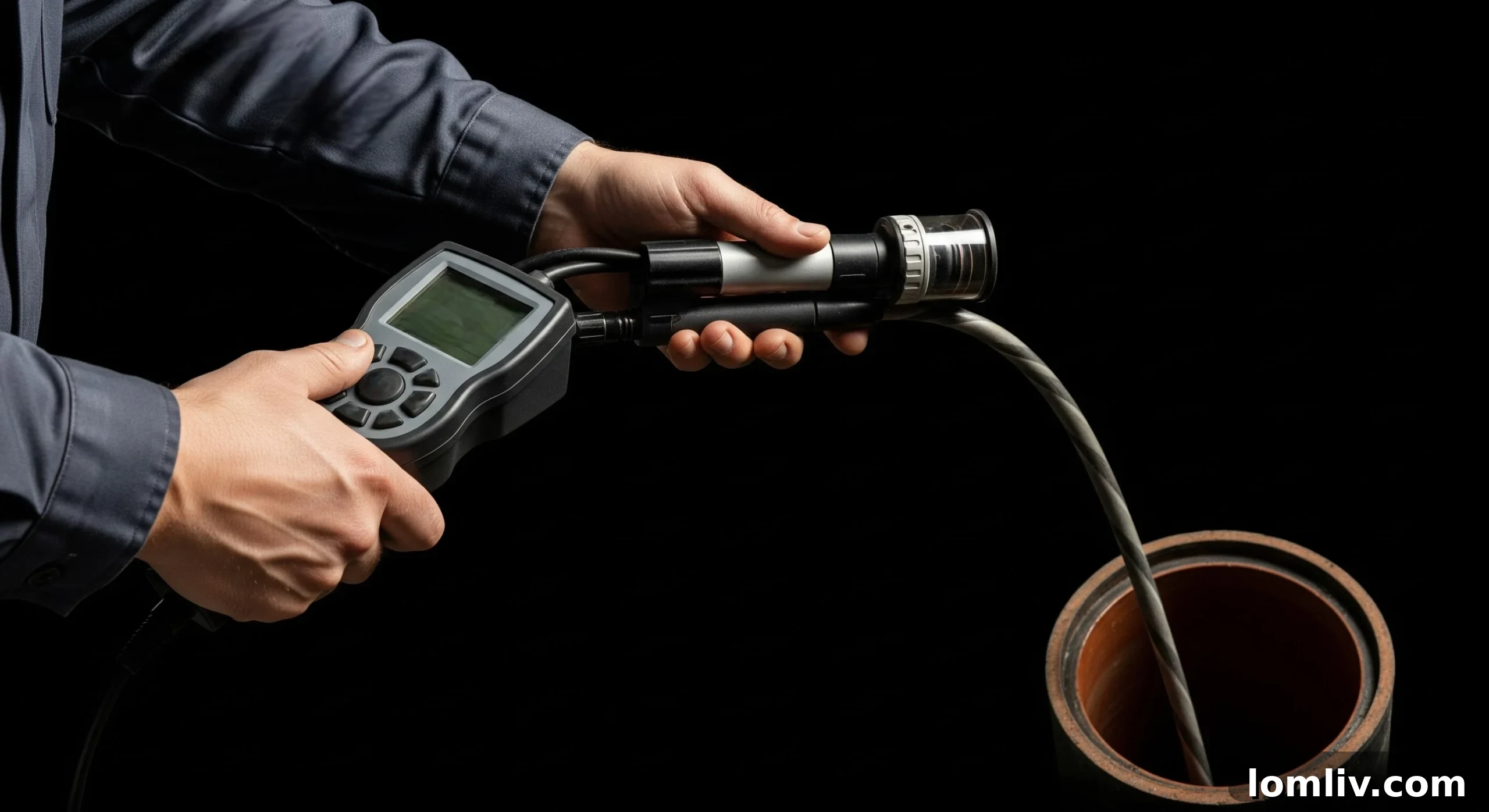
While a general home inspection provides a helpful overview of the property, it typically doesn’t delve into the granular detail required for a thorough plumbing assessment. A qualified, licensed plumber brings specialized tools and in-depth expertise to the table, performing checks that a generalist might overlook. Here’s what you can expect from a dedicated pre-purchase plumbing inspection:
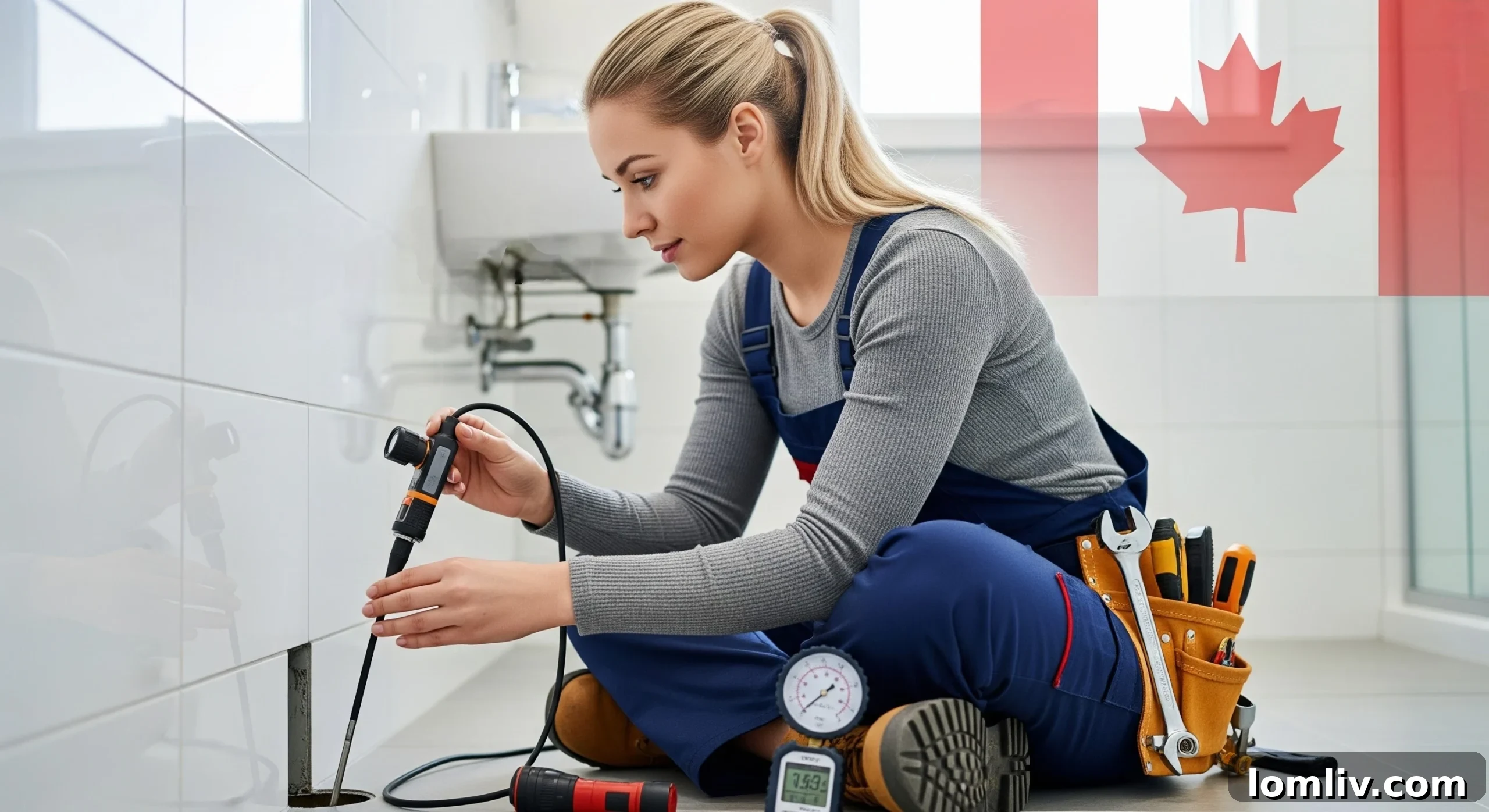
- Sewer Line Camera Scoping: This is a critical procedure, especially for older homes or properties with mature trees. The plumber inserts a small, waterproof camera into the main sewer line to inspect its interior condition. This can reveal blockages, cracks, root intrusion, misaligned pipes, ‘bellies’ (sags that collect waste), and even collapses, which can be incredibly costly to repair if discovered after closing.
- Water Pressure and Leak Testing: The plumber will test the water pressure at various fixtures throughout the house to identify inconsistencies. They will also perform visual and sometimes auditory leak tests on all accessible supply lines, fixtures, and connections, including under sinks, behind toilets, and around appliances like dishwashers and washing machines.
- Water Heater Assessment: Beyond just checking its age, the inspector will evaluate the water heater’s overall condition, including signs of corrosion, proper venting (for gas units), the presence and function of the temperature and pressure relief (T&P) valve, and the expansion tank. They’ll estimate its remaining lifespan and capacity.
- Drainage System Evaluation: All visible traps, shut-off valves, and cleanouts will be checked for proper function and accessibility. The plumber will ensure that drains have appropriate slope and are free of significant blockages.
- Sump Pump and Drainage Systems: In basements or areas prone to flooding, the plumber will ensure the sump pump is operational, cycles correctly, and discharges water away from the foundation as intended. They will also look for a backup system and check exterior drainage around the home’s perimeter to prevent water intrusion.
- Identification of Outdated Materials: The inspector will identify outdated or problematic piping materials, such as galvanized steel, polybutylene, or lead pipes, which are prone to failure and often require expensive replacement.
- Gas Line Inspection: If the home has gas appliances, the plumber can check accessible gas lines for leaks, ensuring safety and compliance with local codes.
Upon completion, you’ll receive a detailed report outlining any urgent issues that require immediate attention, recommended repairs or upgrades for the near future, and minor concerns that can wait. This clear, actionable information is invaluable for making an informed decision.
Navigating the Contingency Period: Leverage Your Plumbing Report
The inspection contingency clause in your purchase agreement is your most powerful tool during this phase. It sets a strict deadline, typically seven to ten days from the time your offer is accepted, for you to review all inspection results and decide on repairs, credits, or other next steps. Given this tight timeframe, it is strategically smart to schedule your dedicated plumbing inspection immediately after your offer is accepted, ideally concurrently with the general home inspection.
If the plumbing report comes back pristine, you can proceed with confidence. However, if issues surface – ranging from minor faucet drips to major sewer line damage – the report provides solid grounds for negotiation. You have several options:
- Request Seller Repairs: You can ask the seller to complete the necessary repairs using licensed and insured contractors, providing invoices upon completion.
- Ask for a Price Reduction: For significant and costly issues, you might negotiate a reduction in the home’s purchase price to cover the anticipated repair expenses.
- Request a Seller Credit: Alternatively, you can request a credit from the seller at closing, which can then be used to fund the repairs once you own the home. This provides you with more control over the repair process and contractor selection.
For major findings, such as a severely compromised main sewer line or a failing water heater, the inspection contingency often grants you the right to cancel the purchase agreement without penalty within the specified window. This protects you from inheriting unforeseen, expensive problems. Once you close, always keep the plumbing inspection report, along with any accompanying photos and repair invoices, with your important home documents. This creates a clear historical record of the home’s condition at the time of purchase and any subsequent work performed.
Strengthening Your Negotiation with a Detailed Plumbing Report
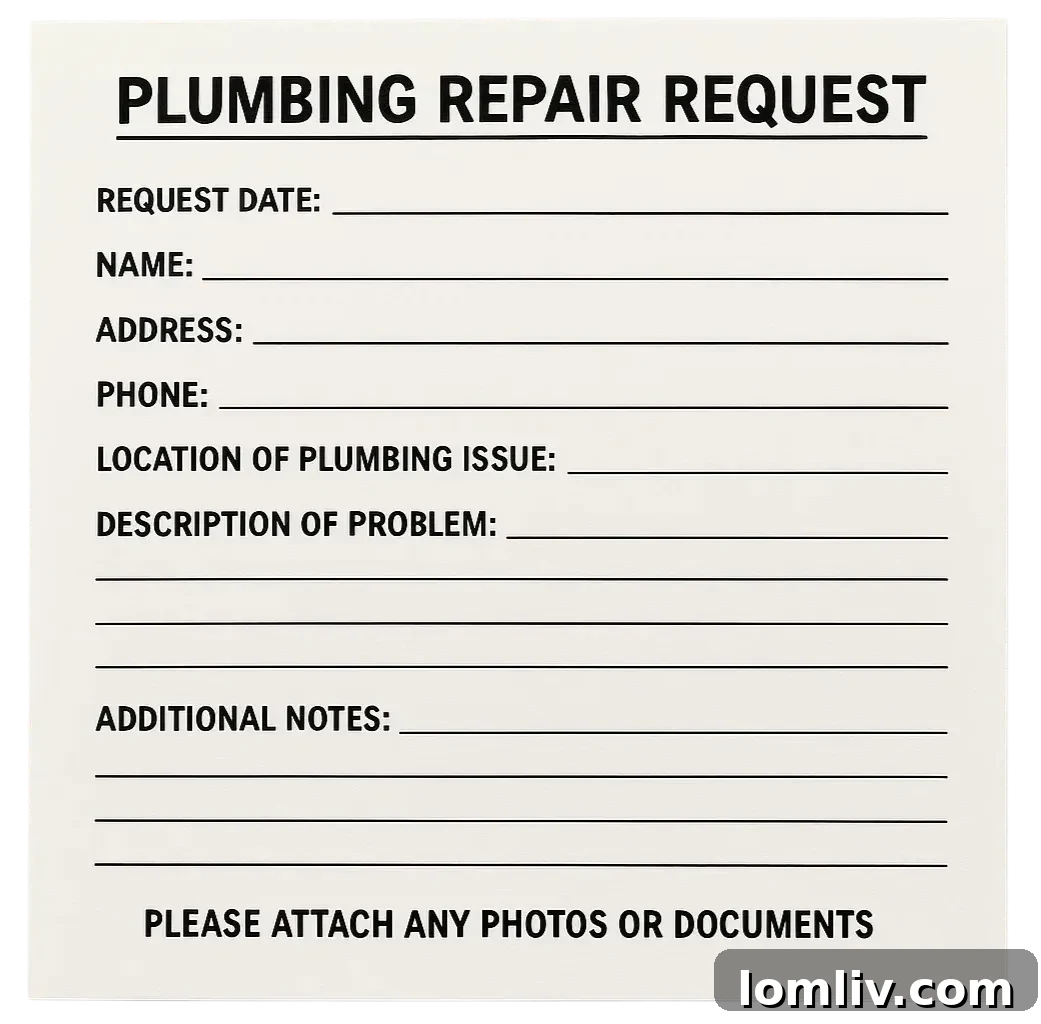
A professional plumbing report, complete with a clear written summary, detailed explanations, and supporting photographs, is an invaluable asset during negotiations. It provides undeniable, objective evidence of any existing problems, making it difficult for the seller to dismiss your concerns. Your real estate agent can effectively present these documented findings, requesting specific repairs, a closing cost credit, or a price adjustment. This transparent, evidence-based approach is common in real estate transactions and helps keep the deal moving forward smoothly.
If the seller agrees to complete repairs, ensure that the agreement specifies the use of licensed contractors and that you’ll receive corresponding invoices. During your final walk-through before closing, you can then confirm that all agreed-upon work has been completed to your satisfaction and matches the written agreement.
While the plumber is on site, maximize their expertise by asking practical questions. Inquire about the realistic replacement timelines for major components like the water heater or well pump. Ask which specific valves or fixtures might need attention in the near future. Most importantly, have them show you the location of the main water shutoff valve and how to operate it. A quick lesson on this crucial valve can save you from catastrophic water damage and immense stress if you ever need to stop a leak in a hurry. If there’s a sump pump, confirm it cycles properly, that its discharge line directs water away from the foundation effectively, and discuss the importance of a battery or water-powered backup system. These small pieces of knowledge and preparations can make a monumental difference once you take possession of the home.
Smart Investment: Prioritizing Plumbing Upgrades
For all buyers, especially first-time homeowners, the temptation to invest in cosmetic updates like fresh paint or new flooring can be strong. However, when faced with a choice between aesthetic improvements and essential system upgrades, always prioritize plumbing work. A failing water heater, a compromised sewer line, or outdated, leaky pipes can lead to immediate and costly problems that disrupt daily life and drain your finances. Addressing these critical infrastructure issues first ensures the long-term health and functionality of your home, keeps monthly utility costs steady, and allows you to enjoy your new space without the constant worry of impending plumbing disasters. Cosmetic changes can always wait; fundamental integrity cannot.
To recap the process, book your specialized plumbing inspection concurrently with your general home inspection. Share any red flags you’ve noticed with the plumber to guide their focus. Review the detailed results immediately, and submit any repair requests or negotiation points within your contractual contingency period. On closing week, use your final walk-through to confirm that all agreed-upon repairs have been completed satisfactorily. Finally, save every invoice, estimate, and report for future reference, maintenance planning, and potential resale. This methodical approach ensures a smooth transition from making an offer to receiving the keys, all while protecting your valuable investment.
The Bottom Line: Peace of Mind Through Professional Plumbing Insight
A well-functioning plumbing system rarely draws attention to itself, yet it quietly underpins almost every aspect of your daily life in a home. From hot showers to clean drinking water, efficient drainage to flood prevention, its reliability is paramount. By engaging an expert plumbing specialist for a dedicated pre-purchase inspection, you gain unparalleled clarity and confidence before committing to one of life’s largest investments. This proactive step shields your budget from unexpected and often exorbitant repair costs, significantly strengthens your negotiation stance, and, most importantly, provides genuine peace of mind. True home security begins with understanding and securing the fundamental, often unseen, components of the house – and that starts with a comprehensive plumbing inspection.