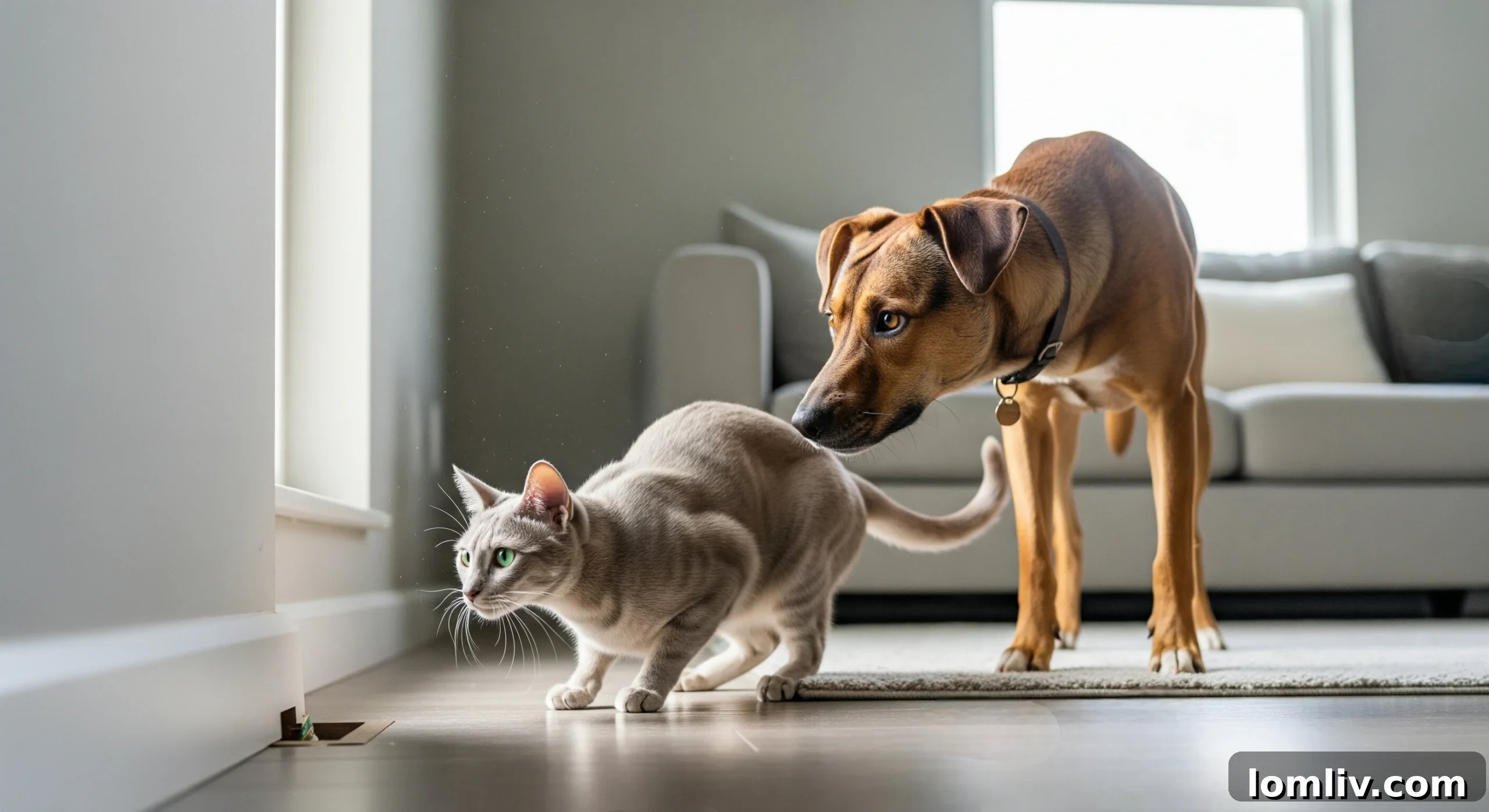
Our beloved pets often possess an uncanny ability to perceive the unseen, serving as vigilant sentinels in our homes. Their extraordinarily keen senses of smell and hearing can detect the subtle nuances of an environment long before humans do, picking up on faint rustles, tiny scuttling sounds, or the unique scent profiles of pests like insects or rodents. When a pet suddenly changes its behavior – perhaps staring intently, sniffing persistently, or exhibiting unusual restlessness – it’s often their intuitive way of signaling, “Something isn’t right here.” Recognizing these nuanced cues is not merely about maintaining a comfortable living space; it’s a critical step in proactively safeguarding your home and ensuring the health and well-being of both your family and your cherished animal companions. Ignoring these early warnings can lead to hidden infestations that escalate into significant problems, causing structural damage or posing serious health risks.
From the playful antics of a dog to the stealthy movements of a cat, and even the curious exploration of smaller pets like ferrets or rabbits, animals are inherently wired to react instinctively to the presence of unwelcome intruders. If you observe your dog barking incessantly at a specific wall, scratching furiously at a baseboard, or consistently pawing at a particular piece of furniture, it’s a strong indicator that something is moving about beyond your immediate sight. Similarly, a cat’s focused gaze, an unusual hiss directed at an empty space, or a small pet’s heightened agitation in a certain area can all be significant clues. By taking the time to truly observe and understand these subtle shifts in your pet’s habits, you empower yourself to uncover potential pest infestations much sooner. This early detection is invaluable, allowing you to seek professional assistance before pests can cause extensive property damage or introduce health hazards into your living environment.
Awareness of Rodent Activity: How Pets Become Your First Line of Defense
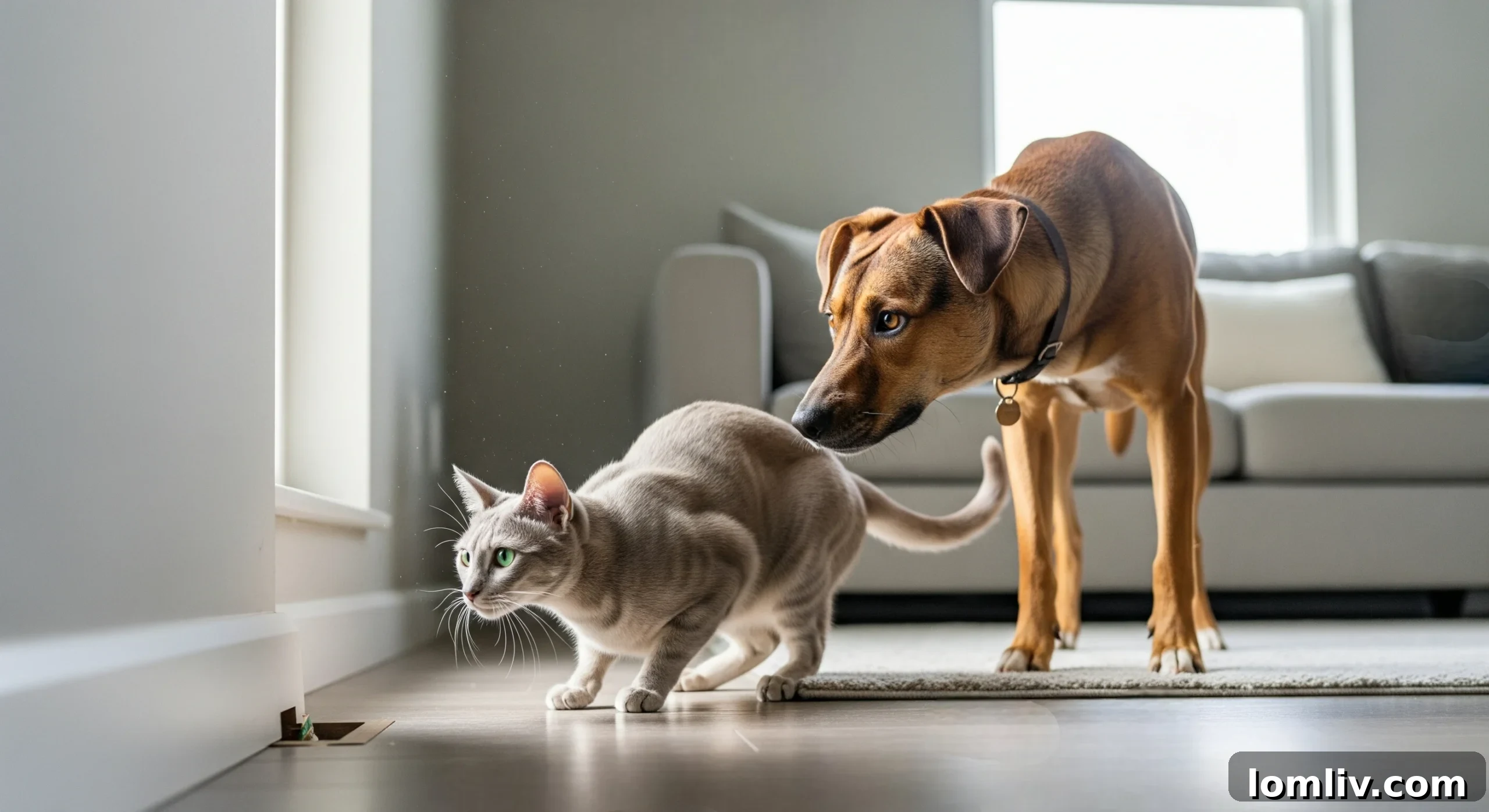
Pets frequently act as an early warning system for rodent infestations, often sensing the presence of mice and rats long before human residents become aware of a problem. These elusive creatures prefer to remain hidden, making their homes within the unseen confines of walls, attics, and basements. Consequently, you might never visually spot a rodent, but your dog’s persistent scratching or pawing at the same section of a wall, or a cat’s unwavering stare, hiss, or vigilant guard duty by a single spot, can be undeniable evidence. These behaviors are not random; they are focused responses to the subtle sounds, movements, and distinctive odors that rodents emit. A scratching sound coming from inside the walls, the faint squeaking of tiny feet, or the musky scent of rodent urine – all these go unnoticed by us, but register loud and clear to our pets.
When you observe this kind of intensely focused behavior from your pet, it’s a clear signal to investigate further. Look for common signs of rodent presence such as small, pellet-like droppings, tiny gnaw marks on baseboards, wires, or food packaging, or listen for scratching and scurrying sounds, especially at night. Ignoring these signs can have serious consequences. Rodent infestations pose significant health risks, as these pests can transmit a variety of diseases through their urine, feces, and bites, including Hantavirus, Salmonellosis, and Leptospirosis. Beyond health concerns, rodents can cause extensive and costly damage to your home by chewing through electrical wiring – a major fire hazard – contaminating insulation, and damaging structural components. Promptly calling a professional pest control Oshawa service at the first suspicion of rodents allows for early intervention, protecting not only your property from further damage but also safeguarding the health of your family members and pets from dangerous pathogens. Early detection through your pet’s acute senses is crucial for effective and safe elimination.
Detecting Insect Infestations: Pets as Sensitive Indicators
Pets are remarkably adept at detecting various crawling insects, often exhibiting sudden bursts of interest that can alert homeowners to an emerging infestation. Whether it’s the insidious march of ants, the stealthy movements of spiders, or the secretive presence of bed bugs, dogs and cats will frequently sniff, paw at, or even chase tiny bugs that manage to infiltrate your living space. These activities are particularly common in areas where pests tend to seek refuge, such as kitchens, bathrooms, and bedrooms. If you notice your pet repeatedly fixating on a particular baseboard, an air vent, or a subtle crack in the floor, it’s wise to treat this behavior as an undeniable hint. This persistent attention often indicates that insects are congregating or actively moving through these unseen pathways, giving you a critical window to address the problem before it spirals out of control and spreads throughout your home.
Furthermore, unusual reactions from your pets can also serve as a vital warning for pests that are difficult, if not impossible, for the human eye to see. A pet that habitually sniffs along electrical outlets or meticulously investigates the edges of kitchen cabinets may very well be picking up the distinct scent trails of ants or the tell-tale presence of cockroaches scurrying behind walls or beneath flooring. These pests, often nocturnal and incredibly adept at hiding, leave behind chemical pheromones that are readily detectable by a pet’s superior olfactory senses. Professional services, such as pest control Whitby, can then be utilized to conduct a thorough evaluation and implement an effective treatment plan. Timely professional intervention is paramount; it ensures the infestation is completely eradicated, significantly reduces the likelihood of future recurrences, and ultimately safeguards the health, comfort, and peace of mind for all inhabitants of your home, including your cherished pets. These seemingly minor behaviors from your pet can prevent a minor nuisance from becoming a major headache.
Preventing Structural Damage: Pets Protecting Your Home’s Integrity
The acute senses of your pets extend their protective capabilities beyond visible surfaces, enabling them to safeguard the very structural integrity of your home. Wood-destroying insects, particularly termites and carpenter ants, are notorious for their insidious and silent destruction. They can silently tunnel and excavate within wooden structures for months, and even years, before any overt signs of damage become apparent to human eyes. Imagine the subtle vibrations of termites chewing through wood or the faint rustling of carpenter ants creating their galleries – sounds that are imperceptible to us but clearly registered by the sensitive ears of a dog or cat. A dog that consistently scratches at a specific section of wooden trim, or a cat that repeatedly sniffs the same wooden beam, door frame, or even a particular spot on the ceiling, could be picking up on these minute sounds or the distinct pheromonal trails left by these destructive insects.
When you observe such a persistent and focused pattern of behavior, it’s a strong indicator that further investigation is warranted. Carefully inspect the area for tell-tale signs: look for fine sawdust-like material (frass) near wooden structures, tiny pinholes in wood, or areas where the wood feels unusually soft or hollow when tapped. Delaying action and brushing off these peculiar behaviors can have dire consequences, leading to extensive and costly structural repairs, and a much larger, entrenched infestation. Therefore, if these strange habits from your pet persist day after day, it is imperative to contact a professional pest control company without hesitation and schedule a comprehensive inspection. A reputable pest management team possesses the expertise and specialized equipment to accurately identify the underlying problem, implement effective treatment for the current infestation, and crucially, recommend preventative measures. These might include sealing entry points, addressing moisture issues, or providing regular maintenance plans to reduce the chances of pests returning. This proactive approach, guided by your pet’s vigilance, is essential for protecting the foundational bones of your house for the long haul, preserving its value and safety.
Protecting Your Family’s Health and Safety: Pets as Health Sentinels
Pets are often the initial receptors for tiny parasites like fleas and ticks, which can easily hitch a ride into your home from the yard, other animals, or even on visitors’ clothing. These insidious pests not only cause discomfort for your animals but also pose significant health risks to humans. You might first notice a problem when your dog or cat begins scratching incessantly, biting obsessively at a specific area of their fur, or exhibiting unusual restlessness and irritability. These changes in behavior are critical indicators. When these signs manifest, it’s crucial to immediately check your pet’s coat for visible fleas or ticks, thoroughly wash all pet bedding and any fabrics they frequently use in hot water, and promptly consult with your veterinarian. Your vet can recommend safe and effective treatment options for your pet, preventing further infestation and protecting both your animals and the human occupants of your home from potential harm.
Early detection of these issues significantly reduces the risk of flea bites, which can cause irritating skin conditions, and more importantly, minimizes the threat of tick-borne illnesses such such as Lyme disease, Rocky Mountain spotted fever, and anaplasmosis, all of which can be serious for both pets and humans. Beyond external parasites, pets can also be indicators of internal health risks associated with pests, such as the spread of bacteria from rodent feces or allergens from cockroach infestations that can exacerbate asthma and allergies in sensitive individuals. Both professional pest control experts and veterinarians universally emphasize the importance of owners paying close attention when a pet suddenly exhibits altered behavior, especially around specific rooms, furniture, or particular spots in the yard. Regular veterinary check-ups, coupled with open and honest discussions about your pet’s habits and any observed changes, can help you identify these patterns sooner. When you combine this invaluable information with the expertise of a trusted pest management company, you create a powerful defense system. This collaboration allows for the swift resolution of immediate pest problems and the implementation of long-term prevention strategies, including sealing potential entry points, maintaining improved cleaning routines, and scheduling regular inspections. This holistic, team-oriented effort ensures your home remains a healthier, more comfortable, and demonstrably safer sanctuary for every person and animal living within its walls, truly making your pets silent heroes in home protection.