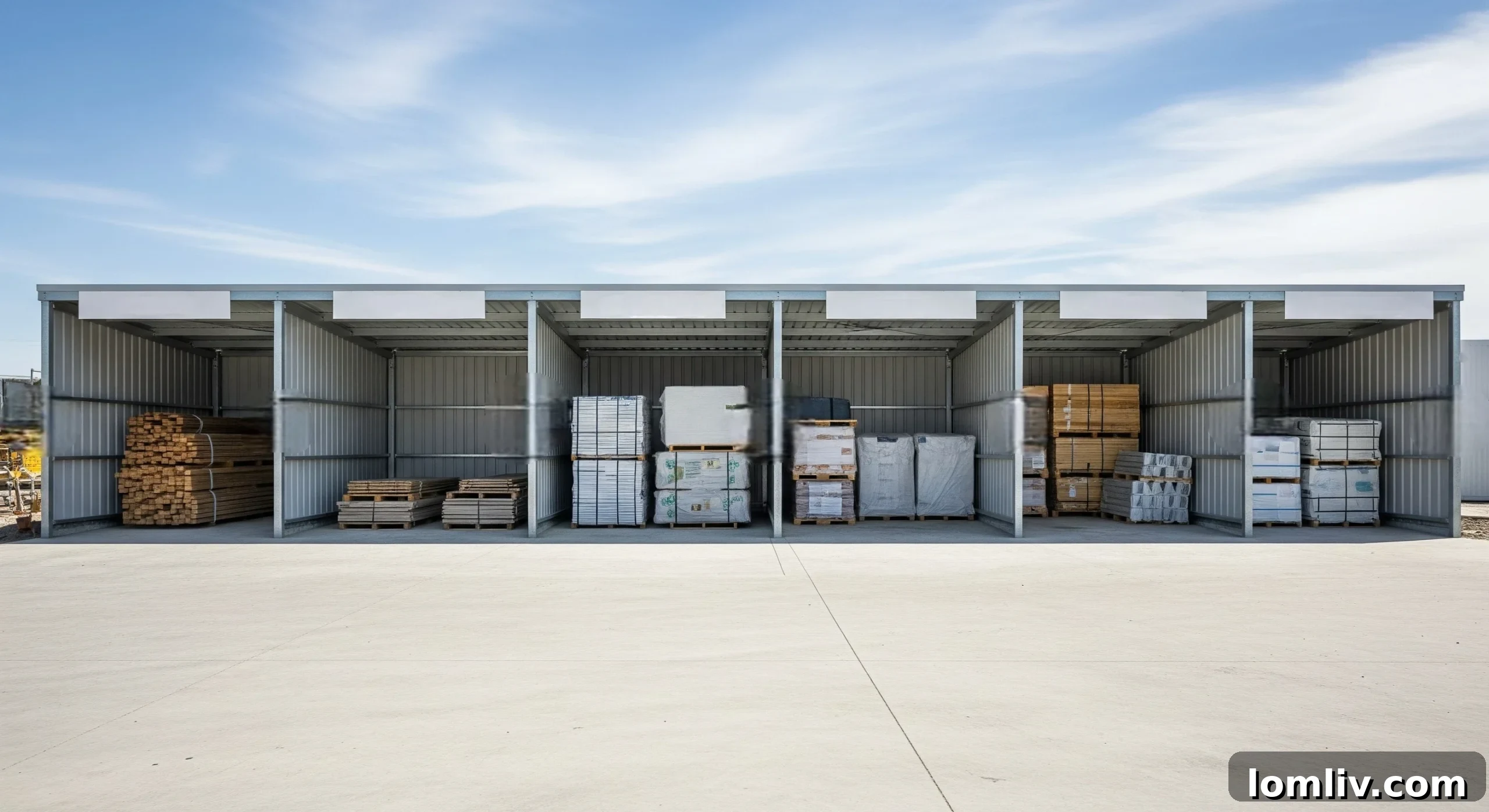
In the dynamic world of construction, where precision and durability are paramount, the often-underestimated practice of concrete material storage plays a pivotal role in determining the success and longevity of any project. Overlooking proper storage protocols can lead to significant material degradation, impacting the quality, strength, and overall performance of the final concrete mix. From preventing premature hydration of cement to safeguarding aggregates from contamination, meticulous storage practices are not just a recommendation but a fundamental requirement for maintaining material integrity and ensuring project profitability. Poor storage can translate into costly waste, unexpected project delays, and, most critically, compromises in structural integrity.
Effective concrete material storage begins with understanding the unique vulnerabilities of each component. Cement, aggregates, and admixtures each possess distinct physical and chemical properties that dictate their specific storage needs. The primary goal is always to shield these crucial materials from adverse environmental factors such as moisture, extreme temperatures, and contamination. Establishing a dry, well-ventilated, and adequately sheltered space is non-negotiable. For instance, elevating bagged cement or other moisture-sensitive materials on robust platforms or pallets acts as a vital barrier against ground moisture, a common culprit in material spoilage. Moreover, strategic stacking, like limiting cement bag heights to eight layers, prevents compaction and damage, preserving the material’s intended consistency. Similarly, aggregates demand separation by size and placement on firm, well-drained surfaces to avert mixing and contamination, which can drastically alter the concrete’s properties.
While these guidelines offer a comprehensive starting point, it’s imperative to recognize that specific storage requirements for concrete materials are highly context-dependent. Factors such as the precise type of cement, the local climate conditions, and even the project’s duration will influence the most appropriate storage strategies. A proactive approach involves a thorough understanding of the manufacturer’s handling specifications for each component and diligently implementing measures to protect them from environmental exposure. This diligence not only helps in preserving the stable condition of the materials but also significantly extends their usability, thereby optimizing resource utilization and contributing to a more sustainable construction practice. Adopting these best practices from the outset can dramatically reduce waste, streamline operations, and ultimately lead to superior quality concrete structures.
How Do Different Weather Conditions Affect Concrete Material Storage?
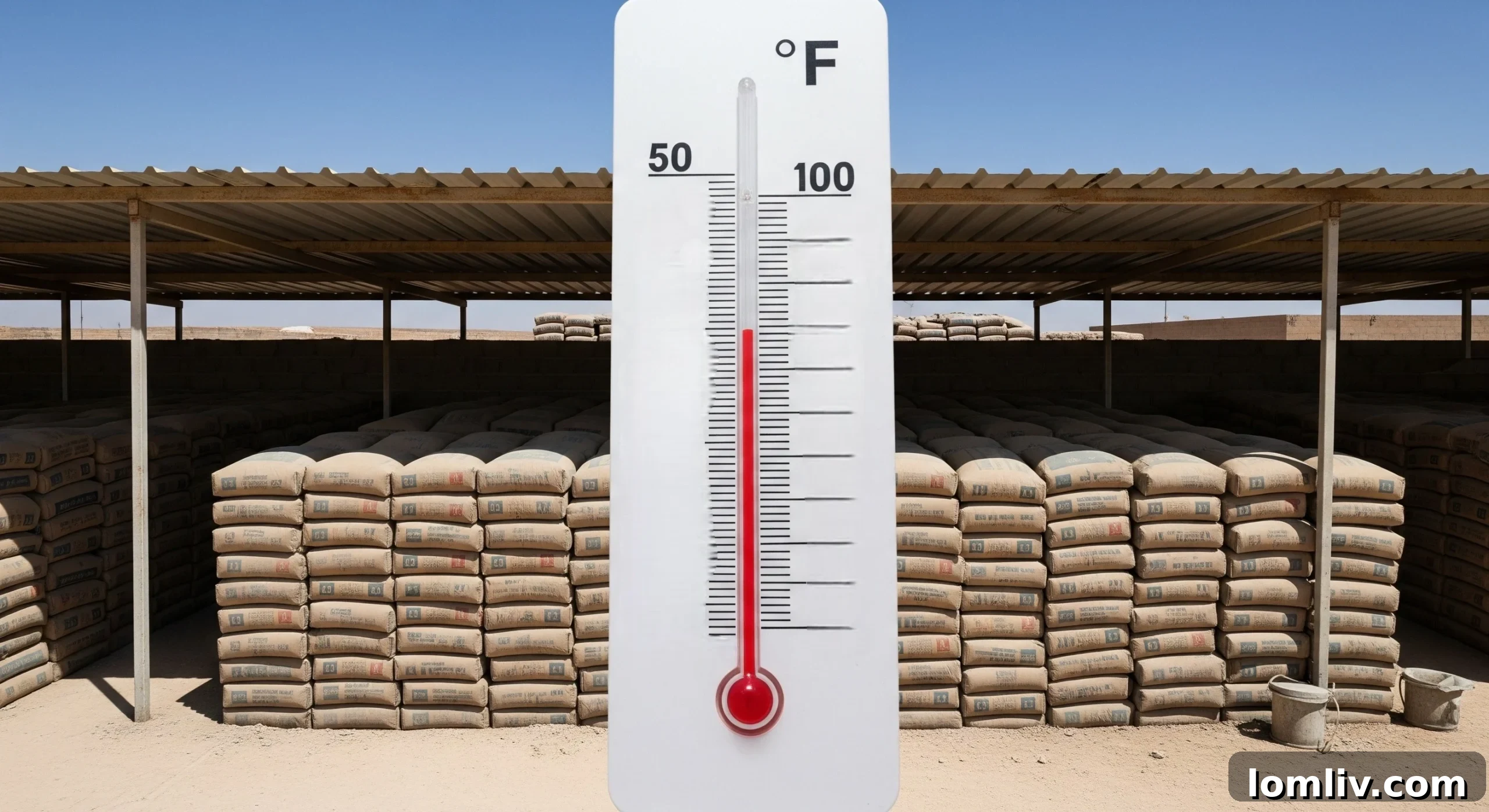
The successful preservation of concrete materials is intrinsically linked to how effectively they are protected from varying weather conditions. Each season and climate presents unique challenges that, if not addressed, can severely compromise the usability and performance of cement, aggregates, and admixtures. Understanding these impacts is crucial for implementing appropriate storage best practices.
Hot and Humid Weather Challenges
High temperatures combined with elevated humidity levels represent a significant threat to bagged cement. These conditions accelerate the hydration process, essentially causing the cement to begin hardening prematurely, even before it’s mixed with water. This can lead to clumping, reduced workability, and a substantial loss in final strength. To counteract this, cement should always be stored in a cool, well-ventilated area that facilitates air circulation but prevents direct drafts carrying moisture. In regions characterized by persistently high humidity, investing in dehumidifiers for storage sheds can be a highly effective measure to maintain optimal dryness. For aggregates, direct exposure to intense sunlight in hot weather can cause rapid moisture loss, making it harder to control the water-cement ratio during mixing. Covering aggregate piles with light-colored tarpaulins is a simple yet effective strategy; these tarps reflect sunlight, reduce surface temperatures, and minimize evaporation, helping to preserve the aggregates’ natural moisture content.
Cold and Freezing Weather Challenges
Conversely, cold and freezing conditions pose a different set of risks for concrete materials. Aggregates, especially when wet, can freeze, forming large clumps that are difficult to handle and properly proportion in a mix. Frozen aggregates can also introduce unwanted cold water into the mix, slowing down the hydration process and impacting the concrete’s early strength development. It is paramount that aggregates are stored above freezing temperatures. In colder climates, this might necessitate covering piles with insulating materials or, in extreme cases, utilizing heating elements to prevent freezing. Cement bags must be kept absolutely dry. Exposure to cold, damp air, even without direct water contact, can introduce enough moisture to cause the fine cement powder to clump, harden, or undergo premature hydration, rendering it unsuitable for use. Maintaining a consistent, dry environment, preferably within an insulated and heated structure, is critical for cement in winter months.
Rainfall and General Moisture Protection
Beyond extreme temperatures, constant vigilance against rainfall and general moisture ingress is fundamental for all concrete material storage. Cement, being highly hygroscopic, will absorb ambient moisture, even from seemingly dry air, which can initiate the hydration process. Thus, storing cement within completely weatherproof buildings, with no leaks or ground moisture penetration, is essential. Aggregates, while less sensitive to moisture than cement, can still be negatively affected by excessive water. Piles that become saturated can lead to inaccurate batching by weight, and the presence of standing water can leach out finer particles or introduce contaminants. Therefore, ensuring aggregates are stored on well-drained, slightly sloped surfaces under protective coverings, like robust tarps, is vital to prevent water accumulation and maintain their quality.
What Are the Specific Storage Requirements for Each Concrete Component?
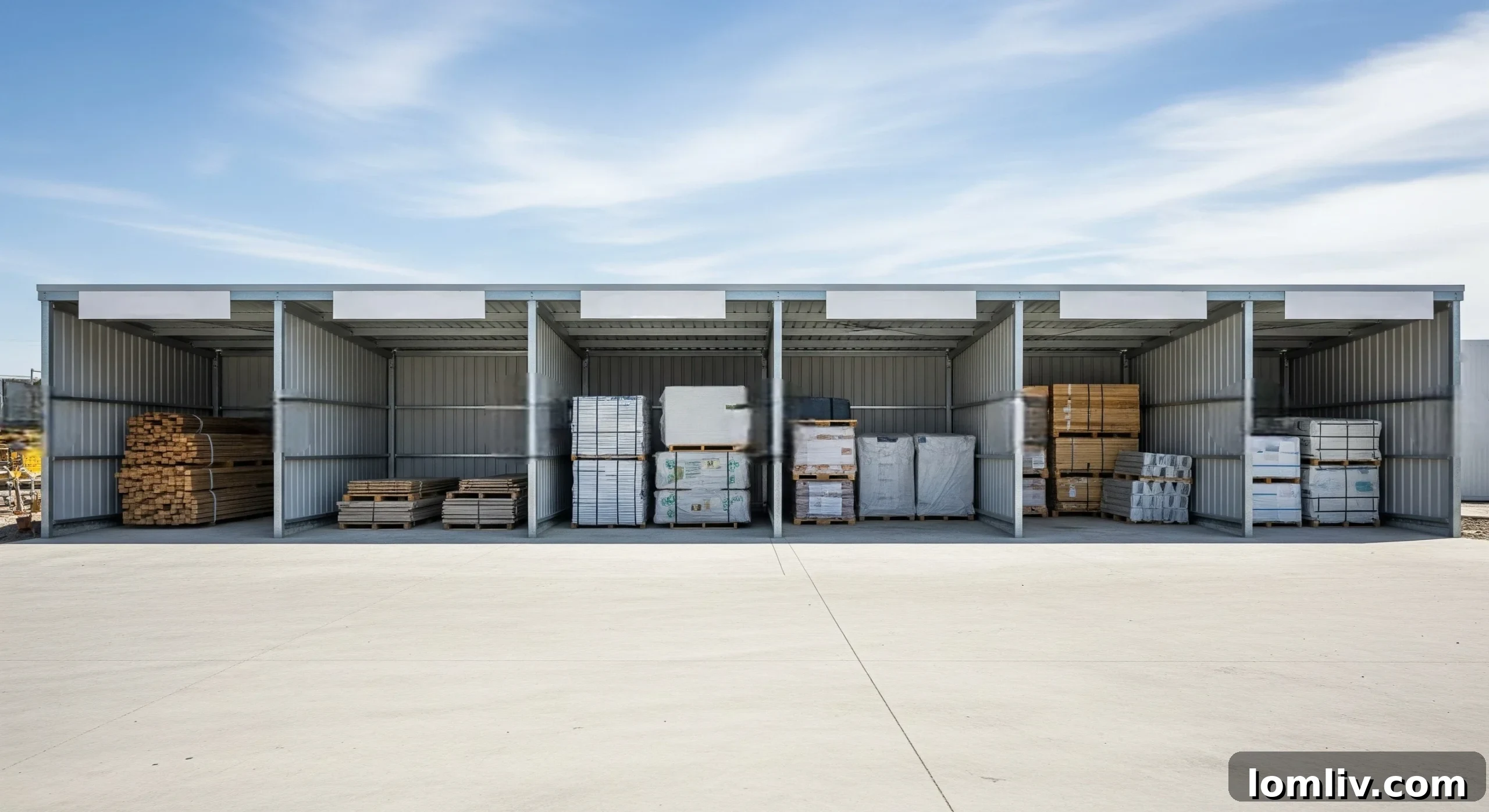
Each component of concrete—cement, aggregates, and admixtures—demands a tailored approach to storage to ensure its integrity and optimal performance. Understanding these specific requirements is foundational to effective concrete material storage and quality control on any construction site.
Portland Cement: The Heart of the Mix
Portland cement is undeniably the most sensitive and vulnerable component, requiring the utmost care in storage. Its highly hygroscopic nature means it readily absorbs moisture from the atmosphere, initiating premature hydration that leads to clumping, hardening, and a significant loss in strength. Therefore, cement must always be stored in a completely weatherproof, watertight building or silo. For bagged cement, the storage area floor should be raised at least 6-12 inches (15-30 cm) off the ground using pallets or platforms. This crucial elevation prevents capillary moisture from seeping into the bags from below. The storage space needs adequate ventilation to prevent the buildup of damp, stagnant air, but it should be free from direct drafts that could carry humid air directly onto the bags. Proper stacking, typically no more than eight layers high in a cross-bond pattern, ensures stability and prevents compaction. Implementing a strict “first-in, first-out” (FIFO) inventory system is vital to ensure that older stock is used before it degrades, minimizing waste and ensuring fresh material is always available. For bulk cement stored in silos, regular inspection of silo walls, roofs, and discharge systems for leaks, as well as proper ventilation and dust collection systems, is essential to maintain dryness and prevent caking.
Aggregates: The Bulk and Backbone
Aggregates, encompassing both fine (sand) and coarse (gravel) materials, form the bulk of concrete and their proper storage is critical for mix consistency. They should always be stored on a firm, well-drained surface, ideally a concrete pad or other impervious material, to prevent contamination from underlying soil or organic matter. The storage area should be sloped slightly to facilitate water runoff, preventing puddles and excessive moisture absorption, which can affect batching accuracy. Crucially, different sizes and types of aggregates must be stored in physically separated bins or piles, using strong, permanent barriers to prevent intermixing. Contamination from foreign materials like clay, silt, organic debris, or other aggregate sizes can drastically alter the concrete’s workability, strength, and durability. It is generally recommended to avoid using the bottom 6-12 inches (15-30 cm) of an aggregate pile, as this layer is most prone to picking up dirt and foreign particles from the ground. Regular visual inspections for cleanliness and proper grading are highly recommended.
Admixtures: Performance Enhancers
Admixtures are chemical compounds added to concrete to modify its properties, such as accelerating or retarding set time, improving workability, or enhancing durability. Their effectiveness is highly dependent on their chemical integrity, which means precise storage conditions are necessary. Liquid admixtures must be stored in their original, tightly sealed containers to prevent evaporation, contamination, or exposure to air, which can cause chemical degradation. They should be protected from direct sunlight and extreme temperatures. Most liquid admixtures have an optimal storage temperature range, typically between 50°F and 86°F (10°C and 30°C); however, always consult the manufacturer’s product data sheet for specific recommendations. Freezing can render some admixtures unusable, while excessive heat can lead to chemical breakdown. Some admixtures may also require periodic agitation to prevent separation of components. Powdered admixtures should be stored in dry, airtight containers, similar to cement, protected from any moisture ingress. Always adhere strictly to the manufacturer’s specified shelf life and storage instructions, as using degraded or expired admixtures can have detrimental and unpredictable effects on concrete performance.
How Long Can You Store Concrete Materials Before They Degrade?
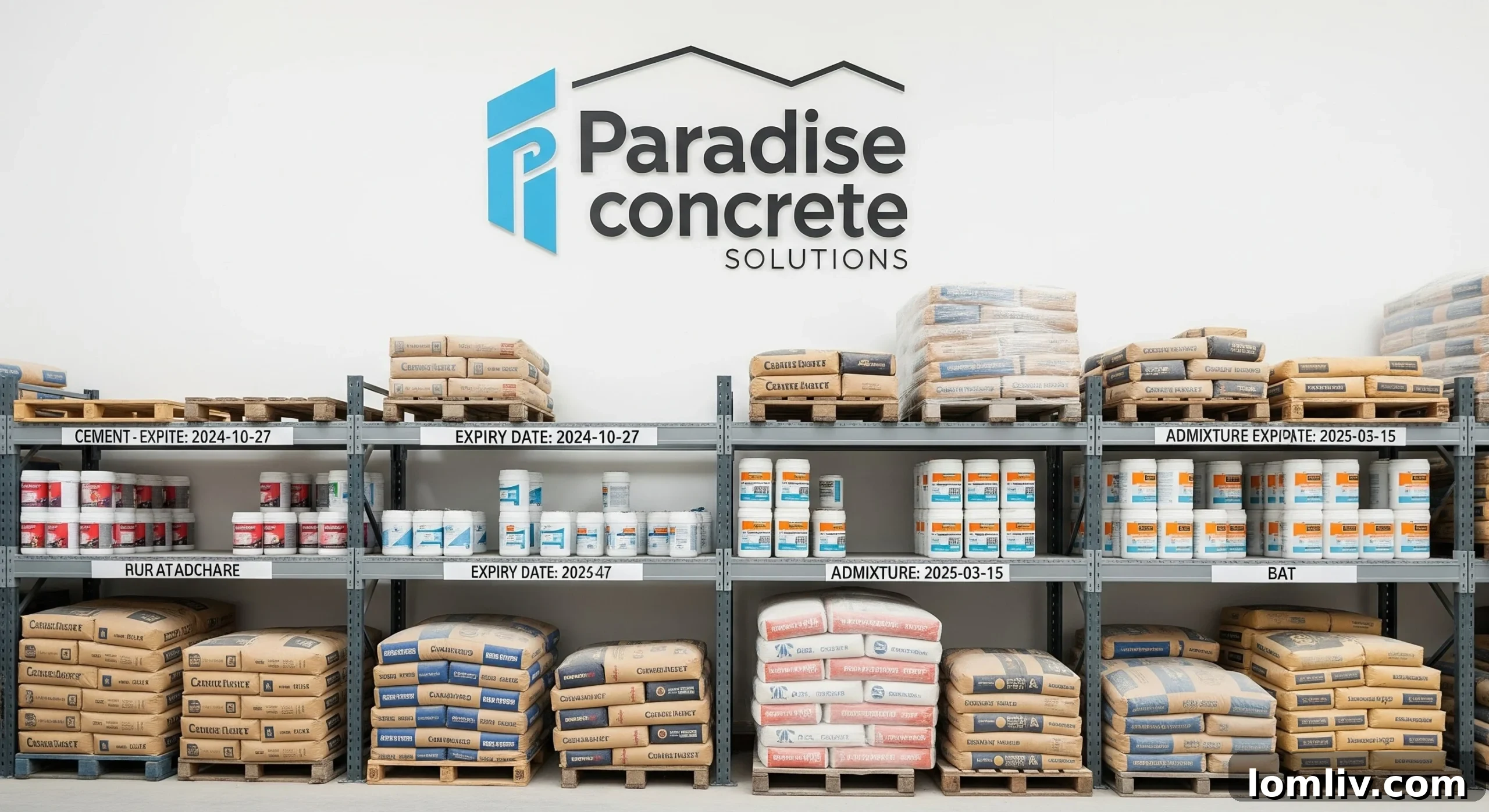
Understanding the degradation timelines for various concrete materials is essential for effective inventory management and ensuring the integrity of the final product. While some components are quite robust, others have a surprisingly short shelf life, making timely utilization paramount for quality control.
Portland Cement: A Finite Lifespan
Under ideal storage conditions—meaning dry, sealed, and protected from all forms of moisture—bagged Portland cement typically remains usable for up to six months. However, it’s crucial to acknowledge that even under these optimal conditions, a gradual reduction in strength may occur over time due to slow hydration caused by atmospheric humidity. Beyond this six-month window, it becomes imperative to conduct thorough quality checks, such as strength tests, before using the cement in applications that demand high performance or structural integrity. The consequences of using weakened cement can range from reduced structural strength to increased permeability and durability issues. For cement stored in bulk silos, the shelf life is often shorter, typically around three months, due to potential compaction and exposure to varying atmospheric conditions during loading and unloading. Regular material rotation (FIFO) is key to maximizing usability and minimizing waste.
Ready-Mix Concrete: A Race Against Time
Unlike its components, ready-mix concrete has an extremely limited usable window. Once water is added to the cement, aggregates, and admixtures, the hydration process begins immediately. This means that from the moment of mixing, there is generally a timeframe of approximately 90 minutes before the concrete begins to set and lose its workability. This critical window includes transportation time from the batching plant to the construction site. Exceeding this time limit can lead to concrete that is difficult to place, compact, and finish, ultimately compromising its quality and strength. Admixtures like retarders can extend this window slightly, but strict adherence to delivery and placement schedules is always necessary.
Aggregates: Durable, But Not Invincible
Aggregates are significantly more forgiving than cement regarding storage duration. As long as they are kept clean, free from contamination, and adequately covered to prevent the accumulation of foreign debris or excessive moisture, they can be stored for extended periods, often years. However, “long time” doesn’t mean “indefinitely” without care. Over very long durations, prolonged exposure to harsh weather can lead to weathering, break down of weaker particles, or accumulation of dust and silt. It’s always considered good practice to periodically inspect stored aggregates for any signs of contamination, changes in particle size distribution due to degradation, or the presence of organic matter. If significant degradation or contamination is observed, re-screening or washing may be necessary to restore their suitability for concrete production.
Admixtures: Variable Shelf Lives
The shelf life of admixtures varies widely depending on their chemical composition, form (liquid or powder), and specific storage conditions. Most liquid admixtures have a shelf life ranging from six months to a year when stored correctly in sealed containers, away from extreme temperatures. Powdered admixtures might last longer if kept dry. Crucially, always consult the manufacturer’s product data sheets and expiration dates provided by your concrete supply company. Using expired admixtures is highly risky; their chemical properties may have degraded, leading to unpredictable and potentially detrimental impacts on concrete performance, such as altered setting times, reduced strength, or impaired durability. It’s better to dispose of expired admixtures than to risk an entire concrete batch.
What Are the Signs That Concrete Materials Have Been Improperly Stored?
Vigilance is key in concrete material storage. Identifying signs of improper storage early can prevent costly project failures and ensure the structural integrity of concrete elements. Regular inspection of stored materials is a non-negotiable step in quality control.
Telltale Signs for Cement
The most common and immediate indicator of improperly stored cement is the presence of lumps or hard, solid spots within the bag. This is a direct result of the cement absorbing moisture and undergoing premature hydration. Even if only a portion of the bag feels solid, the entire contents should be considered compromised. The partial hydration significantly reduces the cement’s binding capability, making its performance unreliable and unpredictable. A noticeable increase in the weight of a cement bag compared to its initial delivery weight is another strong clue that moisture has infiltrated, as hydrated cement products are heavier. Furthermore, a grayish-white discoloration on the surface of the cement powder, which differs from its typical uniform grey, can also signal moisture exposure and partial setting. When in doubt, it is always safer to discard suspect bags than to risk an entire batch of concrete.
Red Flags for Aggregates
Aggregates, while more resilient, also exhibit clear signs of poor storage. Unusual or inconsistent coloration, especially compared to fresh deliveries, can indicate contamination. The presence of organic debris such as leaves, twigs, or excessive soil is a critical warning sign, as organic matter can interfere with cement hydration and lead to long-term concrete deterioration. An unusual amount of dust or very fine particles coating the aggregates can also be problematic, potentially increasing water demand in the mix and weakening the concrete. If finer and coarser aggregate particles have visibly separated within the pile (known as segregation), it indicates improper handling during loading, unloading, or inadequate storage practices, which can lead to inconsistent concrete batches. Lastly, standing pools of water around aggregate storage areas or soft, muddy ground beneath the piles are indicative of poor drainage. Aggregates absorbing too much moisture from the ground will make it exceedingly difficult to accurately control the water-cement ratio in the mix, impacting workability and strength.
Warning Signals for Admixtures
For liquid admixtures, signs of degradation include visible separation of components, cloudiness, unusual coloration, or a significant change in viscosity (becoming thicker or thinner). The presence of crystalline deposits or sediment at the bottom of the container also suggests chemical instability or freezing/thawing cycles. For powdered admixtures, clumping or hardening, similar to cement, indicates moisture absorption. Any deviation from the product’s typical appearance, consistency, or odor should prompt immediate investigation. If an admixture shows any of these signs, its effectiveness is likely compromised, and it should not be used, as it could adversely affect the concrete’s designed properties.
What Safety Measures Should Be Followed When Storing Concrete Materials?

Beyond material preservation, concrete material storage demands strict adherence to safety protocols to protect personnel and prevent accidents. The nature of these materials—dusty, heavy, and sometimes chemically active—necessitates a comprehensive approach to site safety and personal protection.
Personal Protective Equipment (PPE) and Air Quality
Cement dust is a known irritant to the skin, eyes, and respiratory system. Prolonged exposure can lead to severe skin burns, eye damage, and lung conditions. Therefore, mandatory personal protective equipment (PPE) for anyone handling cement or working in its vicinity includes appropriate gloves, safety glasses or goggles, and respiratory protection (dust masks or respirators). It’s not enough to simply have signs; ensure PPE is readily available, properly maintained, and its use is strictly enforced. In enclosed storage sheds or silos, effective ventilation systems are critical to minimize airborne dust concentrations. These systems should be regularly inspected and maintained to ensure optimal performance, preventing dust buildup that could pose both health and explosion risks (for certain fine powders). For admixtures, always consult their Safety Data Sheets (SDS) to understand specific chemical hazards and the required PPE, which might include chemical-resistant gloves, face shields, or specialized respirators.
Stacking and Structural Stability
Improper stacking of bagged materials is a common cause of accidents. Cement bags should be stacked in a stable, interlocking cross-pattern to prevent shifting and collapse. Stacks must be kept within a safe height limit, typically no more than eight layers, and always below any structural weight limits of the floor or shelving. Never stack bags against unsupported walls or in a way that obstructs emergency exits or fire safety equipment. Any damaged or wet bags should be immediately removed from the stack and handled appropriately, as their compromised integrity poses a collapse risk. For bulk storage in silos, regular structural inspections of the silo walls, foundations, and discharge systems are vital to identify and address any signs of corrosion, fatigue, or leaks that could lead to catastrophic failure. Dust collection systems and pressure relief valves on silos must also be maintained to prevent over-pressurization and dust explosions.
Fire Safety and Chemical Hazards
While cement and aggregates are generally not flammable, certain admixtures can pose fire risks. Always check the labels and SDS for admixtures regarding flammability, reactivity, and special handling instructions. Flammable admixtures must be stored in designated areas, away from ignition sources, and with appropriate fire extinguishers strategically placed within immediate reach, not just at the entrance to the storage area. Proper secondary containment should be in place for liquid admixtures to manage spills and prevent environmental contamination. Clear labeling of all chemical containers is crucial, and emergency contact information should be prominently displayed.
Site Organization and Housekeeping
Storage areas are not general walkways or break areas. Access should be restricted to authorized personnel actively involved in material handling. Sufficient clear space must be maintained around material stacks and piles to allow for safe movement of personnel and machinery without tripping hazards or collisions. Loose cement, spilled sand, or leaked admixtures can quickly create slippery surfaces. Therefore, regular housekeeping, including sweeping, cleaning up spills immediately, and maintaining clear pathways, is not just an aesthetic concern but a critical safety measure. Regular site audits should verify that these safety protocols are being followed consistently.
Taking Action: Your Next Storage Steps for Optimal Concrete Material Management
The effective management of concrete material storage is an ongoing commitment, not a one-time task. Before initiating new deliveries or commencing the next concrete pour, dedicating a few moments to conduct a thorough review of your current storage setup can yield substantial benefits, preventing waste, avoiding costly delays, and ensuring the integrity of your construction projects.
Conduct a Proactive Site Audit
Begin by walking through all your material storage areas with a critical eye. Observe how cement bags are stacked: are they elevated off the ground, in stable cross-patterns, and within safe height limits? Check for any signs of moisture ingress, such as damp spots on bags or walls, and inspect for any hardened lumps within the cement. For aggregates, verify that different sizes are effectively separated by robust barriers to prevent mixing. Look for any foreign debris, organic contamination, or excessive fine particles. Pay close attention to the ground condition around aggregate piles; soft ground, standing puddles, or signs of poor drainage are immediate red flags that can lead to compromised material quality. Similarly, check admixture containers for proper sealing, temperature stability, and any visual signs of degradation like separation or crystallization.
Adapt and Optimize for Your Specific Context
While this guide provides comprehensive best practices for concrete material storage, it is crucial to remember that it serves as a framework, not an unchangeable rulebook. Every construction site has its unique characteristics: different local climates, varying project durations, distinct material delivery schedules, and specific team dynamics. Therefore, it is essential to adapt these guidelines to fit your particular site conditions, the prevailing weather patterns, and the operational workflows of your team. Prioritize addressing any urgent issues immediately—such as unsealed cement, contaminated aggregates, or significant safety hazards. Subsequently, work systematically to refine and tighten up other aspects of your storage management over time. Implementing even a few small, consistent corrections now can dramatically reduce the risk of material degradation, save entire batches of concrete, and ultimately contribute to the successful and safe completion of your construction projects.
Investing time and effort in meticulous concrete material storage is an investment in quality, efficiency, and safety. By adopting a proactive and adaptable approach, you not only preserve the valuable properties of your construction materials but also safeguard your project’s reputation and long-term durability.