

By Ryan Casey Stephens, FPQP®
Special Contributor
The Allure of the Lottery: Hope in Times of Uncertainty
In 1998, an ordinary Australian truck driver named Bill Morgan experienced an extraordinary event that would forever change his life. After a horrific accident left him nearly crushed, Bill suffered a fatal heart attack. For a staggering 14 minutes, he was clinically dead, his heart having ceased to beat. Miraculously, against all odds and medical expectations, diligent lifesaving efforts brought him back. He emerged from a medically-induced coma 12 days later, not only alive but perfectly intact, without any discernible brain damage. This incredible brush with death seemed to imbue Bill with an almost supernatural stroke of luck, a feeling he decided to put to the test.
Not long after his remarkable recovery, Bill purchased a scratch-off lottery ticket, a spontaneous decision that quickly yielded a car worth $17,000. His story of survival and subsequent win captivated a Melbourne TV station, who asked him to re-enact the purchase for a news segment. In front of rolling cameras, Bill bought a second ticket and, to the astonishment of everyone present, scratched off another winning prize – a life-changing $250,000. Bill Morgan’s tale became a global sensation, prompting many to urge him to try his luck a third time. Yet, despite his apparent Midas touch, Bill has steadfastly refused, perhaps wisely choosing not to tempt fate further. Does such a man possess an exceptional degree of good fortune, or is there something deeper at play when individuals turn to lotteries in the face of life’s unpredictable twists?
Navigating Economic Headwinds: A Nation Under Pressure
Lately, the airwaves and news feeds have been saturated with stories of economic gloom and growing anxiety. Inflation continues its relentless march, steadily eroding the purchasing power of hard-earned dollars. Millions of American households, once comfortable, now face tightening budgets and difficult choices, forced to cut back on what was once considered discretionary spending. The signs of economic strain are pervasive: new home constructions and sales are slowing, consumer confidence is wavering, and charitable organizations report a noticeable decline in donations, signaling a collective belt-tightening across the nation.
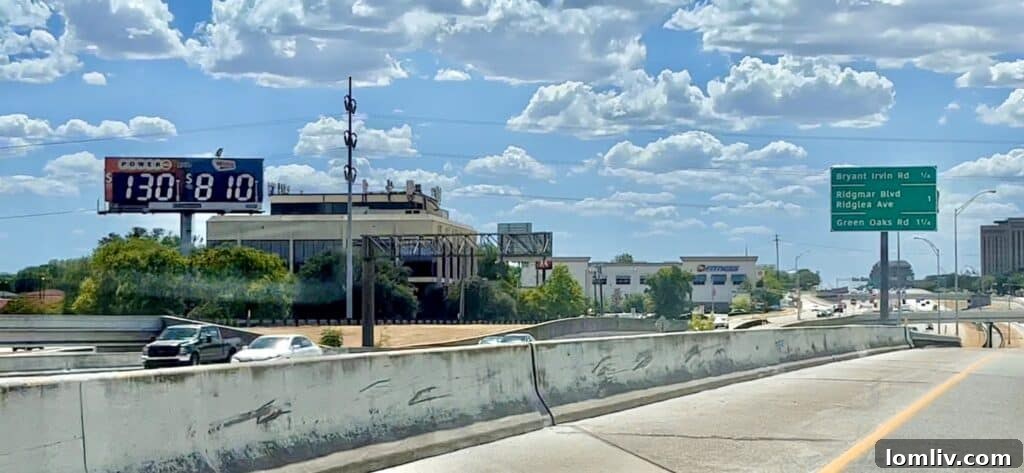
Amidst this backdrop of financial uncertainty, the economy weighed heavily on my mind during a recent drive along I-30 in Fort Worth. As I passed near Camp Bowie, an enormous Texas Lotto billboard loomed into view, its vibrant display momentarily distracting me from the grim economic forecasts. This striking image sparked a profound question: How do lotteries fare during periods of economic downturn? Do people, like our incredibly lucky truck driver Bill Morgan, decide to cut back on what many consider an unnecessary expense? Or do the jackpots themselves shrink in response to a struggling market, mirroring the general economic contraction? The answers, it turns out, are often counter-intuitive and reveal much about human psychology during times of stress.
The Paradox of Prosperity: Lottery Sales in Downturns
Conventional wisdom might suggest that during recessions, when disposable income dwindles and financial security becomes paramount, people would naturally curb spending on non-essentials like lottery tickets. However, reality often defies expectation. Contrary to this popular belief, historical data and sociological studies paint a remarkably different picture: lottery purchases tend to experience a noticeable surge during economic downturns.
A comprehensive study on the topic delves into this fascinating phenomenon, revealing a clear correlation between financial hardship and increased lottery engagement. As the researchers eloquently explain, “Overall, the findings of the follow-up study suggest that when people are experiencing financial difficulties during economic recessions, the possibility to improve their financial situation by winning large jackpots with low initial stakes becomes more enticing.” This observation is not merely academic; it’s reflected in tangible sales figures. For instance, in 2011, during the nascent recovery from a severe recession, lottery ticket sales jumped by a significant 16 percent compared to the more prosperous boom period of 2007 that preceded it. This demonstrates a compelling trend: as financial security erodes, the lure of a swift, transformative win intensifies.
The adage, “One ounce of luck is better than a pound of gold,” takes on new meaning in these challenging times. When faced with an uncertain future, many individuals seek refuge and hope at convenience store counters, investing a small sum in what they perceive as their quickest, easiest, and perhaps only, escape route from financial anxiety and fear. It’s a low-cost gamble with the highest possible reward, a beacon of light in an otherwise gloomy economic landscape.
The Psychological Undercurrents: Why We Chase the Dream
The reasons behind this surge in lottery play during economic hardship are deeply rooted in human psychology. When faced with financial stress, our natural inclination is to seek solutions, and for many, the lottery represents a glimmer of hope where traditional avenues seem blocked. It offers a powerful form of escapism, allowing players to momentarily dream of a life free from debt, worries, and limitations. This dream, though statistically improbable, provides a crucial psychological balm in difficult times.
Furthermore, cognitive biases play a significant role. The “availability heuristic” causes us to overestimate the likelihood of winning, as stories of big jackpot winners are widely publicized and easily recalled. This creates an “illusion of control” where players feel that their specific numbers or chosen tickets might somehow be “luckier.” The relatively small cost of a ticket, juxtaposed with the immense potential payout, also distorts our perception of risk, making it seem like a worthwhile investment when other, more conventional investments (like savings accounts with low interest) yield negligible returns during inflationary periods.
Beyond individual psychology, the societal role of lotteries also contributes to their enduring appeal. State lotteries often funnel proceeds into public services such as education, infrastructure, and senior programs, creating a perception that playing the lottery is not just a personal gamble but also a contribution to the community. This adds a layer of perceived moral justification for participation, especially when financial times are tough and public services are stretched. However, it’s also worth noting that lotteries are sometimes criticized as a “regressive tax,” disproportionately impacting lower-income individuals who, ironically, are often the ones most affected by recessions and most likely to seek a quick financial remedy through lottery tickets.
The Innate Drive to Take a Chance: Beyond the Lottery
We all, on some intuitive level, understand this fundamental human tendency, don’t we? When money is tight, when the walls seem to be closing in, aren’t people more inclined to take significant gambles in other areas of their lives? Whether it’s making a drastic career change, deciding to pursue a new and expensive degree later in life, or even starting a new business from scratch, these are all manifestations of the same innate drive to seek a “reset button” when feeling stressed or frustrated with one’s current situation.
Perhaps you’ve even considered moving across the country at some point, leaving everything familiar behind to embark on a completely fresh start? This impulse to gamble on a better future, to take a leap of faith when conventional paths seem to offer little solace, is deeply ingrained in the human spirit, especially in cultures that celebrate ambition and self-made success. It’s a core tenet of the American Dream, a foundational belief that with enough ingenuity, hard work, and perhaps a touch of luck, anyone can “make it big.” Isn’t this very dream what built Hollywood, Silicon Valley, and countless other epicenters of innovation and fortune?
So, as the global economy faces unprecedented challenges—with costs soaring, interest rates skyrocketing, and markets tumbling—and as we appear to be inching closer to another potential recession, what will be your response, dear reader? Will you find yourself at the counter, ready to “scratch that itch” of hope and possibility? Will you be the next fortunate jackpot winner, a modern-day Bill Morgan from Australia, whose life is transformed by a stroke of unexpected luck?
If fate smiles upon you, and you find yourself holding a winning ticket, I have but one humble request: remember this article that perhaps nudged you towards that fateful purchase, and consider sharing a small token of your newfound fortune. After all, it never hurts to ask, and a little generosity goes a long way!

Ryan Casey Stephens FPQP® is a mortgage banker with Watermark Capital. You can reach him at [email protected].