The fate of Old City Park, a cherished historical gem in Dallas, hangs precariously in the balance. As a cornerstone of the city’s heritage, its future is clouded by a stark lack of clear planning, effective communication, and vital financial support from City of Dallas officials. For 51 years, the Dallas County Heritage Society (DCHS) has meticulously managed this unique cultural institution, dedicating itself to preserving its rich history. Despite their proven commitment and institutional knowledge, DCHS faces an uncertain path forward, primarily due to the city’s inability to provide adequate funding – a fundamental requirement for any organization to operate effectively.
Adding to the concern, Old City Park was conspicuously omitted from the upcoming $1.2 billion bond package, a substantial investment that allocates millions to the Dallas Parks and Recreation Department. This oversight prompts a critical question for Dallas citizens: why has a park so central to the city’s identity been overlooked in such a significant funding initiative? This article delves deeper into the unfolding crisis, examining the precarious status of the park’s invaluable artifacts, the ongoing efforts to protect its historic integrity, the complexities of its proposed master plan, and crucially, the fervent desires of its surrounding communities.
The Irreplaceable Artifacts That Define Old City Park’s Soul
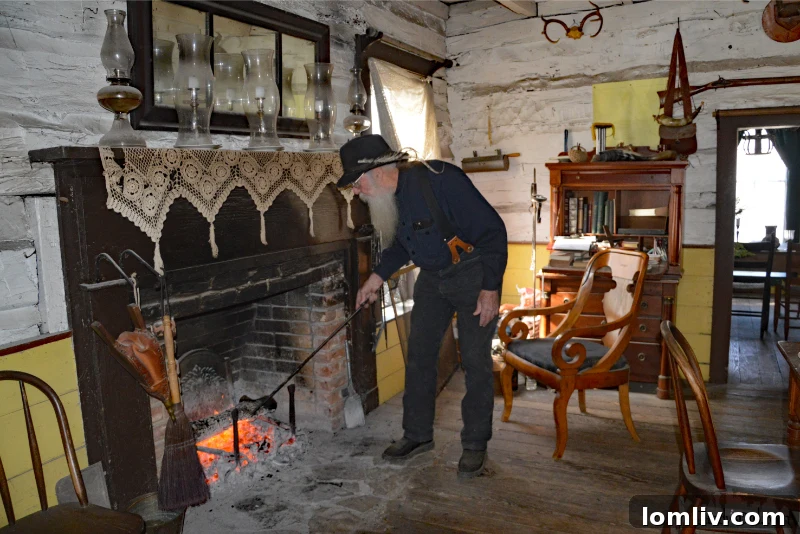
While the City of Dallas holds ownership of Old City Park’s expansive grounds and its historic buildings, the true essence of the park—its captivating narrative and immersive experience—resides within the 22,000 artifacts meticulously curated and owned by the Dallas County Heritage Society. These are not mere decorative items; they are the very objects that transport visitors back in time, animating the park’s diverse structures. Without these tangible links to the past, a historic grocery store becomes just an empty room, and a beautifully preserved house loses its voice, reduced to little more than walls and wallpaper. It is these authentic furnishings, critical documents, and iconic horse-drawn carriages that inspire wonder and provide profound educational value, drawing thousands of visitors annually.
Dr. Evelyn Montgomery, a distinguished historian with 15 years of experience as the Director of Collections, Exhibits, and Preservation at Old City Park, and now the Director of the Old Red Museum of Dallas County History and Culture, underscores the immense value of this collection. “We have 22,000 artifacts, including furnishings, documents, and horse-drawn carriages,” Montgomery confirms. Alarmingly, DCHS reports a complete absence of clear communication from the Dallas Parks and Recreation Department regarding their intent to retain these artifacts within the park’s buildings. Despite DCHS’s expressed desire for the collection to remain intact and on-site, no official request or commitment has been made by the Parks Department. This critical lack of engagement places DCHS in a difficult position, compelling Dr. Montgomery and her team to actively seek alternative homes for the collection. Should the City of Dallas fail to act decisively and promptly express its desire to keep these precious items, DCHS is ethically and legally bound to ensure their preservation by finding suitable repositories, an outcome that would irrevocably diminish Old City Park’s historical authenticity and visitor appeal.
Safeguarding Dallas’s Heritage: Protecting Old City Park’s Future
The prevailing notion that parkland is unequivocally protected often offers a false sense of security. While it is true that parkland enjoys a unique status, the reality is more nuanced. The sale of parkland in Dallas is indeed possible, but it is not a simple transaction. It requires a mandatory public referendum, a democratic process where citizens directly vote on such a significant decision. Any suggestion that a city of over a million residents could bypass this critical step is simply incorrect. It is highly improbable, if not unimaginable, that Dallas citizens would vote to divest themselves of Old City Park, a site so deeply embedded in their collective memory and heritage. Fortunately, experienced and vigilant stewards like Dr. Evelyn Montgomery are actively working to fortify the park’s protections.
Dr. Montgomery, who currently chairs the Dallas Landmark Commission, has taken proactive steps to initiate the process of designating Old City Park as an official historic city landmark. This crucial designation would not only enshrine the park’s historical significance but also provide robust protection for its numerous historic buildings. It would impose a moratorium on any development for up to two years, allowing vital time for comprehensive planning and preservation strategies. While this landmark designation is a multi-stage process requiring approval from the Landmark Commission, the City Plan Commission, and ultimately the Dallas City Council, it is a powerful deterrent against immediate demolition or irreversible changes. Currently, no building within Old City Park can be razed—a significant, albeit temporary, reprieve.
However, a more insidious threat looms: neglect. Imagine a scenario where the buildings are stripped of their contents, left unmaintained, unrepaired, and without adequate security. Over time, these architecturally significant structures would inevitably fall into disrepair. This slow decay could create a pretext for officials to declare that their restoration is “cost-prohibitive,” paving the way for easier demolition or repurposing. This gradual erosion of historical assets, rather than outright destruction, presents a silent but equally devastating risk to Old City Park’s legacy. Vigilance and proactive engagement are paramount to prevent this potential future.
The Master Plan and the Impending Void at Old City Park
In an effort to chart a new course for Old City Park, the City of Dallas has engaged SWA Consultants. Principal Leah Hale confirmed that their team is currently undertaking a comprehensive survey of the property and its existing conditions. This meticulous assessment encompasses a wide array of factors, from the health of the plant material and the integrity of walkways to pressing drainage issues and the structural stability of the historic buildings, identifying all necessary repairs. A preliminary report detailing these general conditions is anticipated by June, which will then serve as the foundation for developing a comprehensive master plan or vision plan for the park’s future. This initial step is critical for understanding the current state of this beloved historic site.
Yet, the timeline for this transition raises significant concerns. If the initial plan is finalized in June, the subsequent Request for Proposal (RFP) process for a new park operator could easily extend for another nine months, bringing the total interim period to potentially 18 months before a new contract is awarded. This creates an alarming operational void. What happens during this extended transition if a formal agreement to keep DCHS involved is not promptly established? Who will assume responsibility for critical security functions, safeguarding the park’s grounds and remaining structures? Who will manage and deliver the educational and community programming that has been a hallmark of Old City Park? Furthermore, if the historic buildings are left empty of their cherished artifacts, the very purpose of such programming diminishes significantly. Without the tangible history, school field trips from DISD and other educational institutions seeking to learn about Texas history would find little incentive to visit.
It remains perplexing why, beyond John Jenkins, the Director of the Dallas Park and Recreation Department, no other city official has publicly expressed a desire for the Dallas County Heritage Society to remain deeply involved in the park’s future. DCHS has demonstrated an unparalleled commitment and capability over decades, operating effectively with minimal funding. Their institutional knowledge, accumulated over 51 years, and their extensive operational experience are simply irreplaceable. The original contract between DCHS and the city explicitly stipulated that the city was responsible for maintaining the buildings. However, this obligation has largely gone unfulfilled. While DCHS has consistently sought and secured its own funding for various initiatives, the absence of clear city buy-in and consistent partnership makes it exceedingly difficult to attract the substantial philanthropic funding necessary for long-term sustainability.
An email dated November 2, 2022, from Michael Meadows of the Meadows Family Consulting Group to John Jenkins, District 2 Dallas City Councilperson Jesse Moreno, and other key stakeholders, starkly highlighted the precarious financial position of DCHS. This communication provided unedited transparency into the park’s operational challenges, emphasizing that DCHS could not continue without significant financial support. Meadows’ report underscored how DCHS had already heavily utilized its own resources to keep the park running. He stated, “I now believe that the subsidy number needs to be in the $600K-$700K range annually.” This represented a substantial increase from the historical city allocation, but Meadows justified it by explaining the “real cost of managing 22+ acres of park land and 30+ historic buildings is quite significant.” He provided a critical example: the bid for a single, unarmed security officer to be on grounds 24/7 totaled $208,000 annually. In stark contrast, DCHS’s allocation from the Office of Arts and Culture (OAC) for FY 2022-2023 was only $112,000, forcing DCHS to absorb a $96,000 deficit solely for security—a cost the City of Dallas was contractually obligated to cover, along with annual repairs and maintenance of the grounds and buildings. The fact that these contractual obligations were not met directly explains the deteriorated condition of many buildings. The FY 2022-2023 expense budget for DCHS/Old City Park, approved in September, projected an operating deficit of ($576K), which DCHS had to cover from its operating reserves and an unrestricted estate gift. The message was clear: DCHS could absorb that year’s deficit but was unwilling to continue this unsustainable practice.
An example of artifacts inside the buildings, showcasing their historical context.
Community Vision: The Cedars and Beyond for Old City Park
Amidst the administrative uncertainties, the voices that should resonate most strongly are those of the Cedars residents and other nearby communities. Christopher Weiss, president of the Cedars neighborhood association, articulates a clear and compelling vision: residents are united in their desire to see Old City Park not only maintained but revitalized. “We want to keep the programming but have more community engagement and different events, and take it from just a museum to a much more dynamic space for the downtown, the Farmers Market, and Deep Ellum folks, as well as The Cedars,” Weiss stated. This vision extends beyond mere preservation; it seeks to integrate Old City Park seamlessly with evolving urban landscapes, such as the nascent design for deck parks. Weiss emphasized the park’s status as a “gem in the city,” lamenting the current absence of a grand plan or cohesive vision. He envisions a dynamic space that could accommodate recreational facilities like a soccer field and a basketball court, truly making it a park for all Dallasites. The neighborhood’s message is unequivocal: they desire continued engagement in shaping the future of “the oldest city park in Dallas.”
Just prior to this article’s publication, Councilperson Jesse Moreno provided a statement addressing the park’s future. Moreno expressed pride in Old City Park, affirming its significance as the city’s first park and a symbol of the community’s historical importance. He shared personal connections, including his marriage at the park and watching his daughter grow there, underscoring its cultural value. Moreno reassured the public, stating, “I am pleased to say that the Park isn’t going anywhere, and I will continue to advocate for its success as it transforms.” He confirmed that while park management will transition to the Dallas Parks & Recreation Department, “this will not change the purpose of Old City Park,” asserting it will remain a “community green space” for families, dogs, and recreation. However, Moreno also acknowledged the park’s “infrastructural deficiencies,” encouraging citizens to advocate for bond funds to improve the park and to stay engaged in future decisions. While his statement offers a degree of reassurance regarding the park’s physical presence and its role as a green space, a careful reading reveals a subtle but significant omission: the statement primarily focuses on the park as a “community green space” and neglects to explicitly mention the preservation of its historic buildings and, critically, its 22,000 irreplaceable artifacts. This subtle distinction highlights the ongoing ambiguity surrounding the city’s comprehensive vision for Old City Park’s historical and cultural assets.
A Crucial Call to Action for Old City Park’s Future
The challenges facing Old City Park are multifaceted but clearly identifiable:
- An Unsustainable Business Model: The park, in its current operational framework, simply does not generate sufficient revenue to cover its operational costs, making its long-term viability a business problem requiring immediate intervention.
- The Imperative of Public Funding: Without a substantial and consistent financial commitment from the City of Dallas, attracting private philanthropic contributions, which are crucial for the park’s flourishing, becomes virtually impossible. Philanthropists seek partnership and stability, which currently are lacking.
- Missed Opportunity in Bond Funding: While the upcoming bond election in May offers a potential avenue for desperately needed funds, Old City Park is not currently included in these plans. This must change.
- DCHS’s Readiness and the Communication Gap: The Dallas County Heritage Society remains deeply interested in continuing its invaluable relationship with the Parks Department. They are prepared to maintain their programming and safeguard the artifacts, but this is contingent upon adequate funding. Despite Director John Jenkins’ verbal assurance to this author—”We want DCHS to stay involved. Nobody is tossing artifacts. We can do an interim agreement with them to get us through this to complete the master plan”—this sentiment has, critically, not been communicated formally to DCHS itself. This lack of official engagement creates an environment of uncertainty and distrust.
- The Unaddressed Historical Core: Councilperson Moreno’s statement, while supportive of Old City Park as a “green space,” notably sidesteps any direct reference to the essential care, maintenance, and preservation of the historic buildings or the priceless artifacts they house. This omission raises serious questions about the city’s holistic vision for the park’s future.
The immediate consequence of inaction is already visible: the beloved animals are departing. If we, as concerned citizens, do not act with vigilance and urgency, the priceless artifacts will inevitably follow, leaving behind a collection of empty, historically significant buildings destined to crumble into disrepair. This is not merely a loss of structures; it is the erosion of Dallas’s tangible past.
Your voice holds immense power. Use it now. Call and email your city councilperson today; find their contact information via this link. Reach out to your parks board representative through their contact page here. Additionally, contact the Parks Board Leadership team. Most importantly, visit Old City Park as soon as possible. It may be your last opportunity to experience this vital piece of Dallas history with its artifacts still in place. Never forget, your engagement is crucial in shaping the future of our shared heritage.